Namibian fauna
 Ivana
Ivana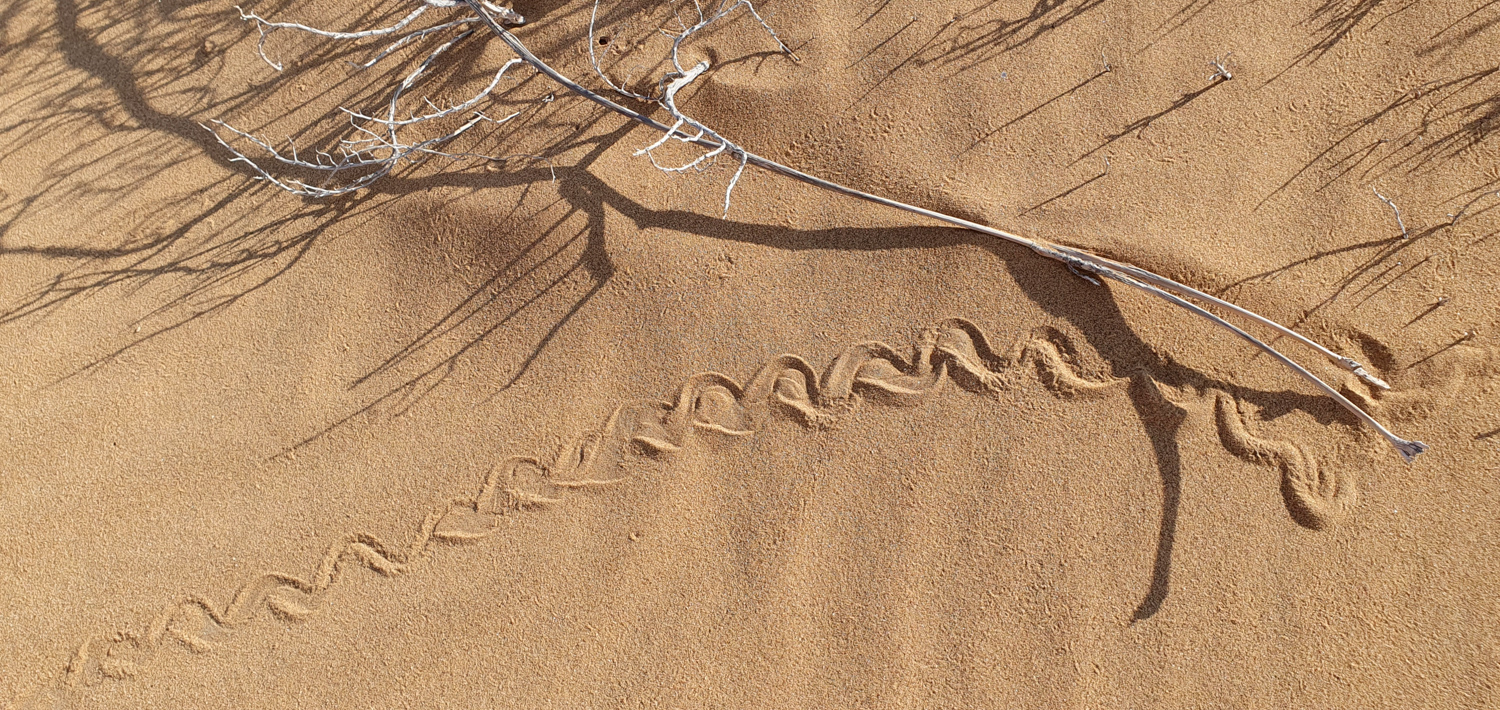
While carving the namibian itinerary I intentionally avoided any sort of animal safaris; I wanted to focus on the physical challenges and endurance tests, and I intend to come back here with my child so we can explore such animal settings together. But still, I was super excited to see any random fauna specimens coming out of nowhere and surprising me. I was walking with my eyes wide open, with my cameras ready to capture the moment. Here are some of them.
Bird’s nest
This nest belongs to the sociable weaver (Philetairus socius) bird species, rare among its class for the habit of creating a massive nest for multiple families of the same species. They can contain up to 200 birds in these clusters. When the storm started, tens of birds per second torpedoed themselves straight into these holes/entrances, flying away from the thunder danger.
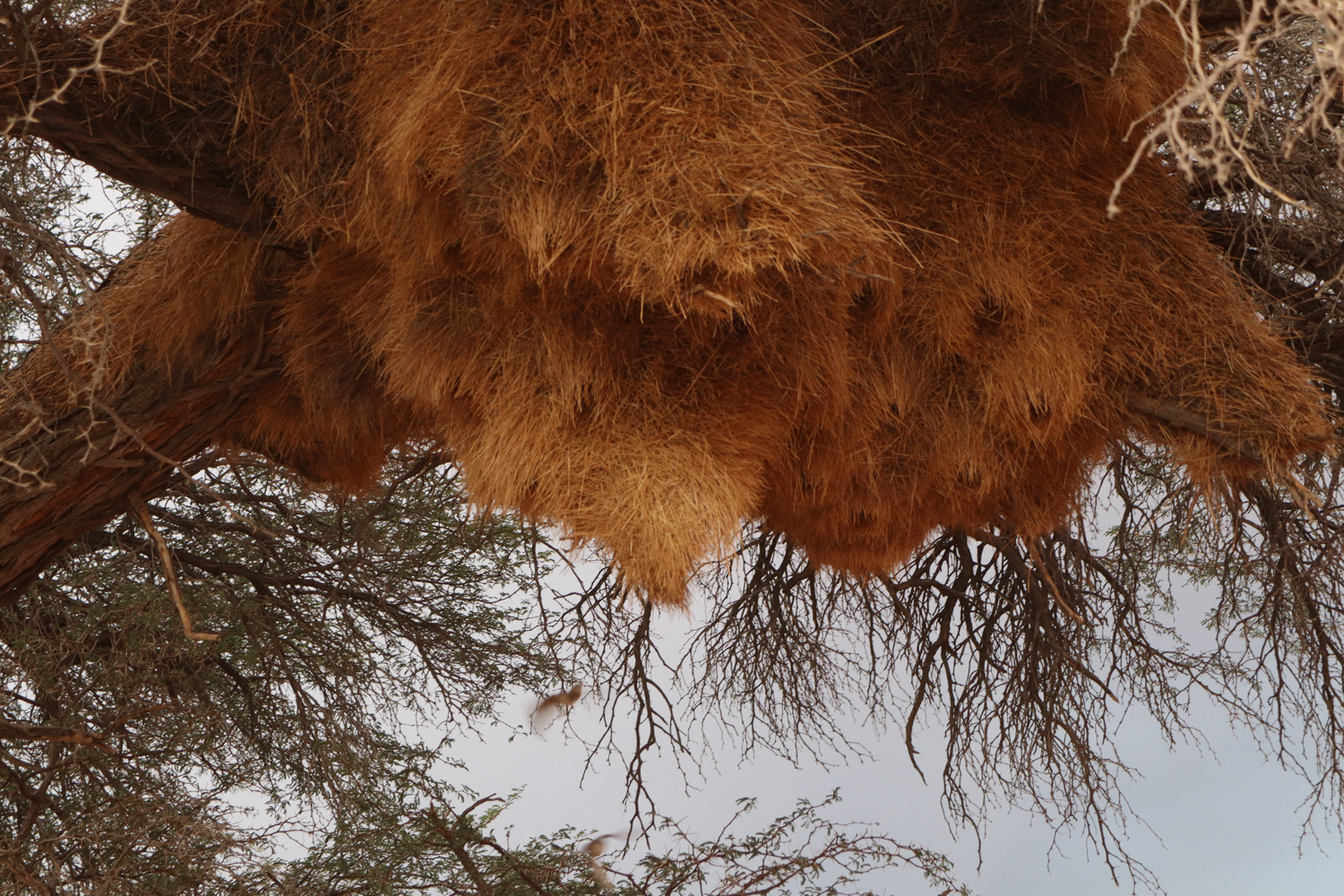
Also, compared to many other nest types, this one is positioned upside down. This is very useful when arboreal snakes are looking for eggs to feed upon but cannot slither into the nest which is positioned like an upside down cup.
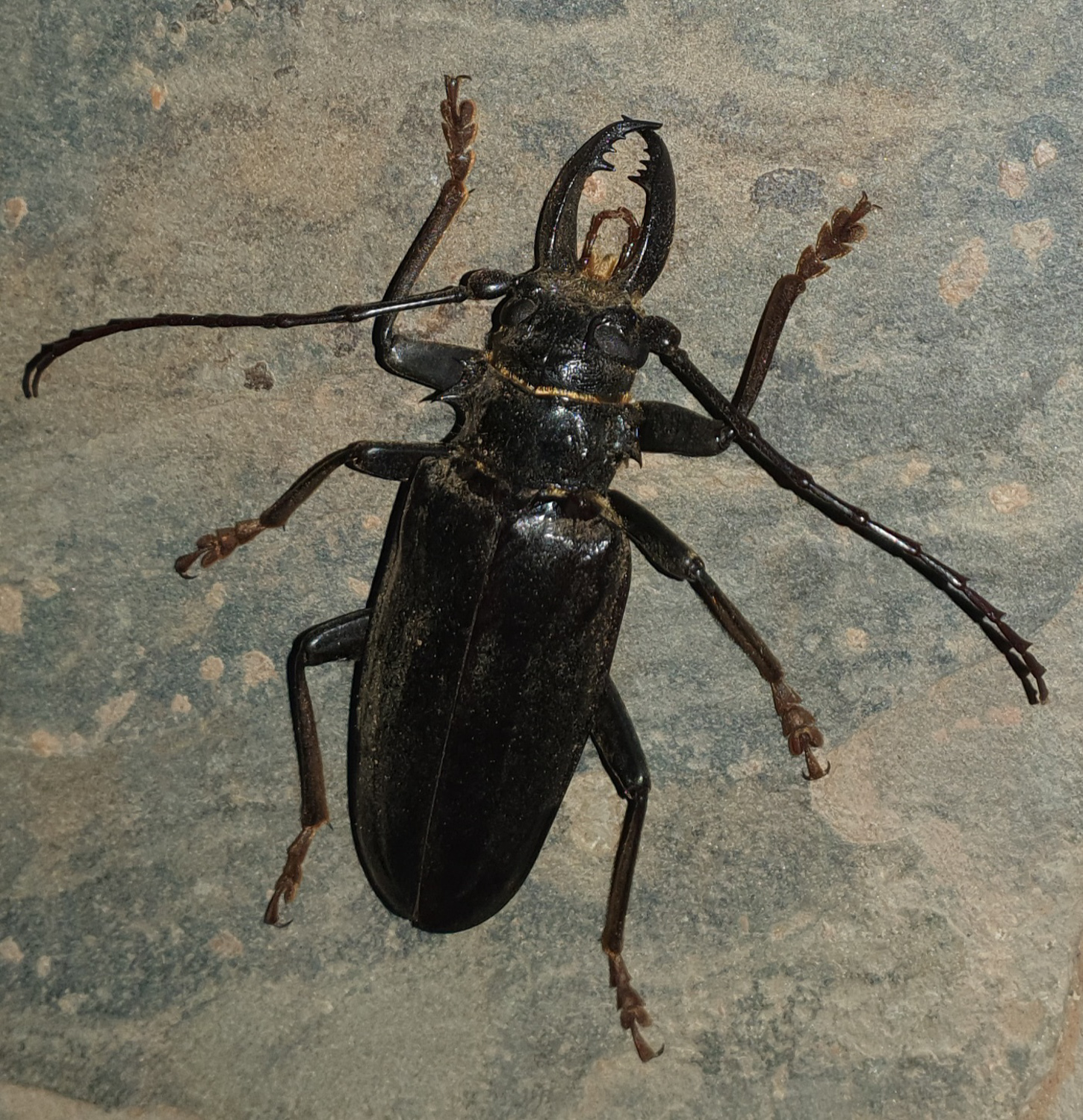
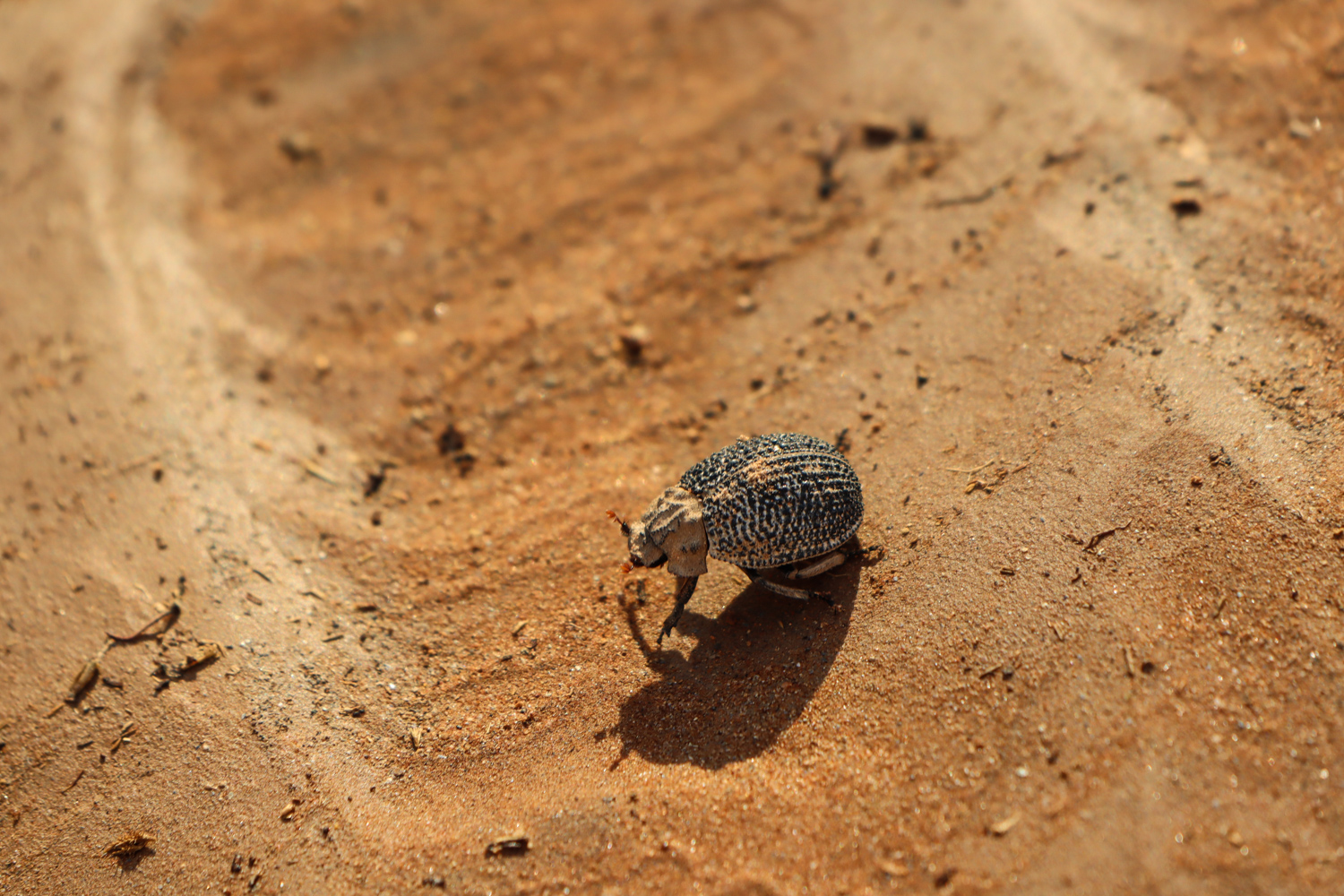
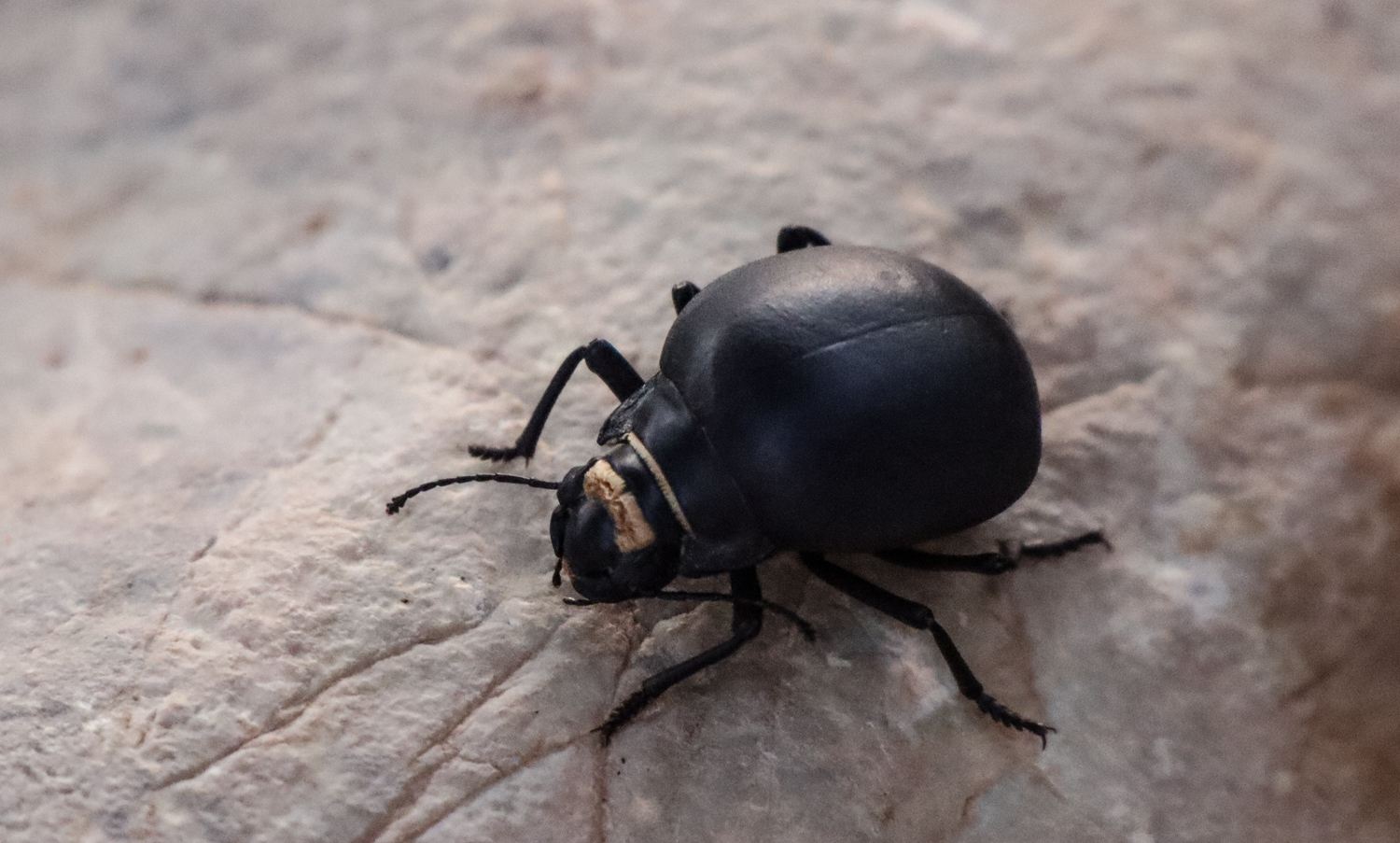
Some Coleopterans
A large specimen of Cerambycidae / horn beetles and probably Staphylinidae / scavenger beetle who resides on dead animals.
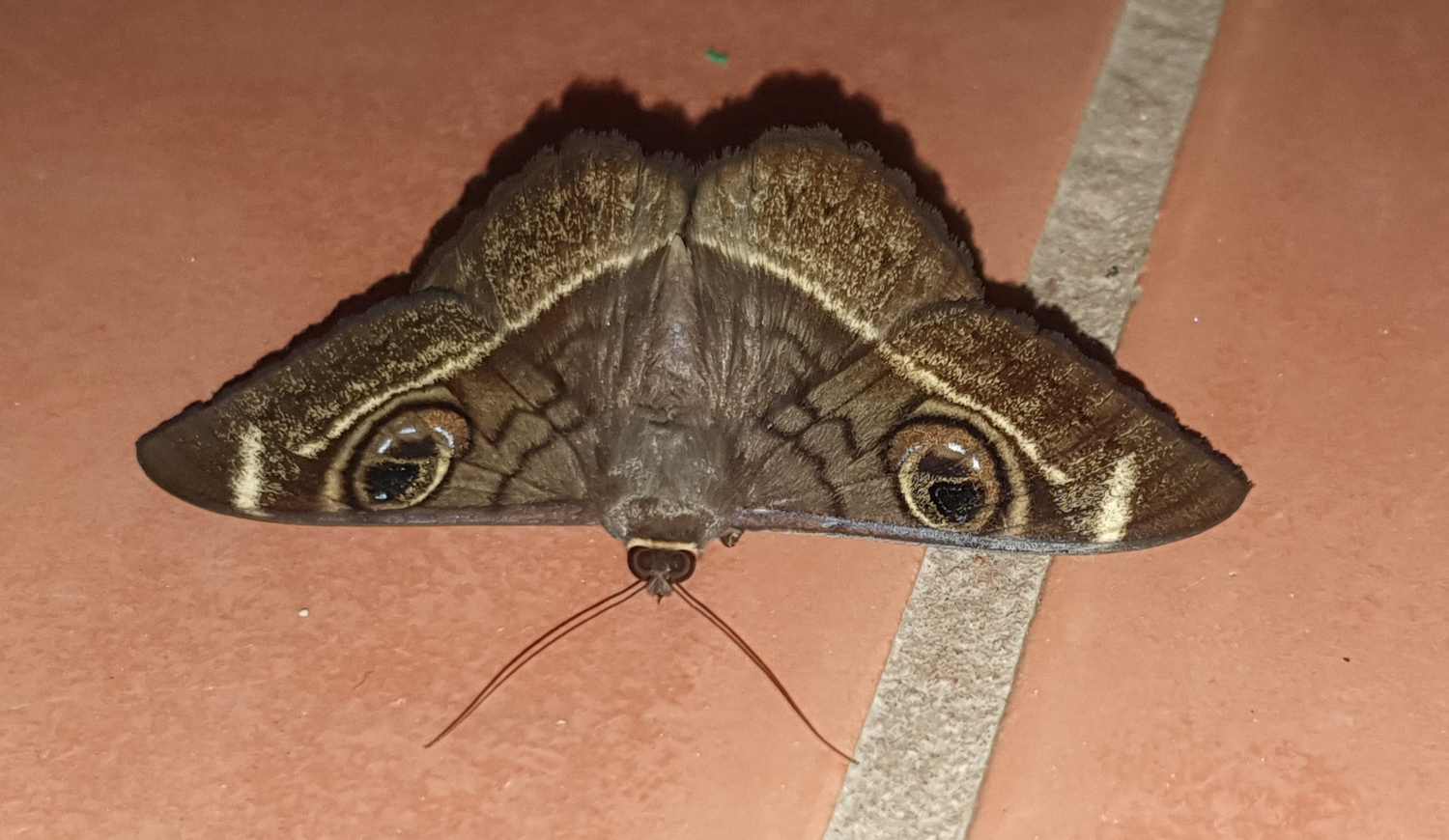
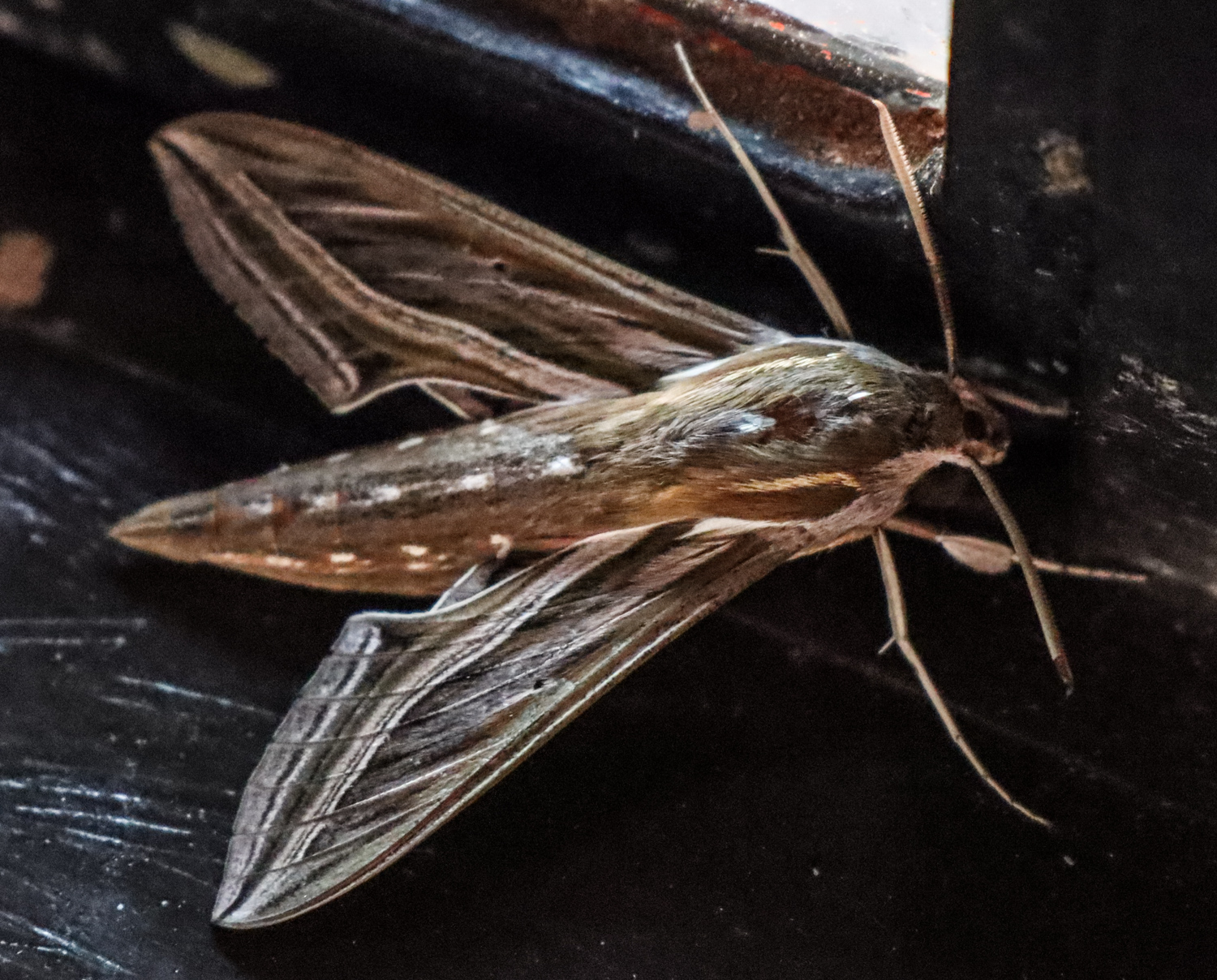
Two moths
From Saturniidae and Sphingidae families.
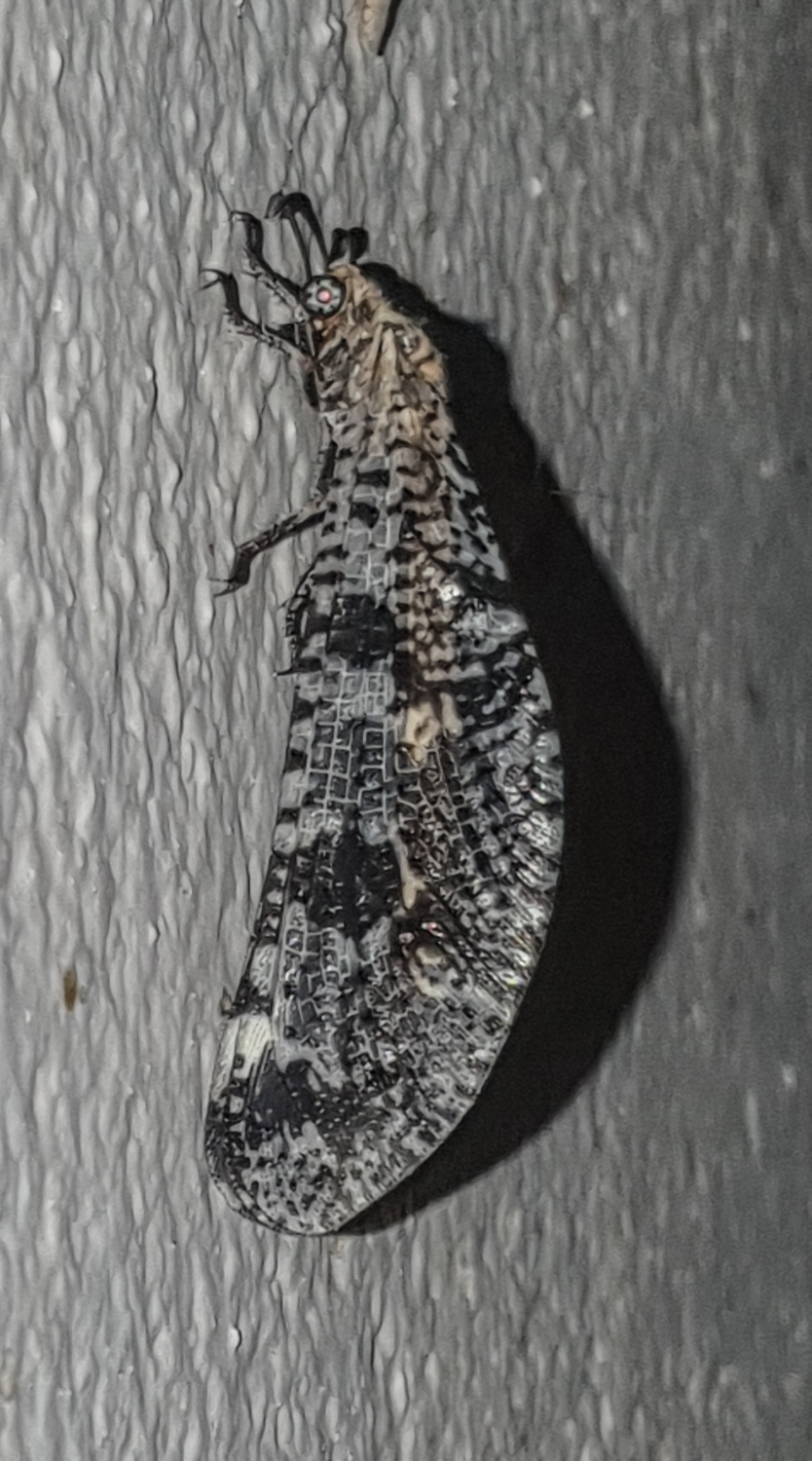
Dobsonfly
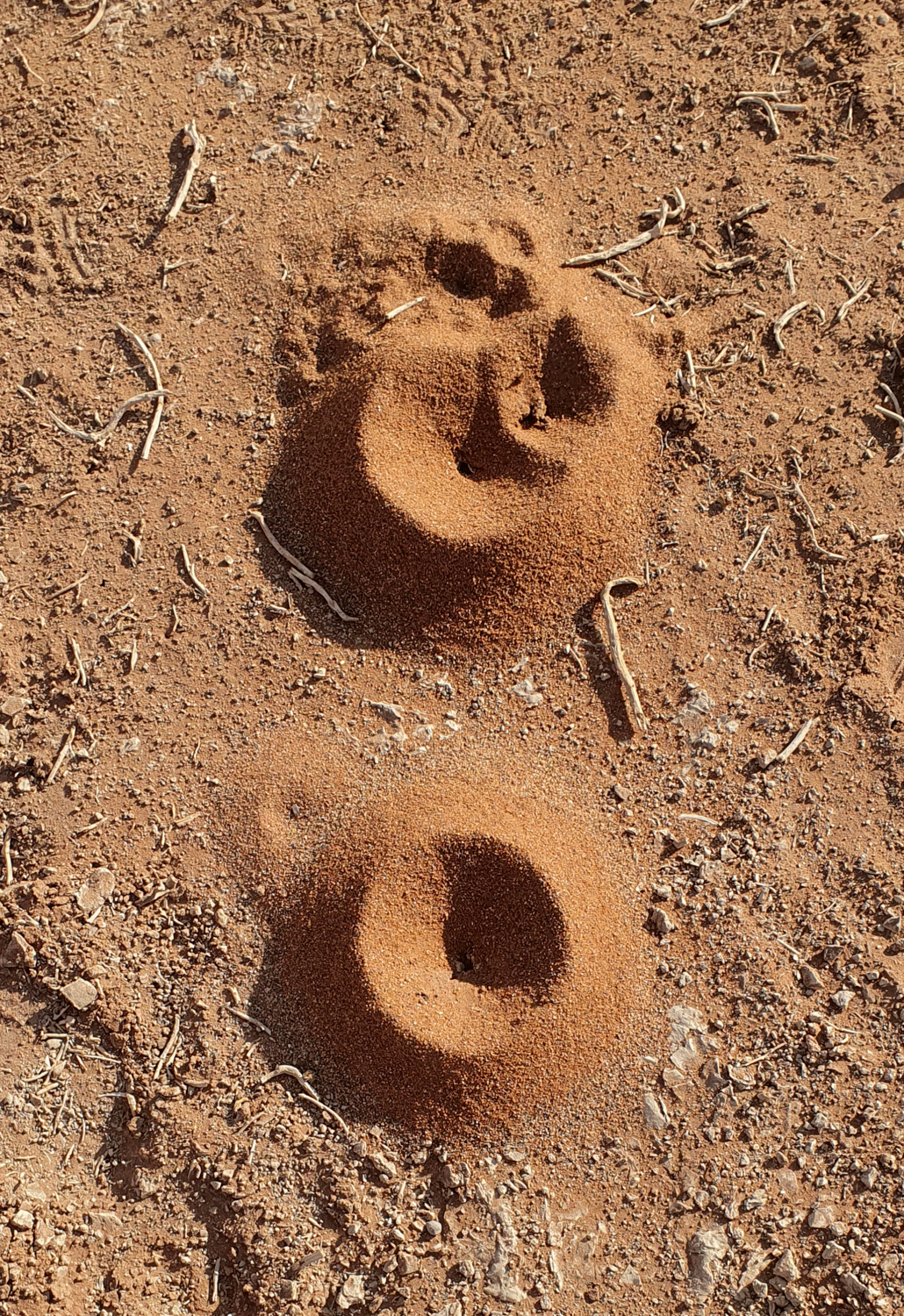
Myrmeleons’s architecture
One of my favorite engineers/architects in the entomology universe. What I am unable to show is the structure in the soil; it looks like this.
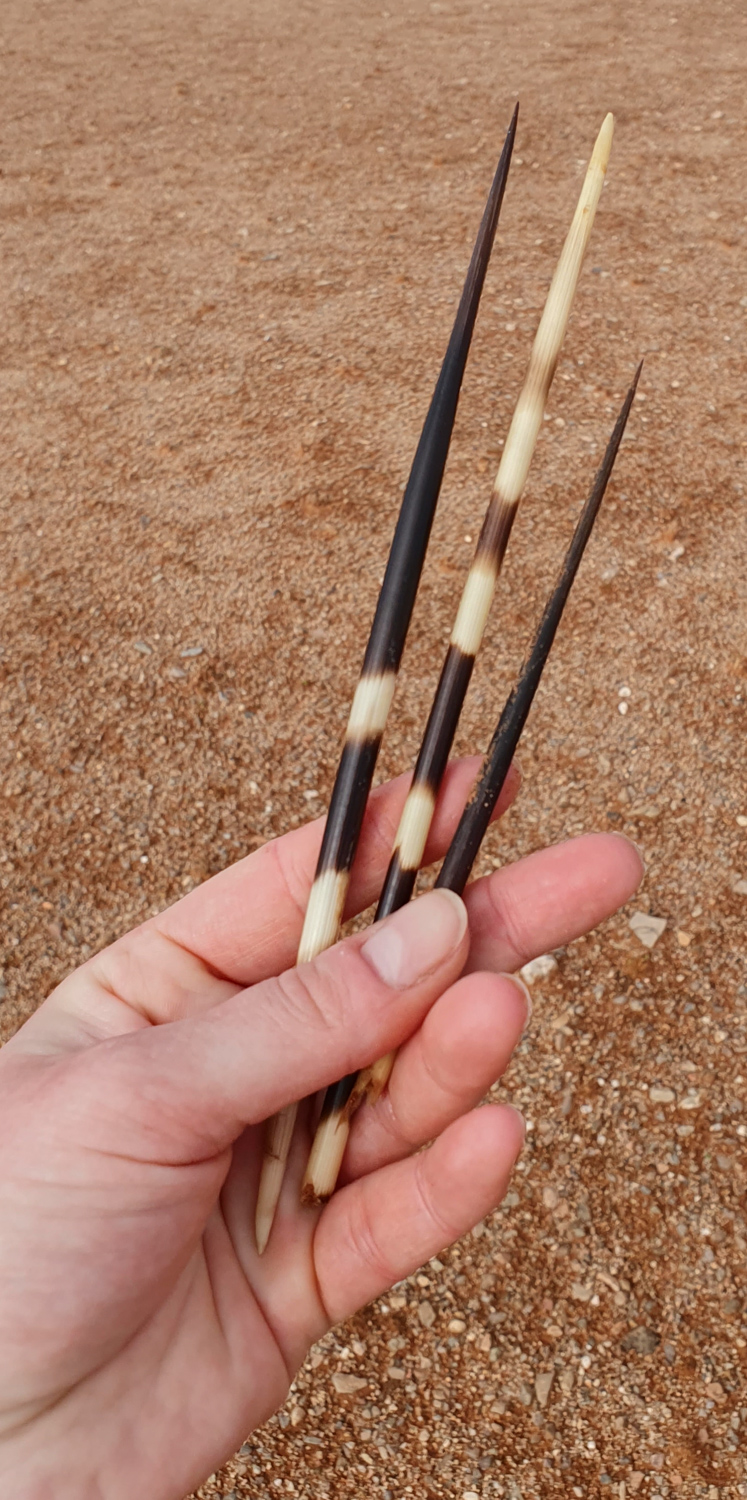
Porcupine’s needles
I was walking towards the hill near the Namib desert lodge. I saw a long thornlike stick on the ground, which seemed to be keratine-based. Sharp and nail-like hard. I almost screamed of excitement, understanding to whom it belonged. Not long after, the second and the third ones were spotted. I continued walking in hope I would stumble upon the owner as well, but it was without success.
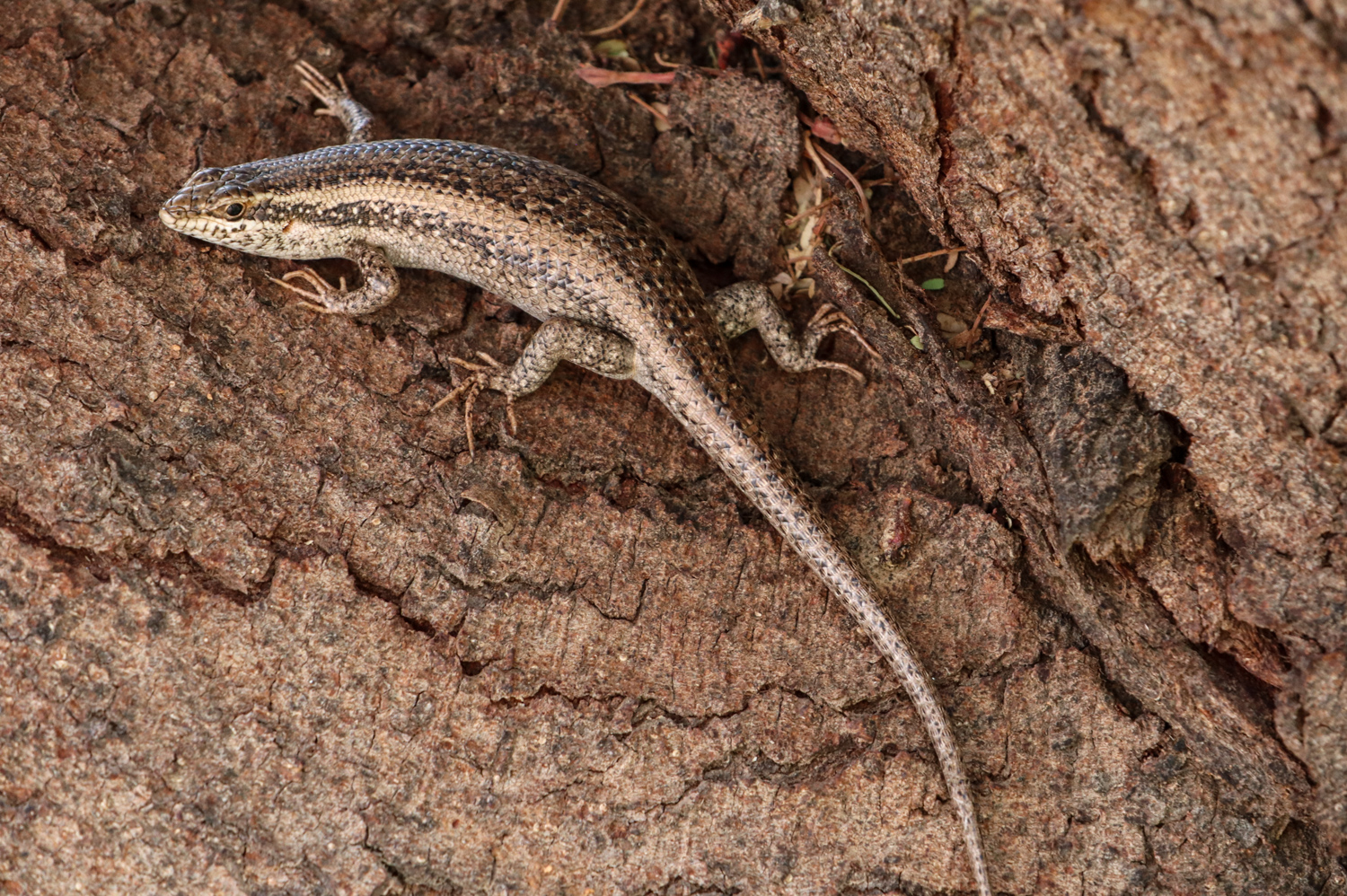
Small lizard
Resting on a tree bark in the lodge.
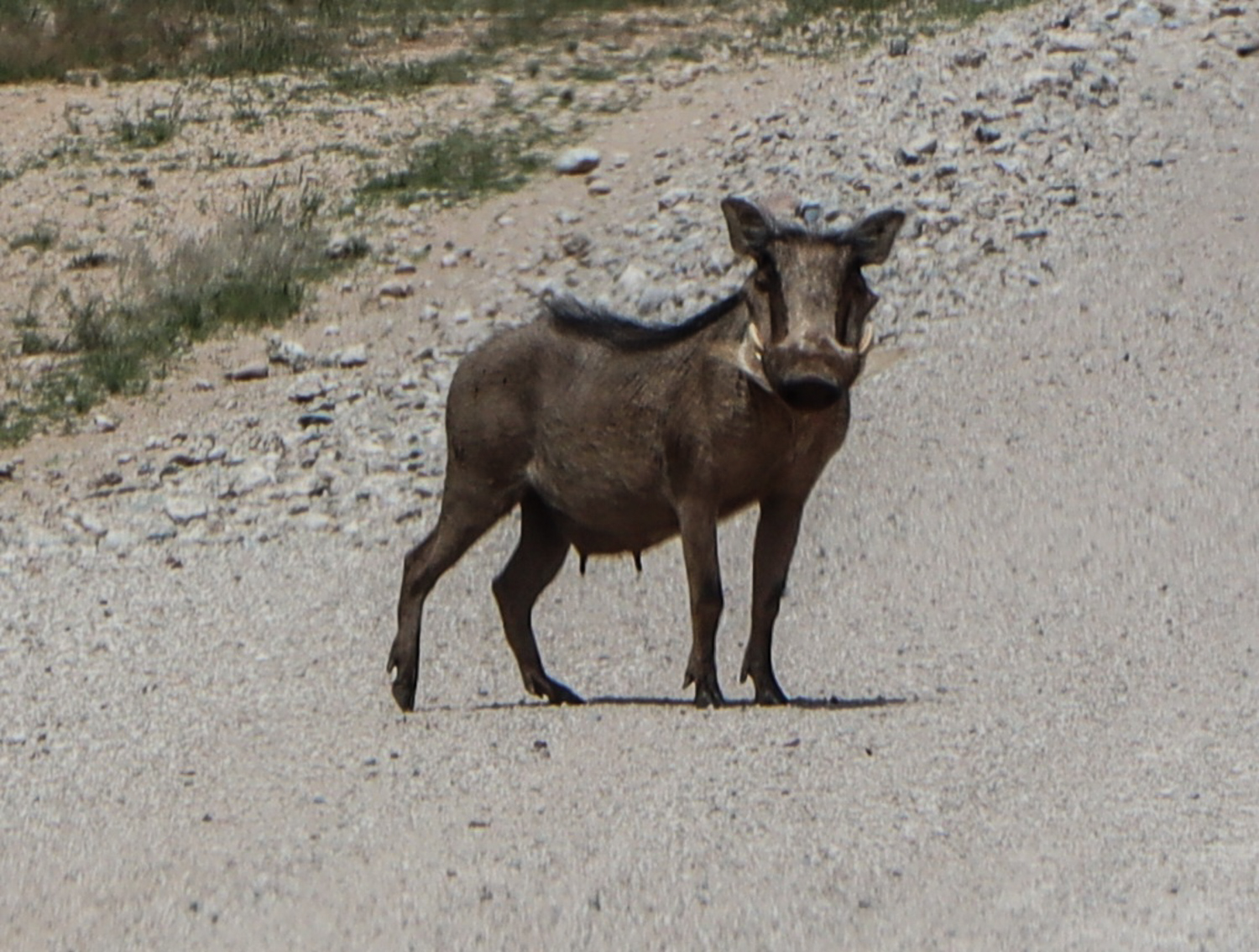
Warthog / Pumba
Seen on the way from the lodge to Windhoek.
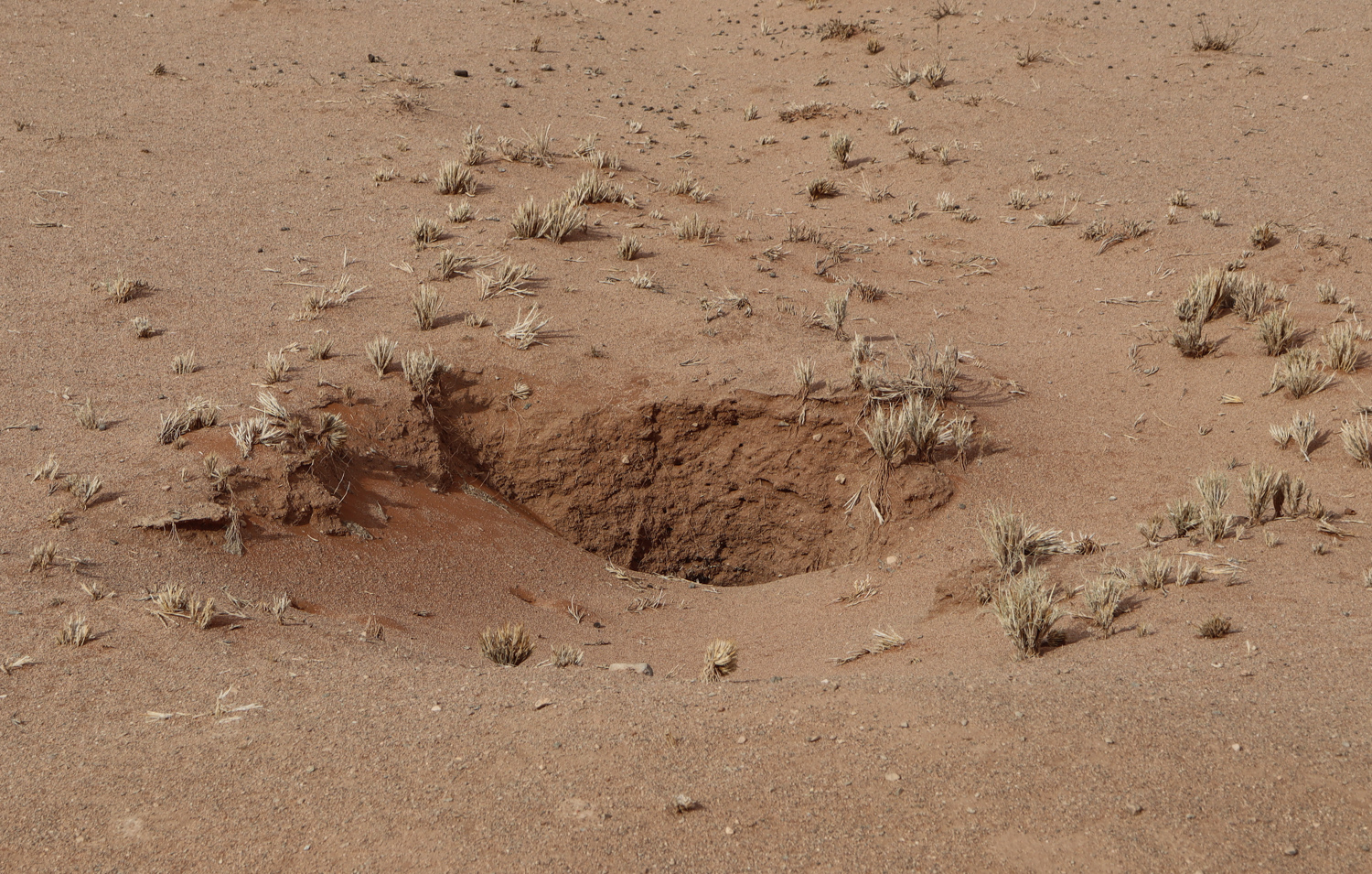
Pumba’s lair
Hardap, found on a hike. The warthogs dig lairs and walk into them backwards when it’s time to rest – this gives them the opportunity to run out faster in case of a danger.
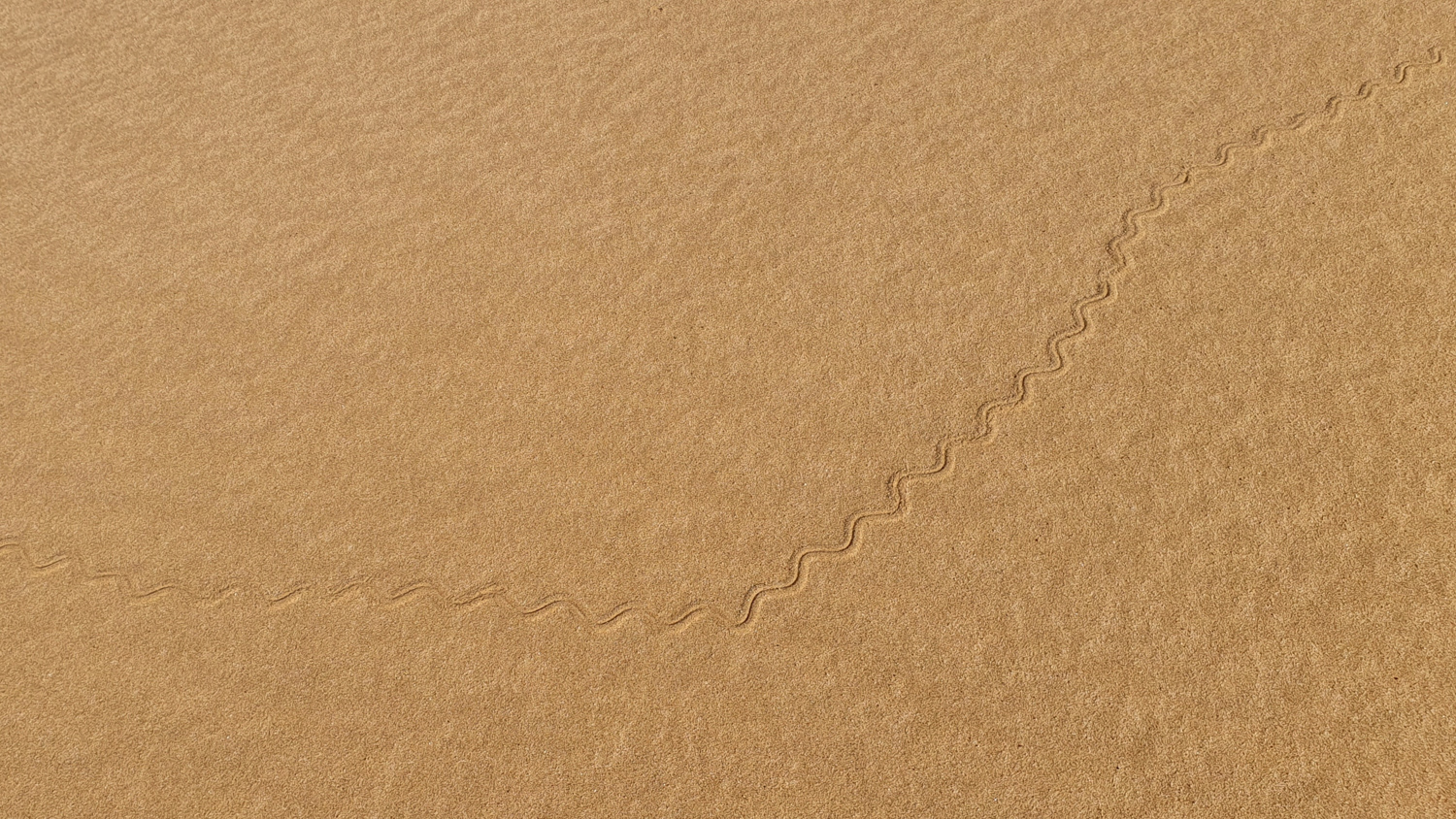
Tracks belonging to a snake
Found at the bottom of Dune 7 when I was done with the dune climb. Luckily, we never met in person. It would have been a disaster, a proper full blown one, due to the fact that it was left by a seriously dangerous venomous Peringuey’s desert adder (Bitis peringueyi), also known as the Namib Desert sidewinding adder. The shape of the track implies possibly a smaller specimen.
There was another one, belonging to another species.
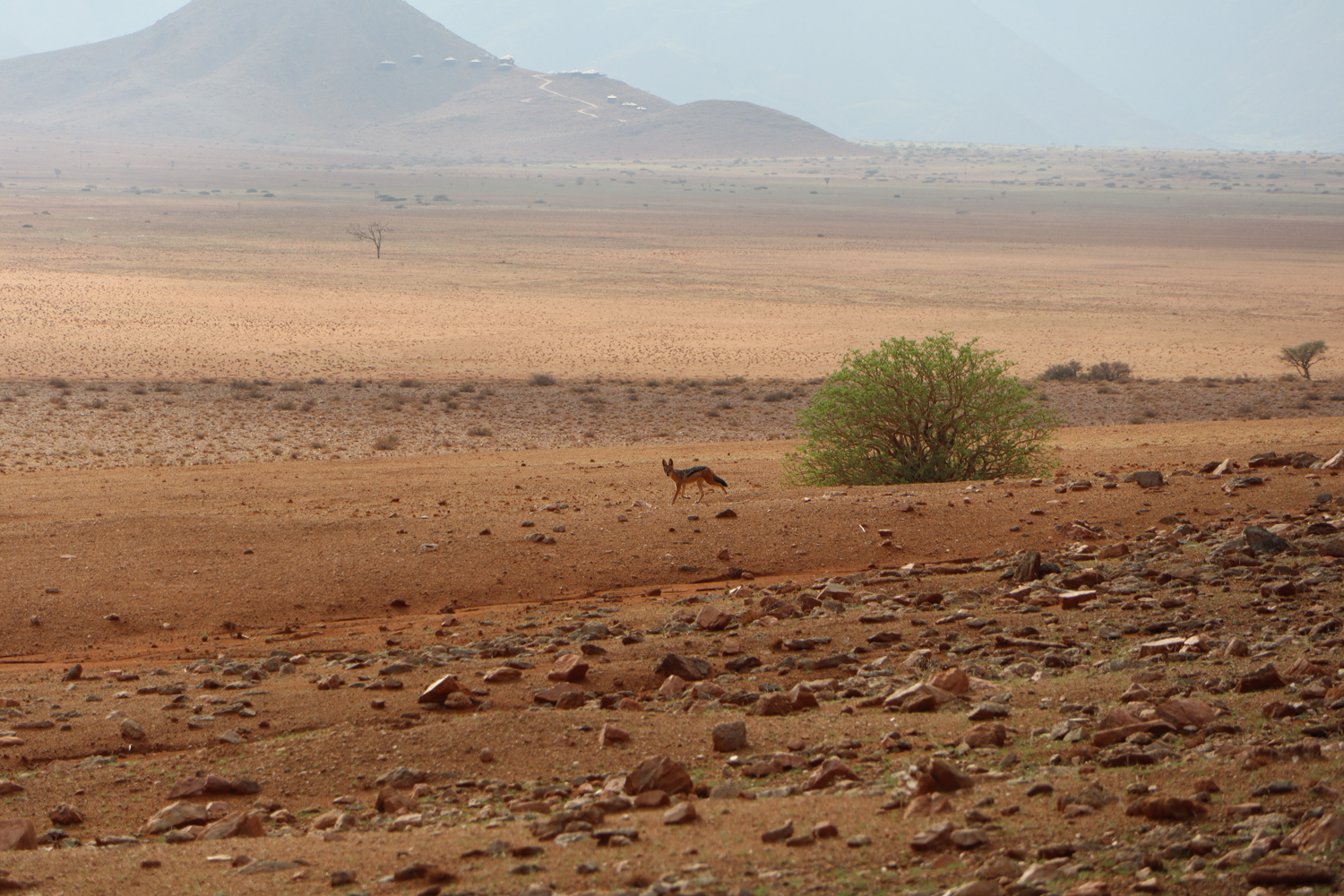
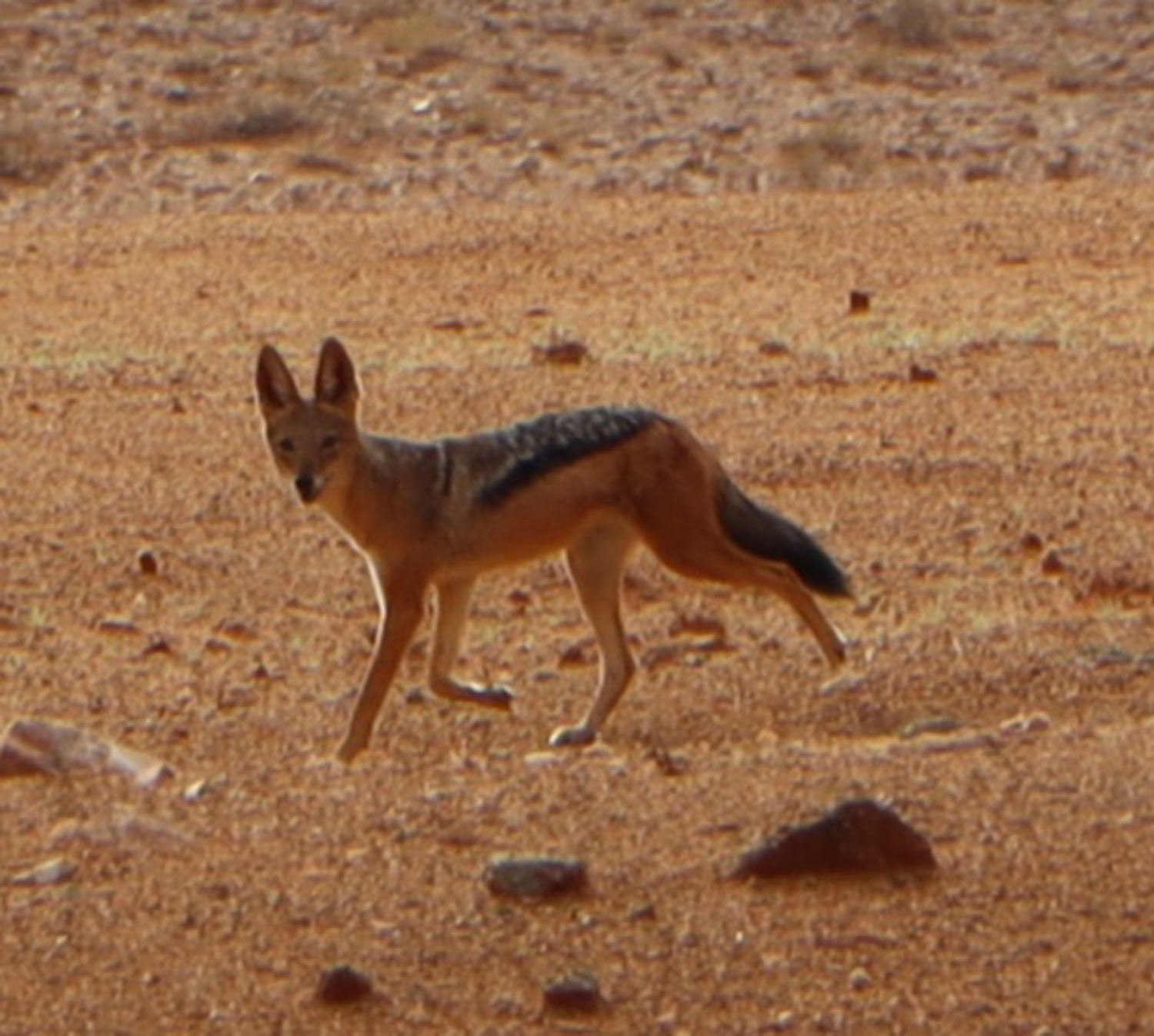
Small jackal
Near the lodge in Hardap.
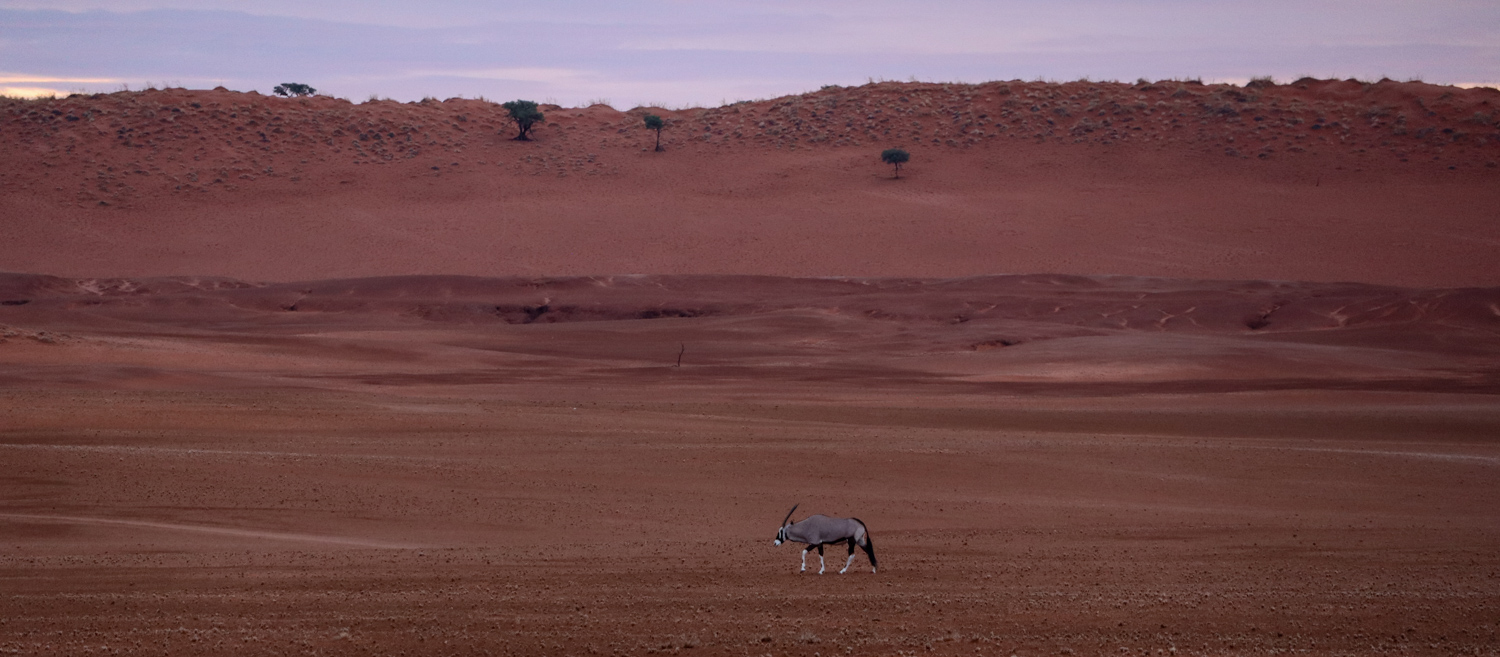
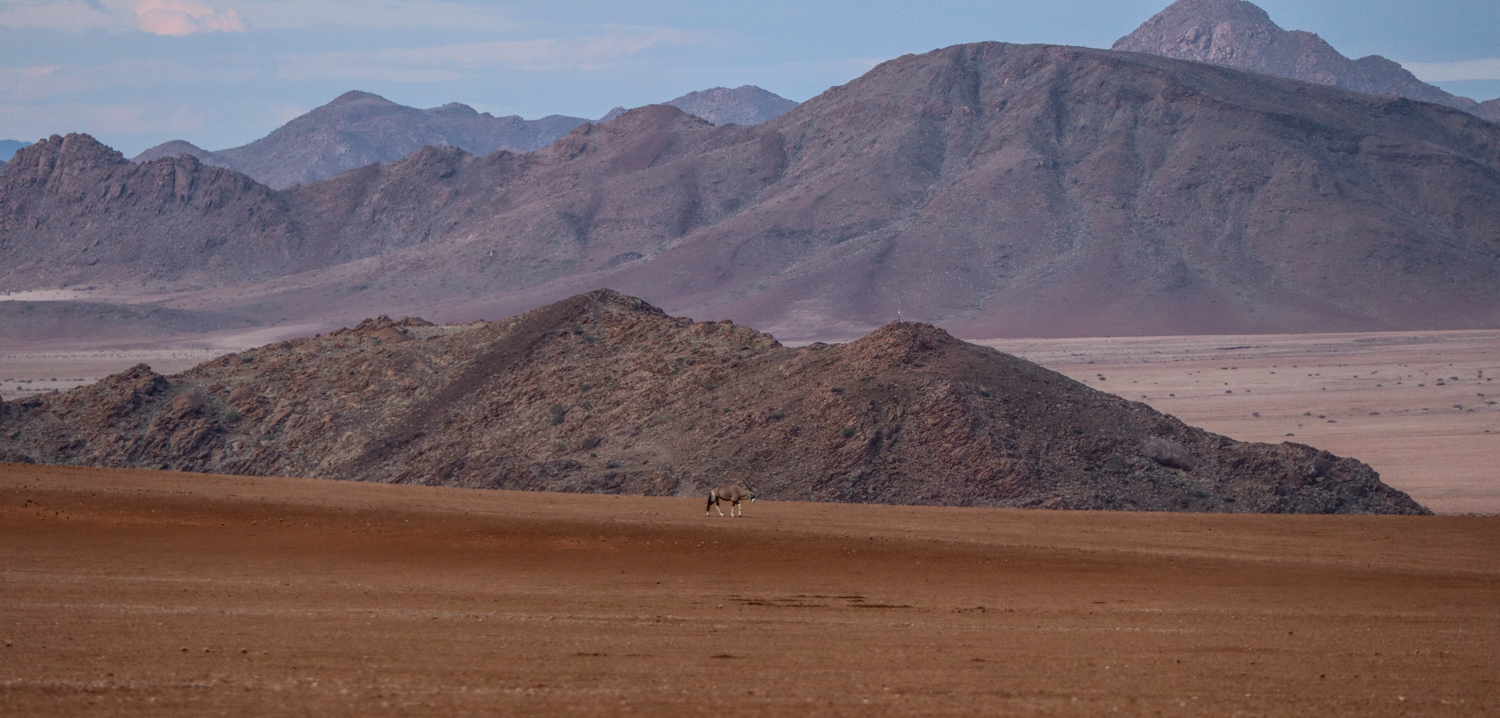
The oryxes
These antelopes are quite a spectacle, being all gray/white/black on a red sand.
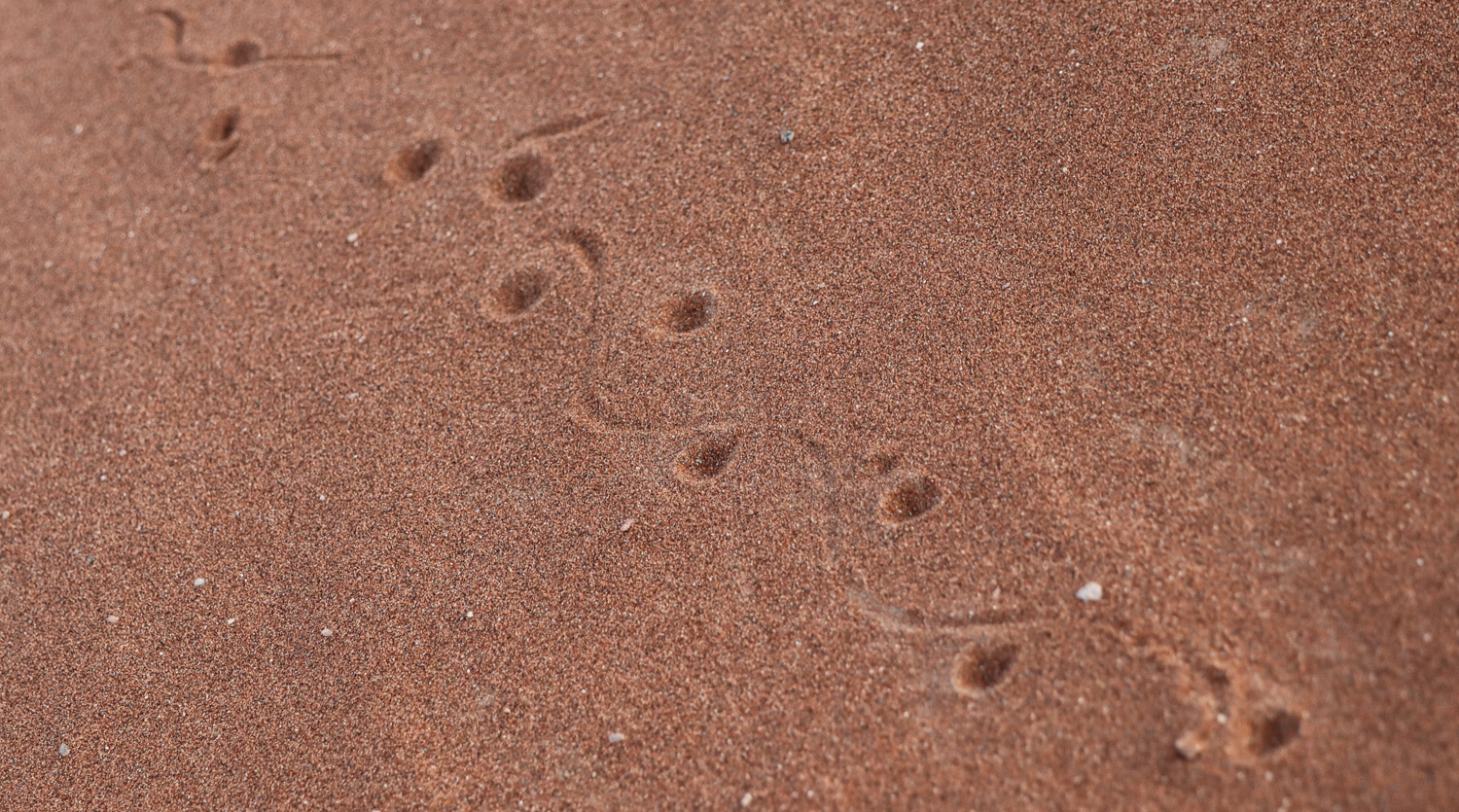
Lizard’s trail on the sand
In Sossusvlei.
Termites
Some fluffy Acarina arthropode
And a scarab beetle
Without a doubt, this is one of my all time favorite filmed videos. When I noticed the dung moving, and small scarab peeking from underneath, I instantly slammed myself on the ground with the phone right next to it. As I assumed it will not be disturbed by the device, hoping it will be courageous enough to continue on his excrement rolling journey, wherever the direction might be.
And there it was, coming out and working hard, making this old witch truly and honestly excited over a tiny creature rolling some random piece of desiccated feces across the world’s oldest desert.