Sossusvlei, Dune 45 and Big Daddy experience – visiting the core of the Namib desert
 Ivana
Ivana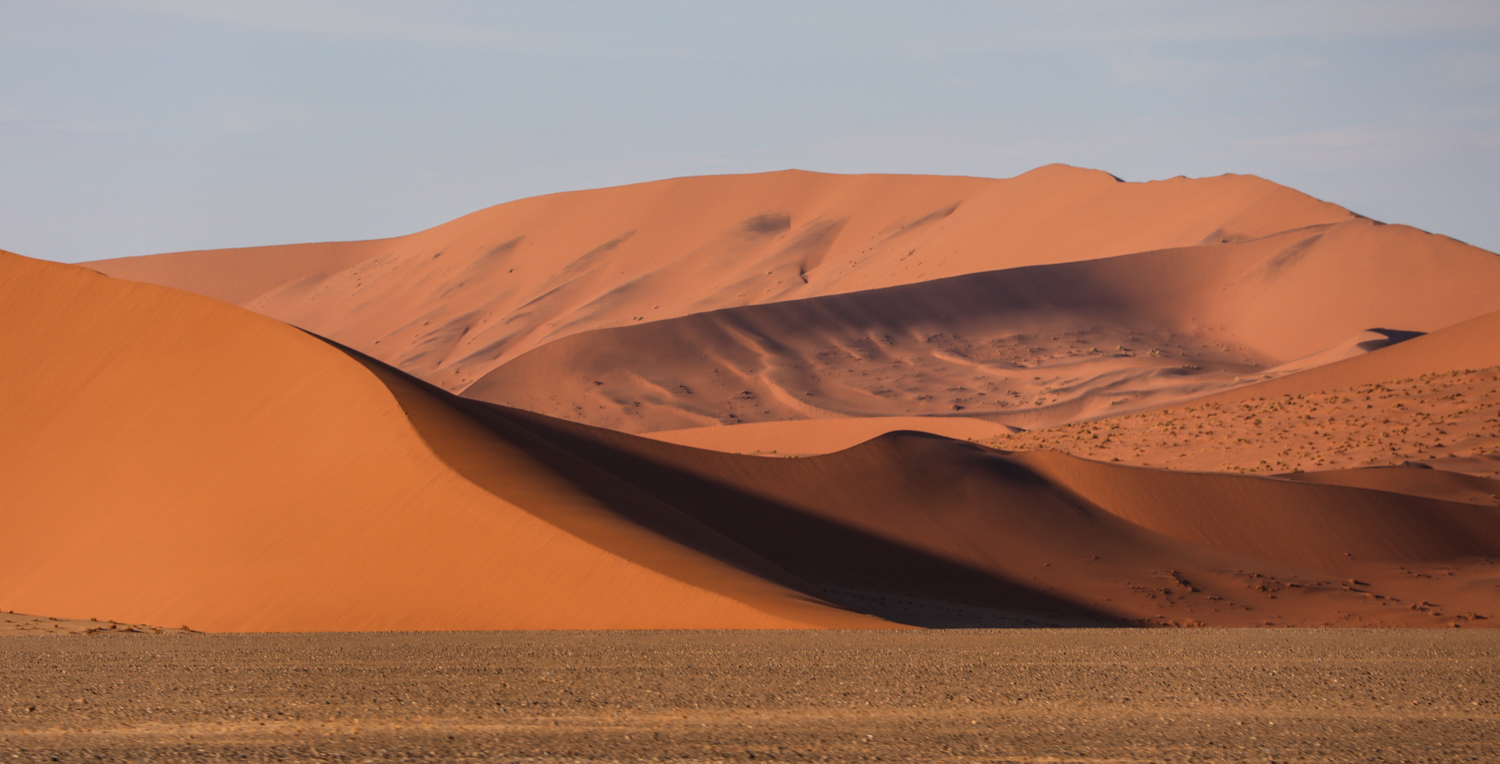
There are no words known to humanity which can be used to describe the magnificence of icebergs and sand dunes. Looking at the majestic shapes of such extreme almost alive entities really leaves you in awe. The day I visited Sossusvlei and had the opportunity to walk on its ground left me in absolute awe
Leaving the lodge
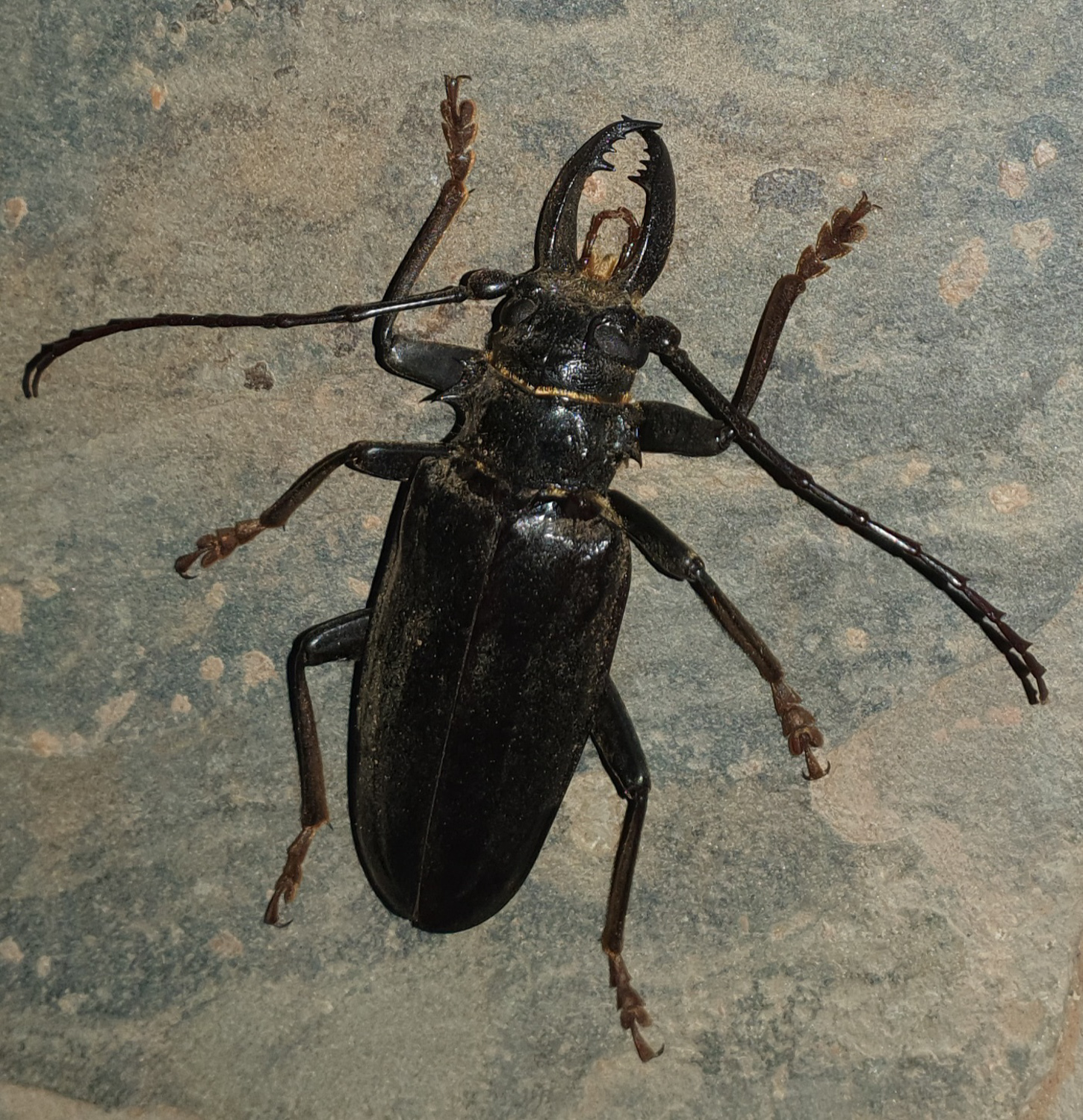
The day started at 4 AM. All I might be needing during the day is always prepared the night before and I only need to venture out. As I left the room, a large grasshopper which was resting on the lamp at the entrance smashed on my forehead and flew into the room. I adore large local entomo-fauna which do not exist on european ground and I could stare at it like there is no tomorrow (there will be a separate post with all the animals, tracks and trails that I have found in Namibia). An enormous and massive Coleopteran, measuring approx 13 cm, was laying on the ground, waiting to be adored as well. What a gorgeous specimen.
The lodge was surrounded with proper full darkness, disrupted by finely tuned lodge’s lights carefully placed on the ground. Very visually appealing and really thought out. It shows a true and proper intentionality which I always enjoy to see.
Our guide was extremely determined to deliver the presentation about Namib desert literally since we all shook hands. There were 10 of us, hyped to the max to see what the day would bring. His plan was for us to be the first ones at 6 AM when the gates of the dunes opened to the tourists.
Beyond the gates
The area is called Sossusvlei and it contains a large area of extremely well protected nature’s wonders. There are no places, literally, on the entire planet which look like this one, and luckily for Namibia – someone realized that and took time to develop the protocol for visiting it, because otherwise it would suffer greatly while being irreparably damaged.
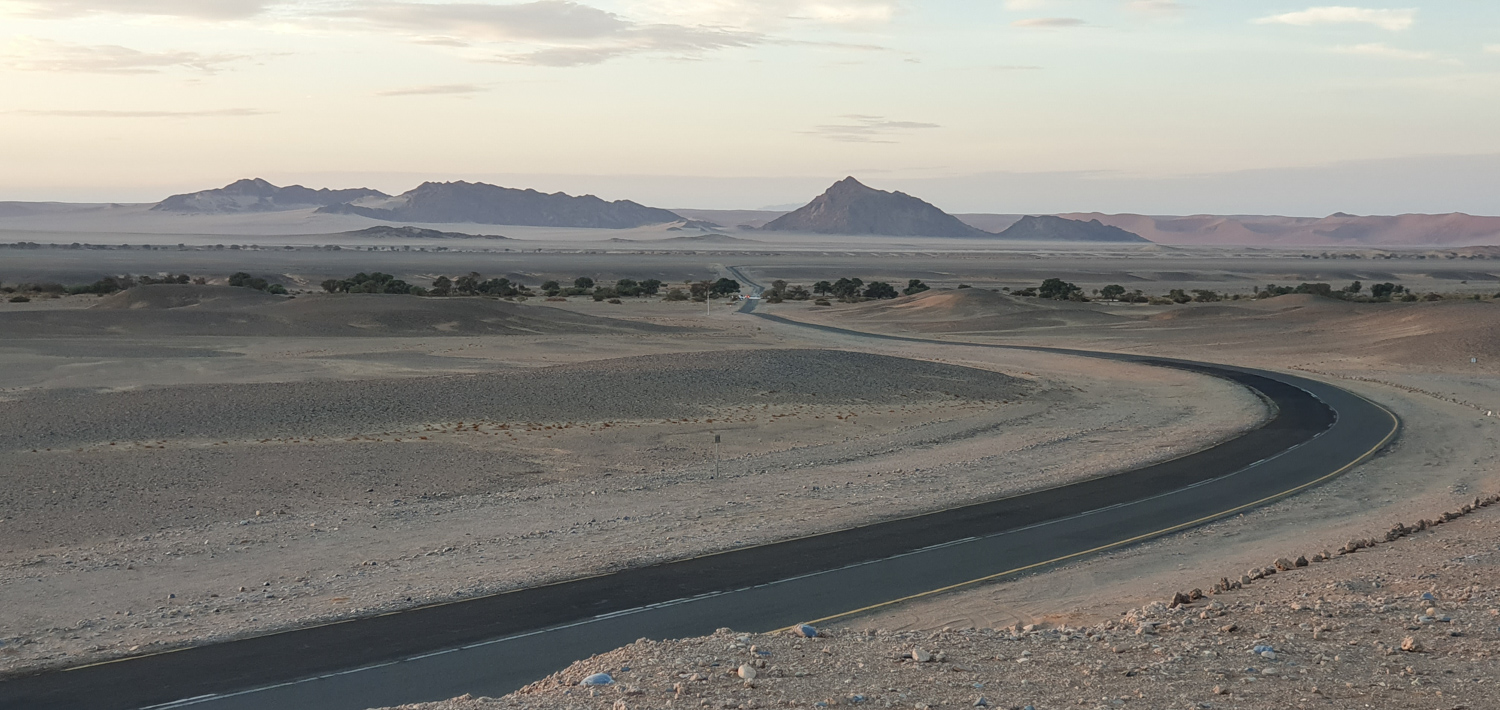
Beyond the opening hours no one can enter, overnight, walk/hike or even begin to think about vandalizing the Sossusvlei area. There is no anonymity while doing this. The rangers follow a strict protocol of registering everyone who would visit, and monetary penalties follow every single possible attempt to not follow the rules.
It is strictly forbidden to drive a motorcycle within this area. The drones cannot be used. Of course, the trash cannot be thrown around – this is just to name a few of them. I love such rules. It’s the only way to keep nature as close as possible to the original state, while still having people visiting such places, with curiosity and respect for the environment.
The flood
Soon after we passed the gates we were forced to stop on the bank of the Tsauchab river, and to wait for the flood to ease up, as we were supposed to cross the riverbed at this point. This made the entire day shift quite a lot; the schedule for hiking dunes was delayed. Its effect will be very noticeable later, on several occasions.
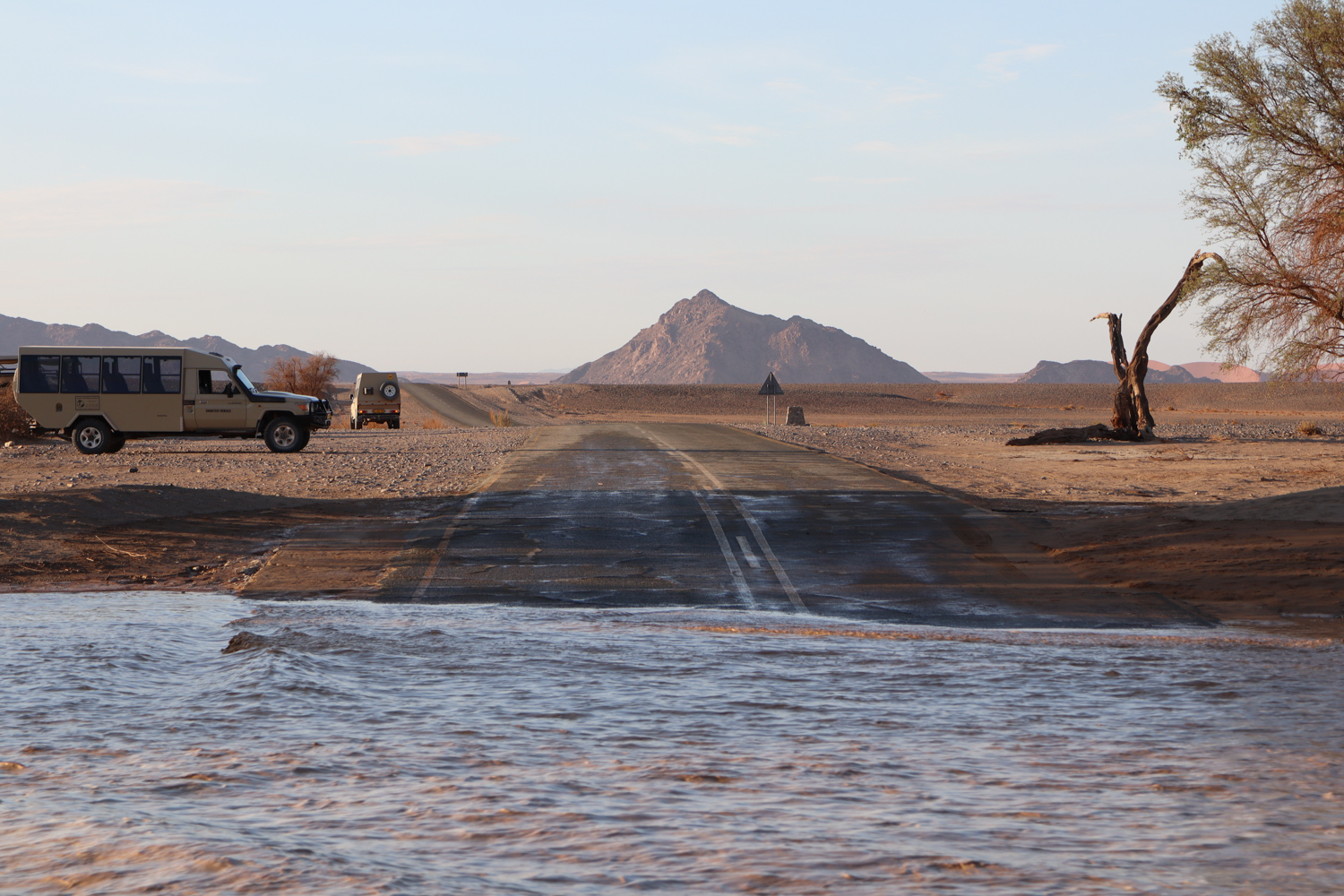
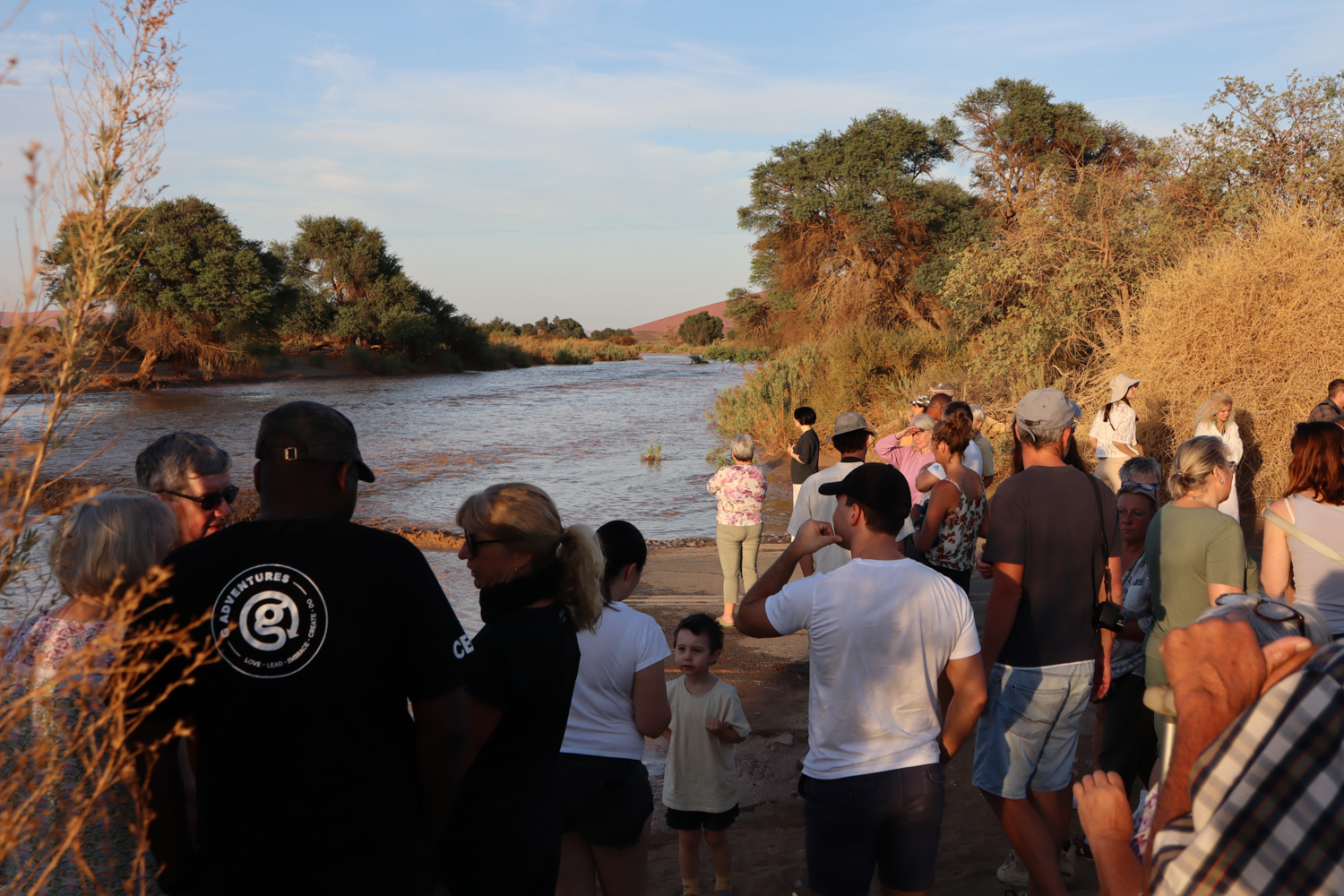
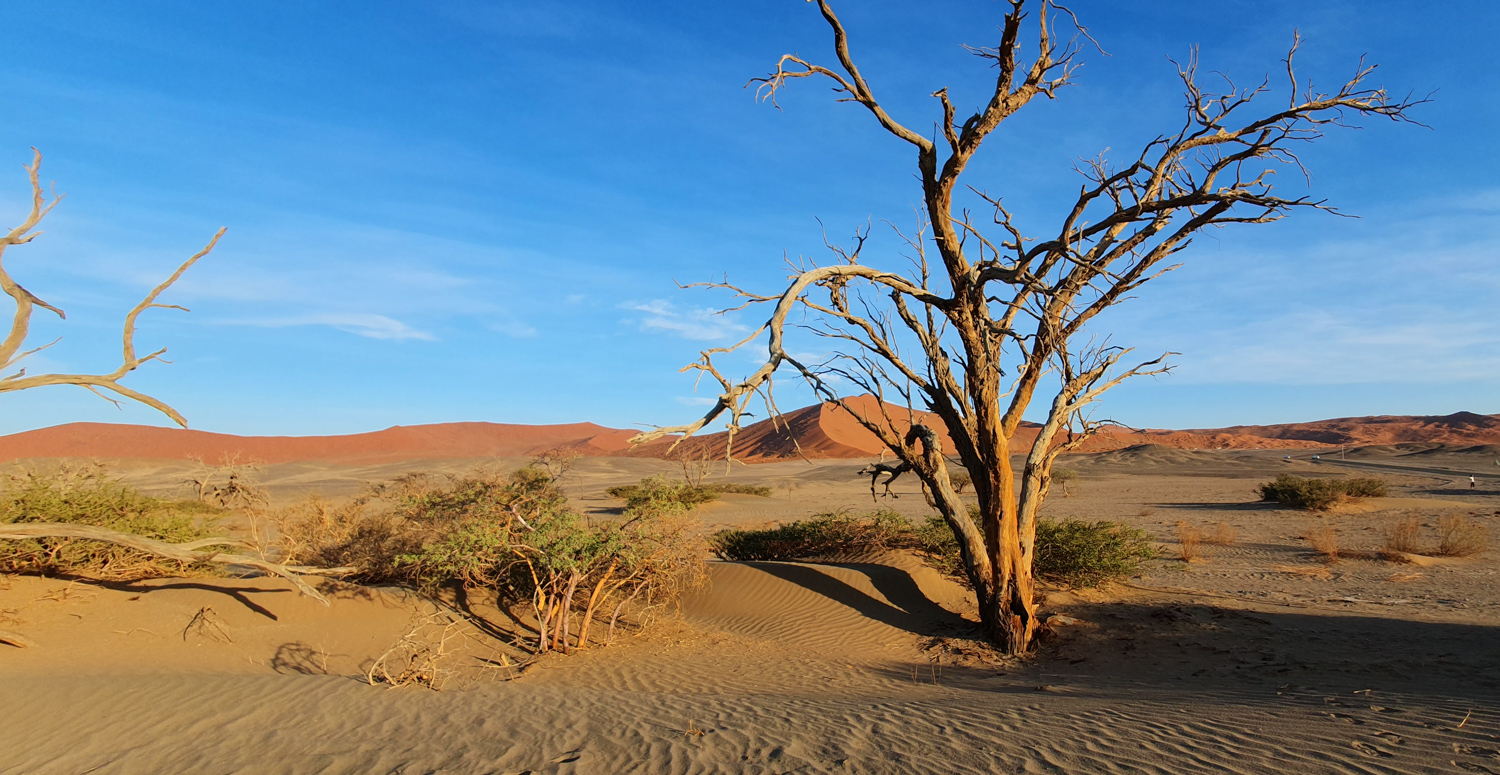
Instead of complaining, I decided to use the moment for taking photos of the area around me (excluding tens of cars, offroad vehicles and safari trucks, with hundreds of people swarming the area along the riverbank). Stunning AF.

The sand
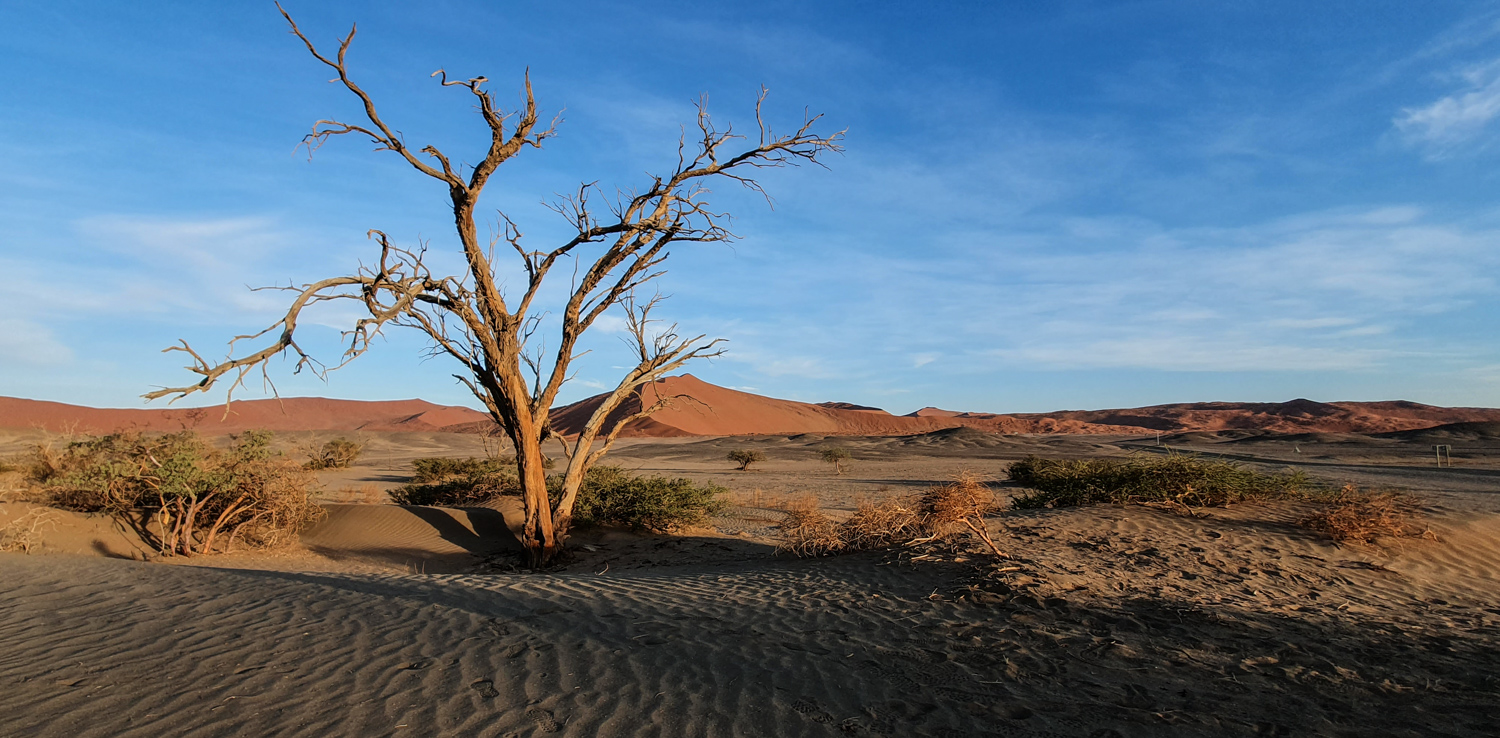
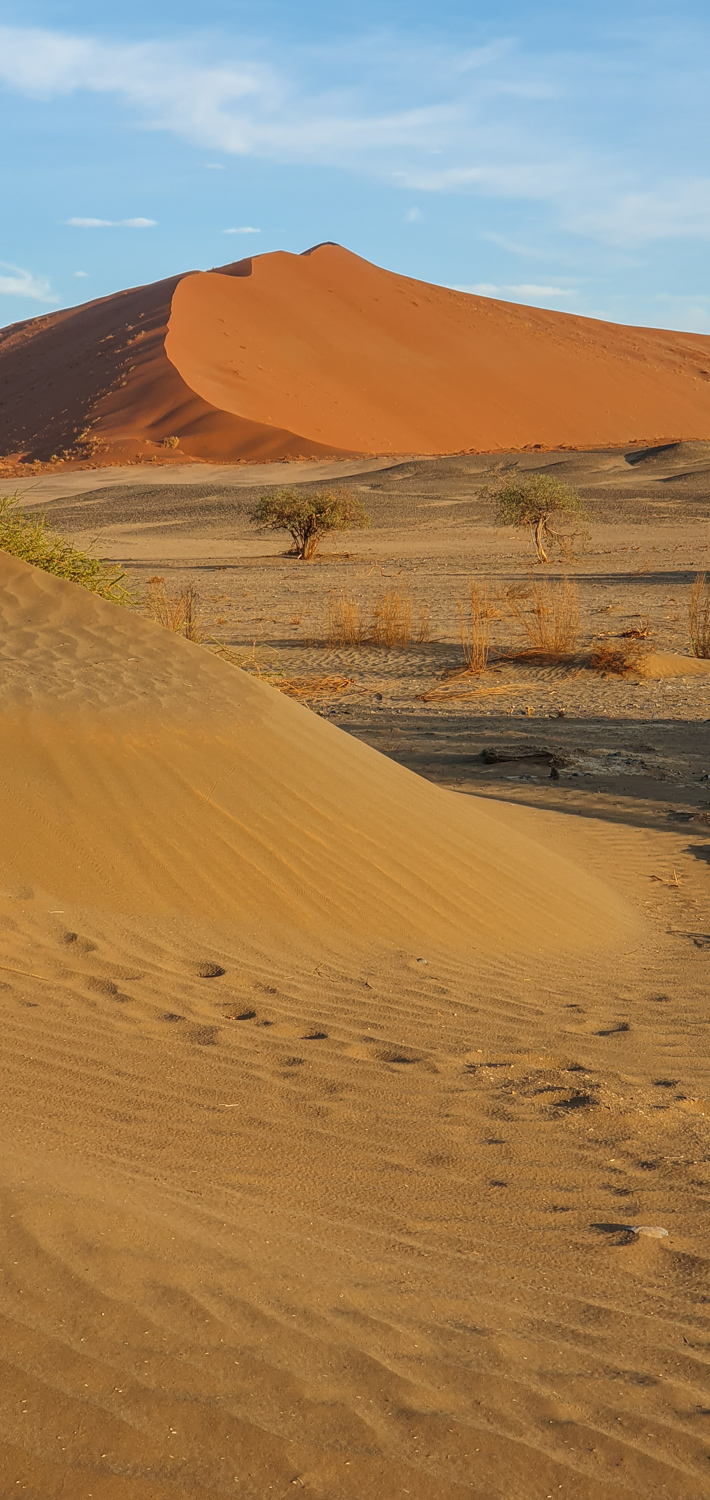
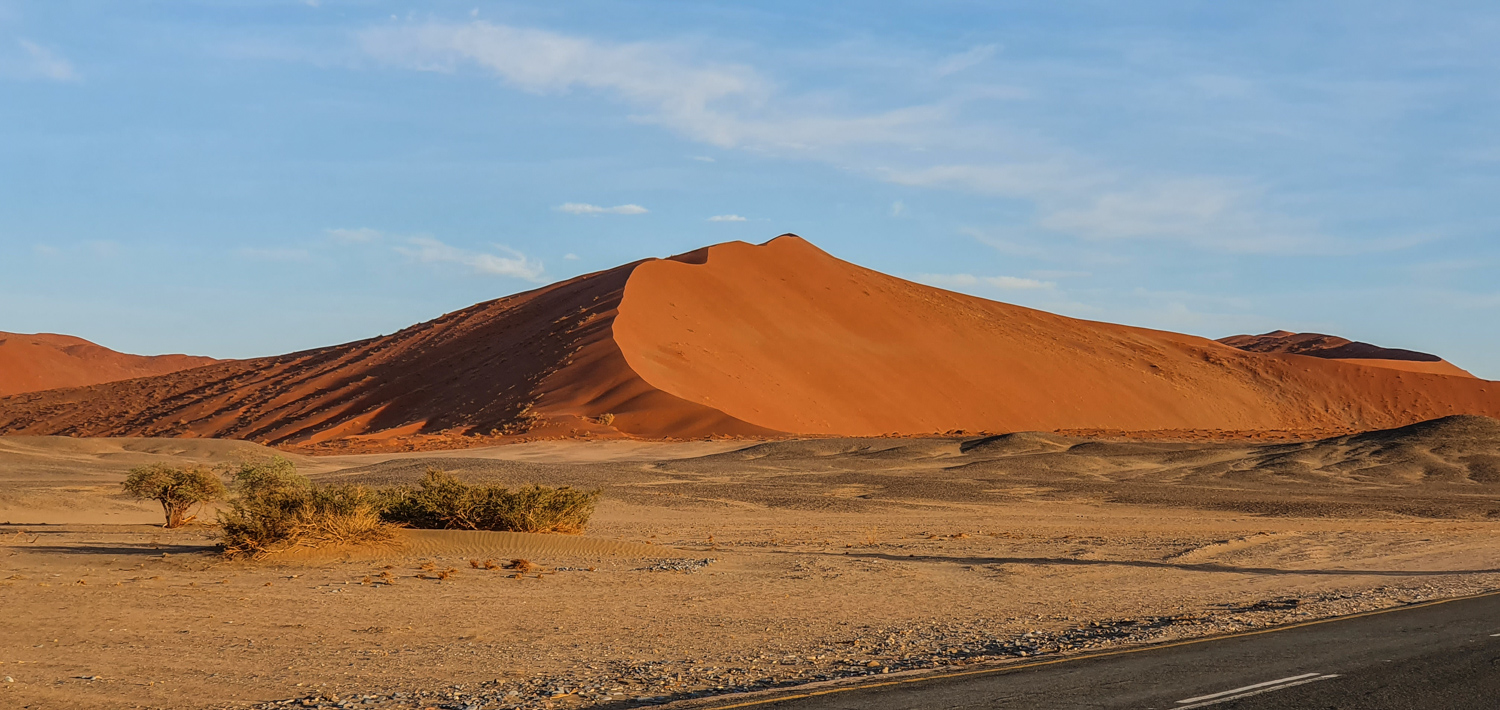
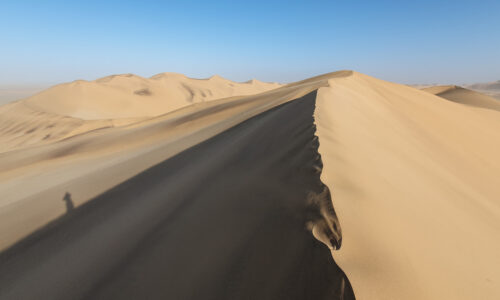
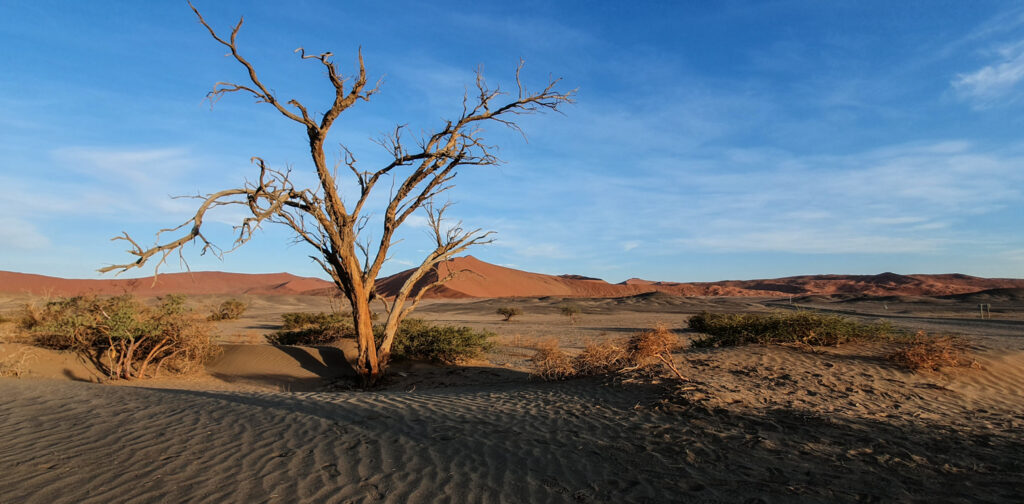
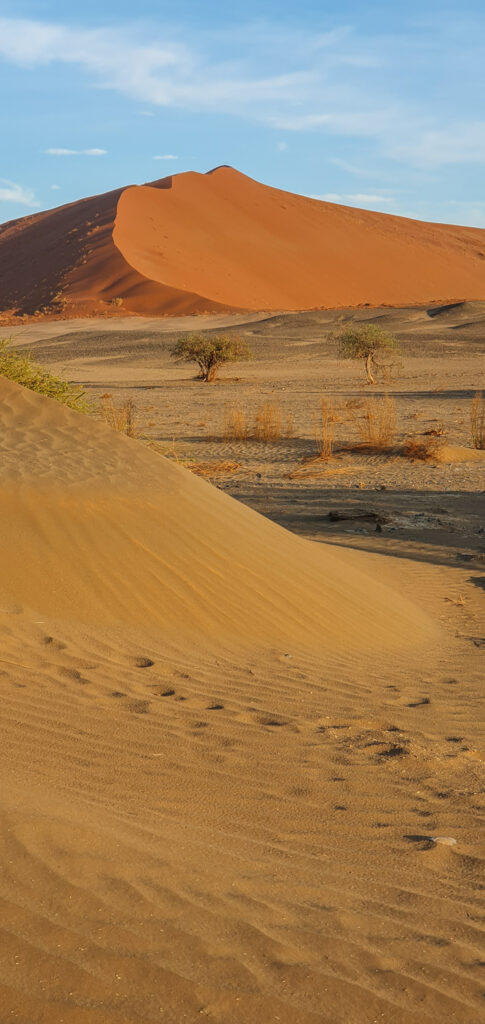
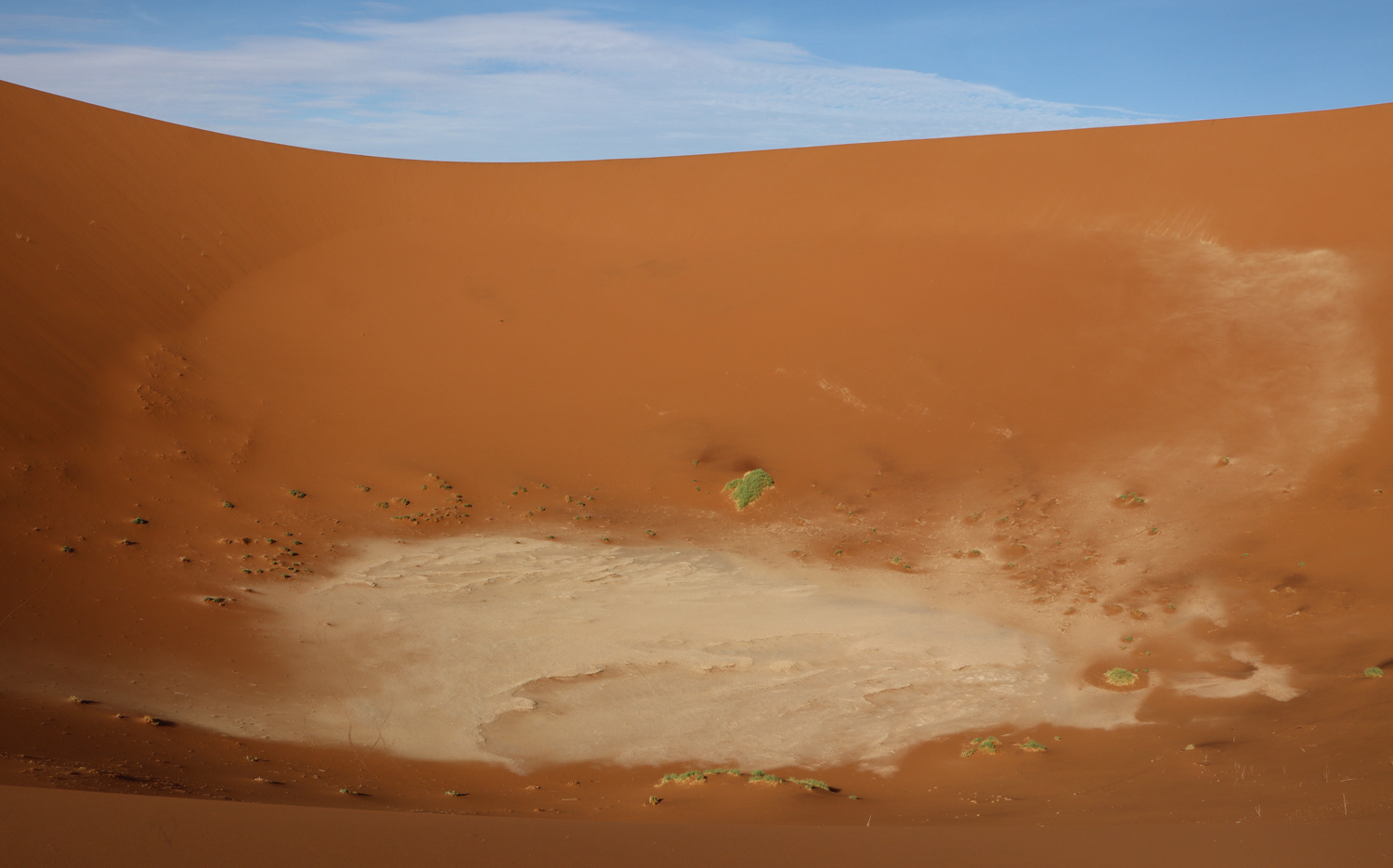
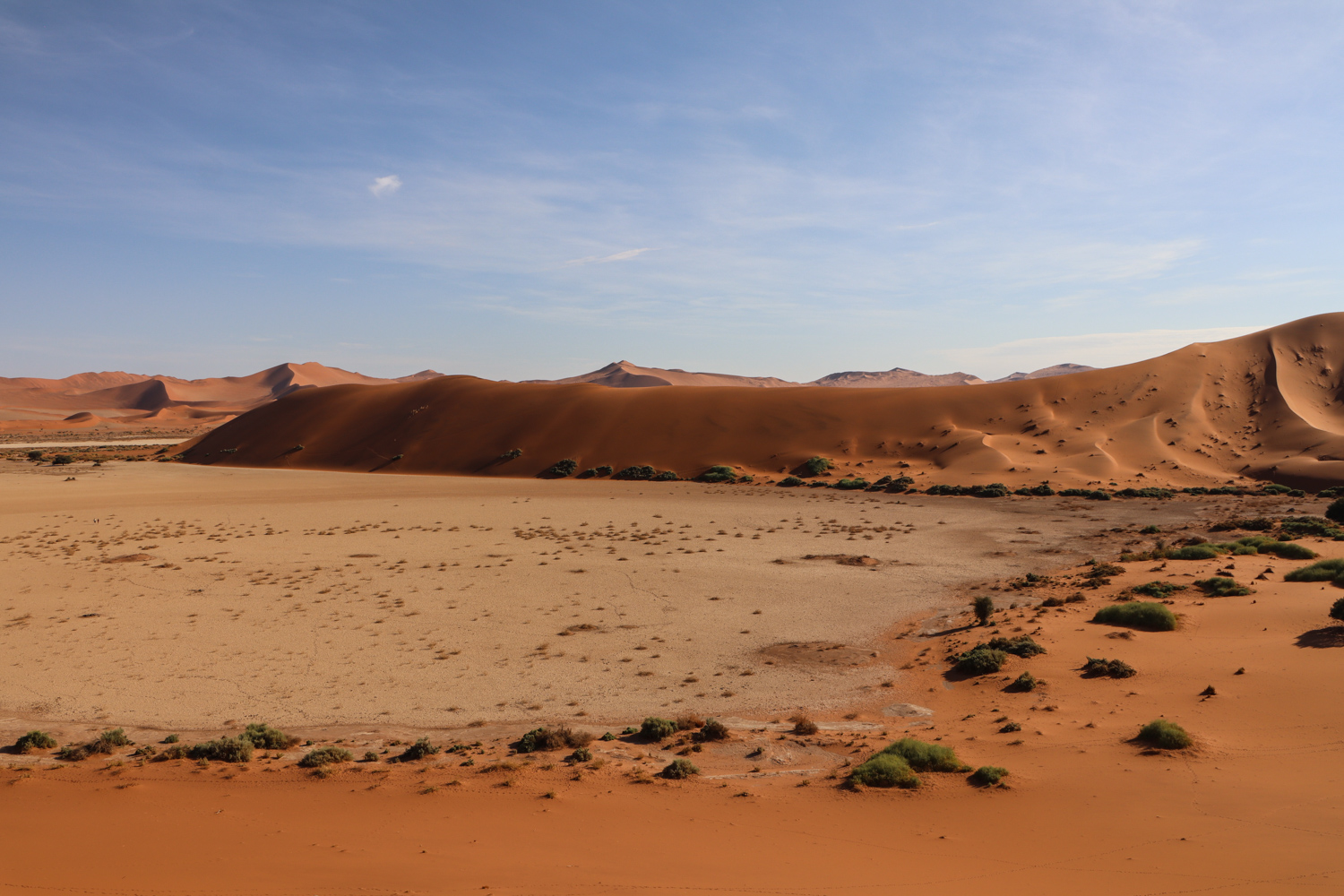
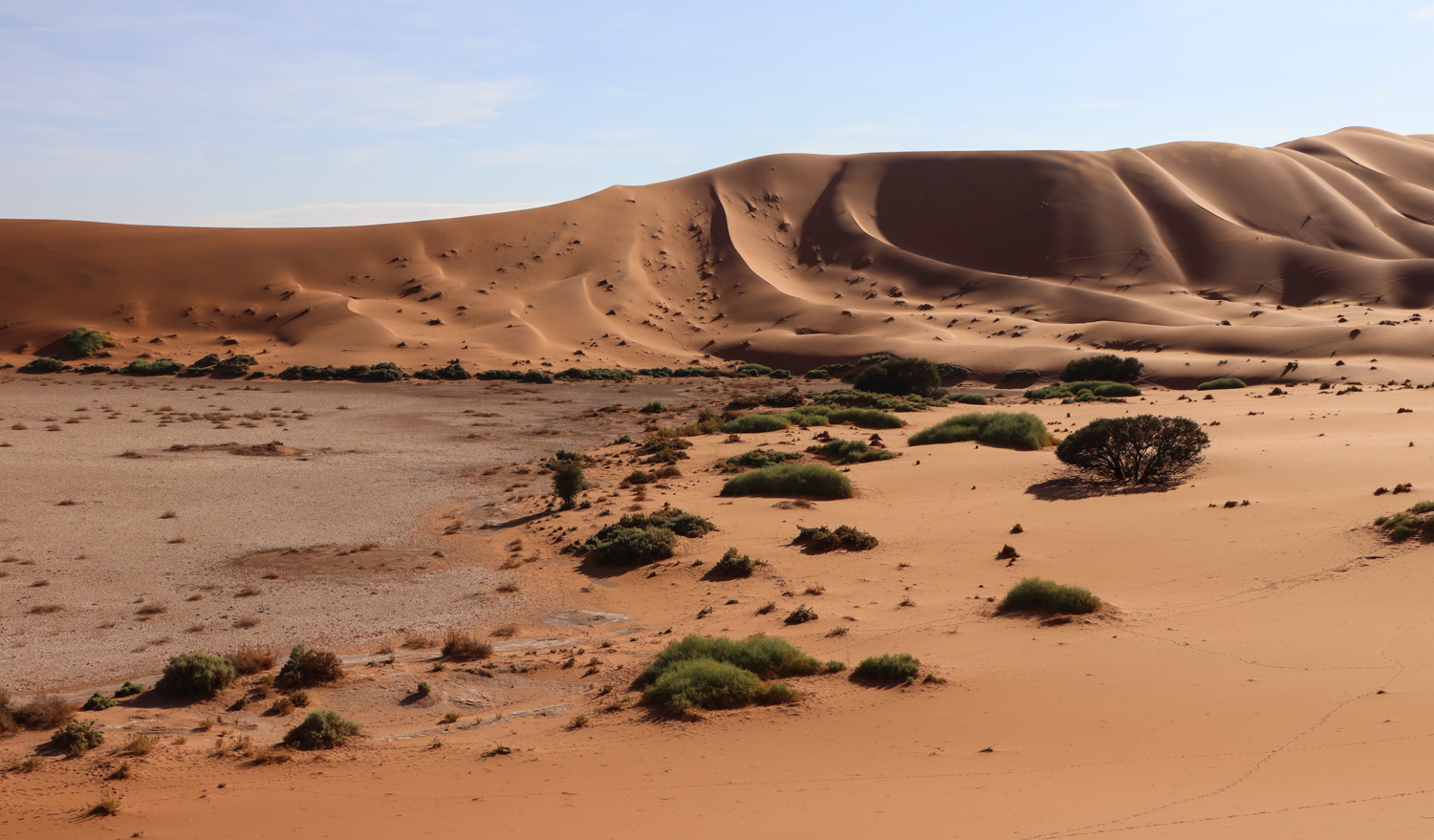
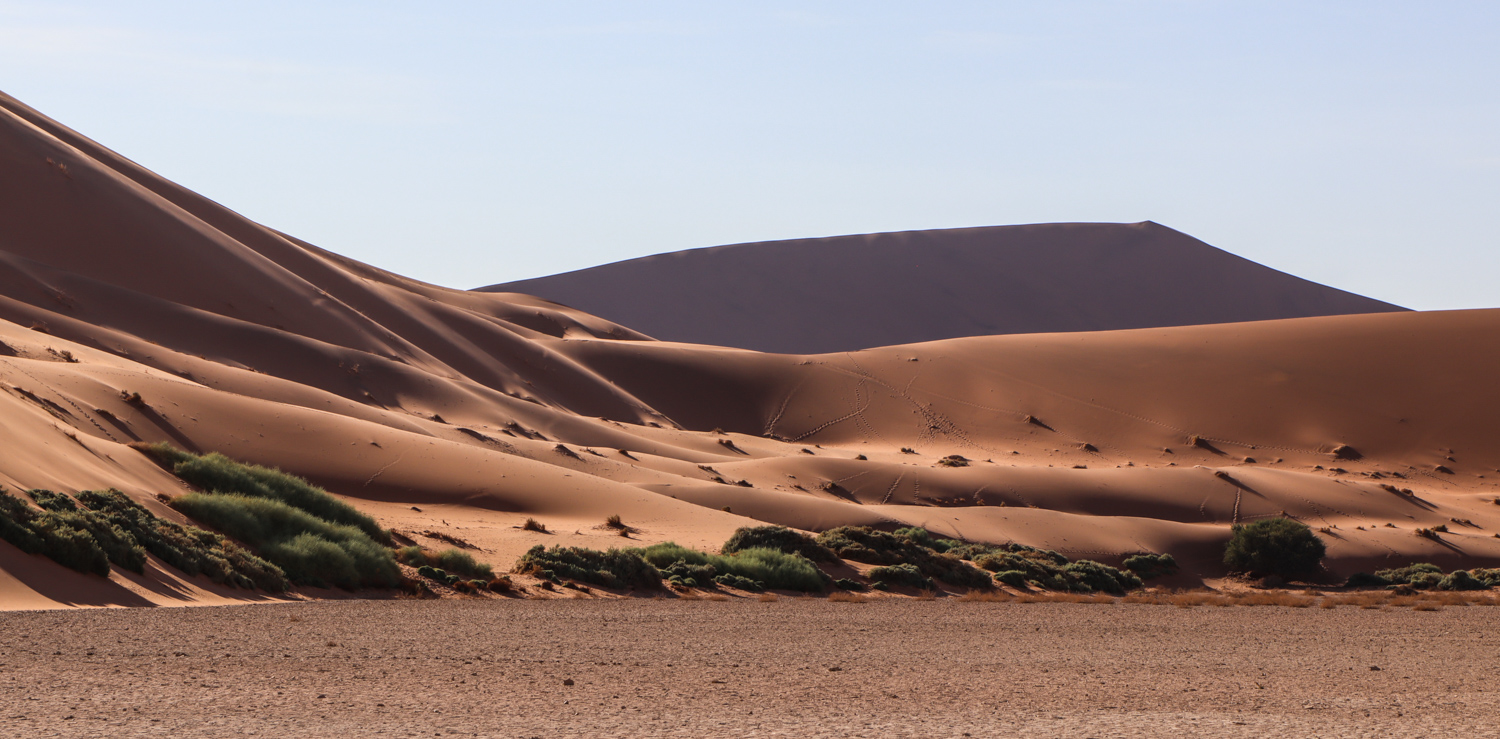
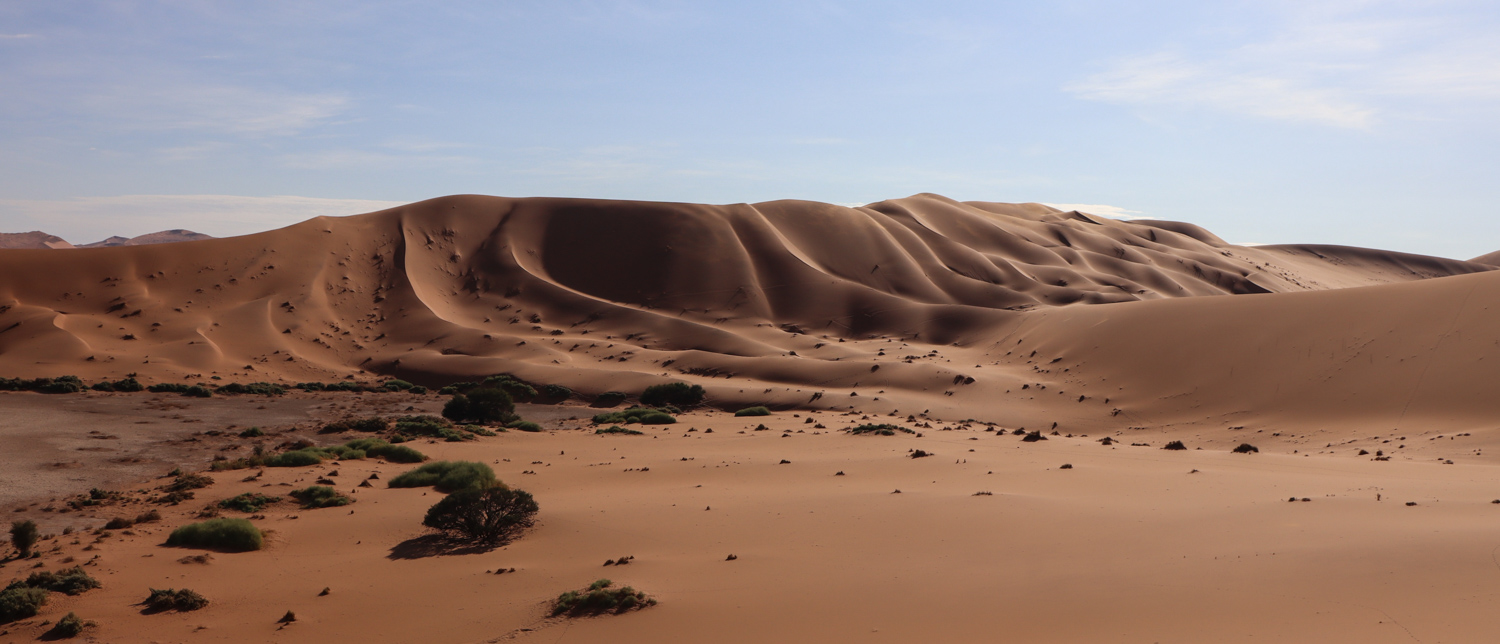
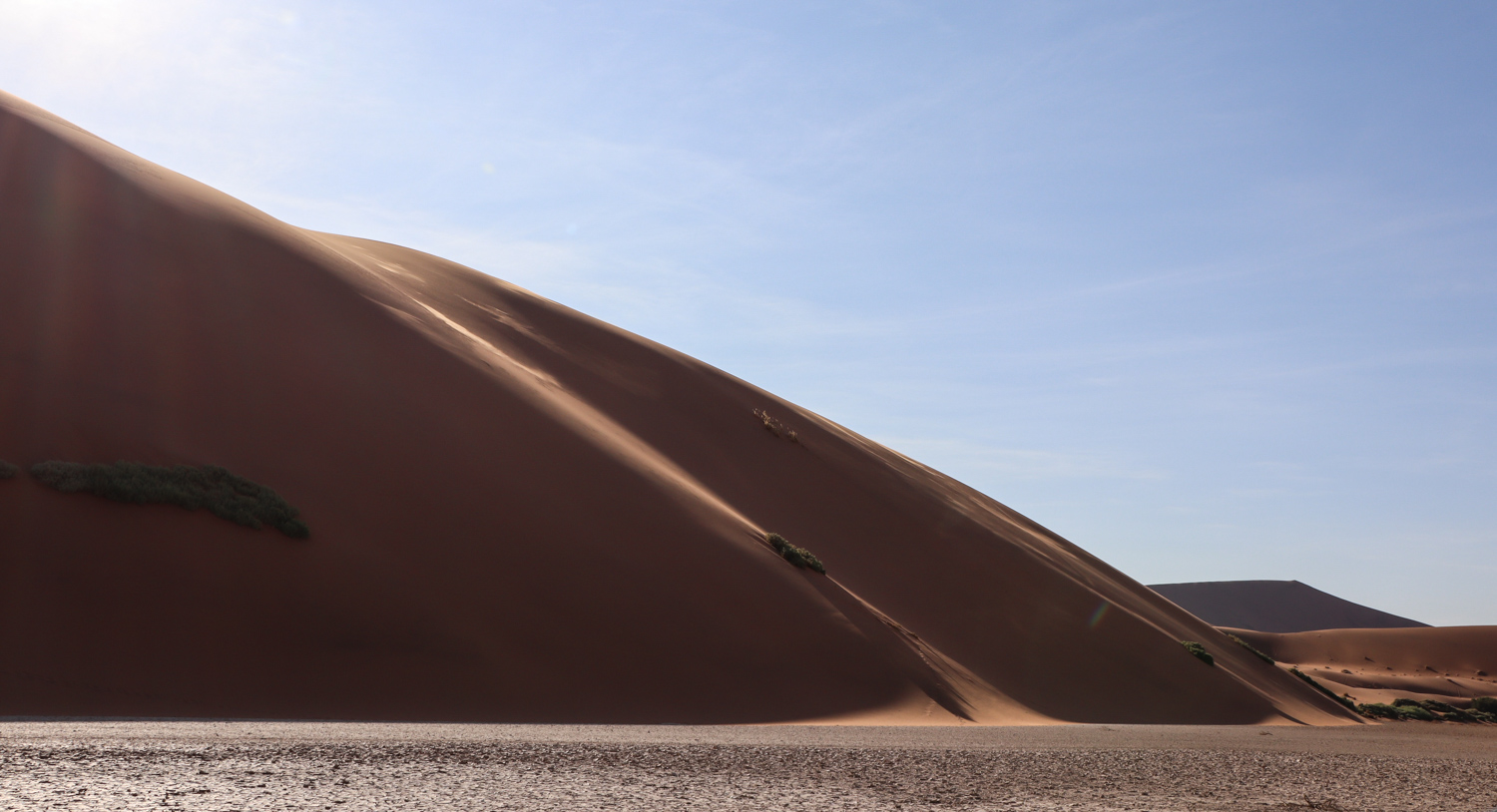
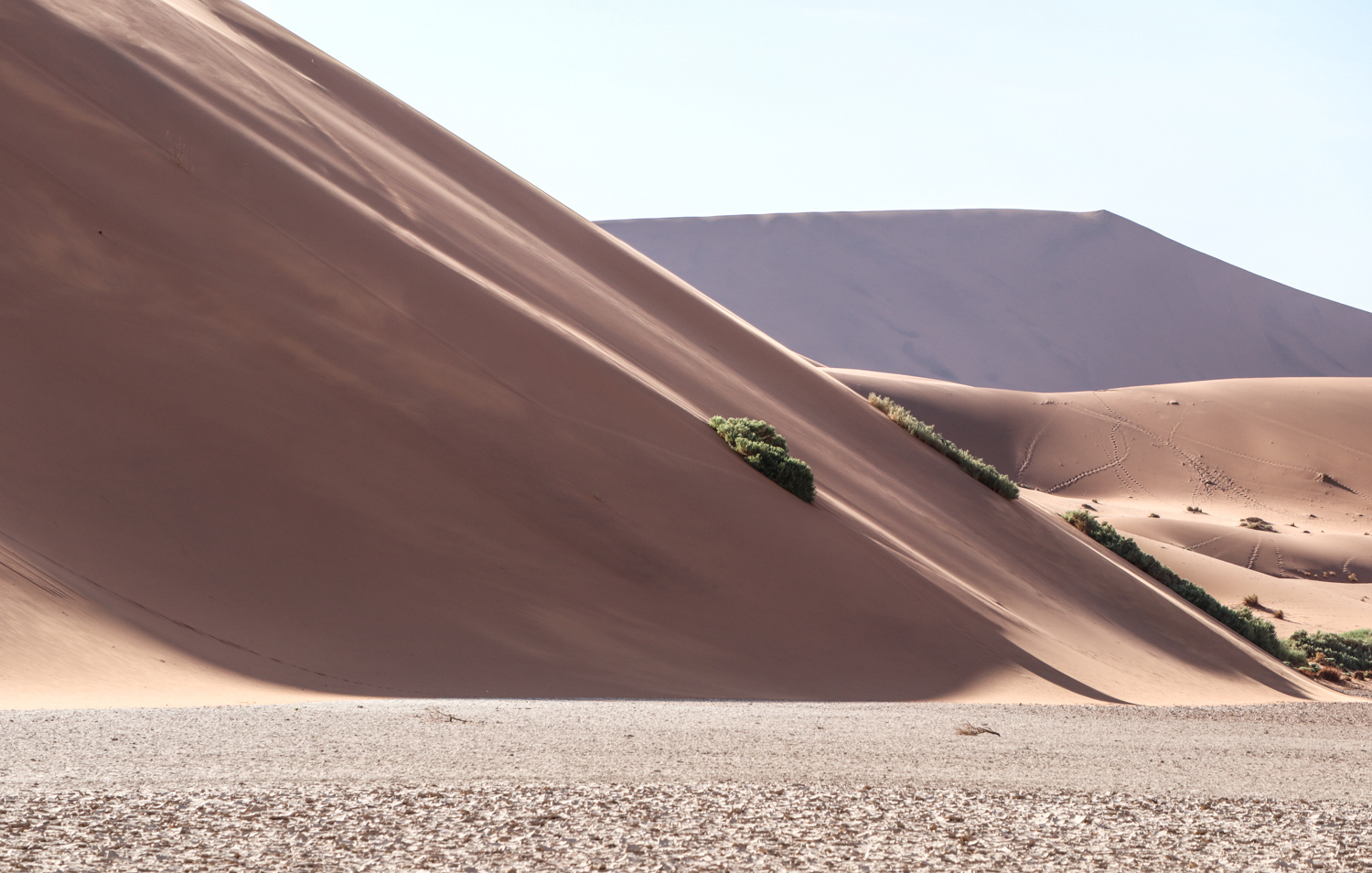
The Namib desert’s sand is incredibly beautiful to look at. It was a full blown feast for the eyes. The morning light illuminates it and gives it a beautiful deep shade of red, which combined from the morning shadows on one of the sides of the dunes gives a true visual spectacle. As we drove and the angle changed, the scenery would shift significantly. There are no bad shots. And it’s very hard to pick out even tens of photos which need to end up here.
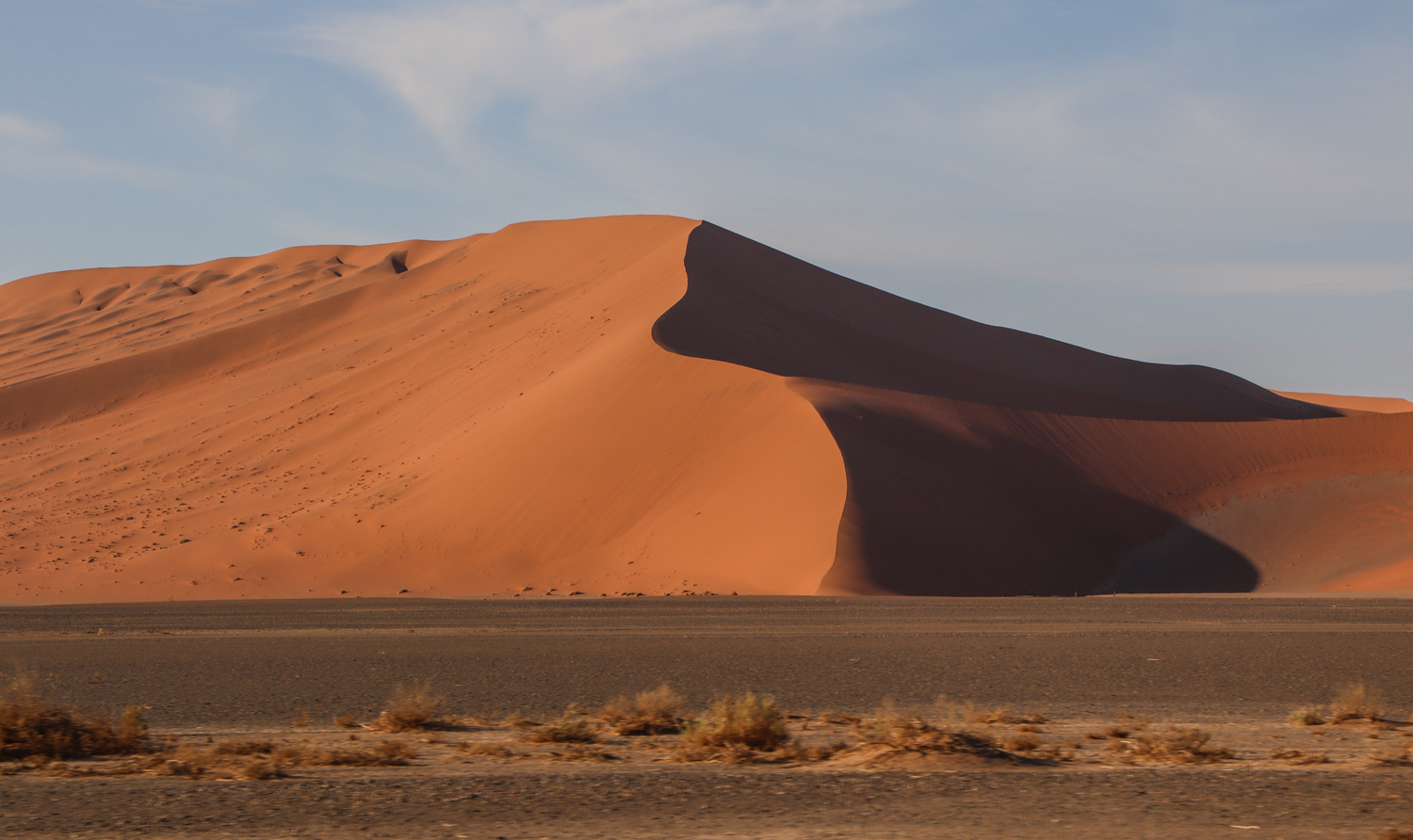
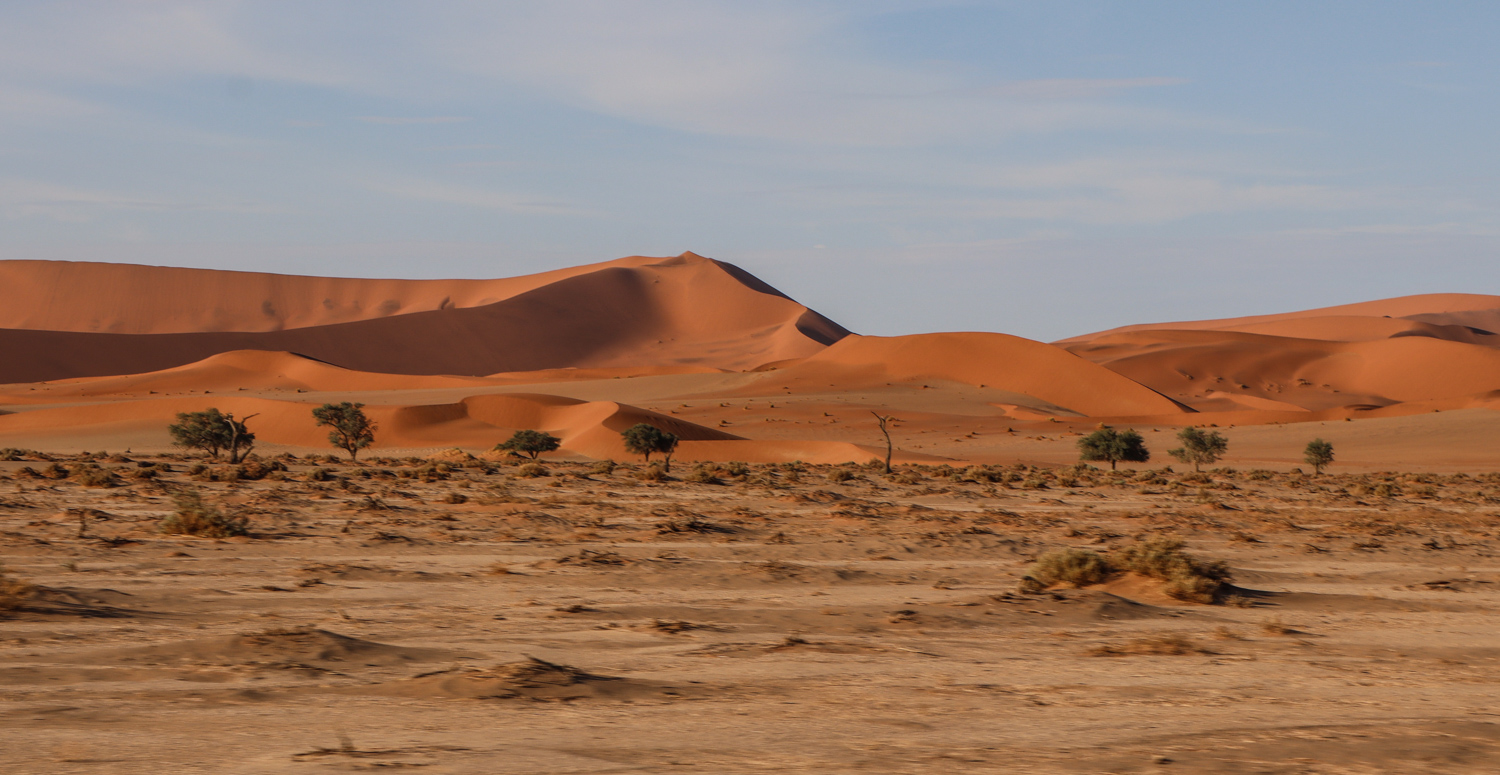
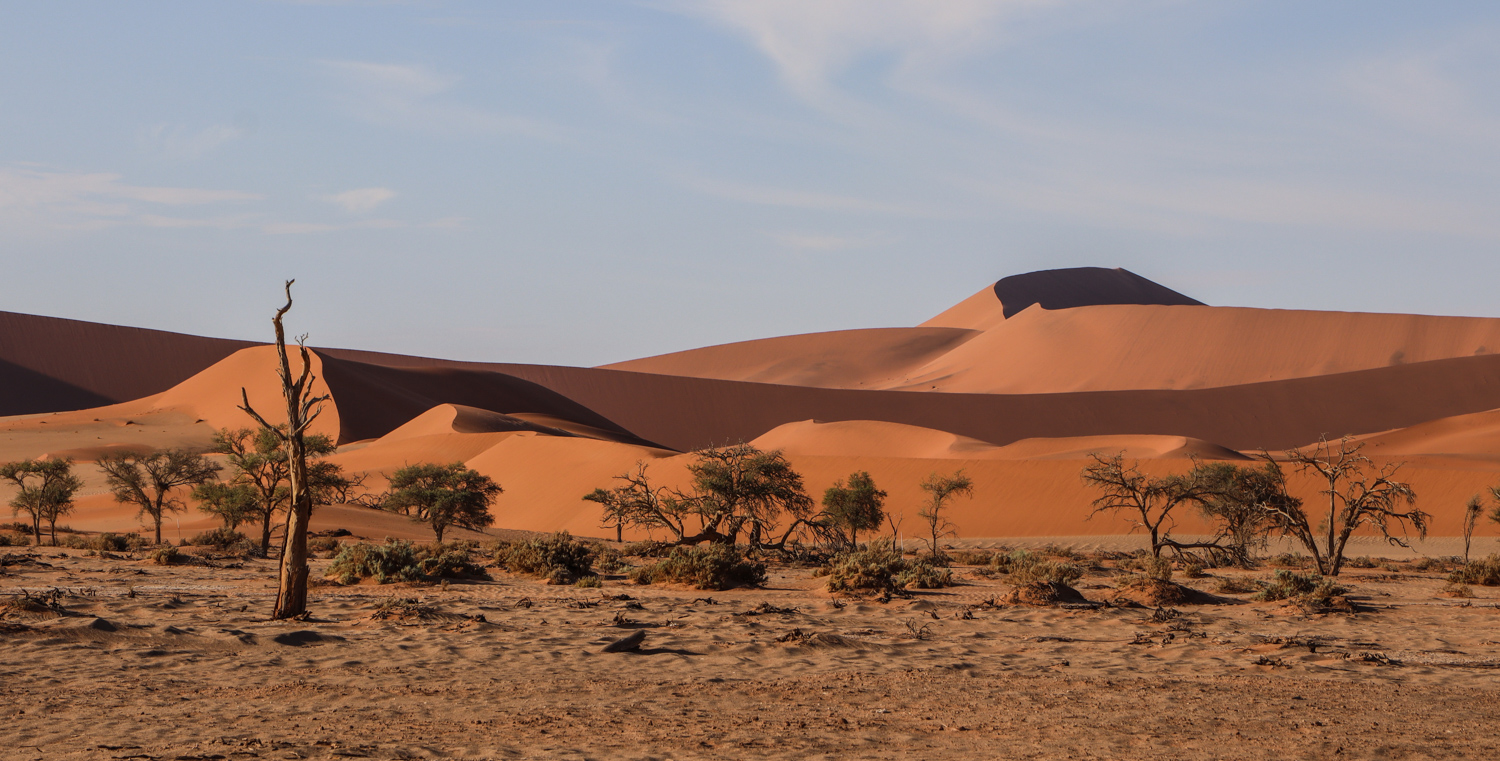
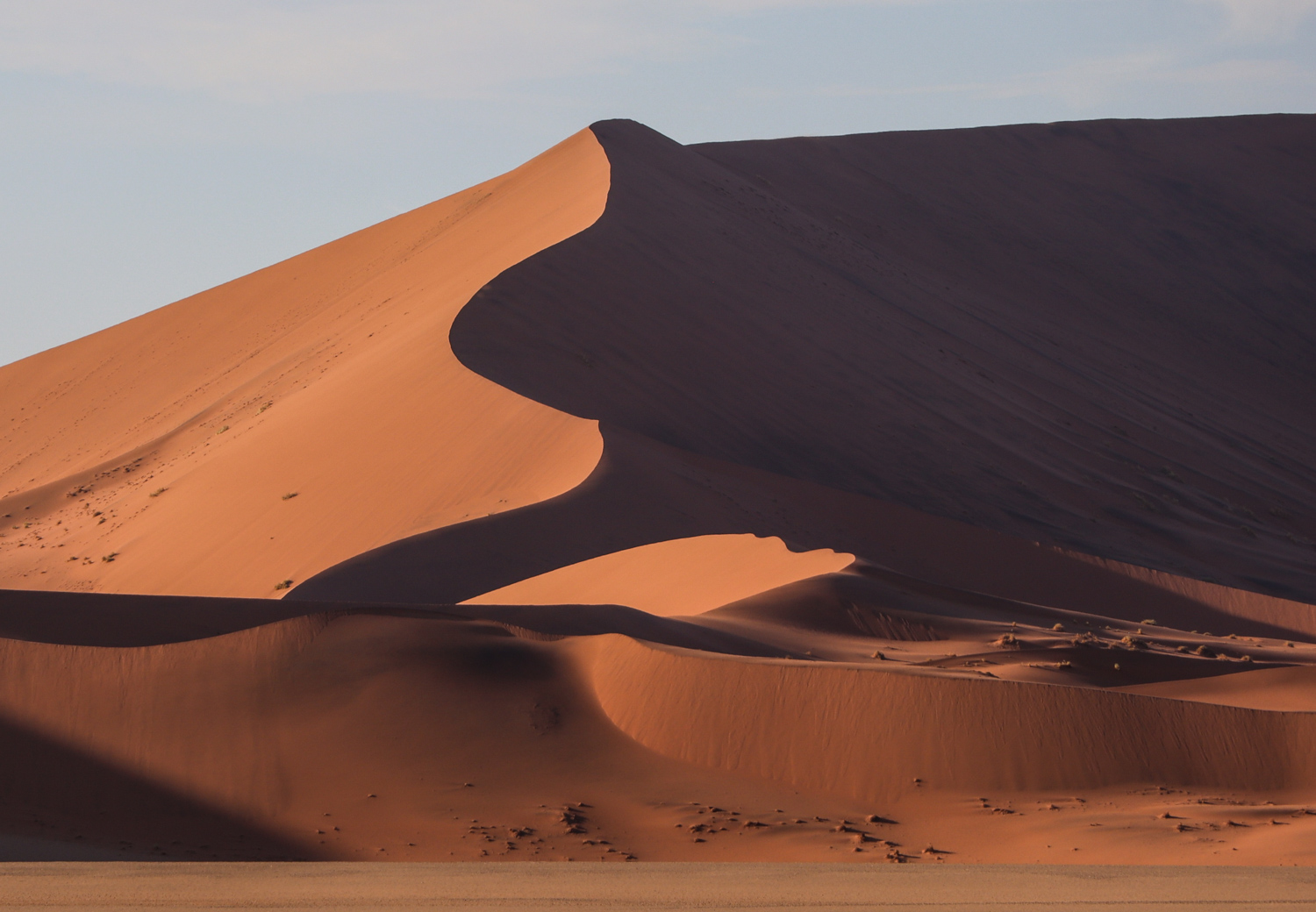
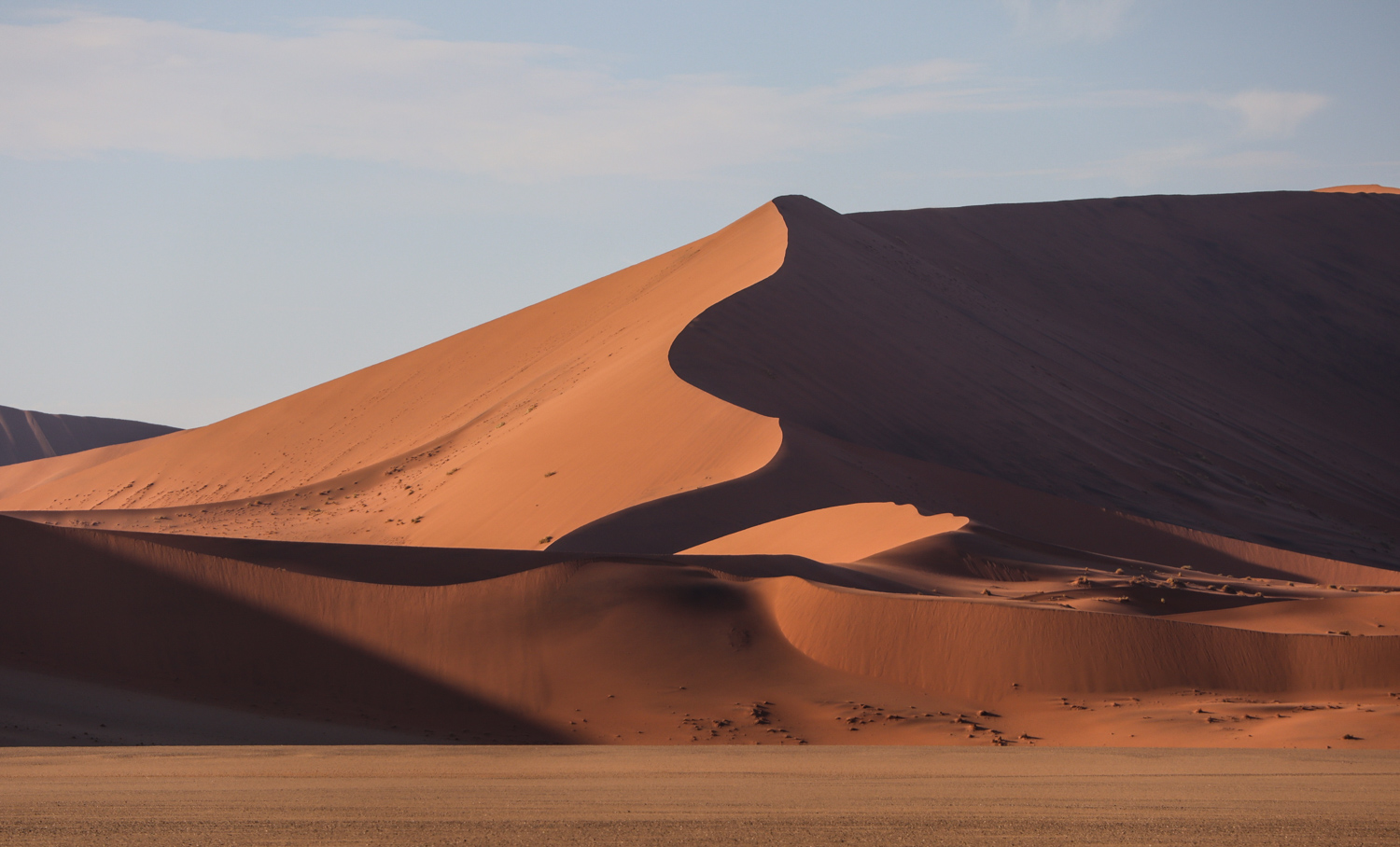
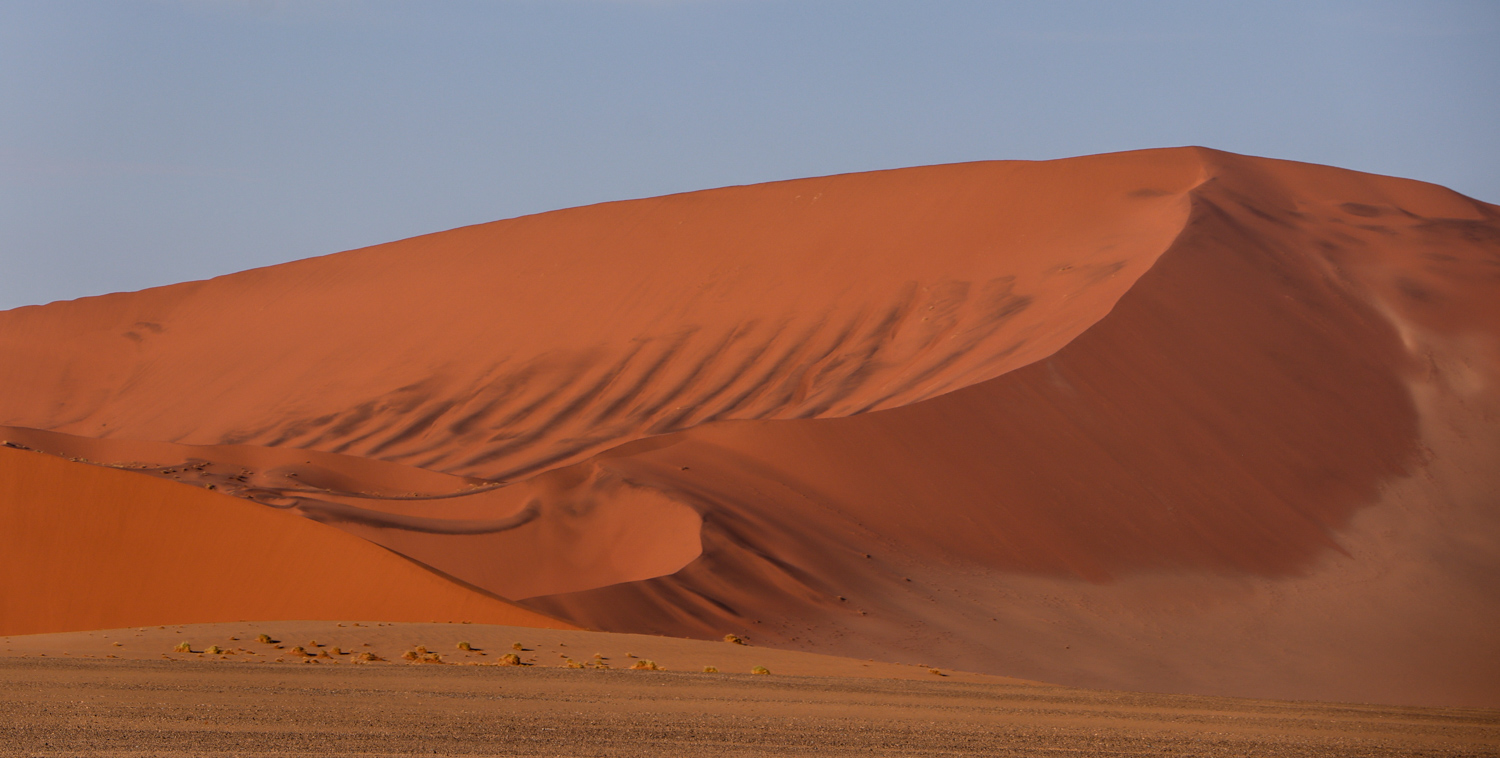
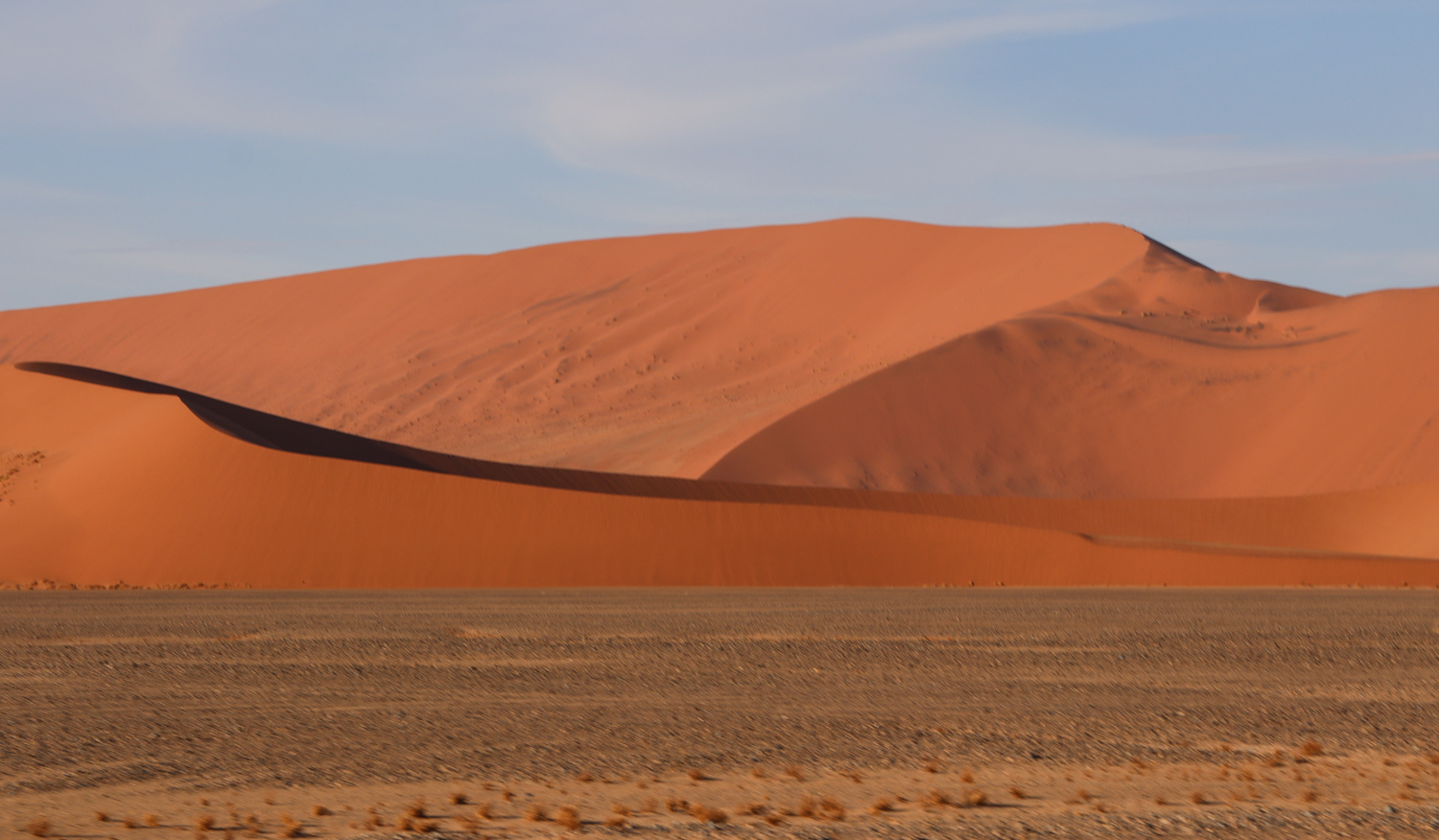
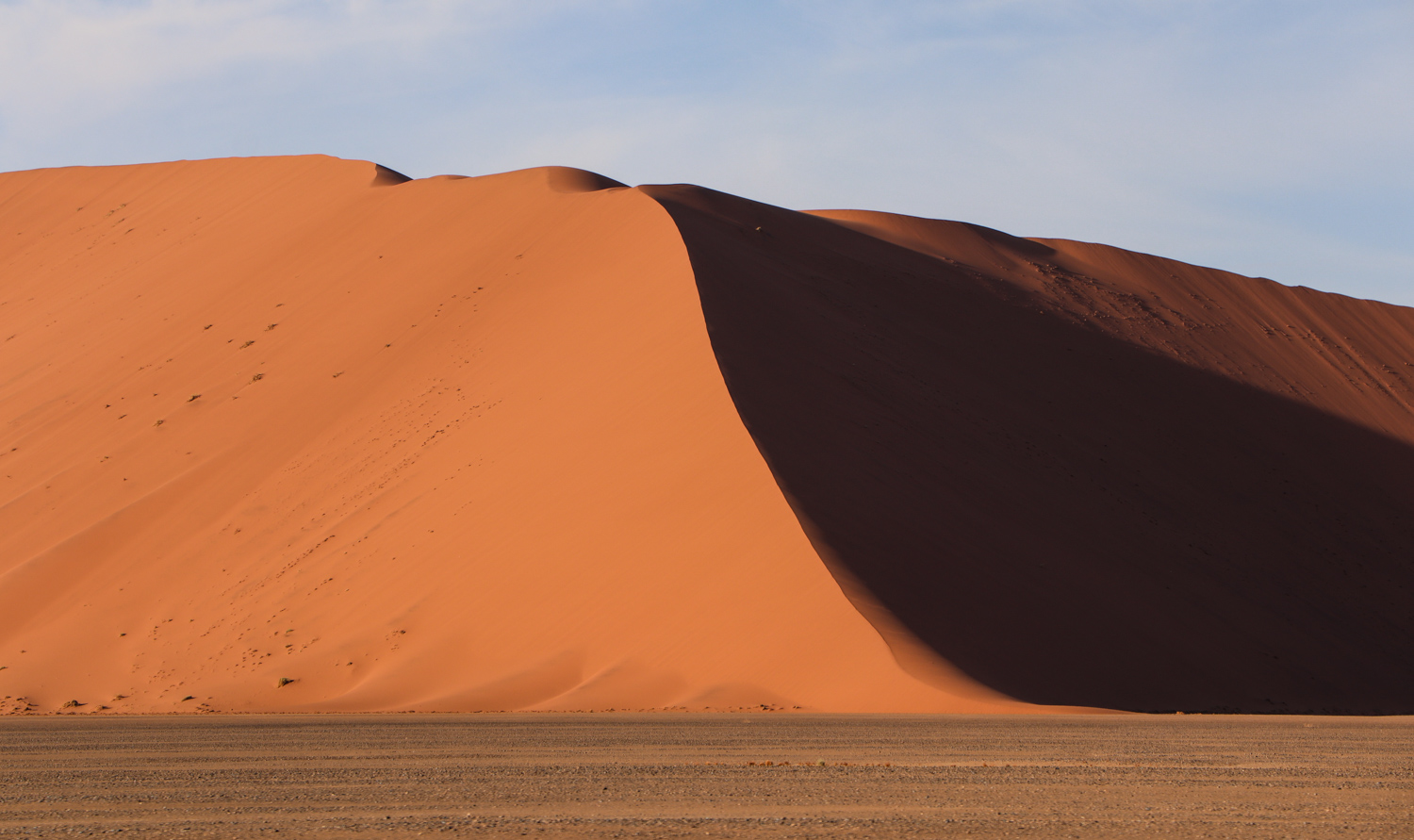
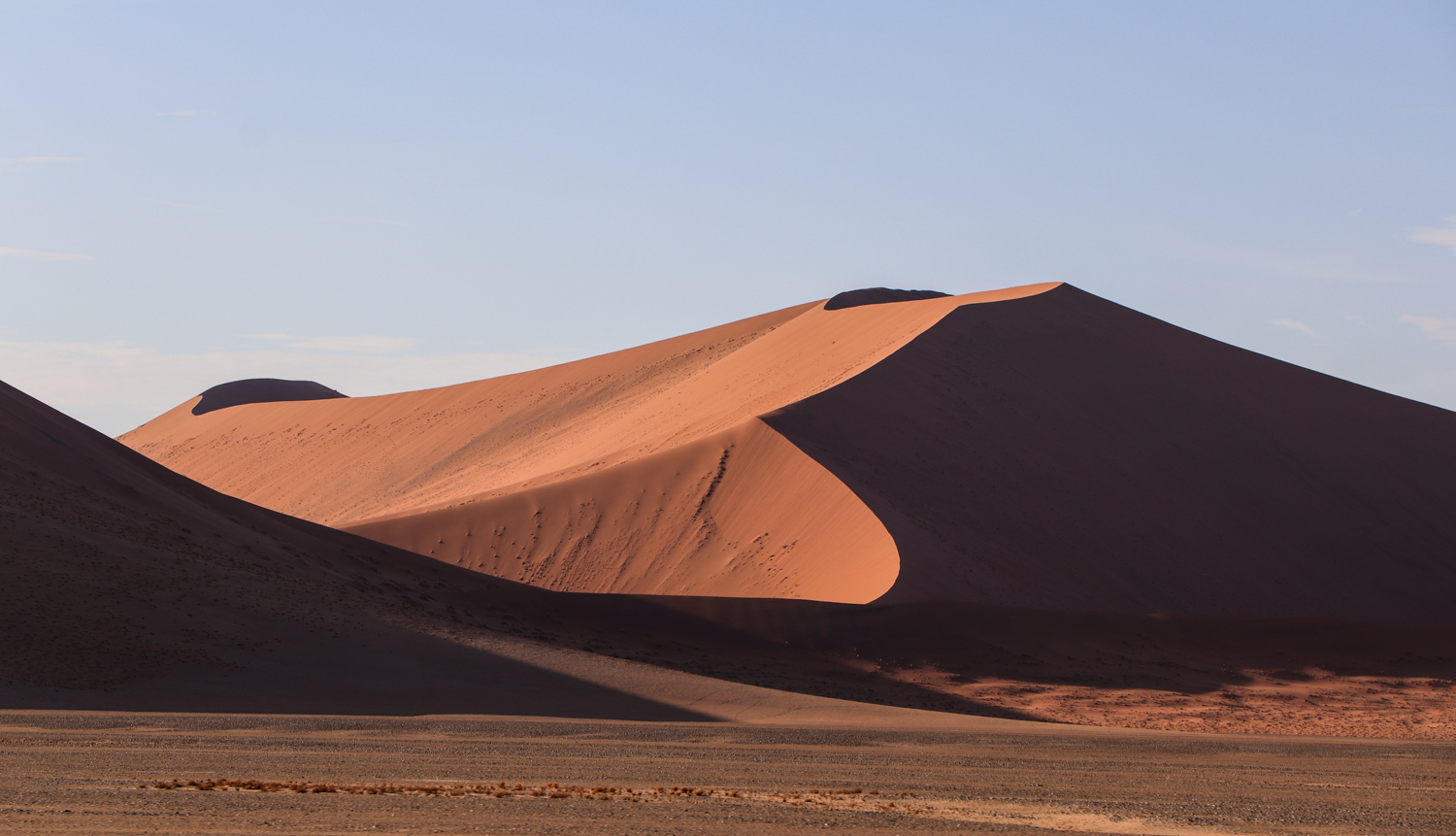
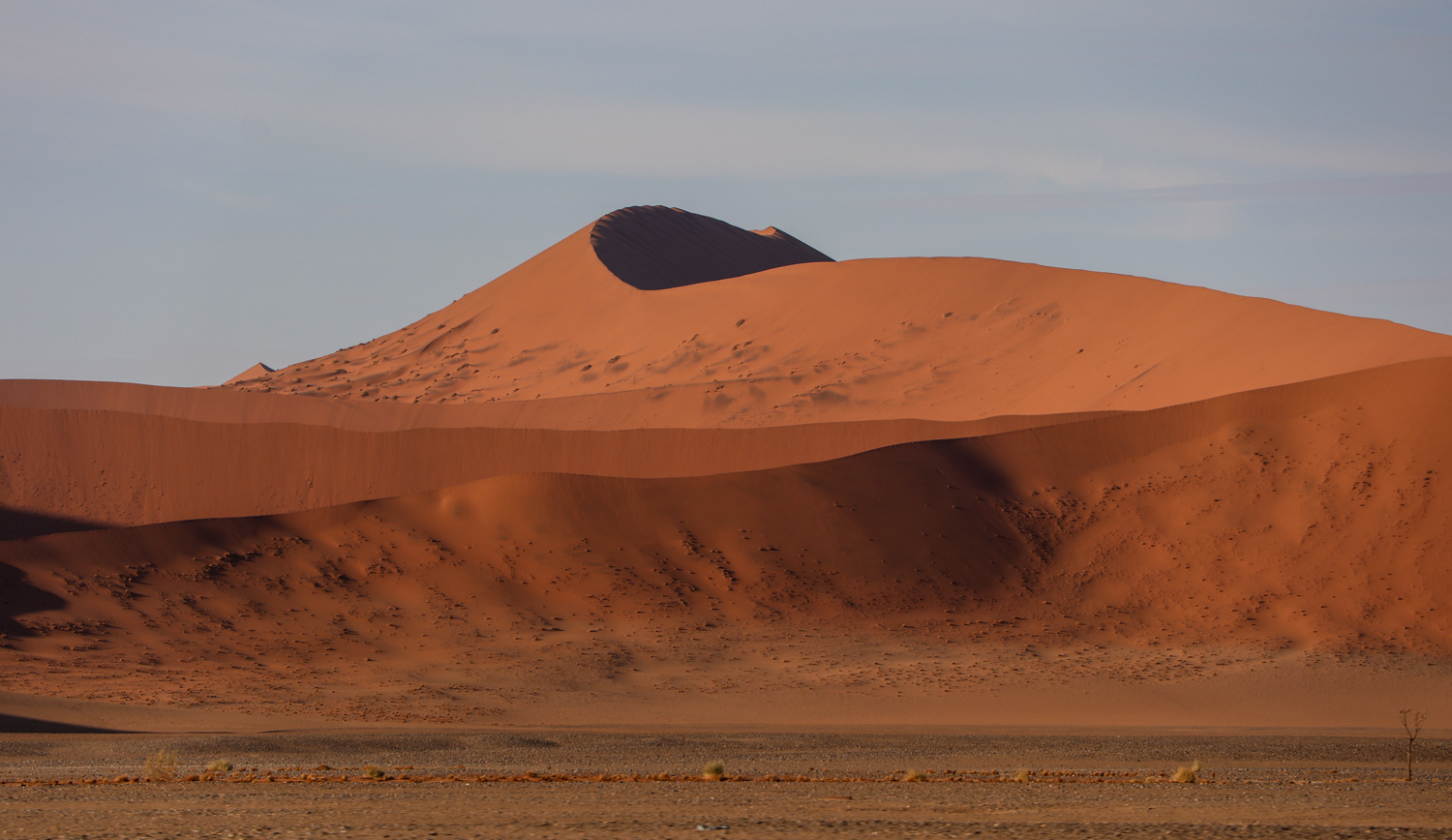
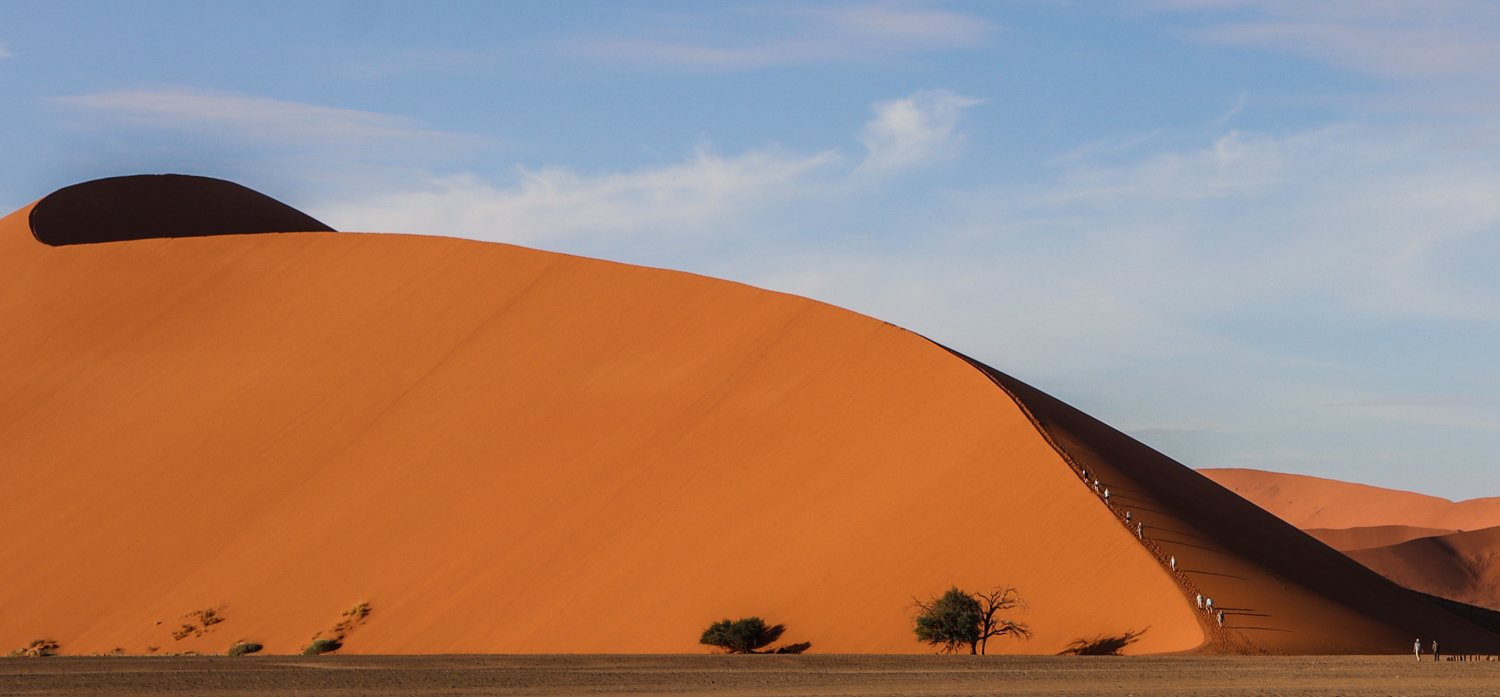
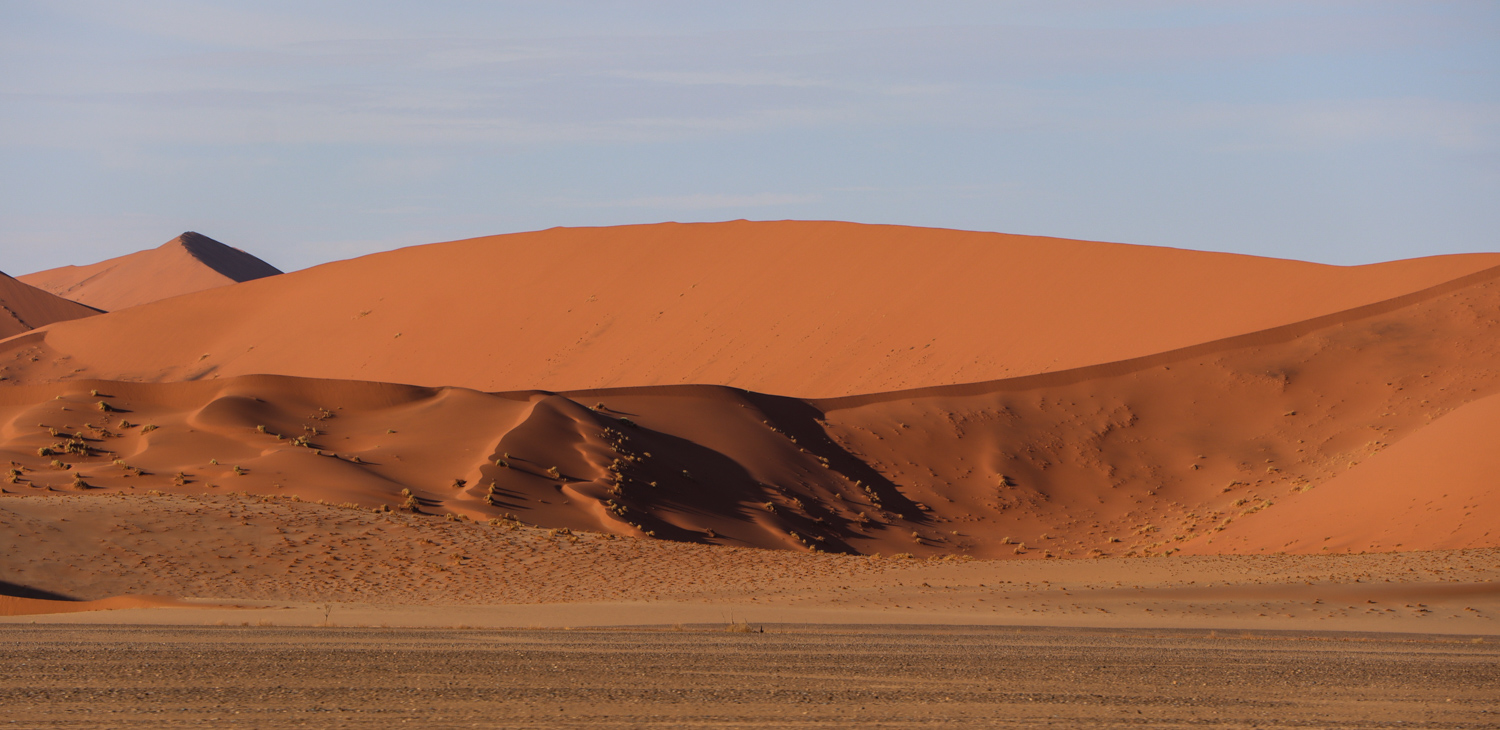
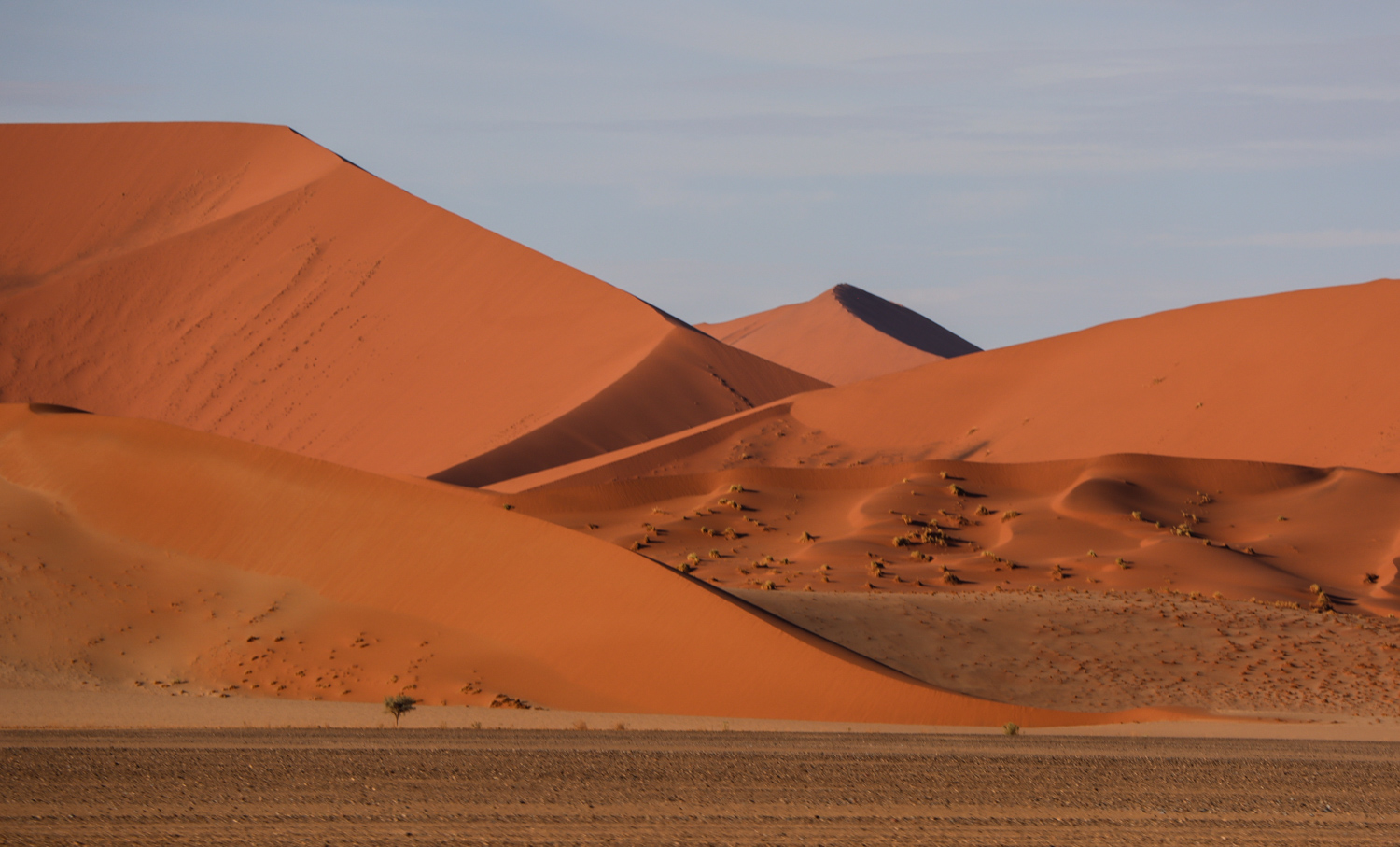
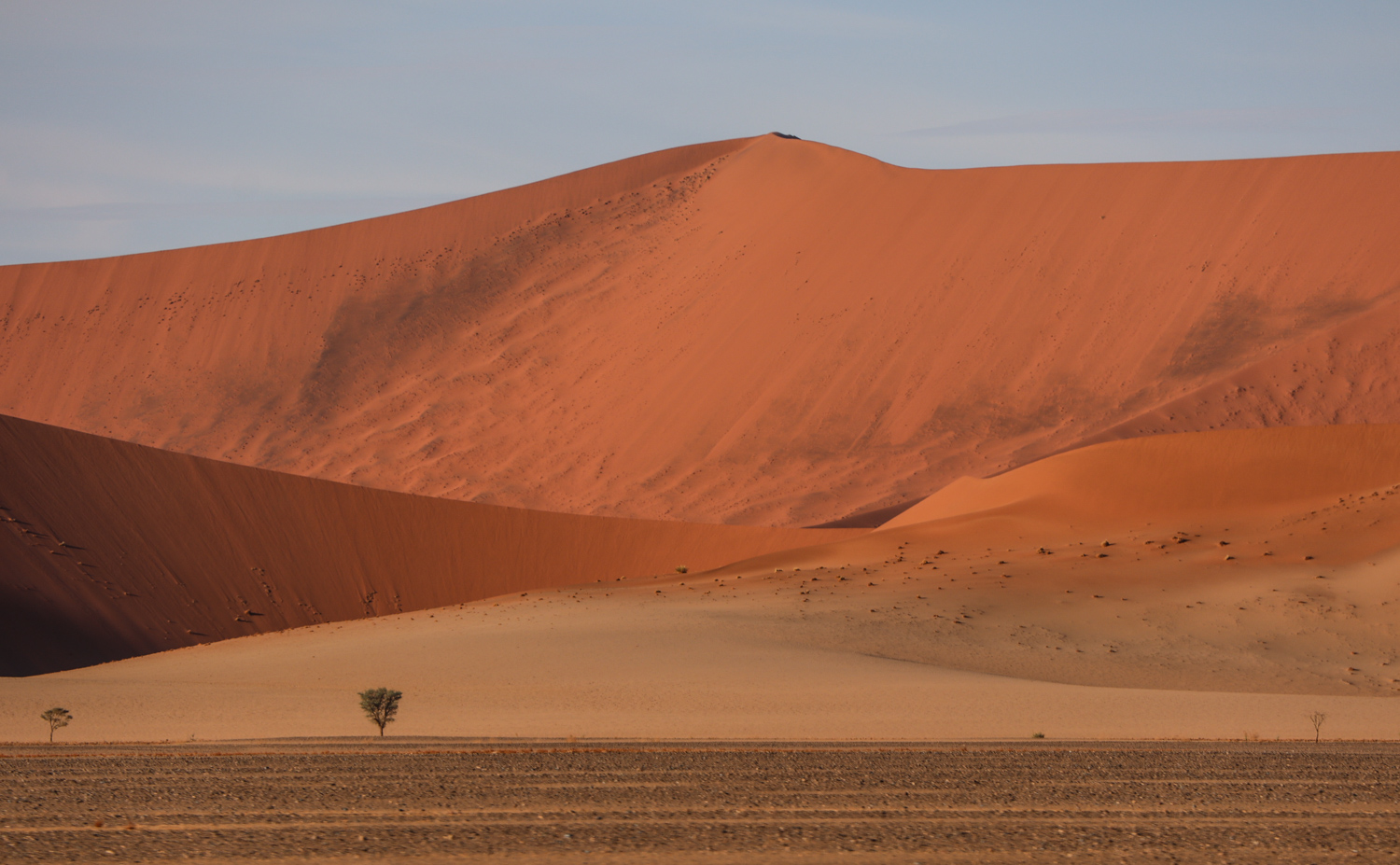
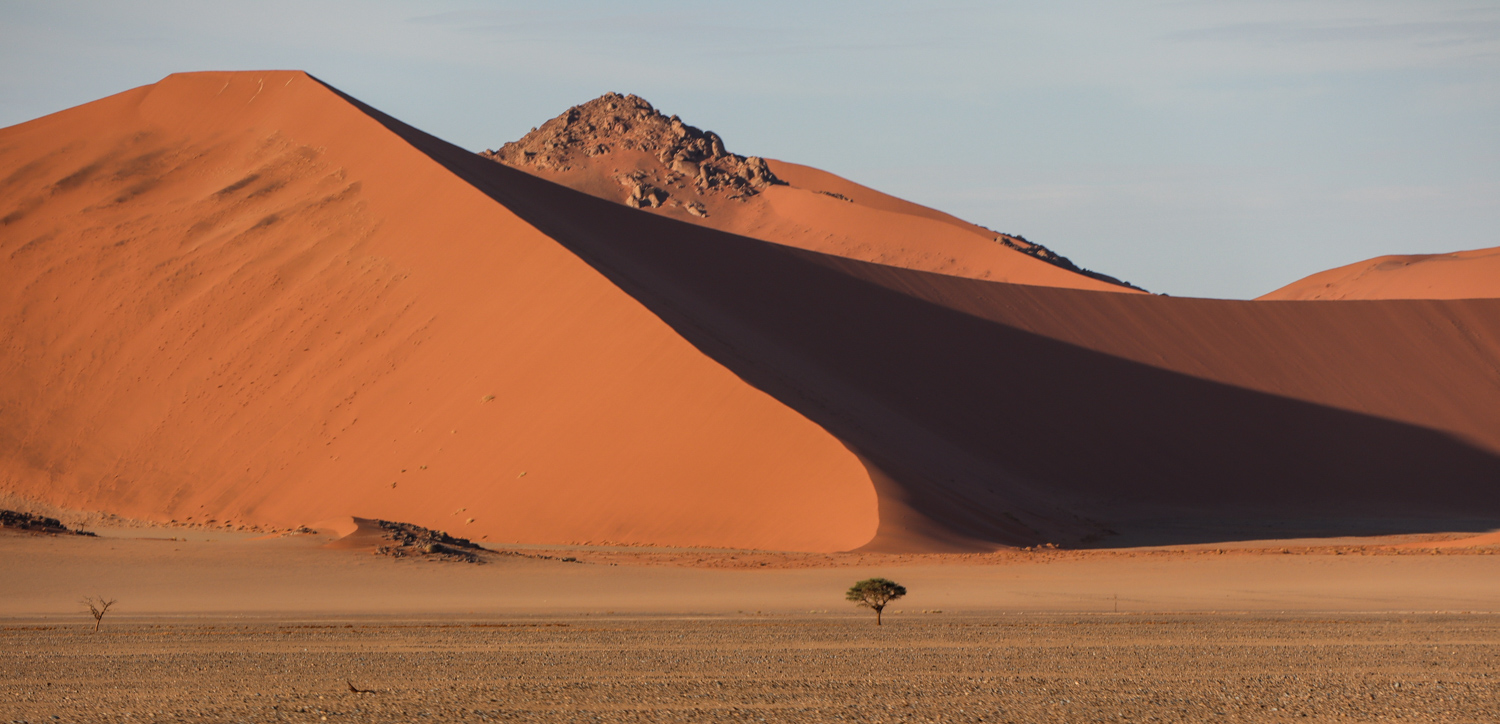
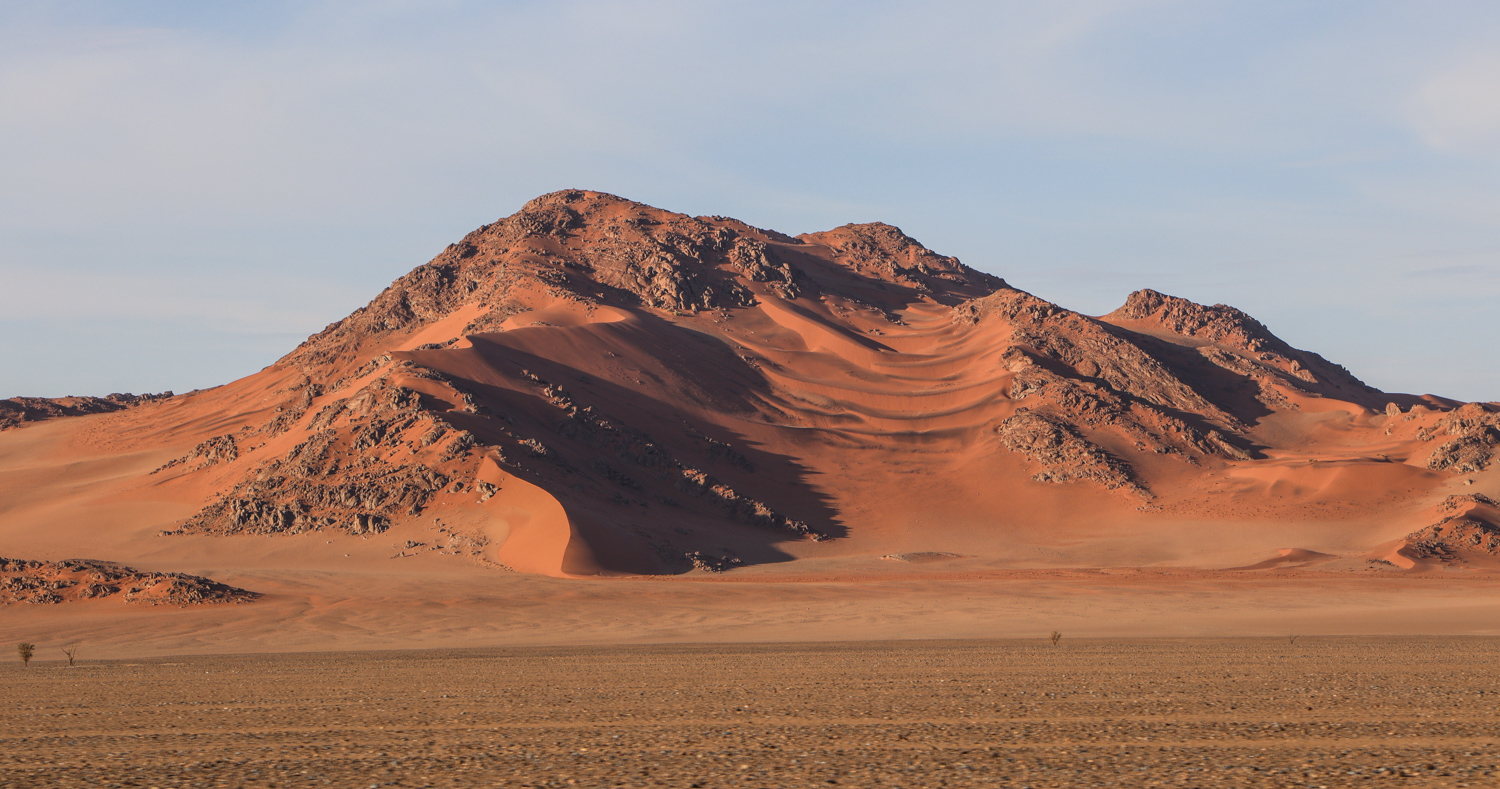
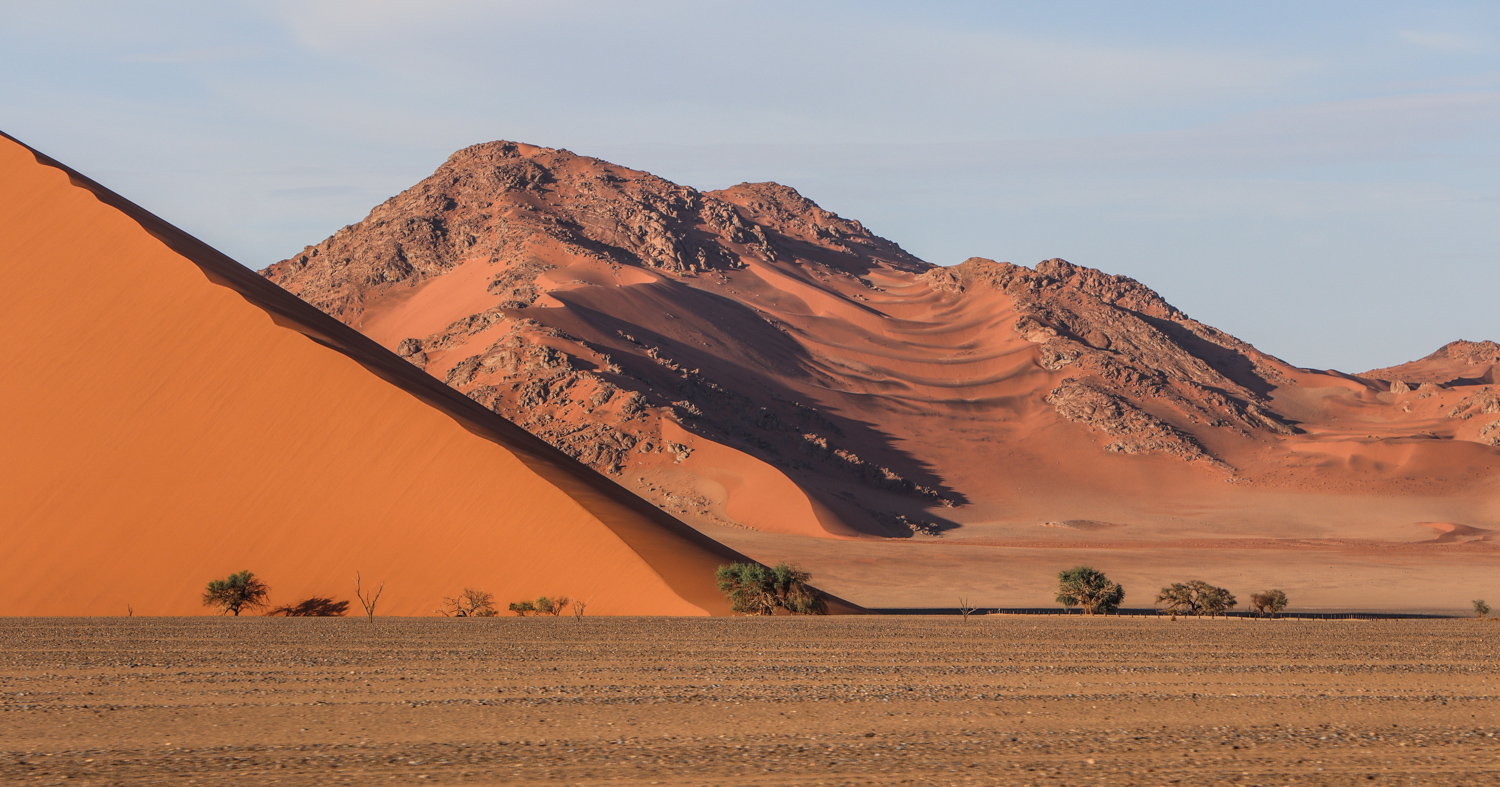
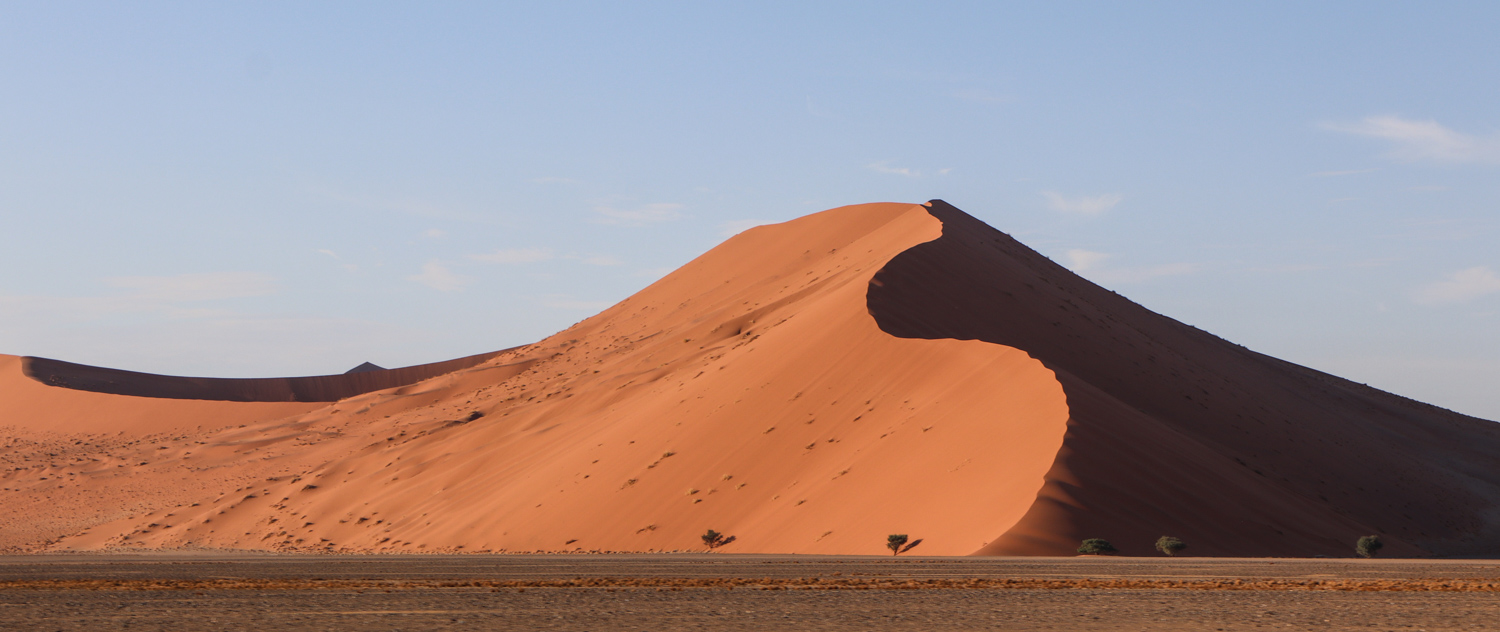
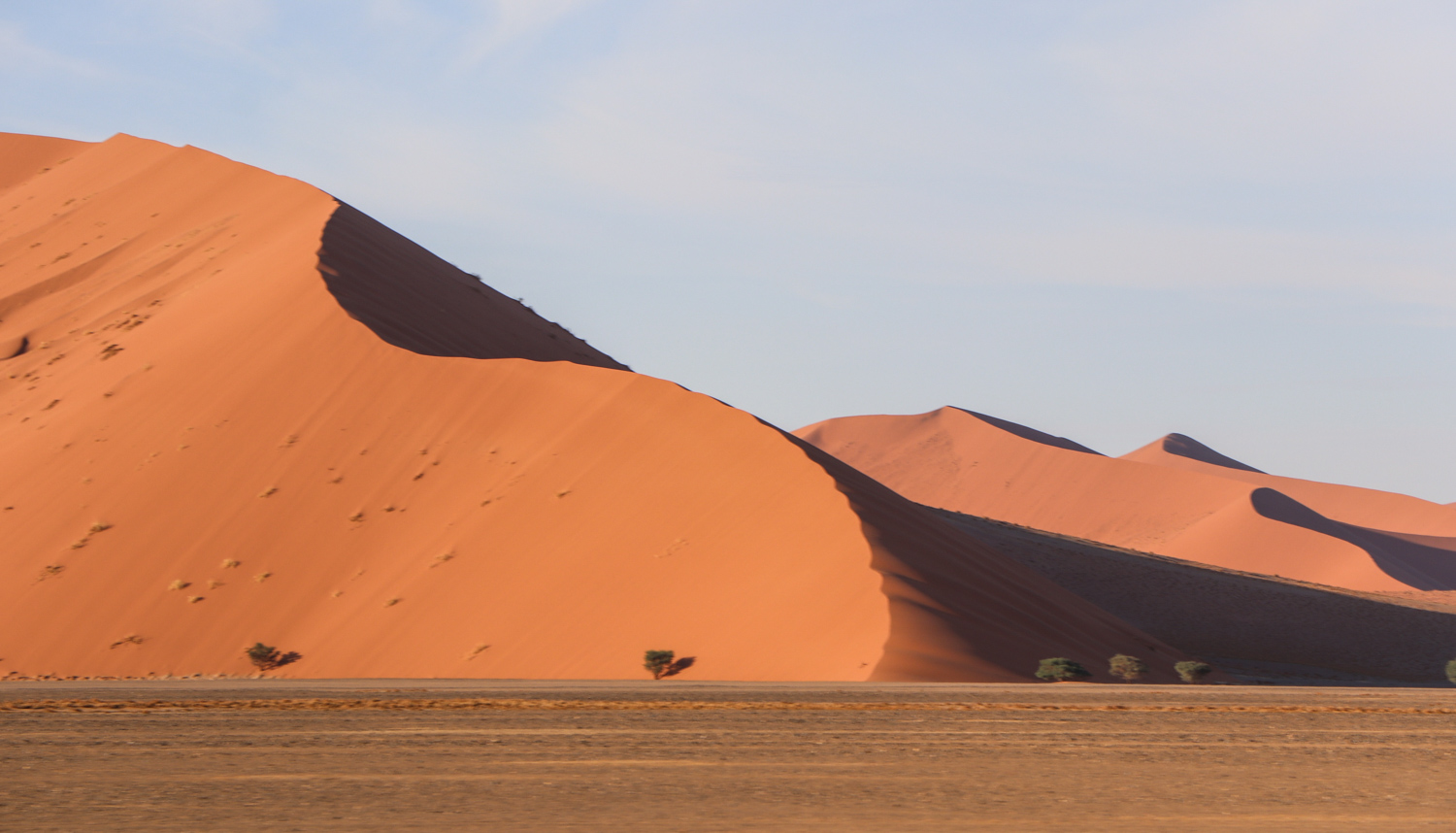
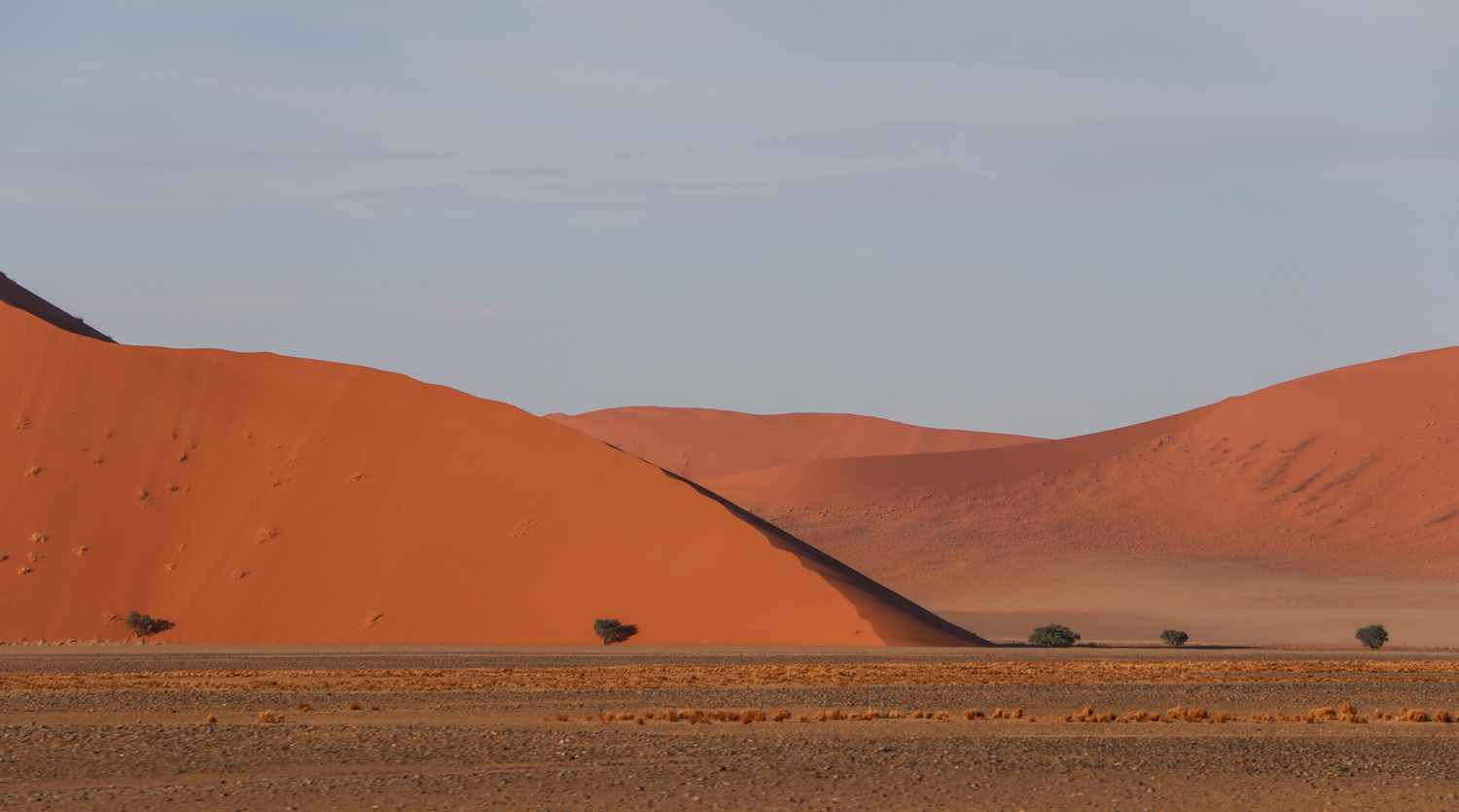
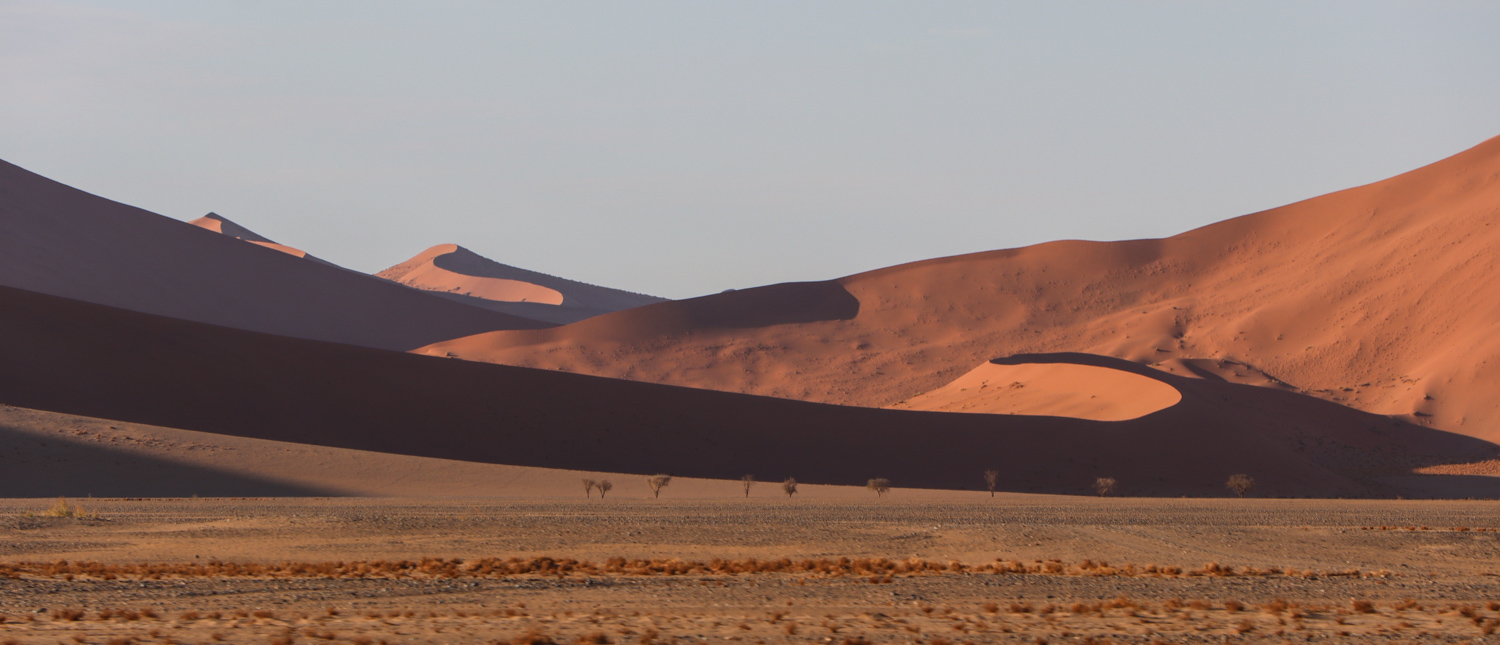
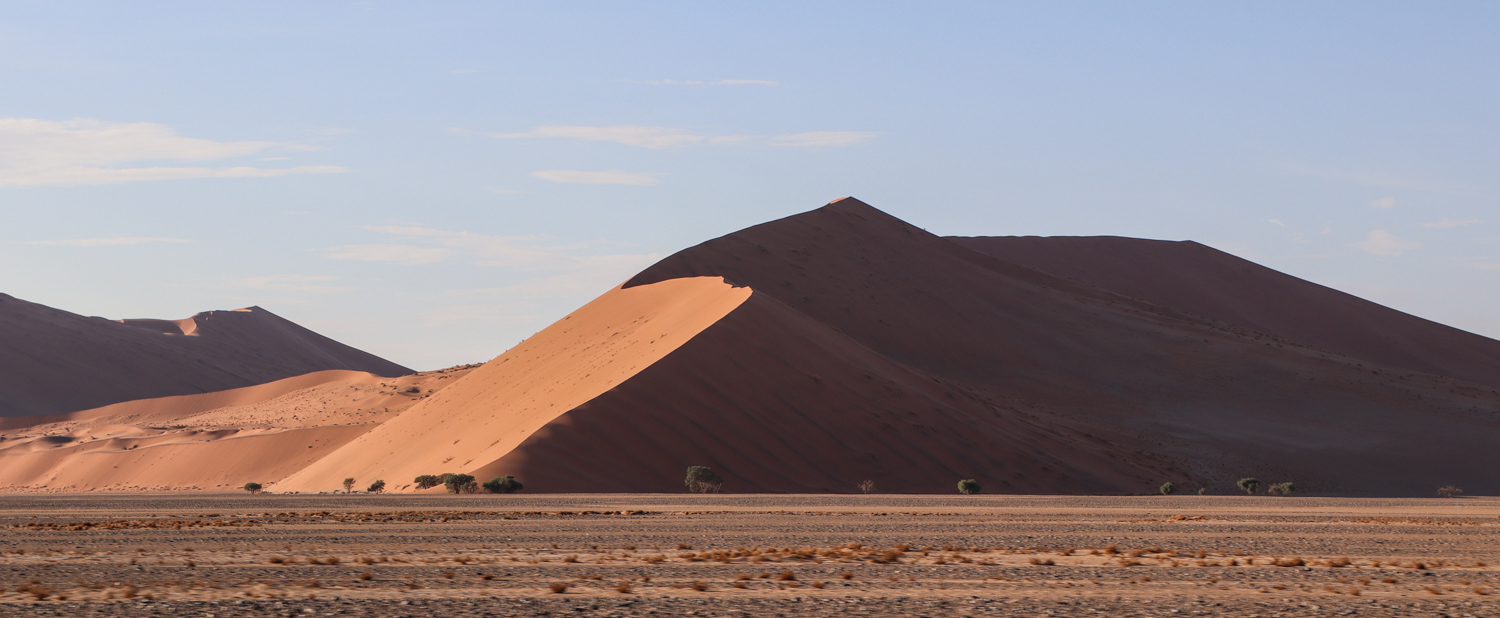
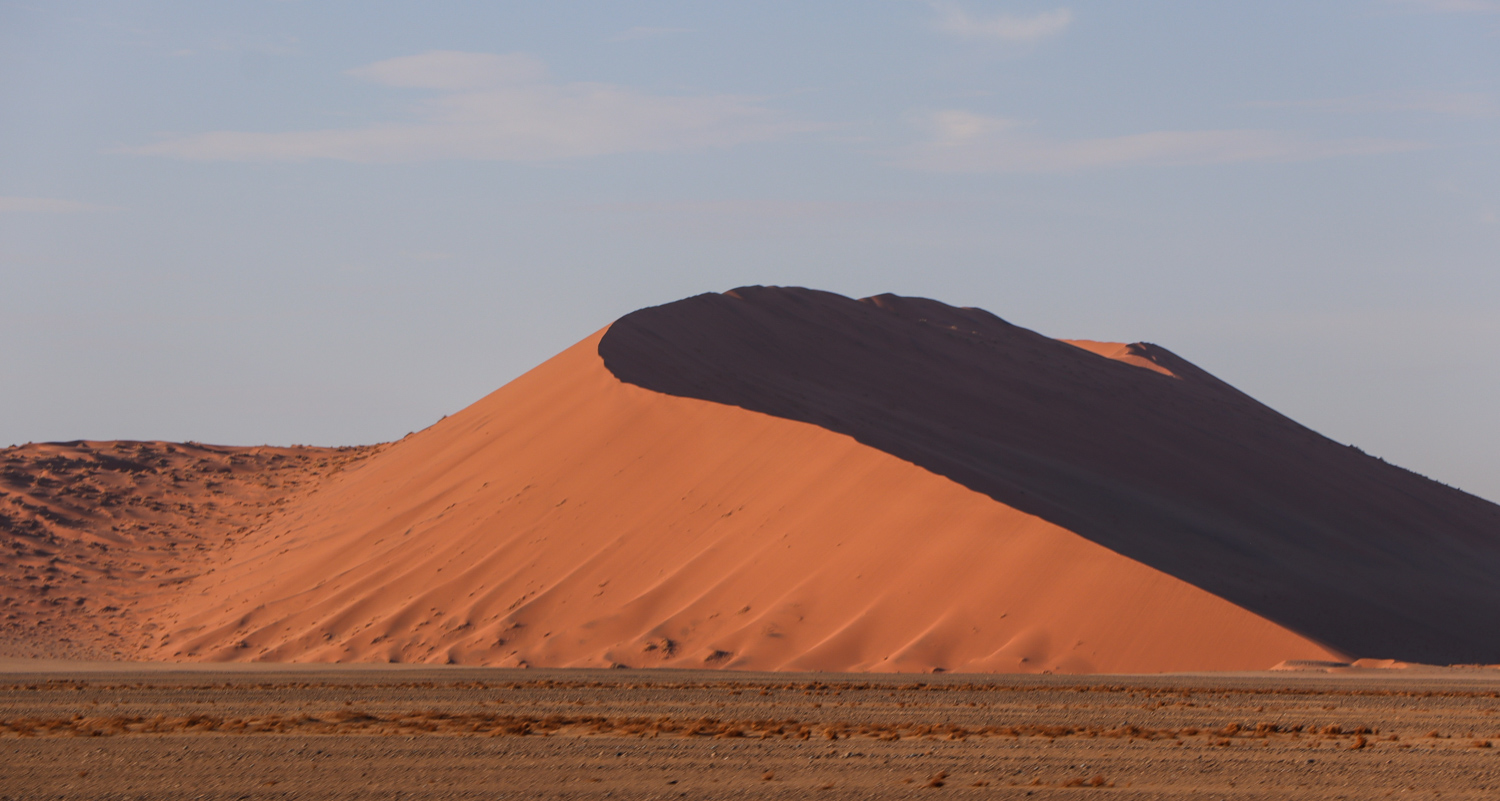
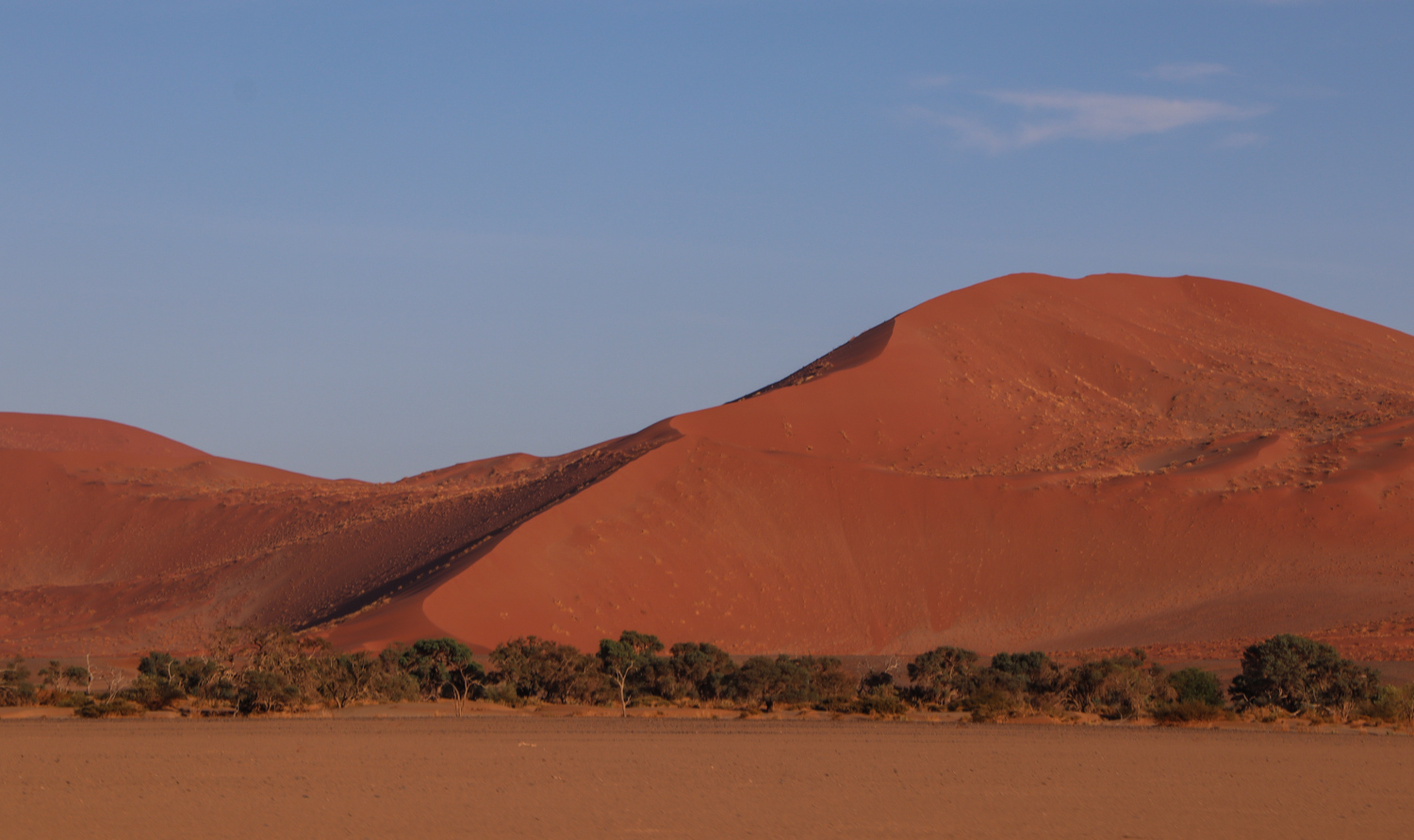
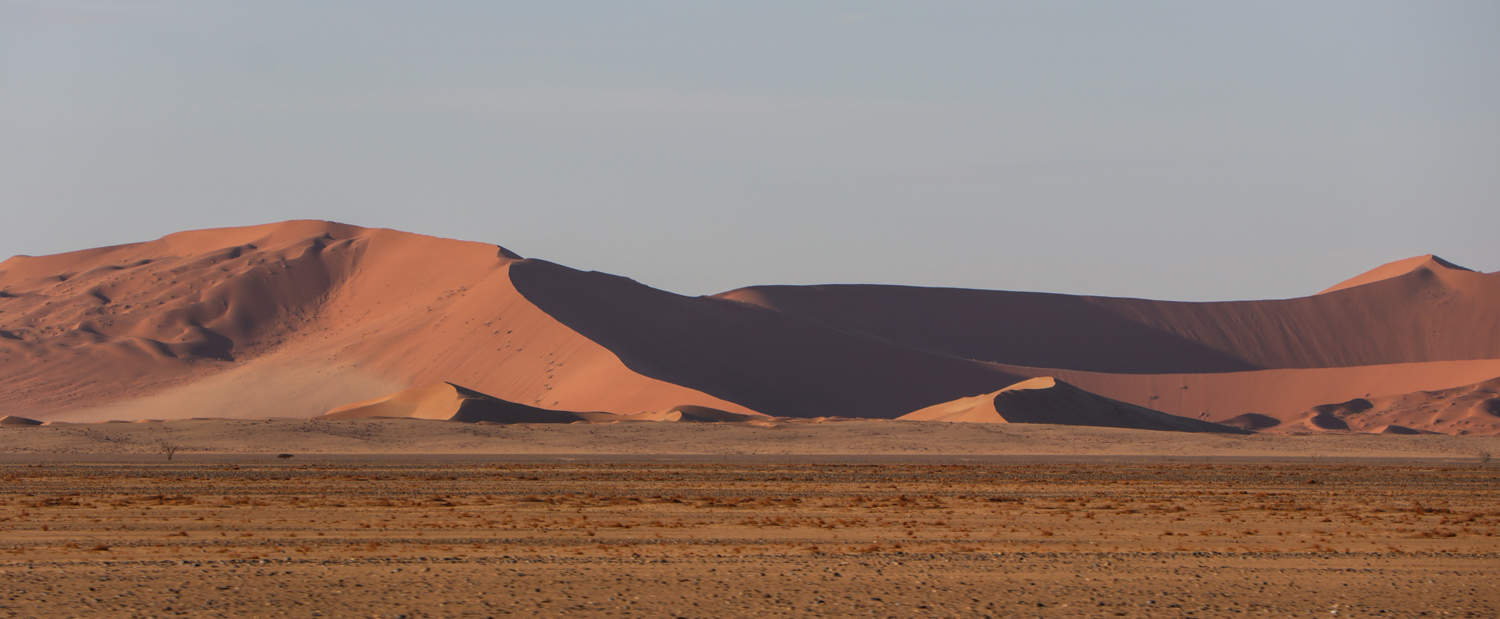
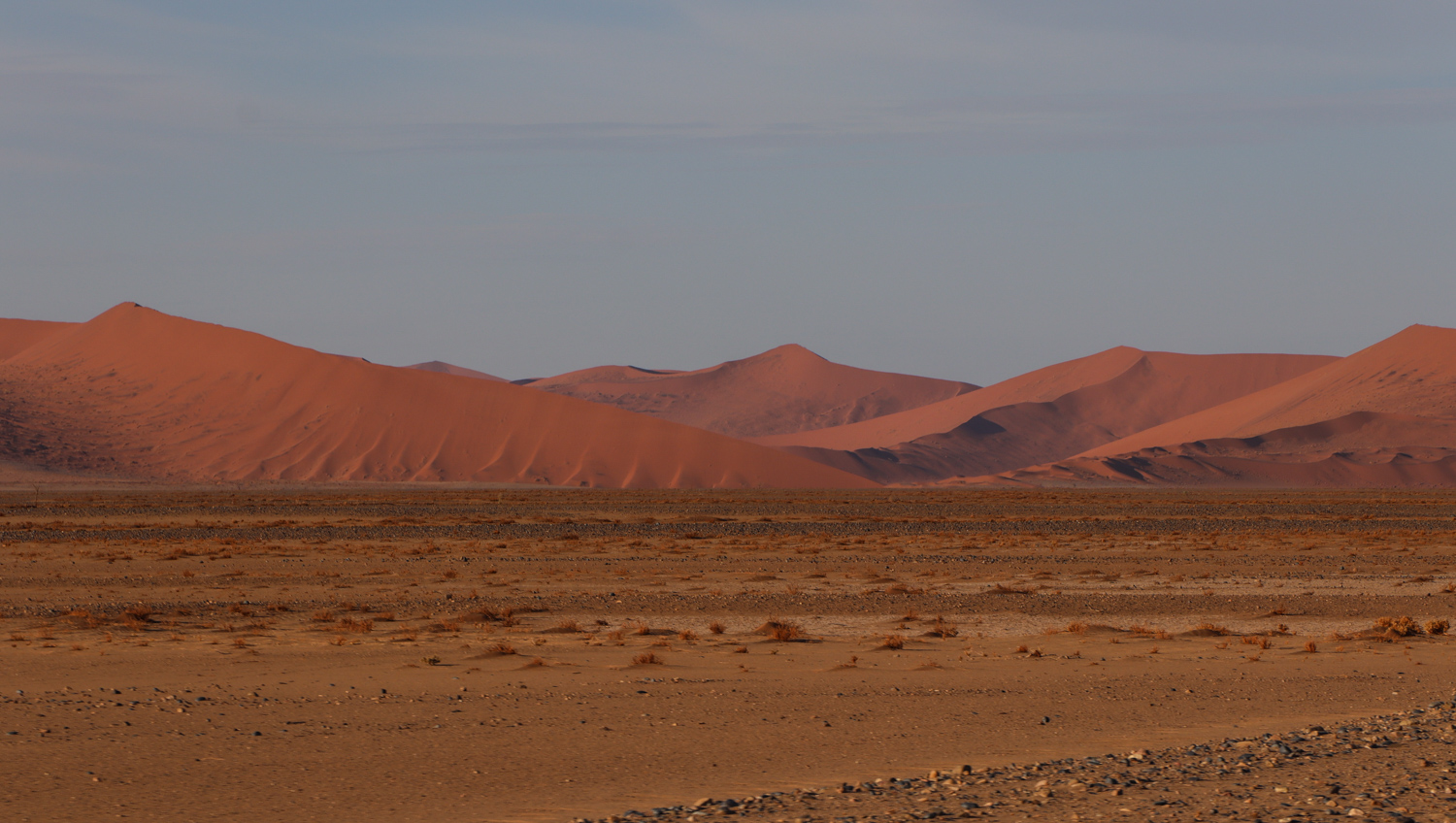
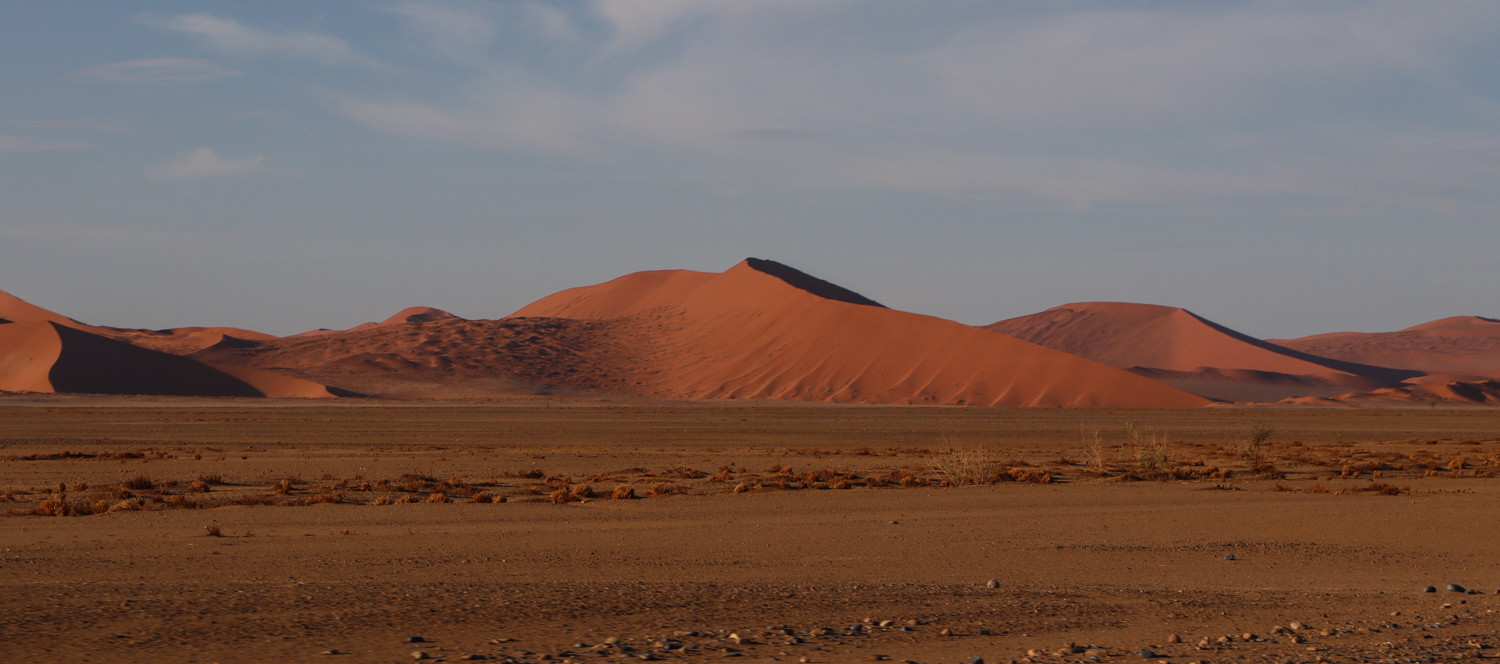
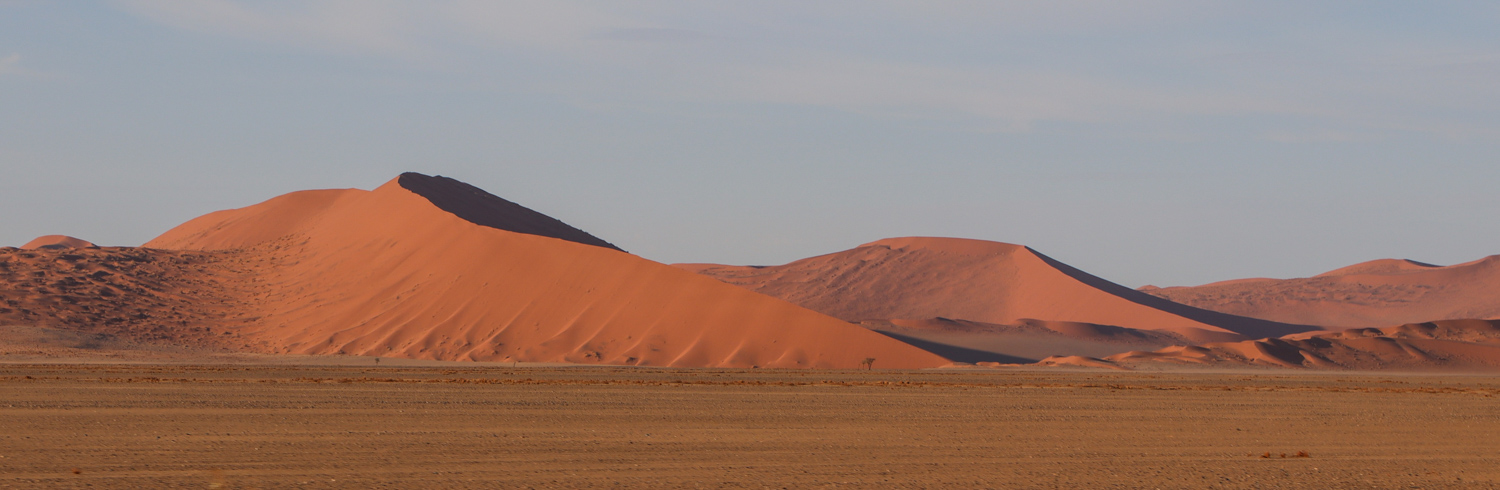
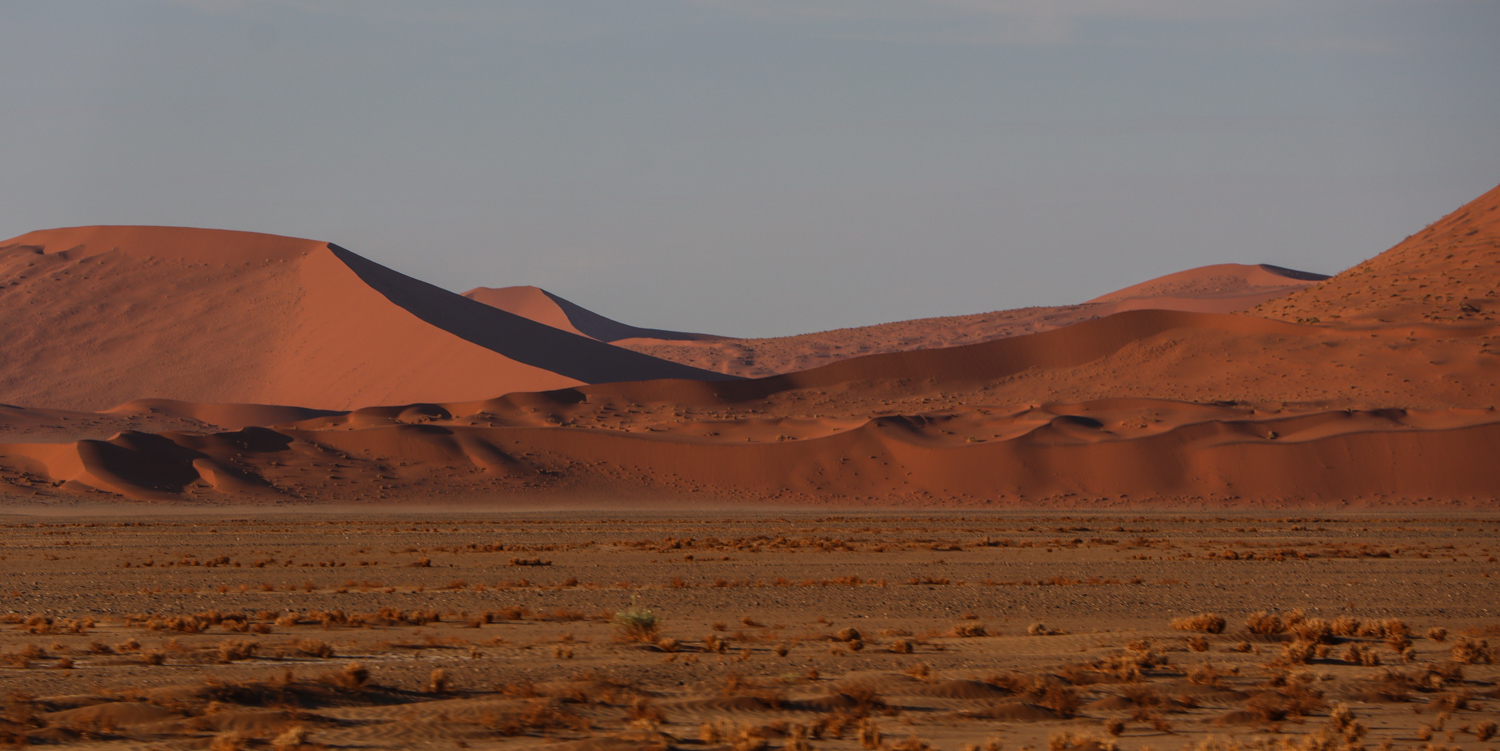
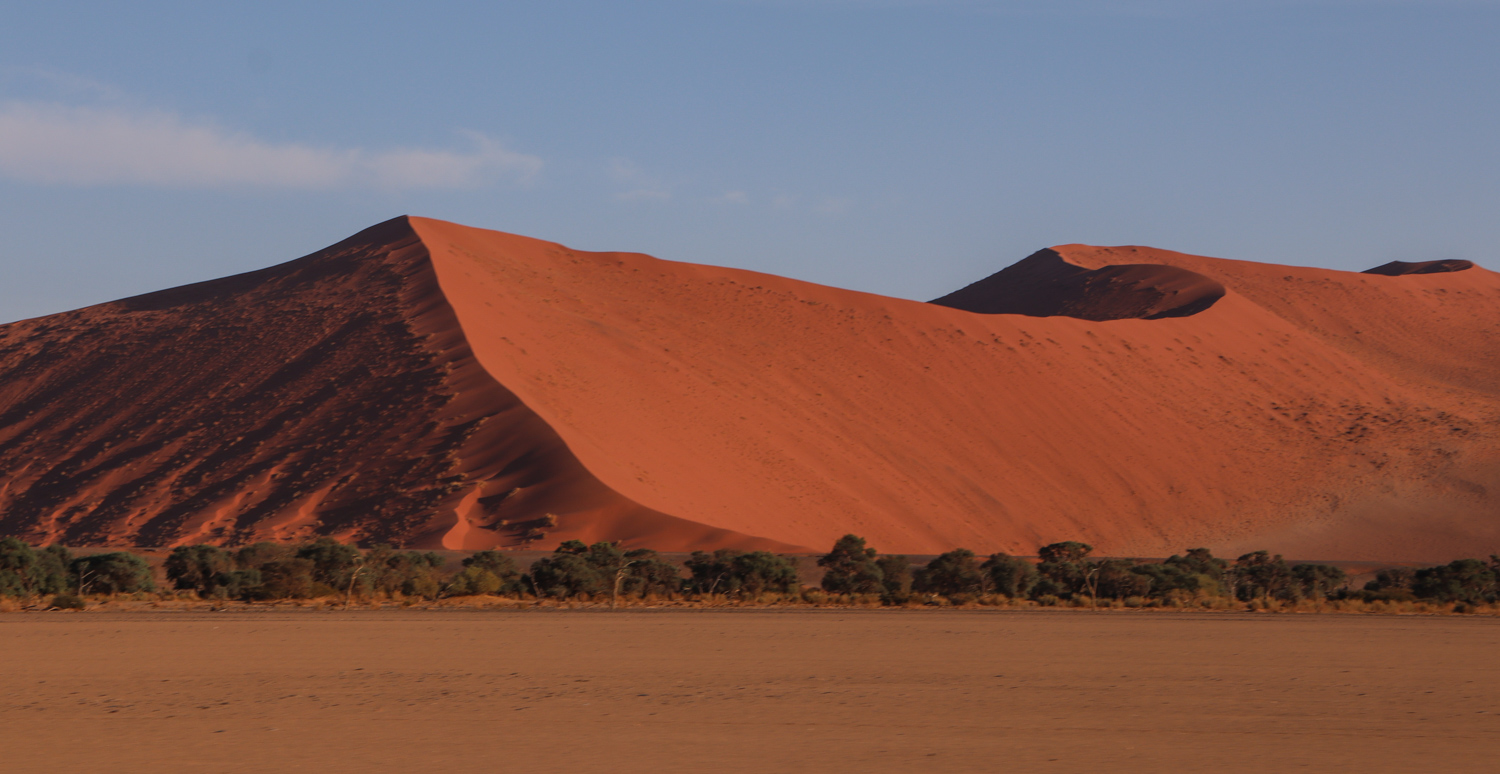
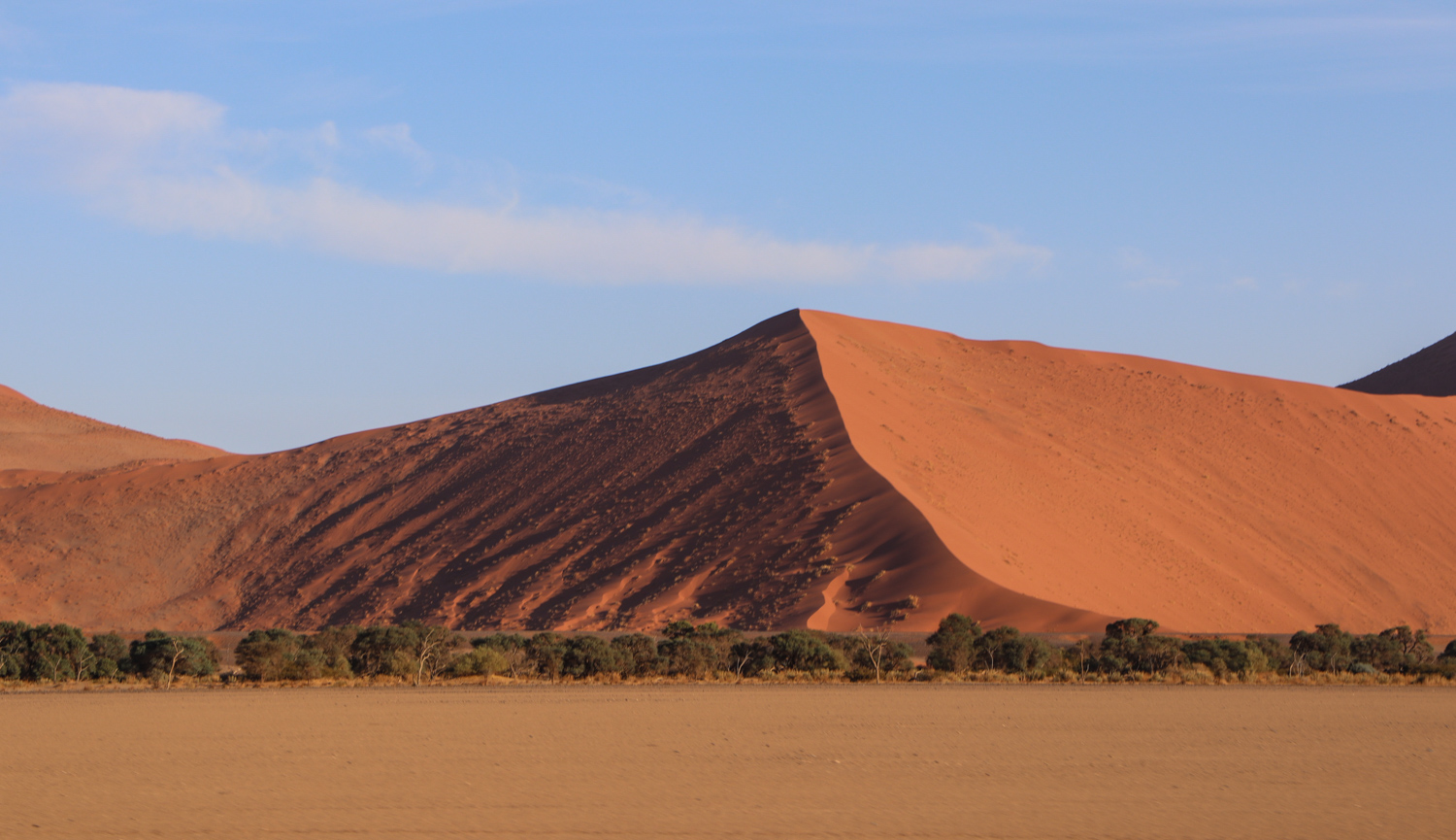
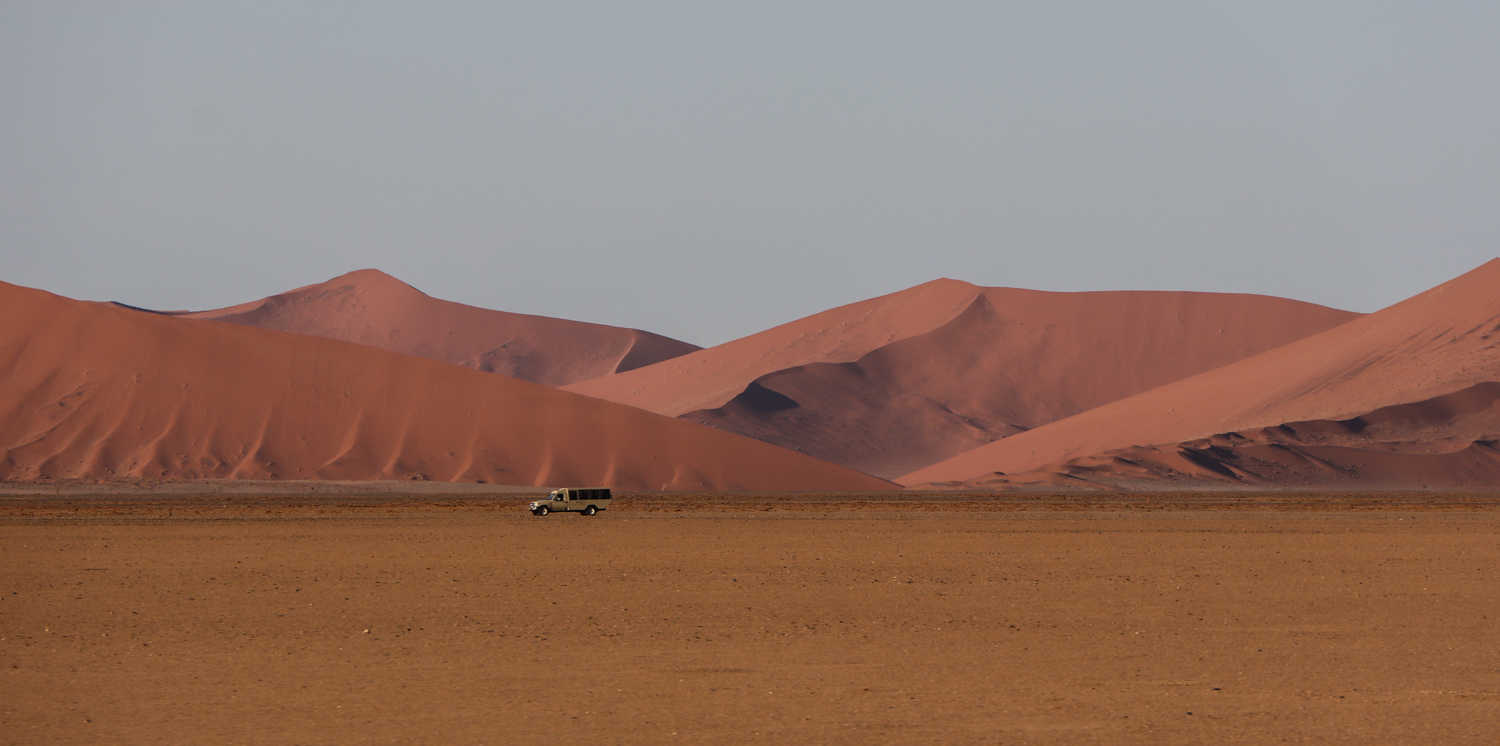
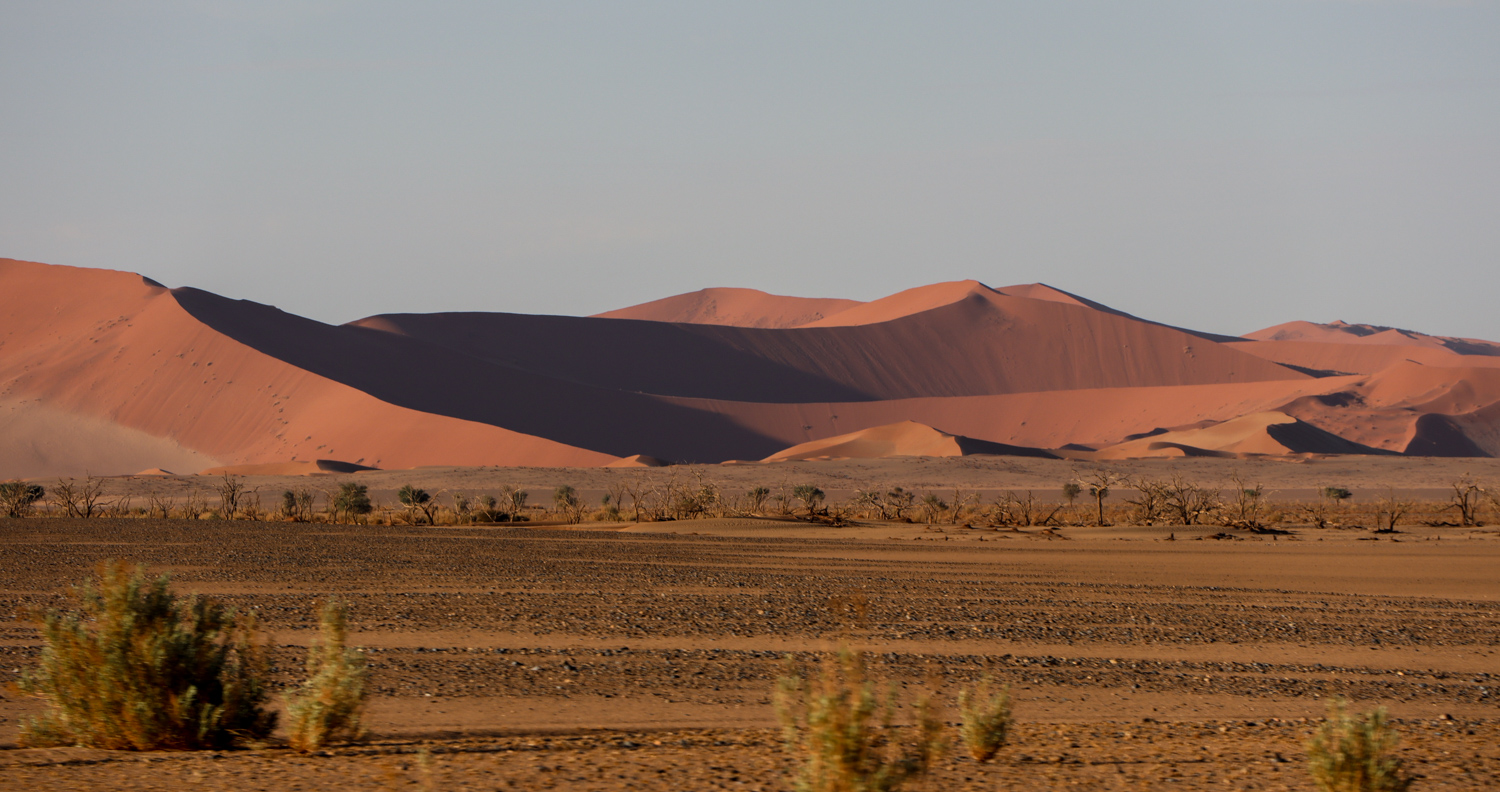
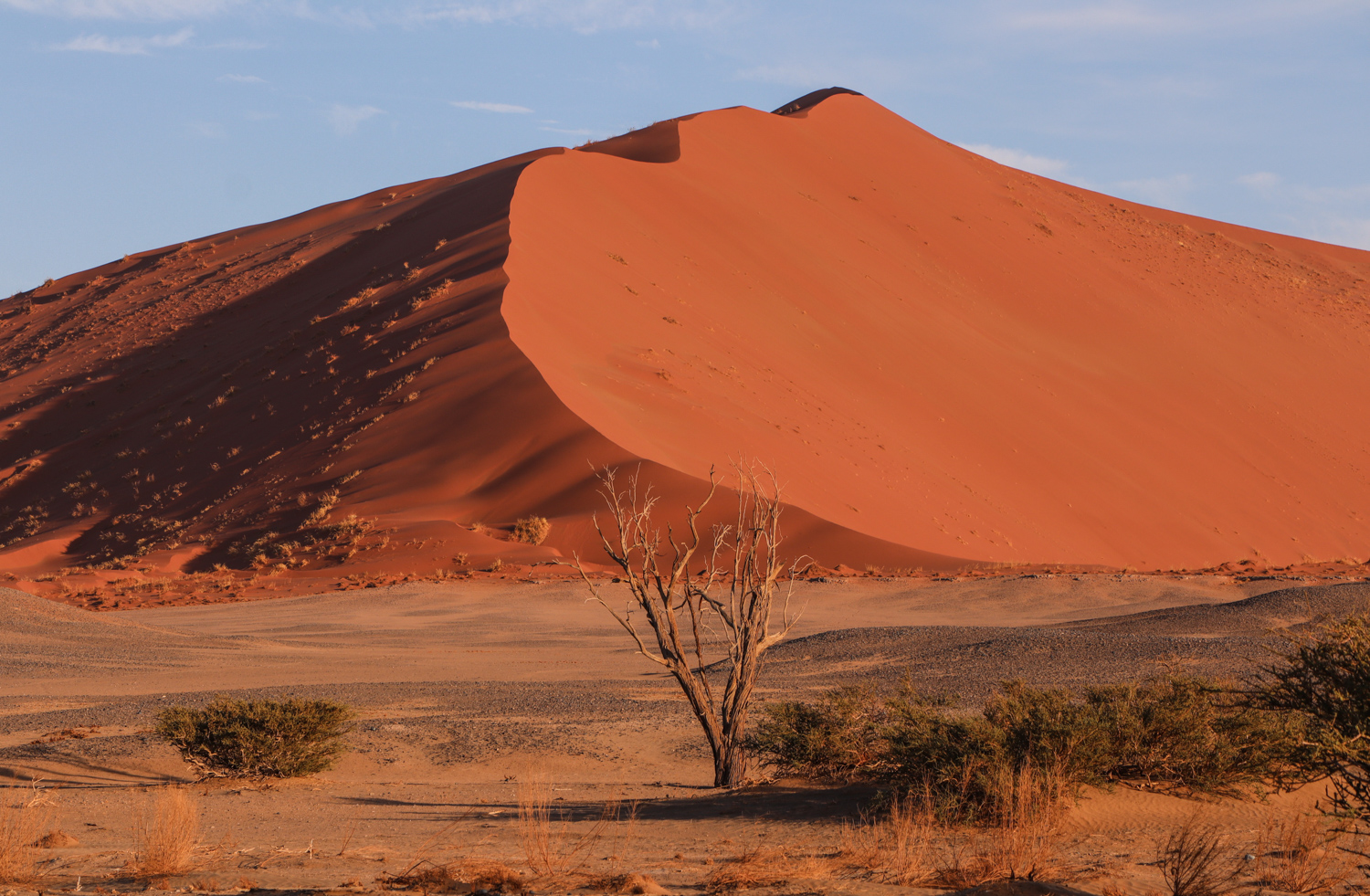
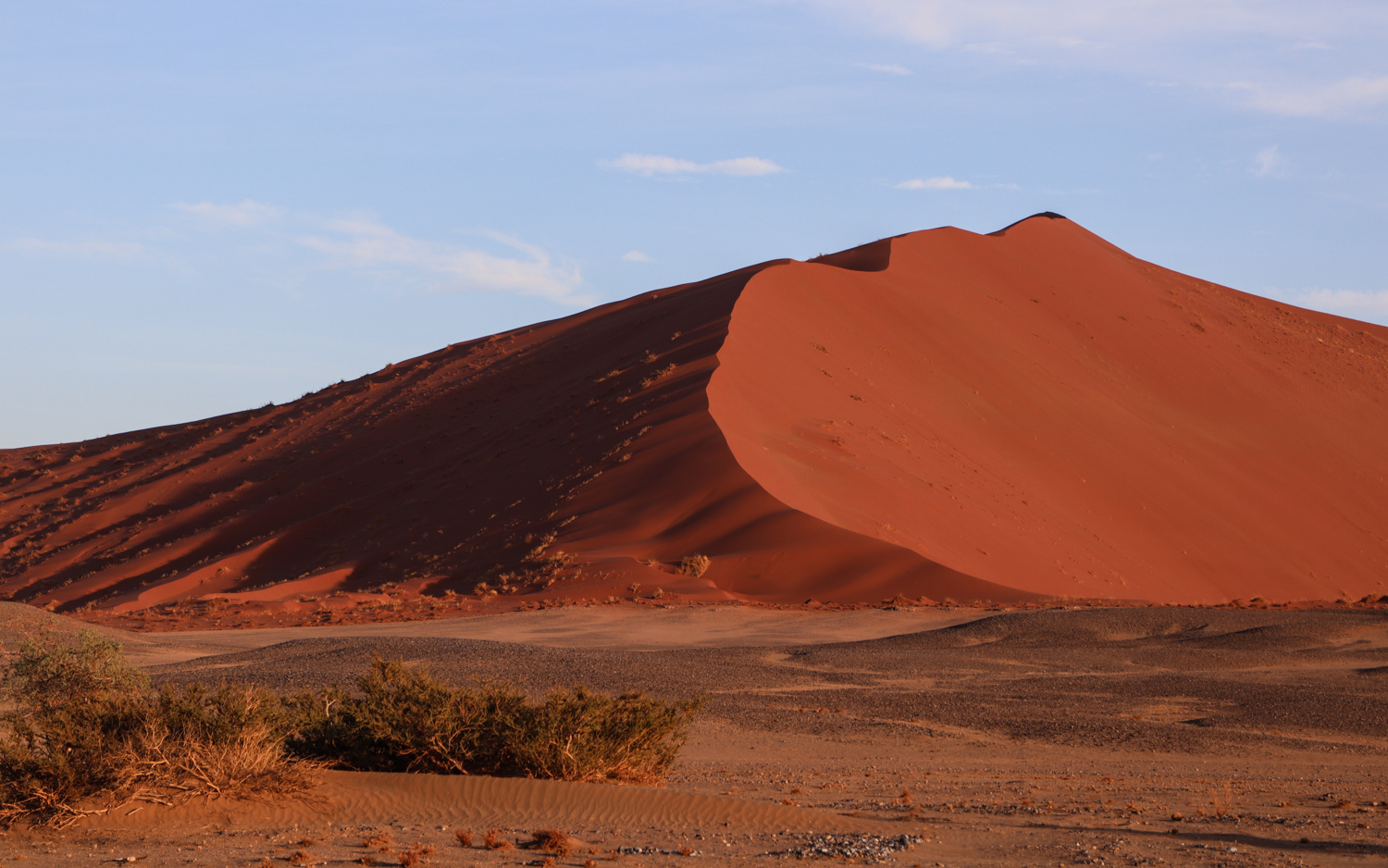
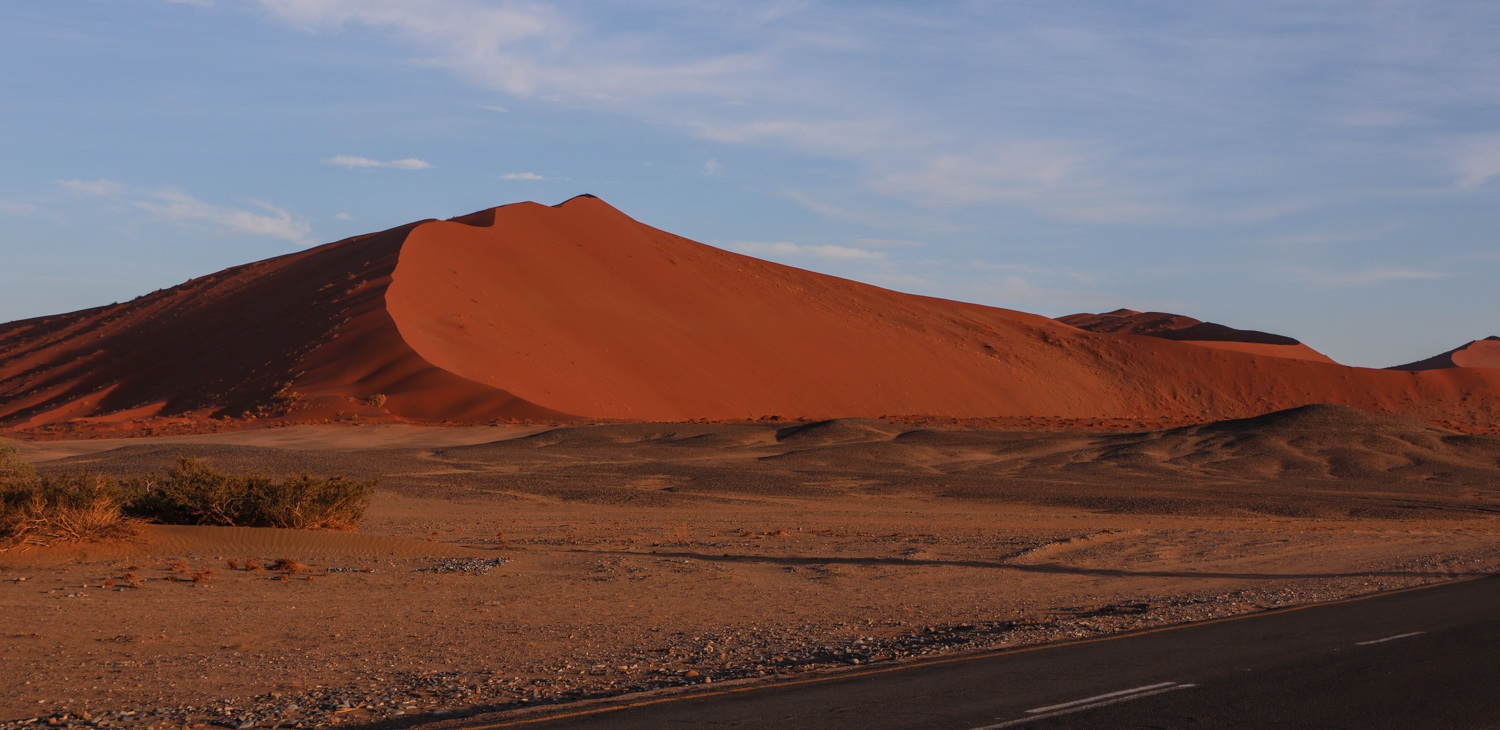
The sand in the peak heat part of the day looks yellow. Burning bright, without mercy. If you look at it long enough, you would start to feel you would lose your eyesight.
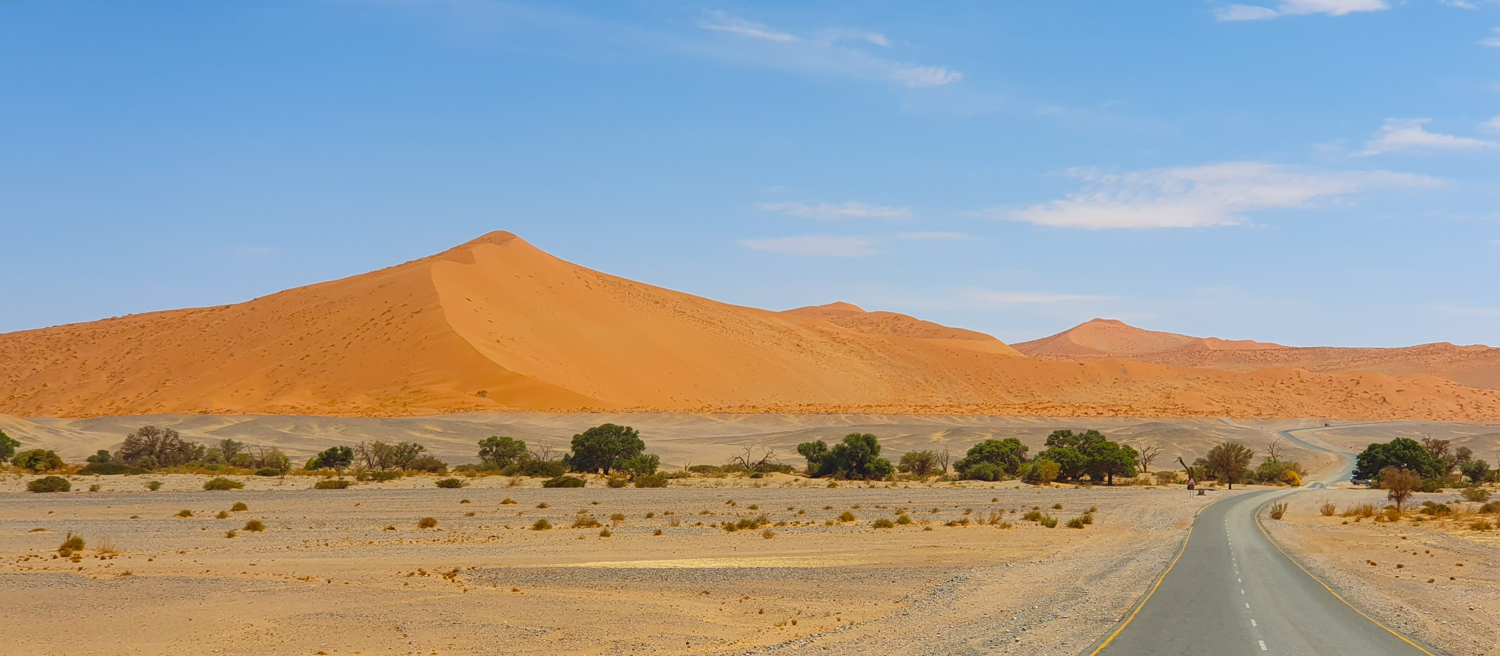
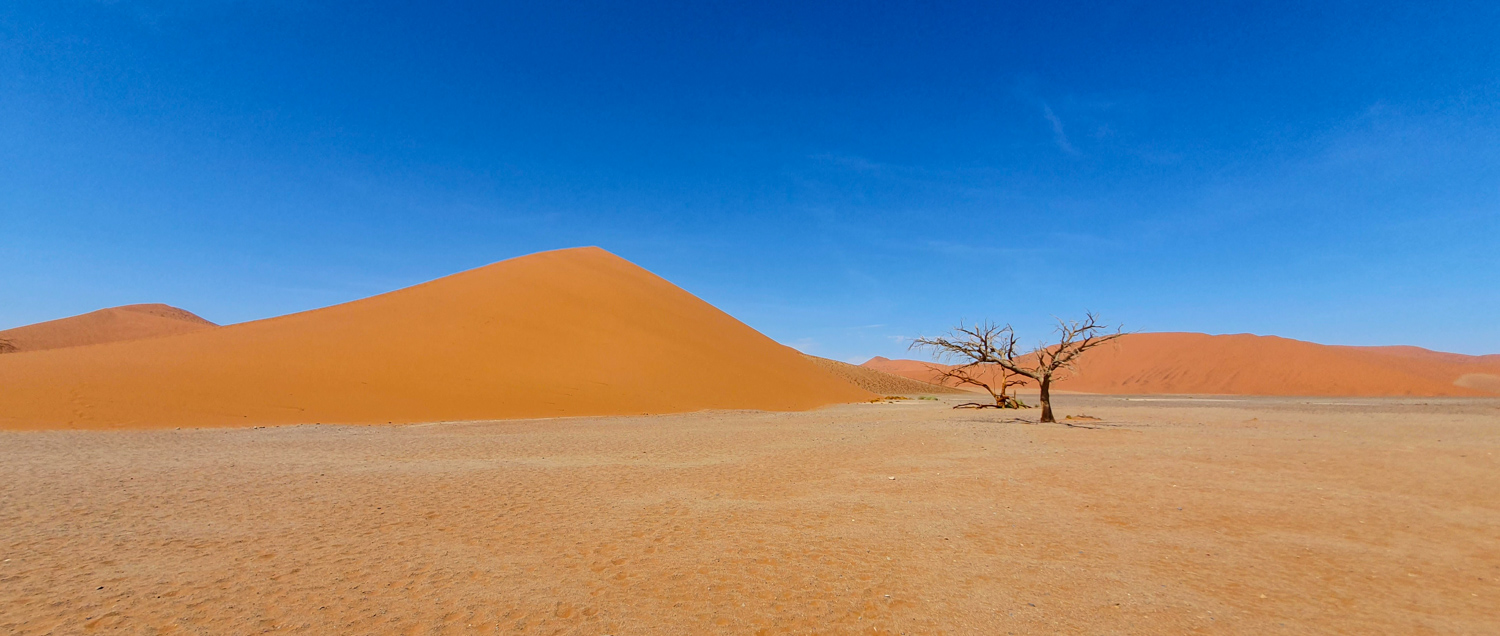
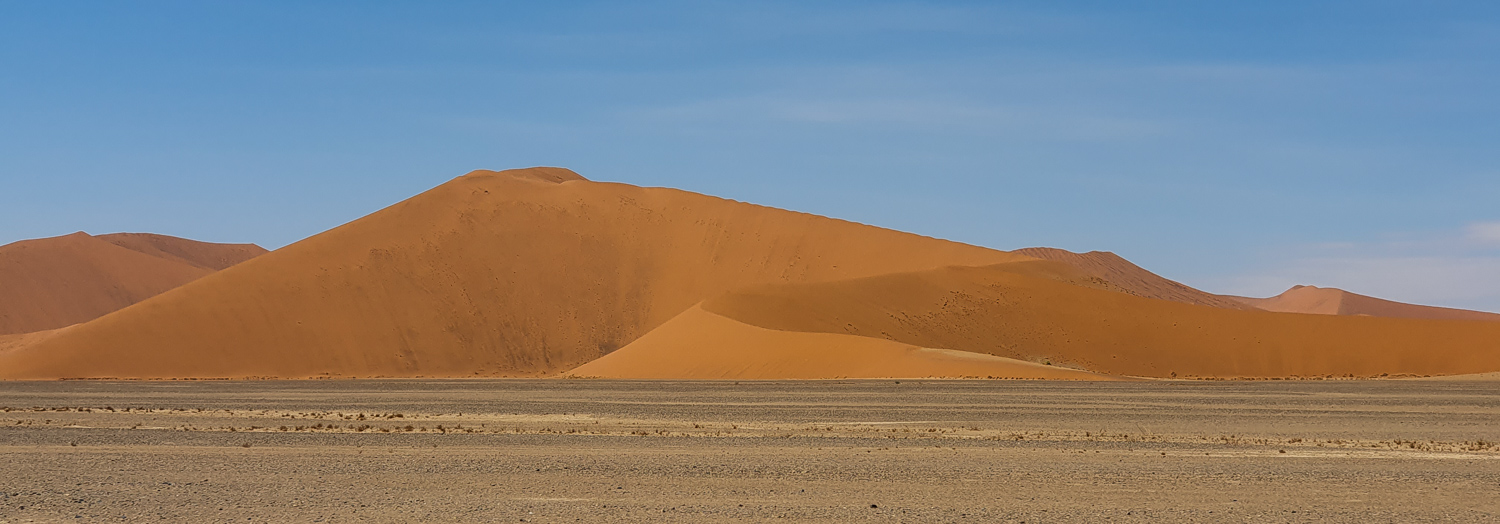
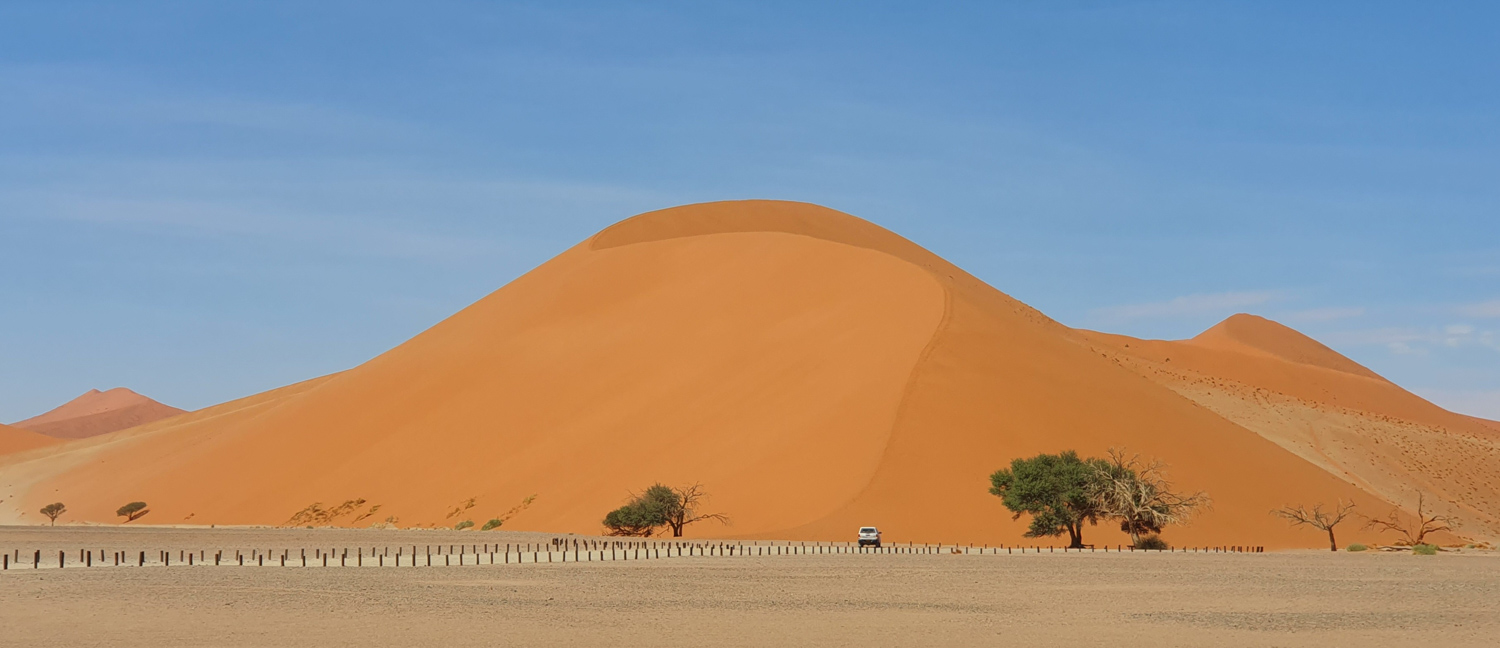
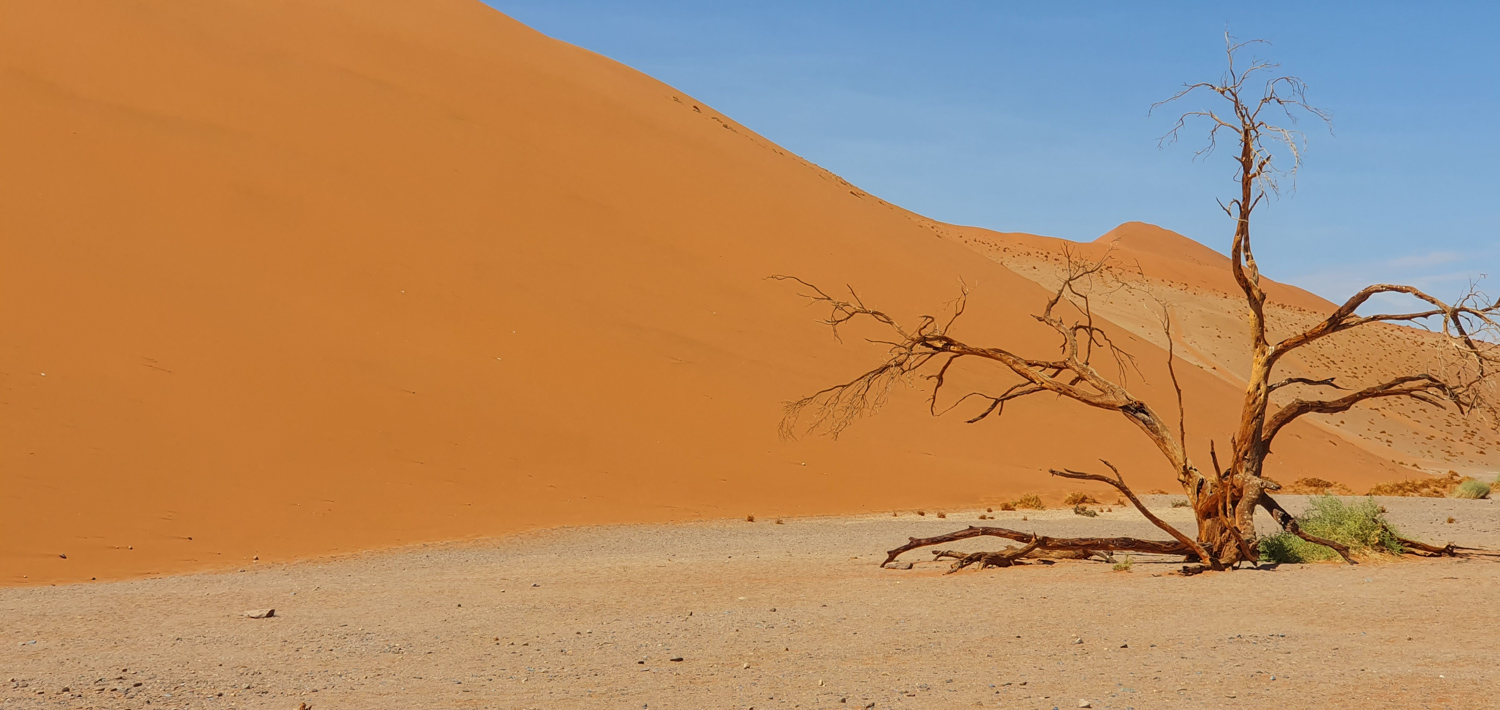
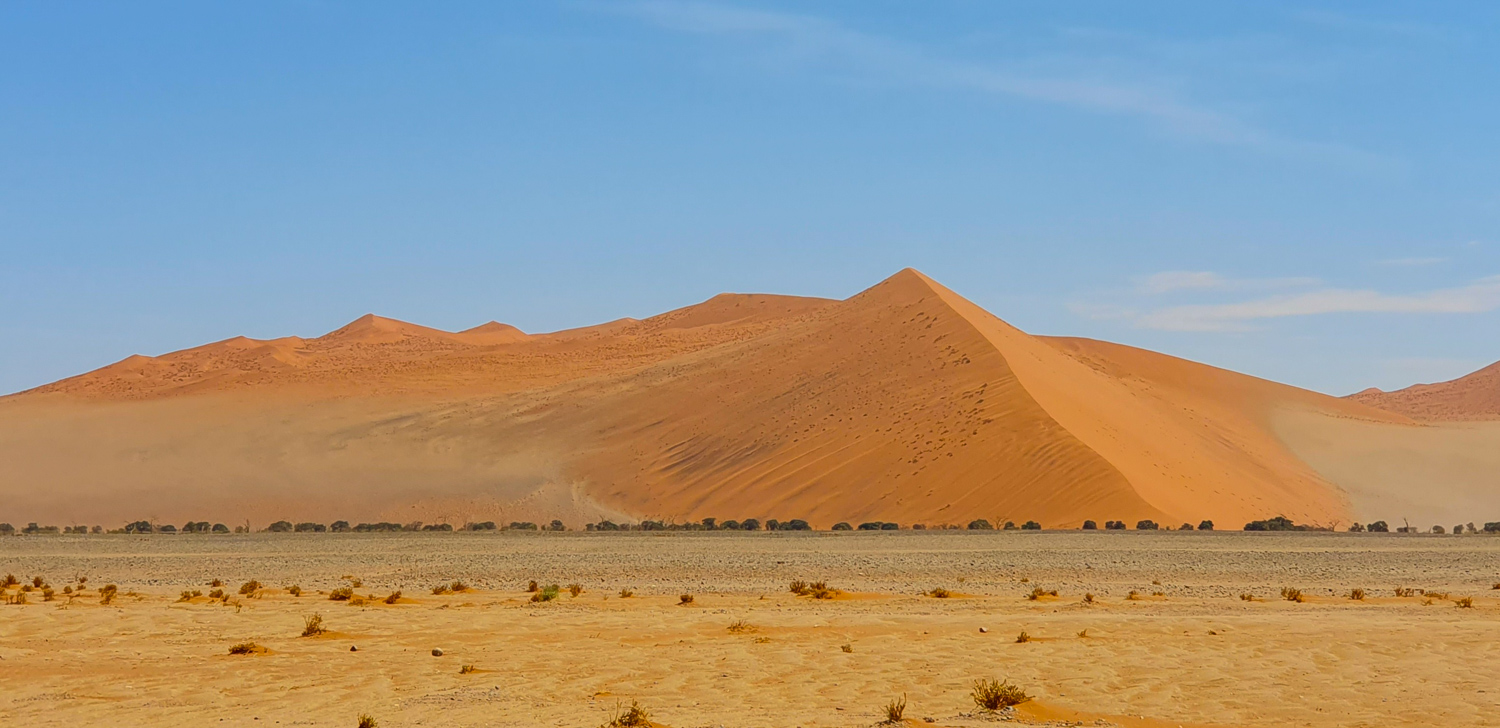
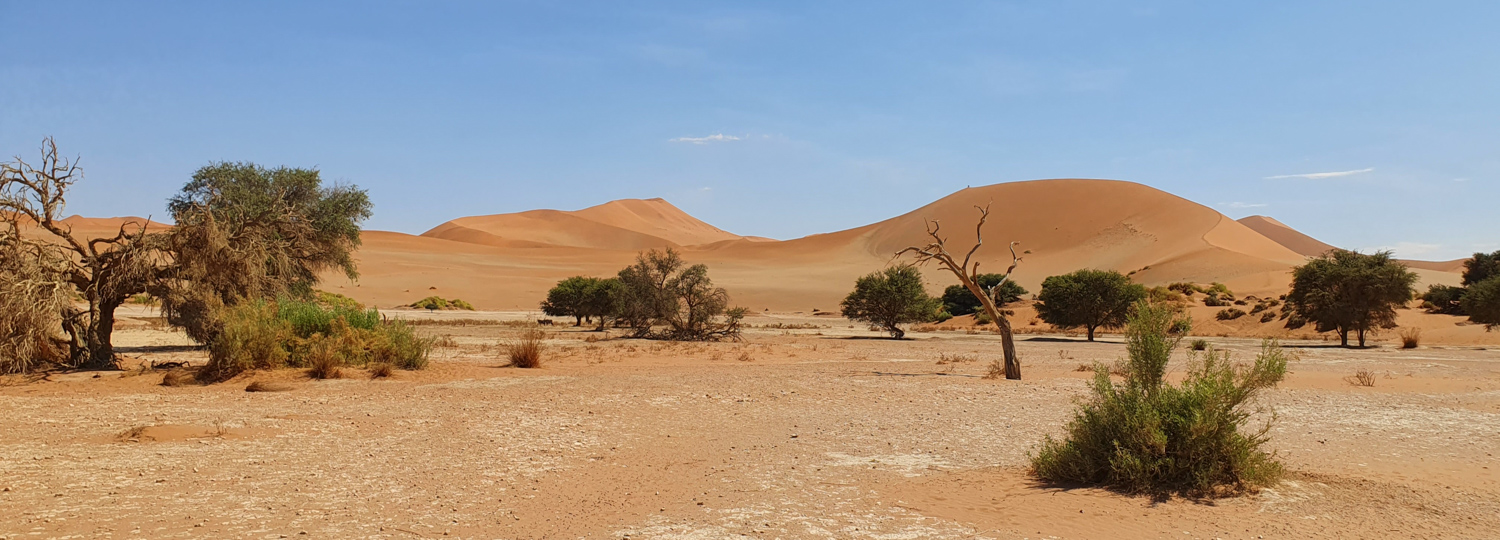
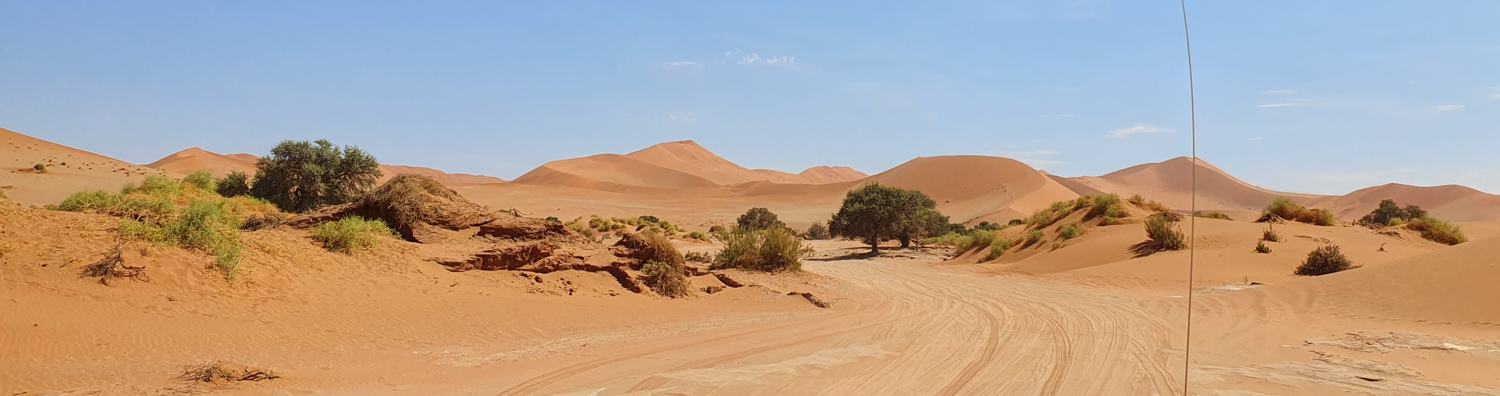
All of this looks stunning and it is hard not to fall in love with this scenery.
Sossusvlei
Sossusvlei is one of the most iconic and photographed places in Namibia, located in the heart of the Namib Desert. It lies within the Namib-Naukluft National Park, one of the largest conservation areas in Africa. The name “Sossusvlei” comes from the Nama word “sossus” meaning “dead end” and the Afrikaans “vlei” meaning “marsh” or “pan.”
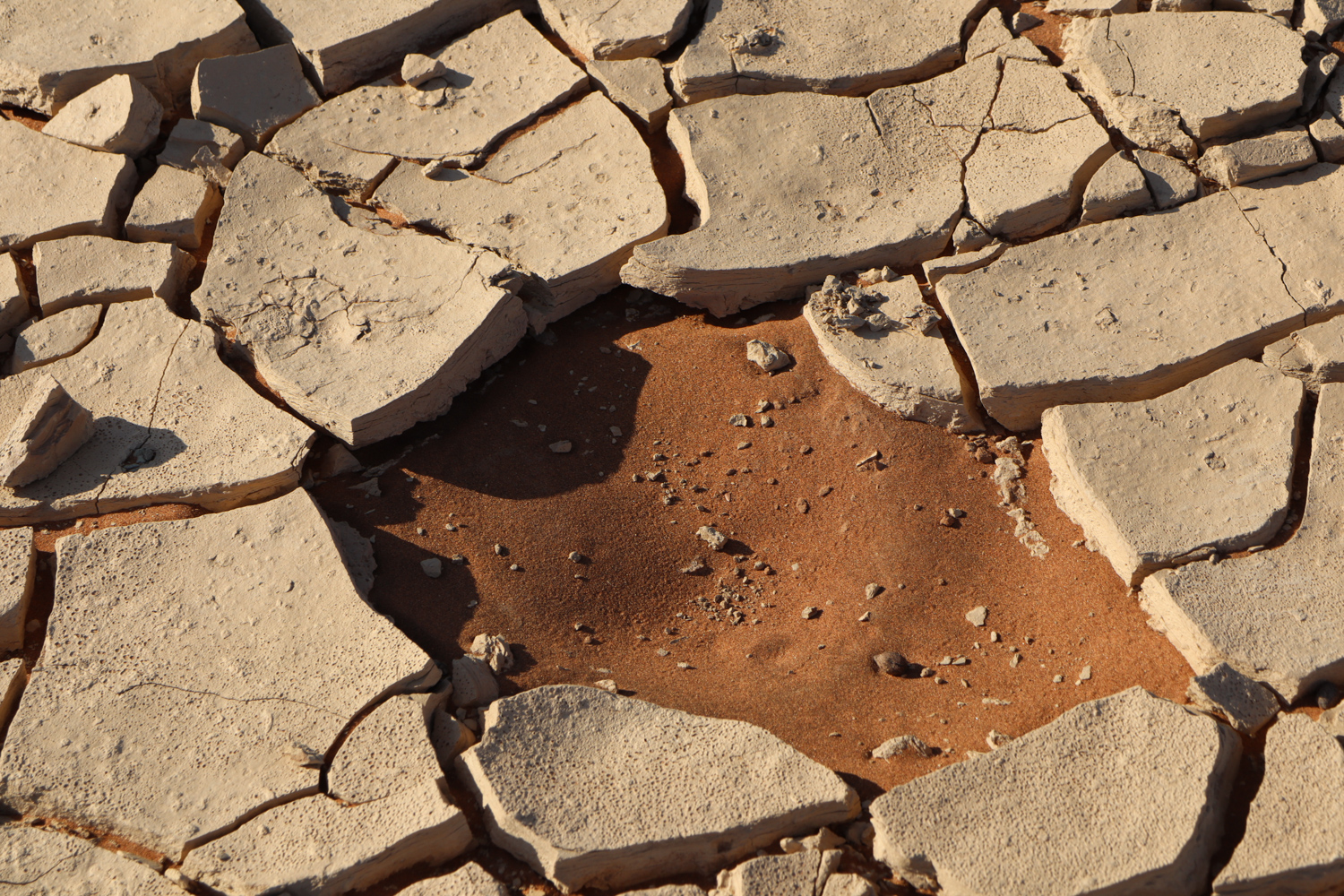
Sossusvlei refers to a salt and clay pan surrounded by towering red sand dunes. These dunes are some of the tallest in the world, with some reaching heights of over 300 meters. The pan itself only fills with water in rare years when the Tsauchab River floods. Most of the time, it is dry, cracked, and white, creating a dramatic contrast against the red dunes.
The dunes are ancient, formed over millions of years by wind-blown sand. Their intense orange-red color comes from the iron in the sand that has oxidized over time. The shifting dunes are constantly sculpted by wind, creating sharp ridges and elegant curves. One of the most famous dunes is Dune 45, named for its location 45 km from the park gate. Dune 45 is popular with visitors who climb it at sunrise for spectacular views.
Another prominent dune is Big Daddy, the tallest dune in the Sossusvlei area. Big Daddy overlooks Deadvlei, a haunting white pan filled with the skeletal remains of ancient camelthorn trees, long dead but not decomposed due to the dry climate. Deadvlei is often considered one of the most surreal and beautiful landscapes on Earth. Its cracked white clay floor, blackened trees, and orange dunes create a painterly scene under a deep blue sky.
The region around Sossusvlei is home to unique desert-adapted flora and fauna. Oryx antelope, springbok, and ostriches can be seen wandering the area, surviving on minimal water. Tiny creatures like fog beetles and geckos thrive by harvesting moisture from early morning fog. Plants such as camelthorn trees, desert grasses, and occasional shrubs take root in the sandy ground.
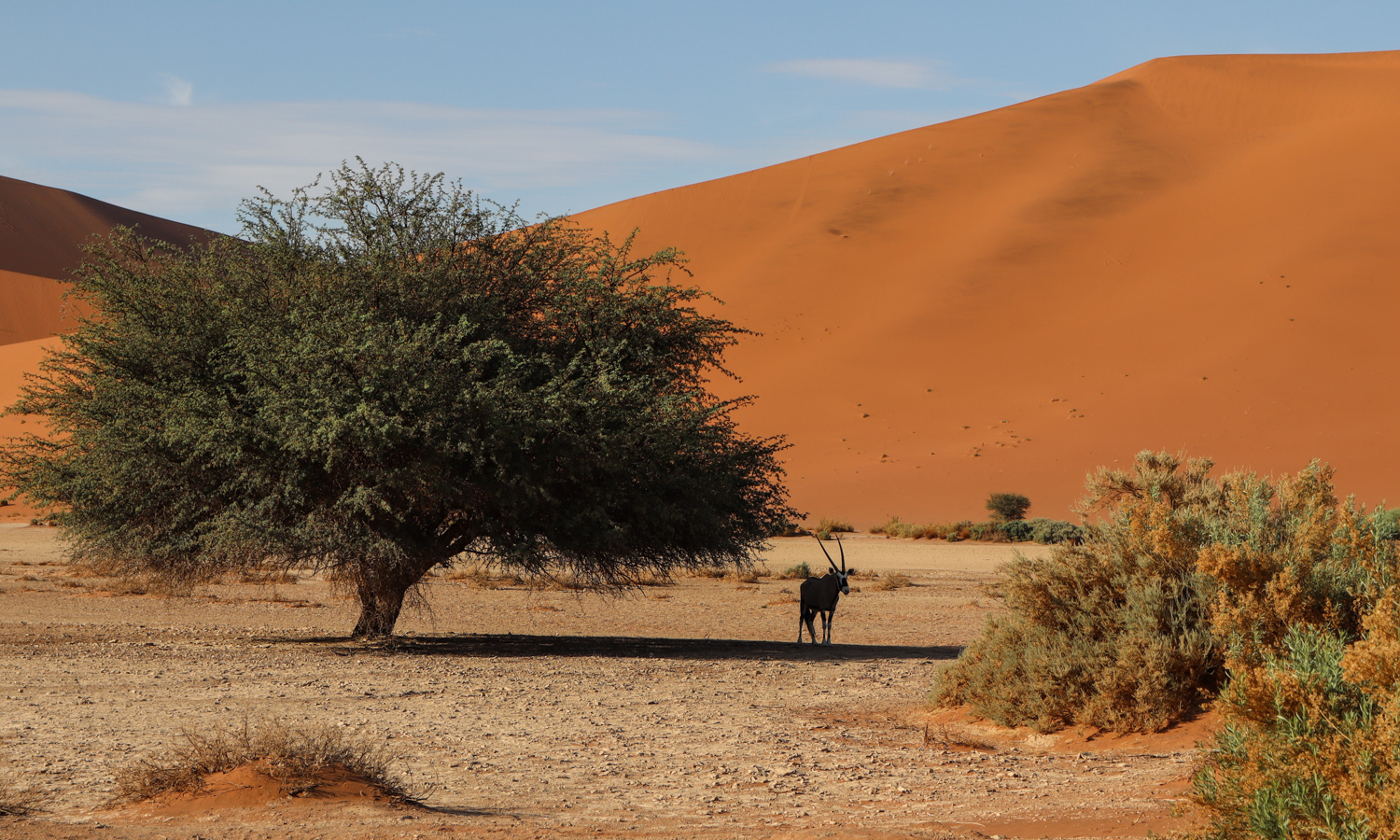
Sossusvlei is especially magical at sunrise and sunset when the low light casts long shadows across the dunes. Temperatures can be extremely hot during the day and drop sharply at night. The skies are often clear, making it an excellent spot for stargazing. Despite its harsh conditions, the area feels full of life, motion, and subtle beauty.
Access to Sossusvlei is by a 60 km road from the Sesriem gate, with the last stretch passable only by 4×4 vehicles. Many visitors choose to stay overnight in nearby lodges or camps to enter the park at dawn. The name “Sossusvlei” is often used loosely to describe the whole surrounding area of dunes and pans. Though shaped by aridity and time, Sossusvlei draws travelers, photographers, and scientists from around the world.
It is a place where silence dominates, and nature’s shapes and colors speak louder than words. Standing atop a dune and looking out across a sea of red waves is an experience both humbling and unforgettable. Sossusvlei is not only a geographical wonder but a symbol of the raw, timeless beauty of the Namib Desert.
Sesriem canyon
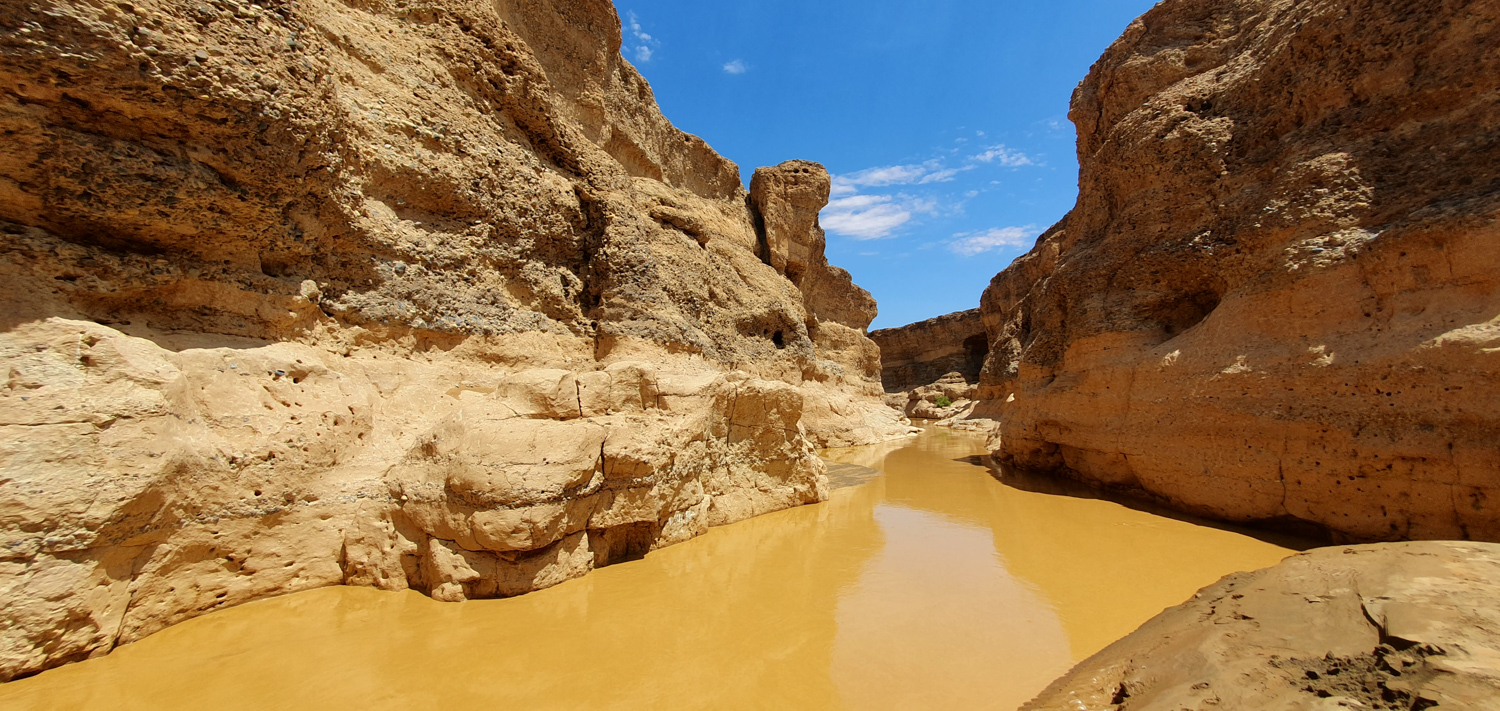
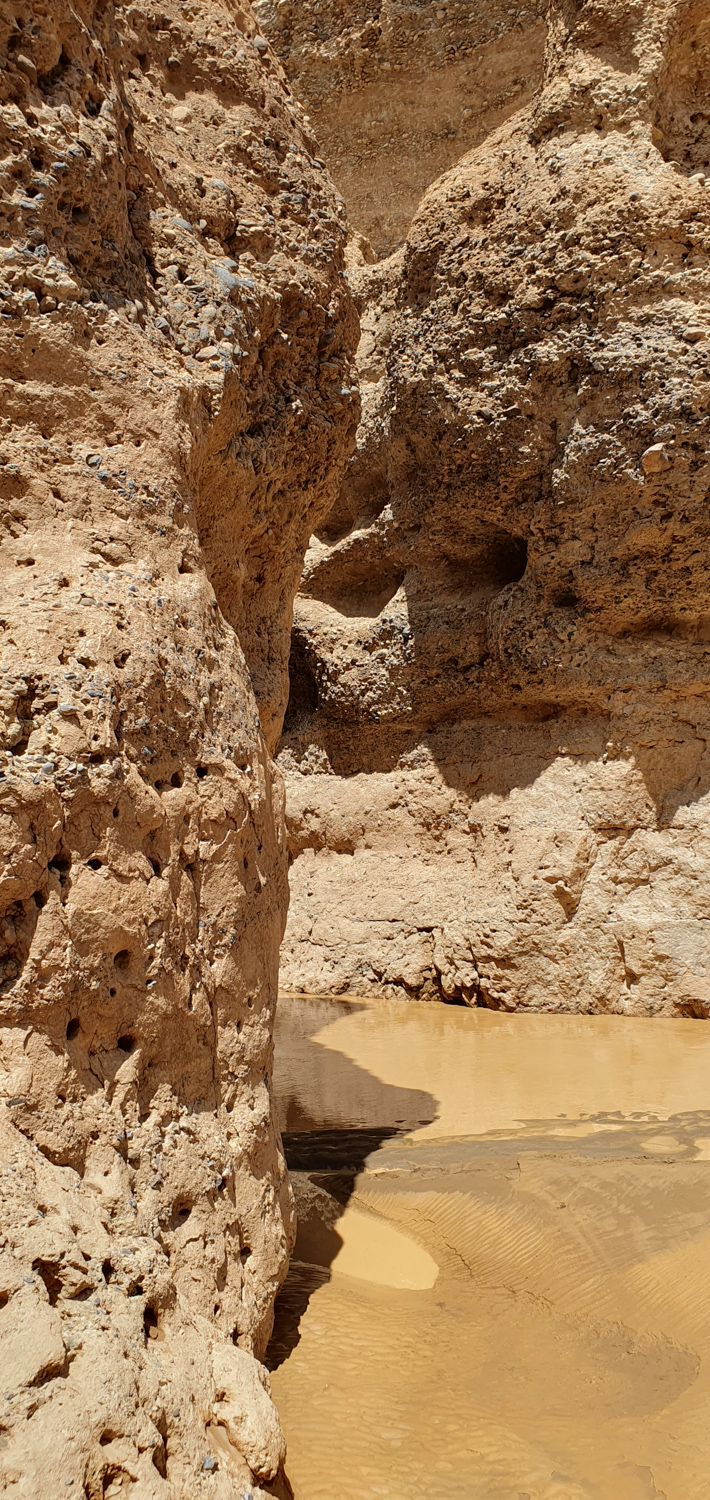
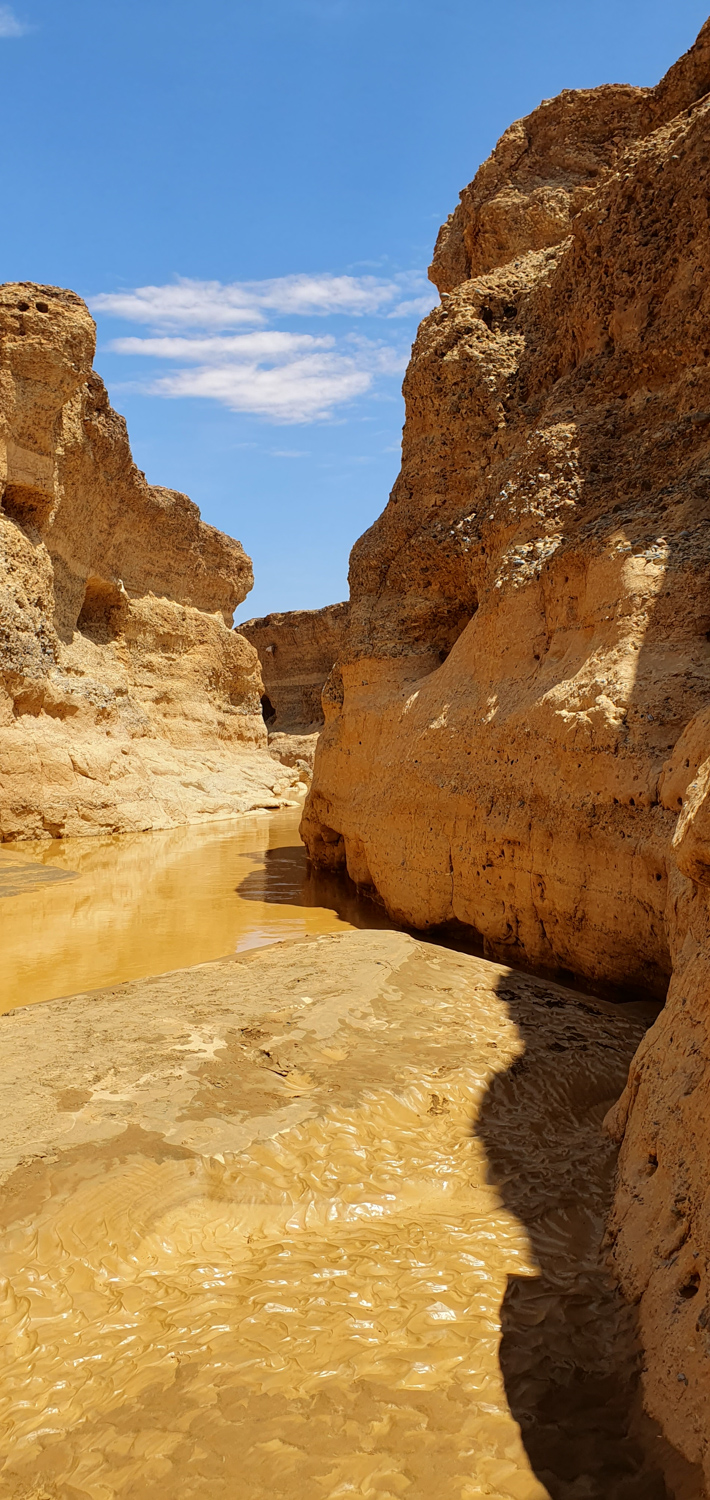
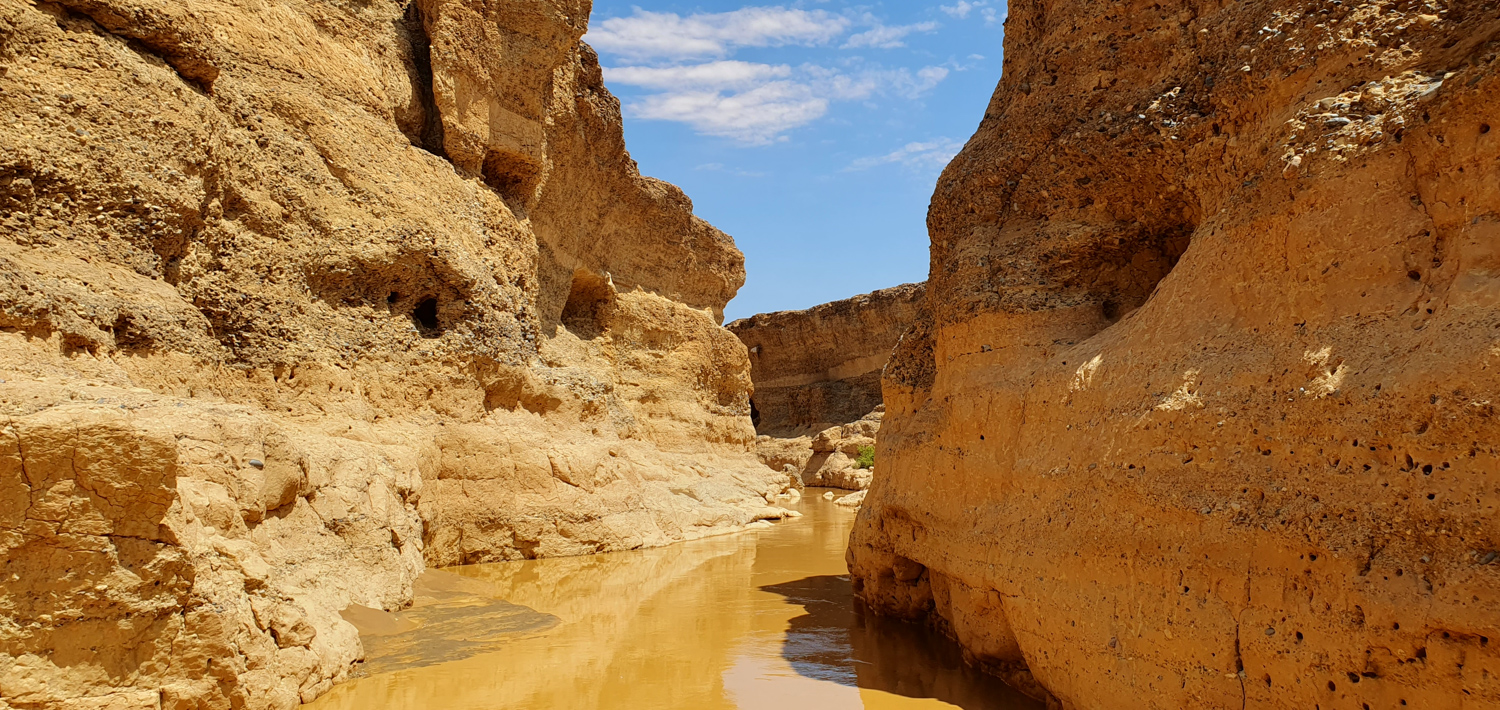
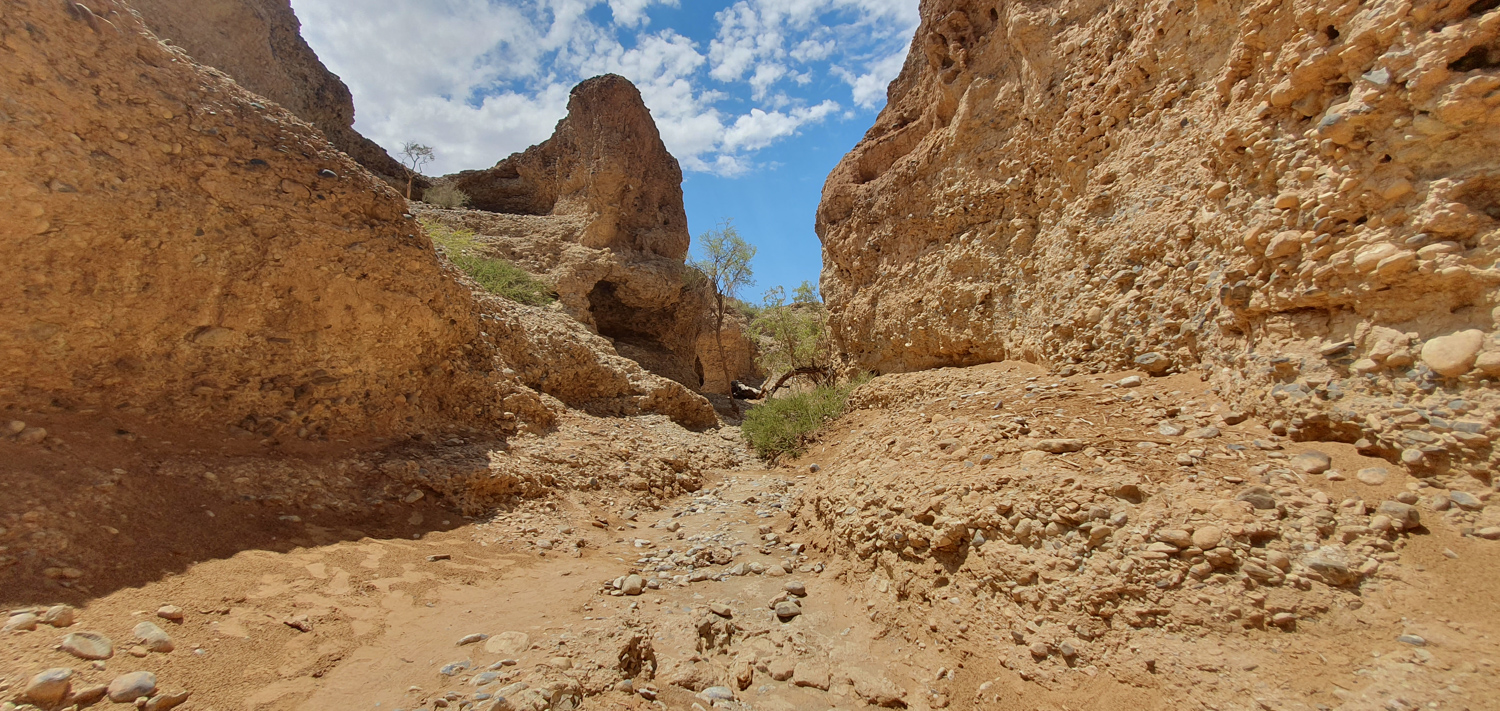
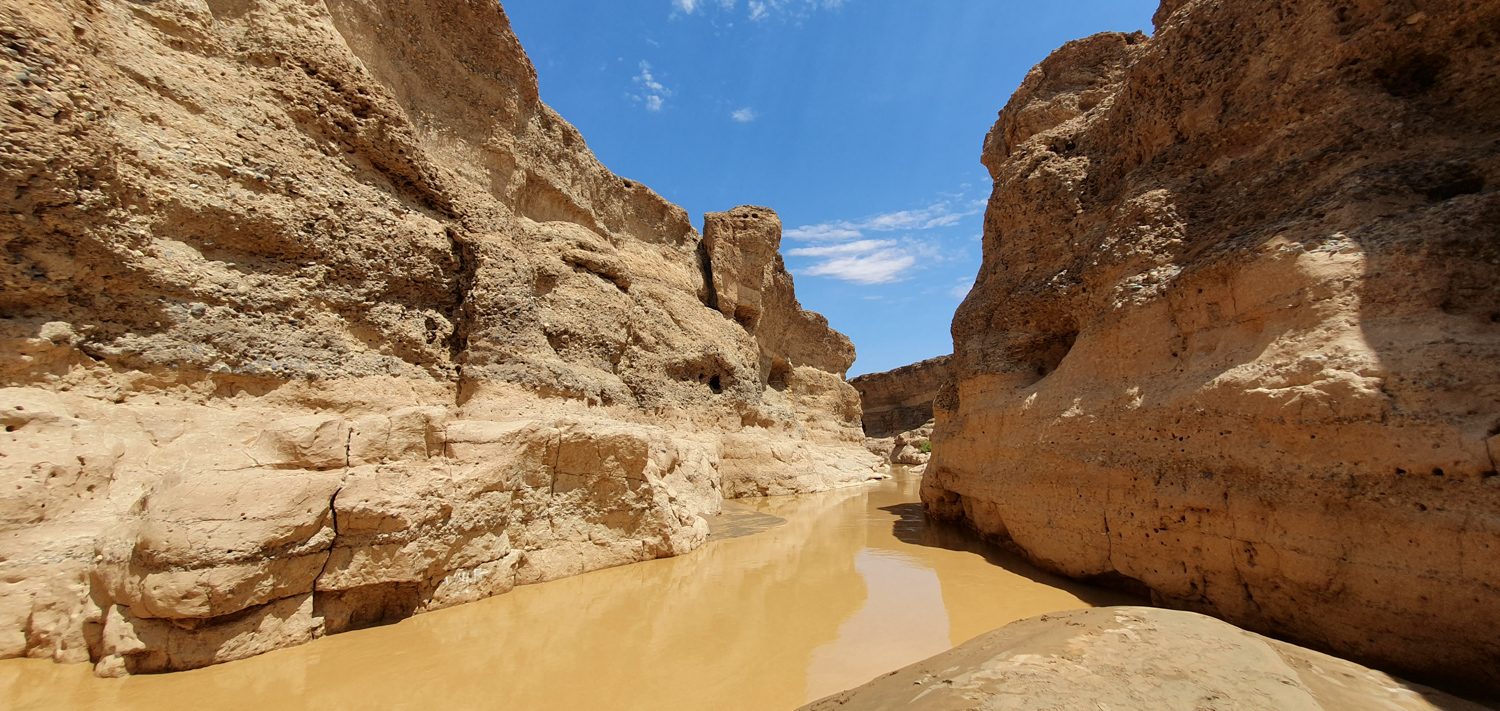
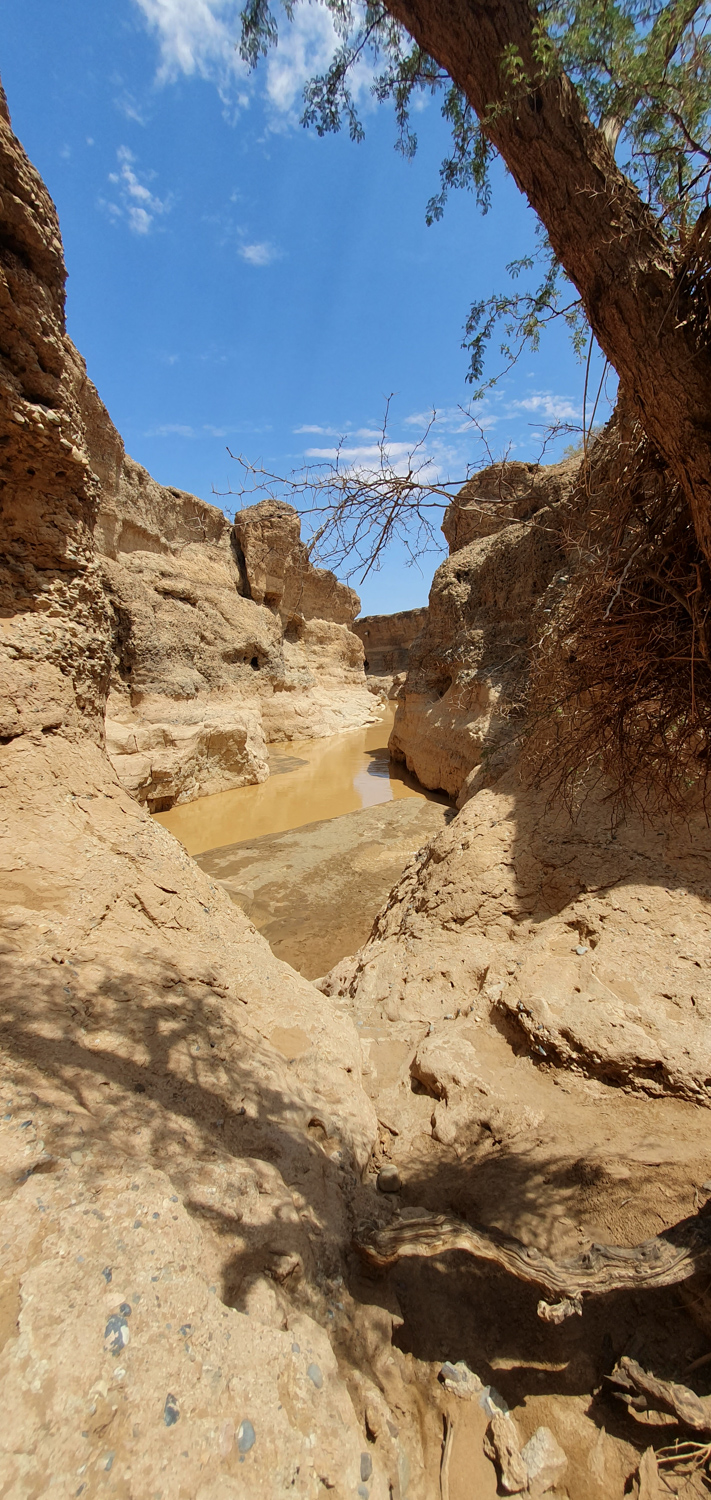
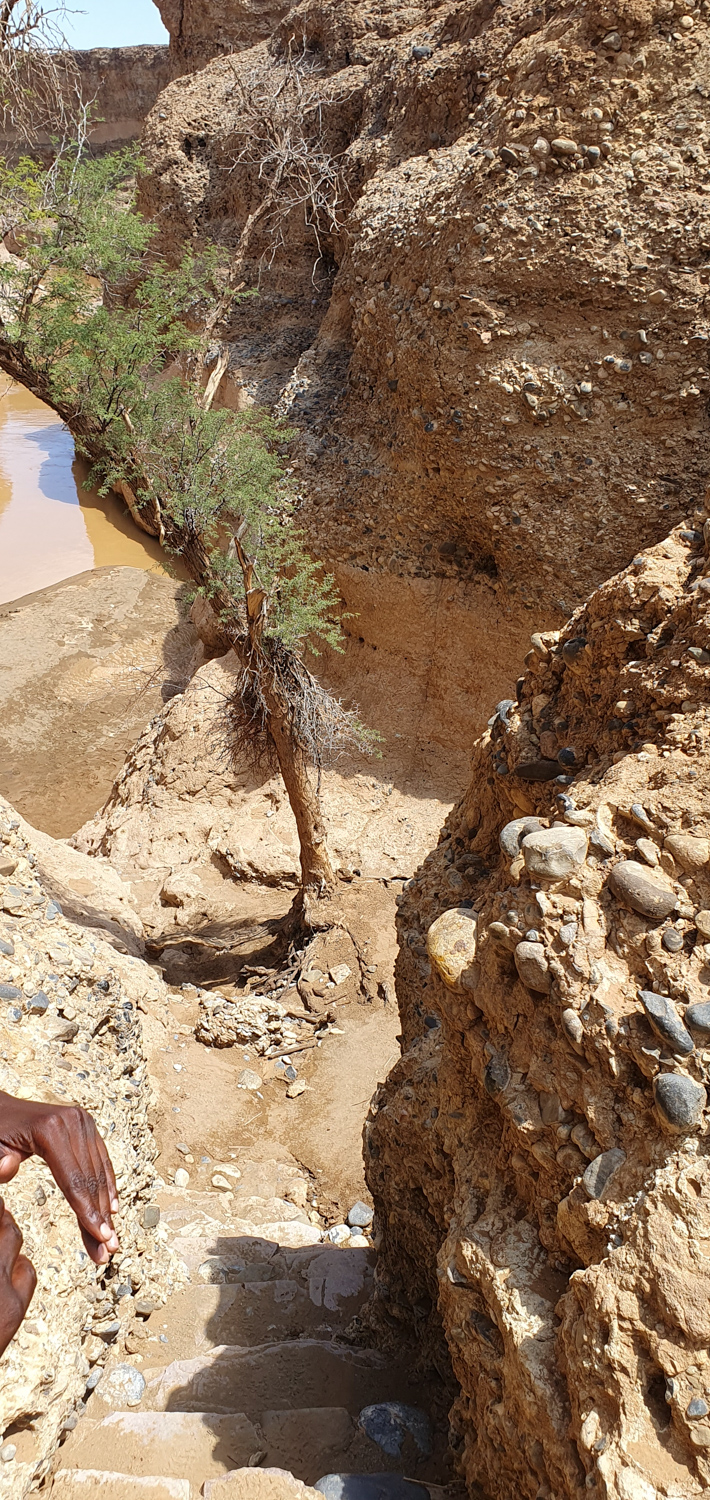
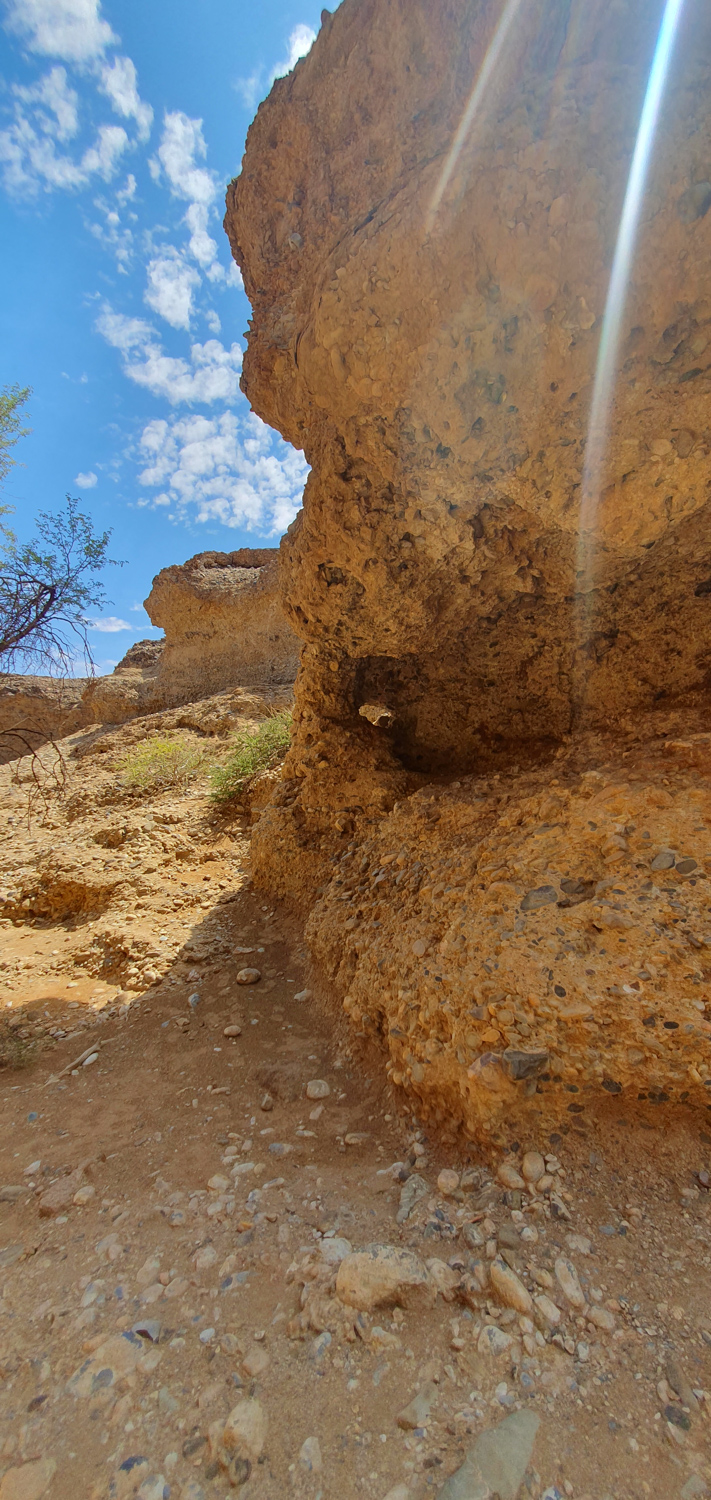
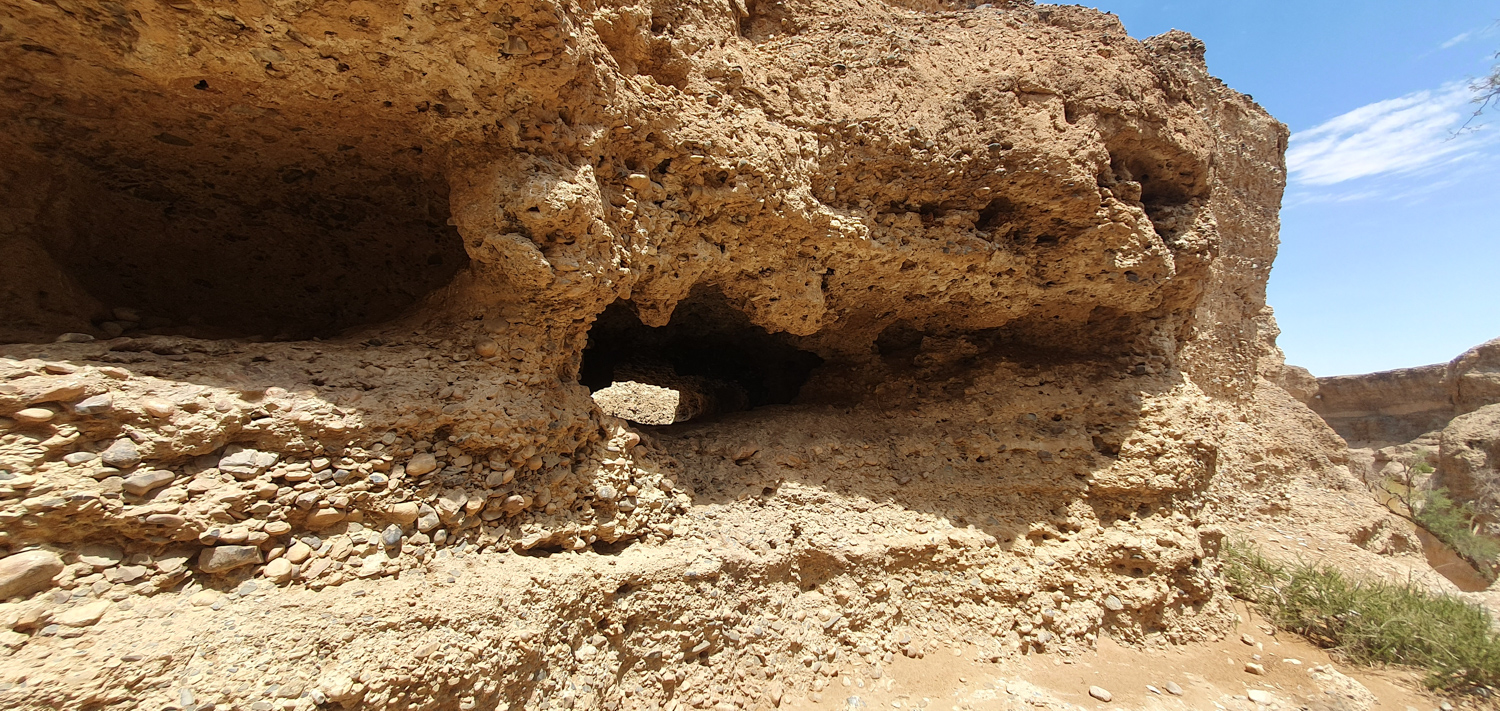
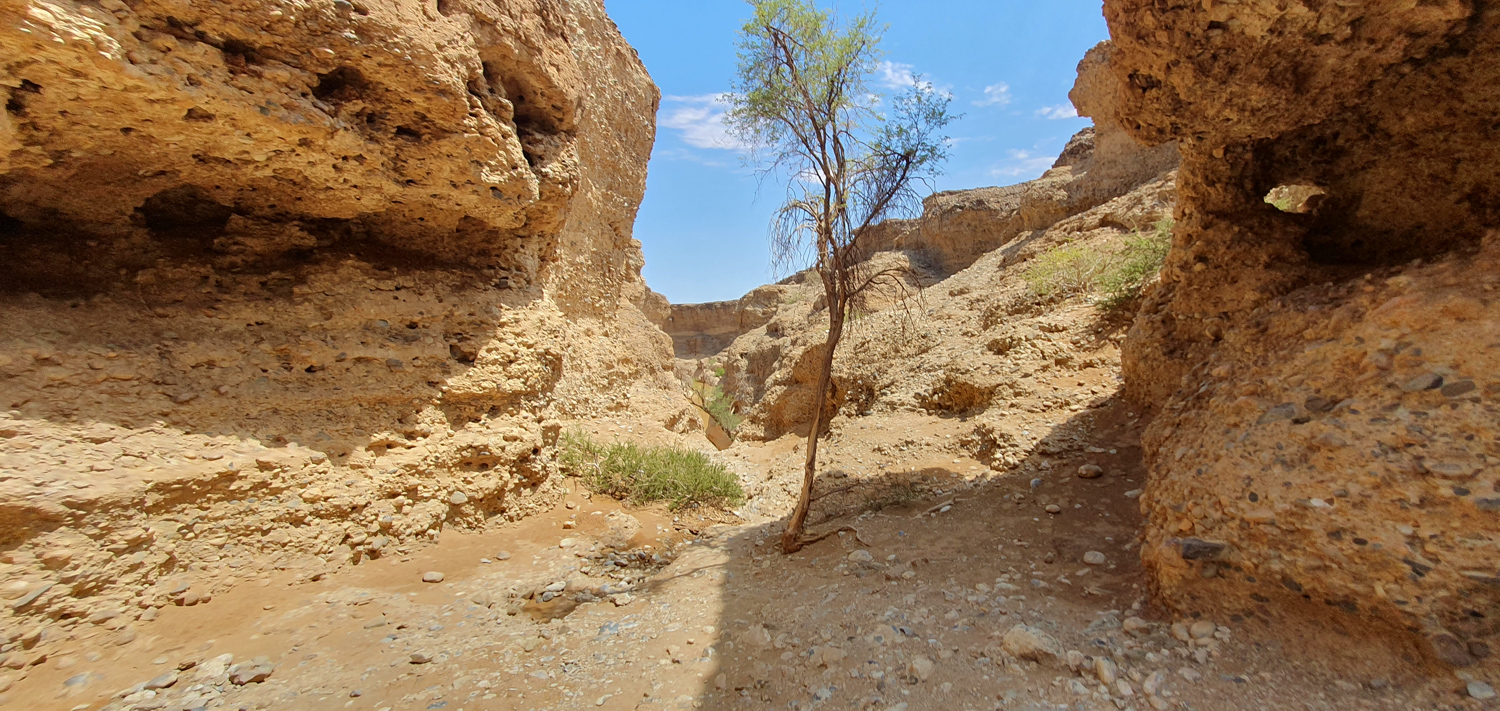
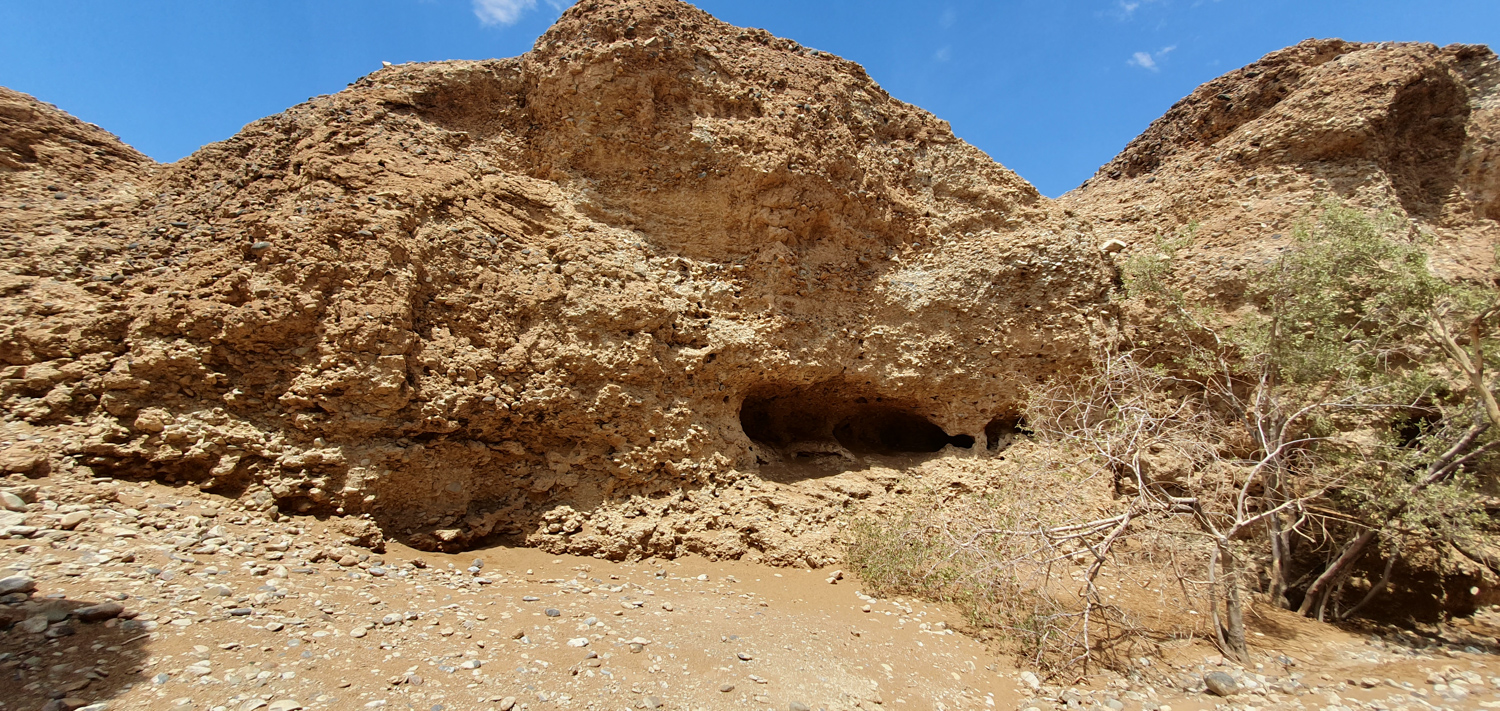
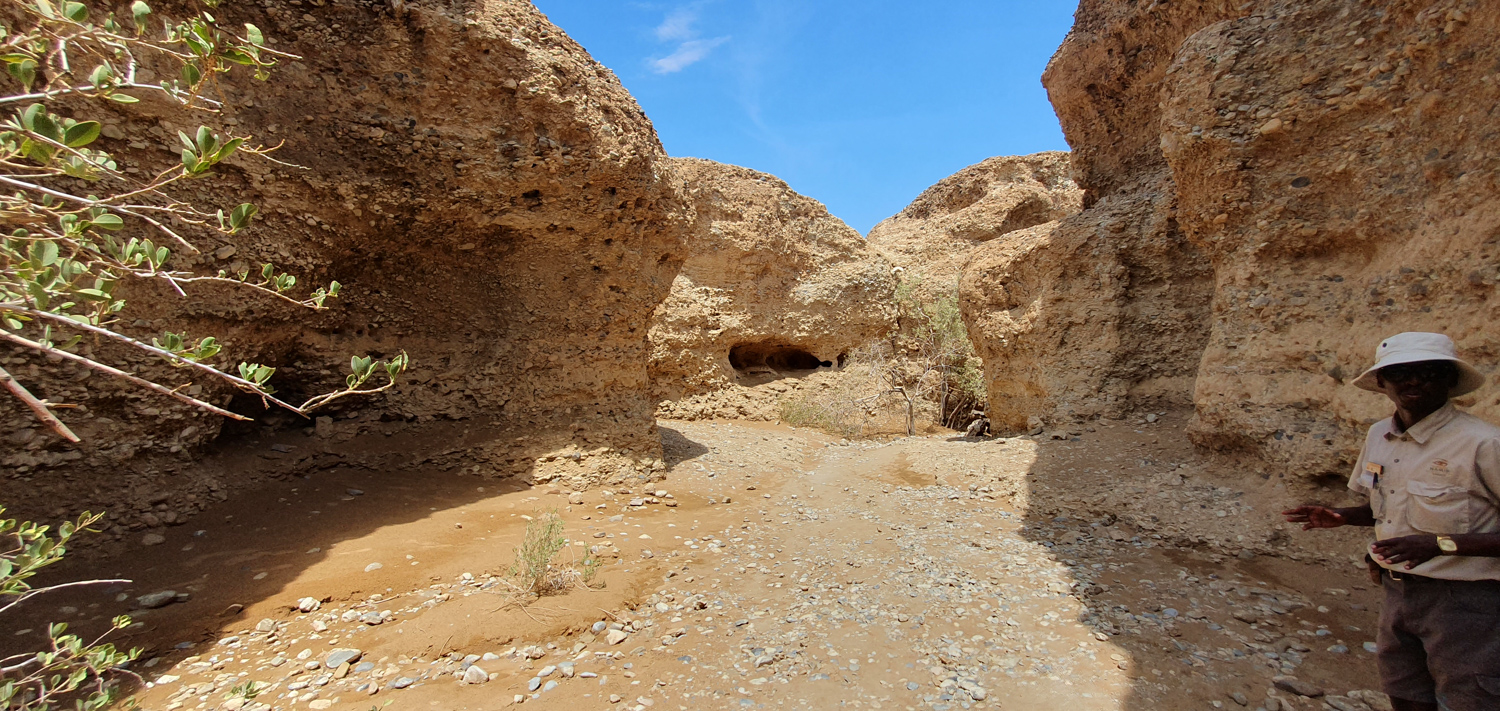
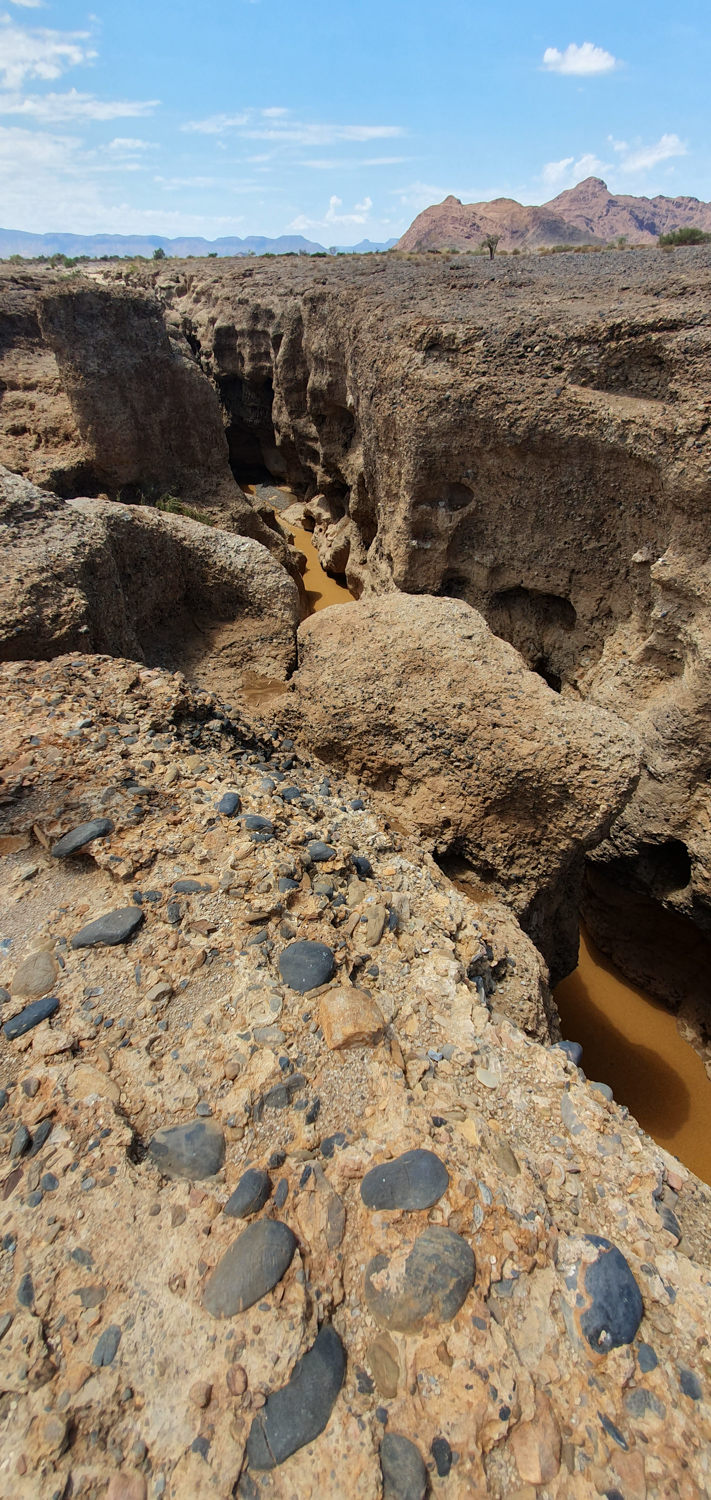
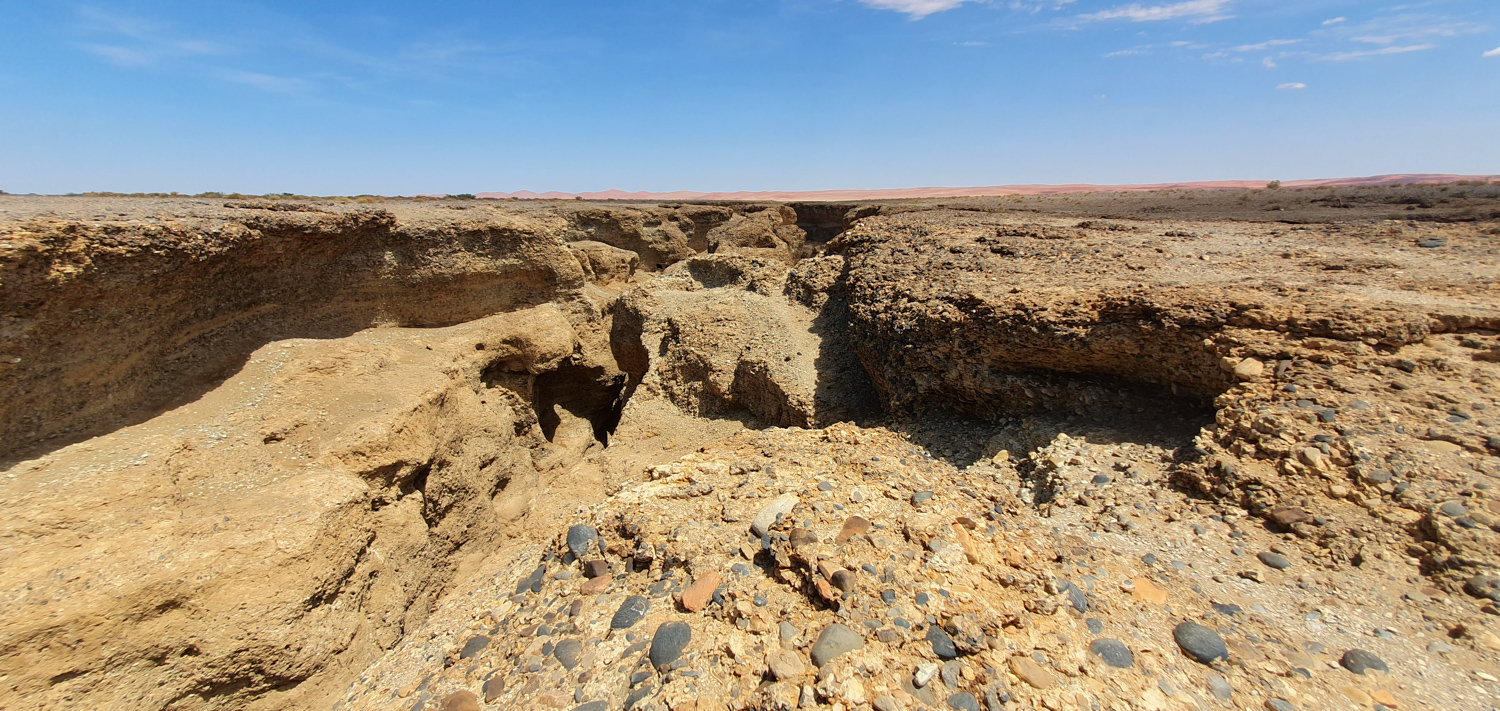
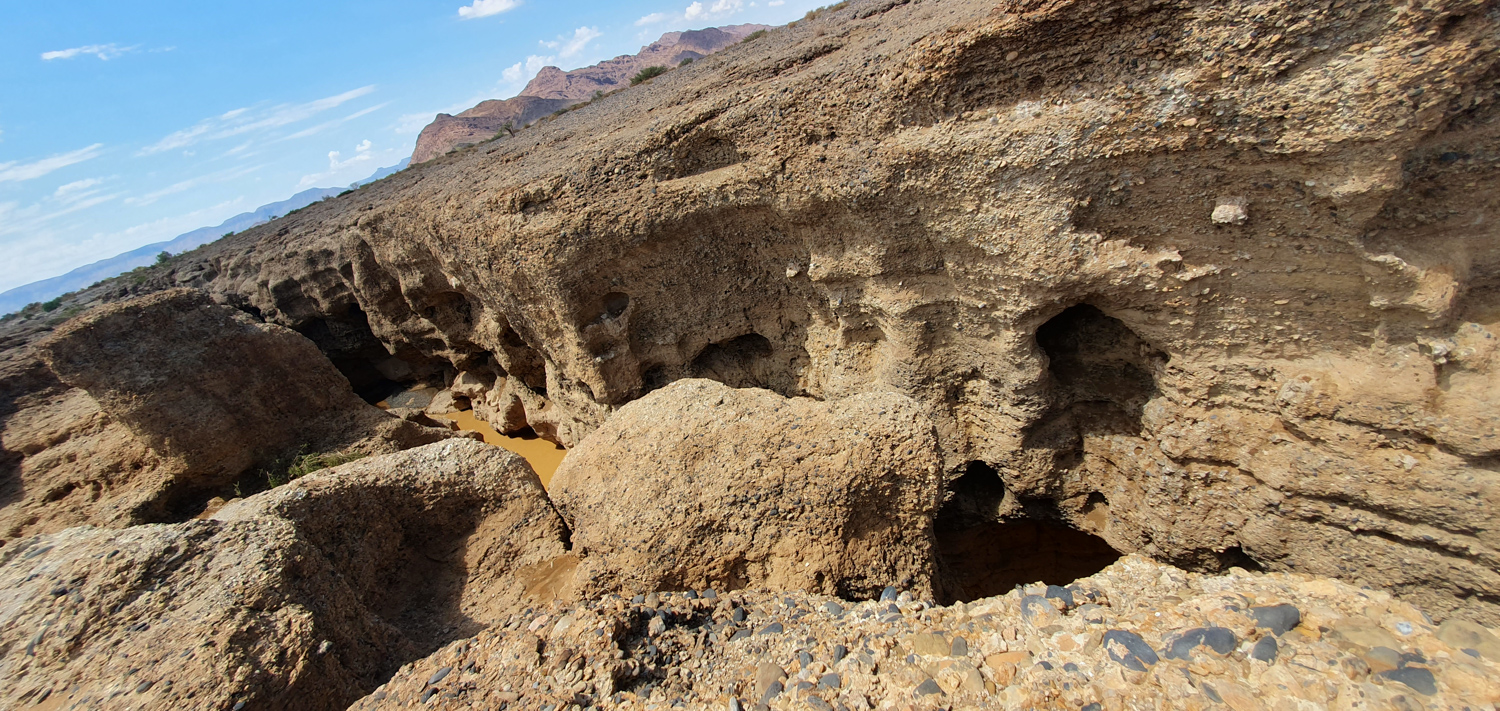
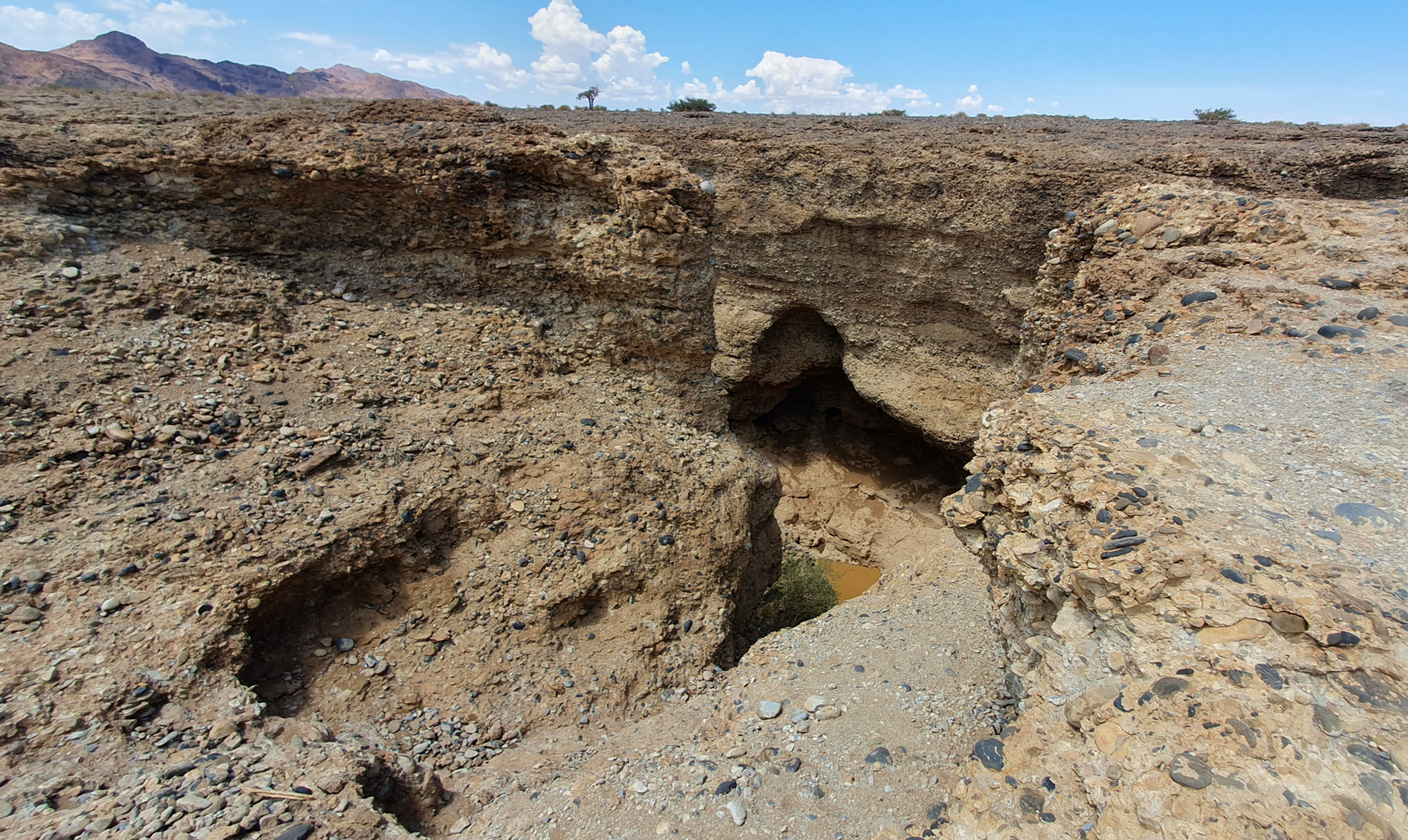
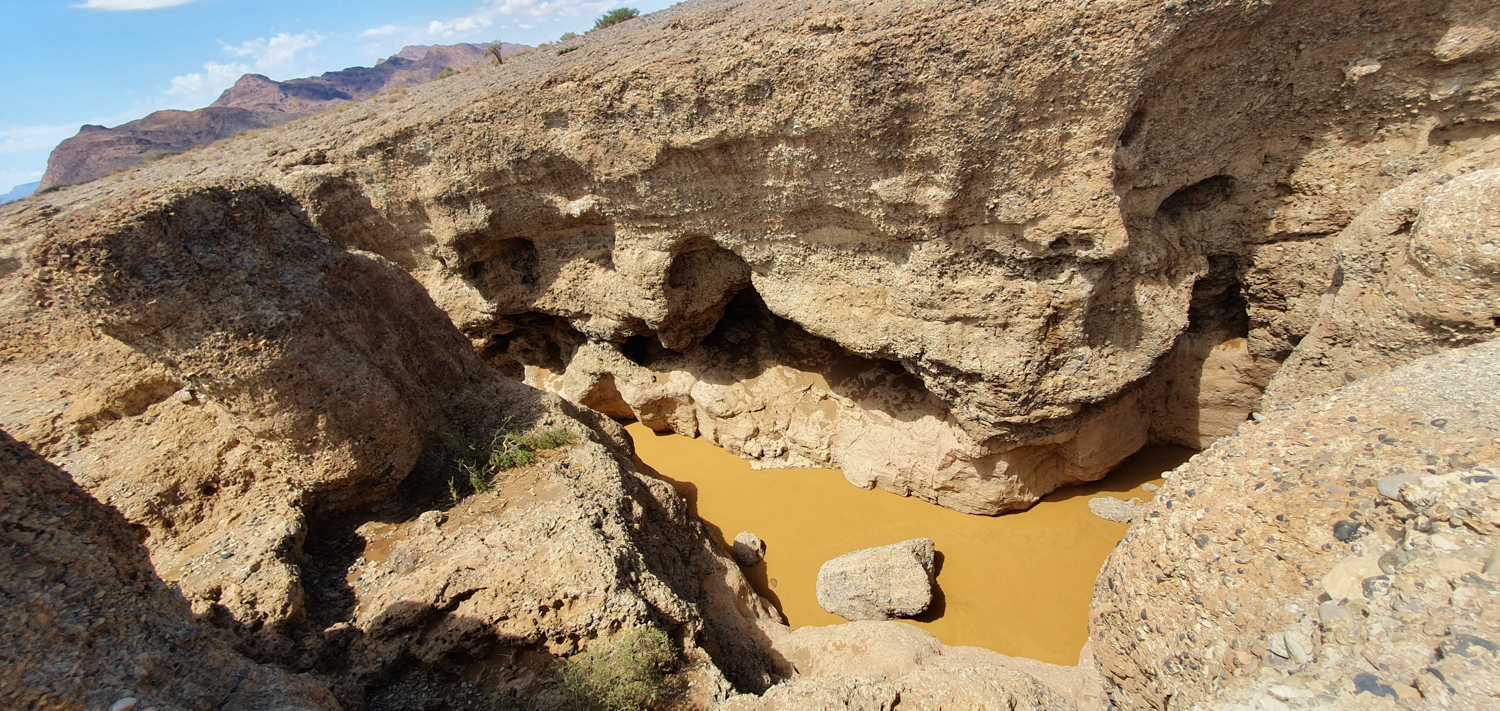
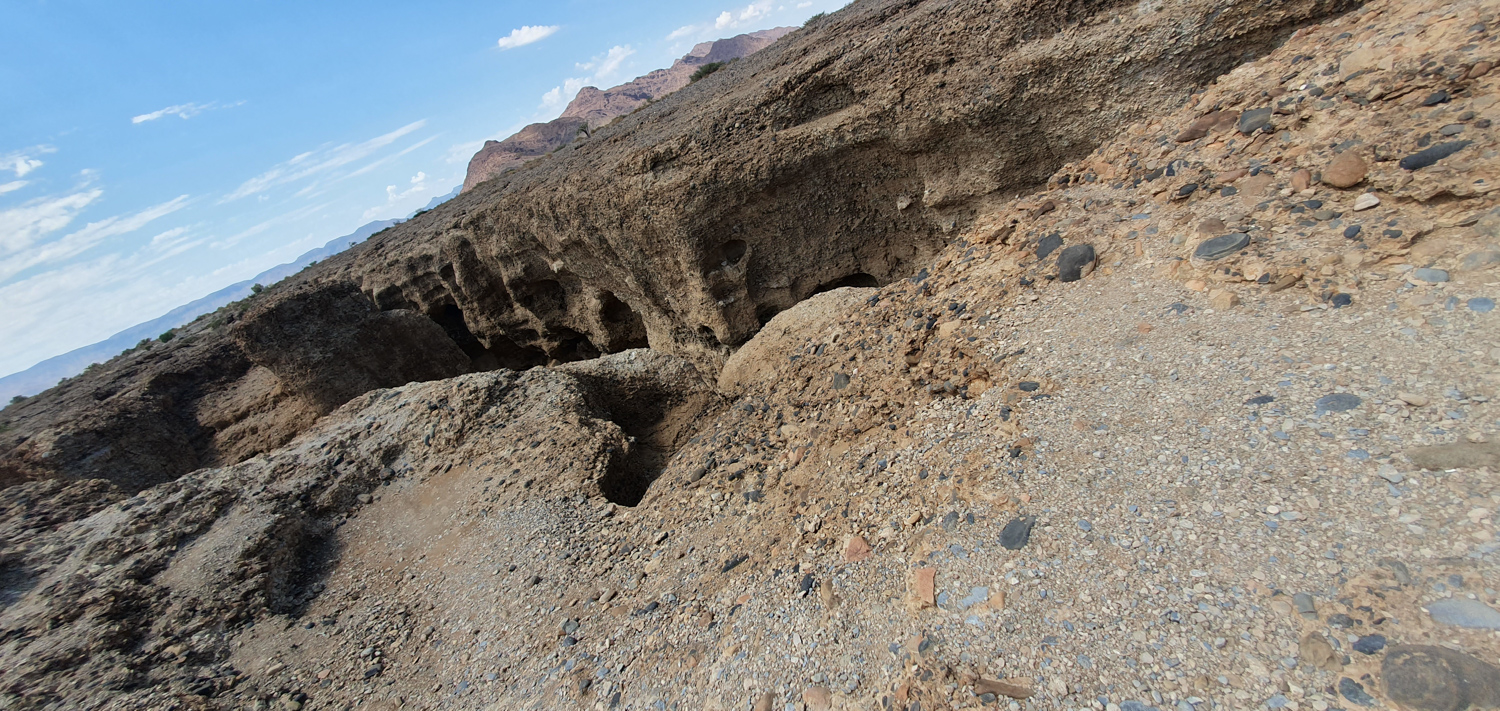
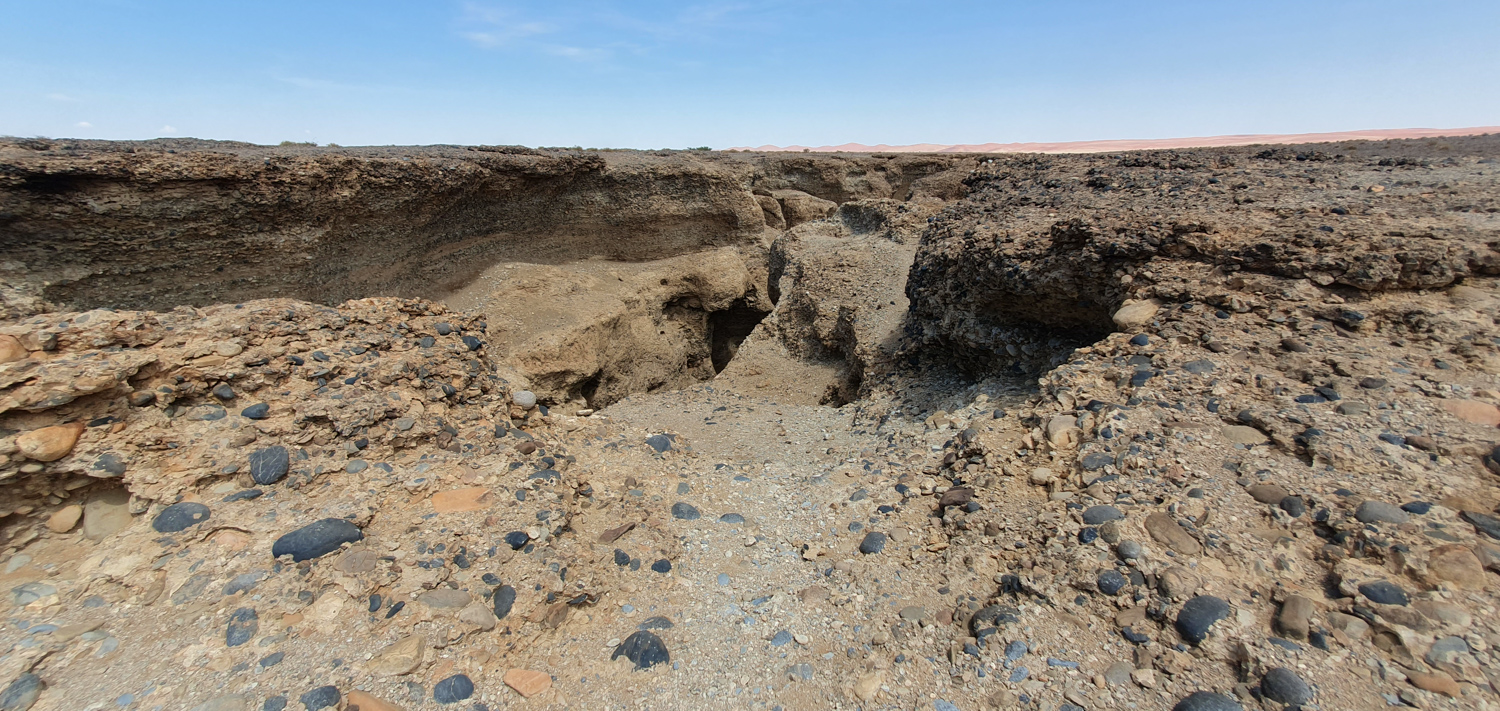
There is a canyon nearby, called Sesriem; its length measures approx 1 km of raw beauty. Due to the aforementioned Tsauchab river’s flood it has been affected greatly by a tremendous amount of water and became essentially unhikeable. Still, I took time to explore it with the guide while the others, exhausted by extreme heat, stayed in the vehicle.
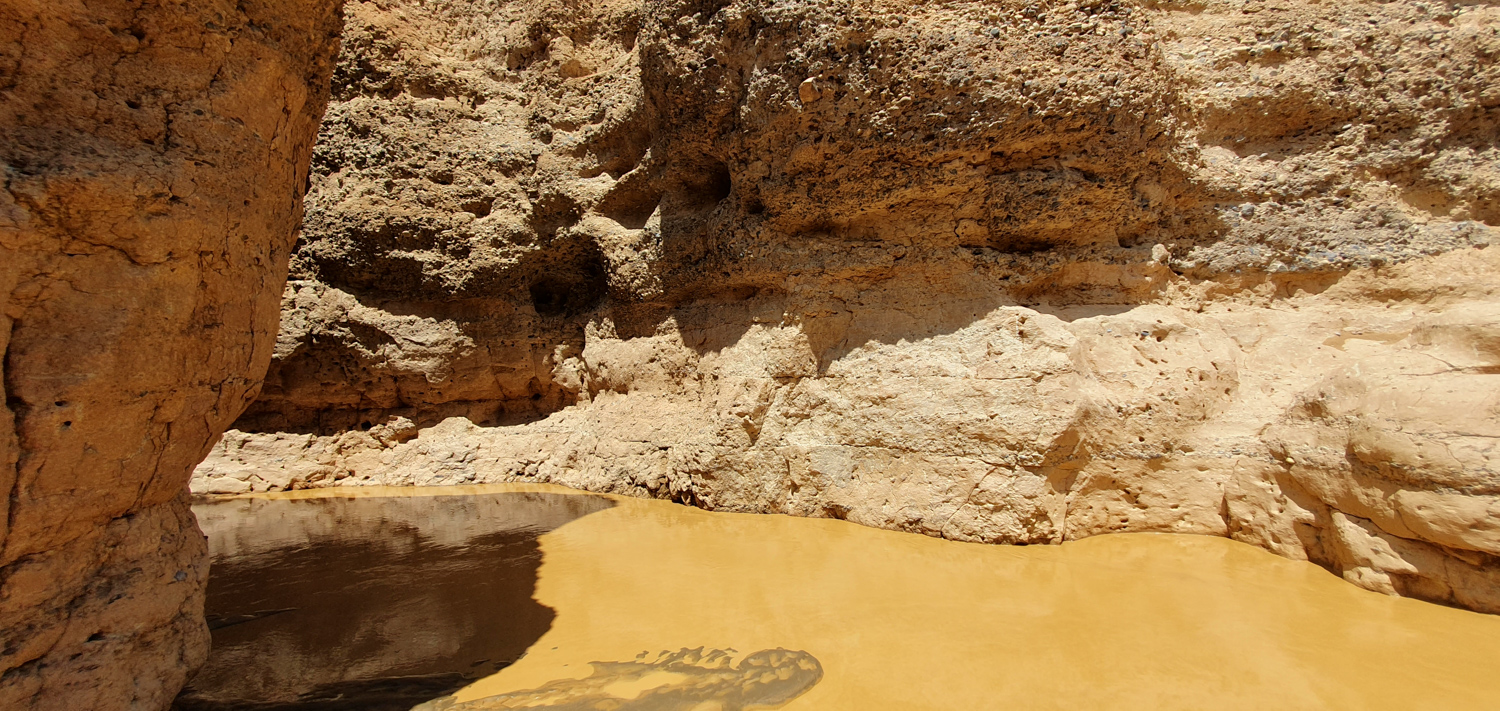
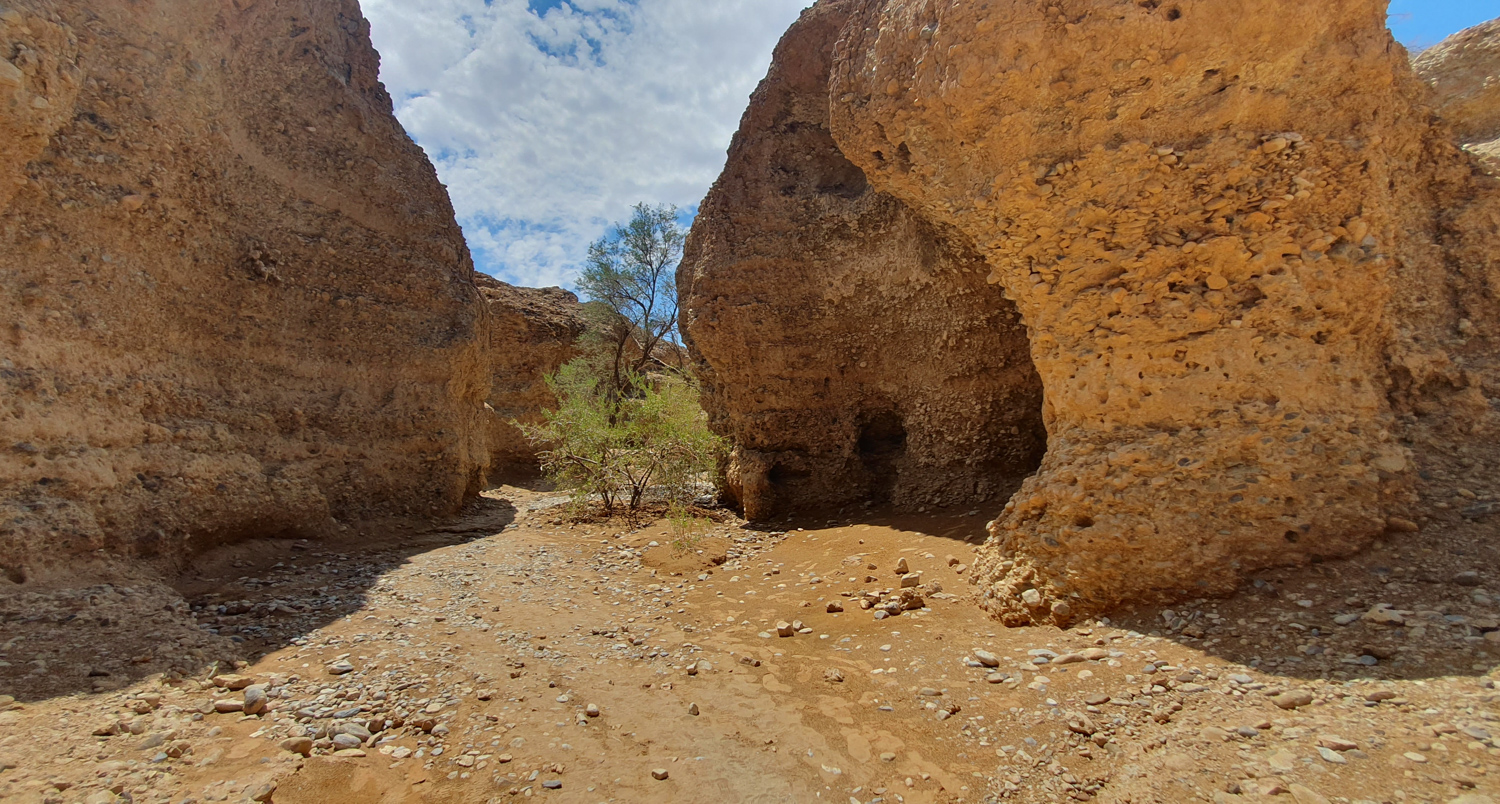
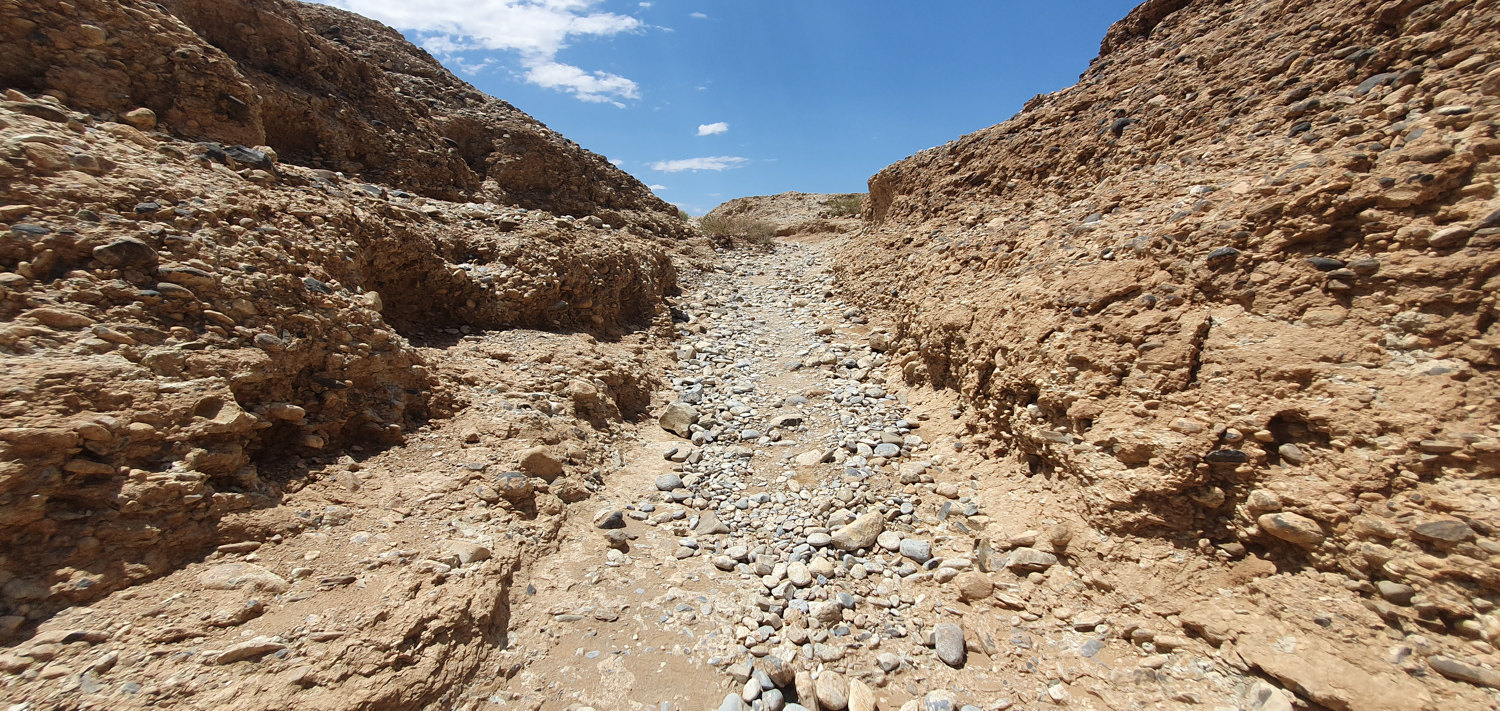
There are not many days in one’s life when such beauty, in concentrated version, gets presented in front of our eyes. Pleased to see all this and ready to see more, I concluded the day, thinking: what a place to be at.