Visiting the Seven lakes in Tajikistan
 Ivana
Ivana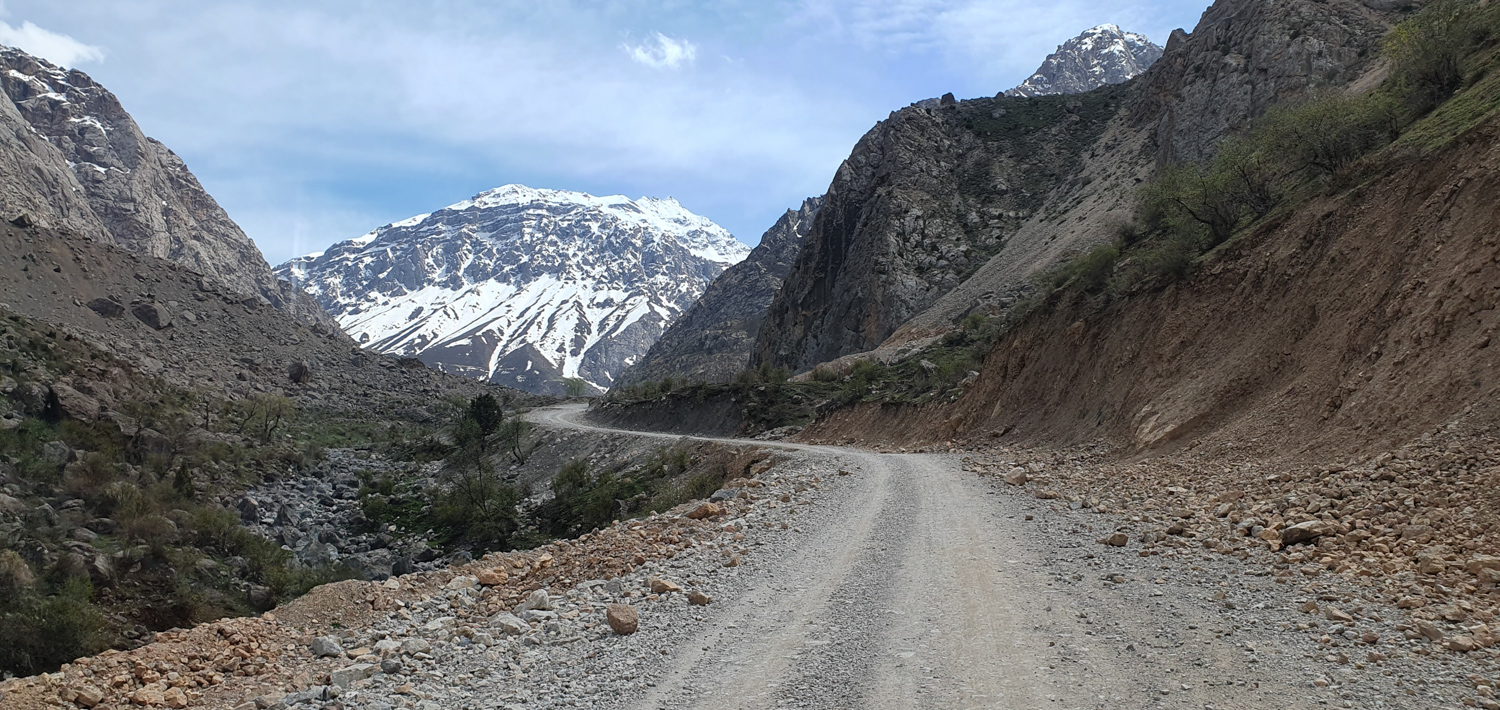
Trip to Tajikistan – exploring the Seven lakes
I reached Samarkand and came to the room late in the evening, managed to charge all possible devices and prepared myself for the trip to the neighboring country scheduled for the next morning – Tajikistan. I wanted to see something really out of this world, and for me, a Balkanian living in Scandinavia, with zero previous exposure to Tajikistan, this tour seemed to be a go to place and an easy pick.
At 7:30 the driver picked me up, collected several more passengers and drove towards the border with Tajikistan. After an hour in a car driving through lush green and colorful Uzbek villages towards the border, we were instructed to cross the border by foot, and the Tajik guide would be waiting for us on the other side, ready to start the actual tour, which in total lasted 12 hours.
I have booked many tours while traveling alone. I do that only if I am unable to reach that destination by myself or it poses excessive planning or logistics. This tour is easily one of the best ones I ever attended, due to the guide. Her name is Diloshub, a young Tajik woman. She knew that for every one of us (total 10 people) this trip is the first contact with Tajikistan, and she was therefore extremely motivated to share the knowledge about the culture, tradition, history and geology of her country. Somehow, she effortlessly managed to show the intention to inspire us, without being excessively annoying and pushy. Just by being herself, and being down to Earth in every known way, she was really a great host.
The goal of the day was to reach the last of the Seven lakes (Haftakul), which are a necklace of seven lakes stretching in the valleys between the towering Tajik mountains. Their names are, from the one on the lowest altitude to the one on the highest:
- Mizhgon
- Soya
- Gushor
- Nofin
- Khurdak
- Marguzor
- Hazorchashma
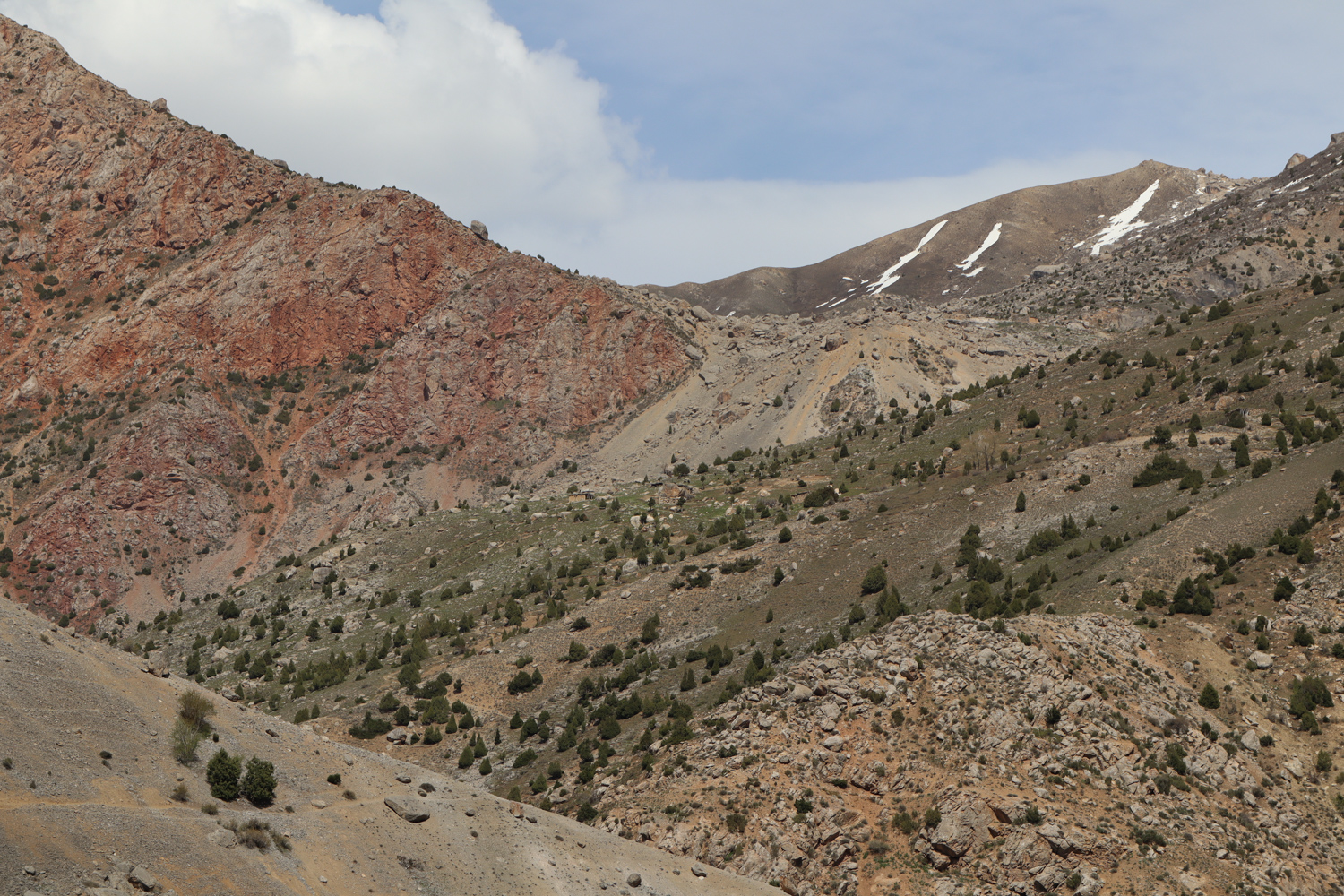
These lakes are spectacular and they are located deep within the mountainous area, spread along 15 km over a winding gravel road. Their beauty was amplified with the color coming from the clear blue skies clashing with earthy tones and textures of the mountains and stones surrounding them; as the day went on, the clouds have cleared up and the colors exploded. These lakes were formed by landslides and earthquakes, and each one has a different color due to minerals which they contain and light refracting on their surfaces.
Here are the lakes.
The Seven lakes / Haftakul
Mizhgon (Nezhigon, “eyelash”)
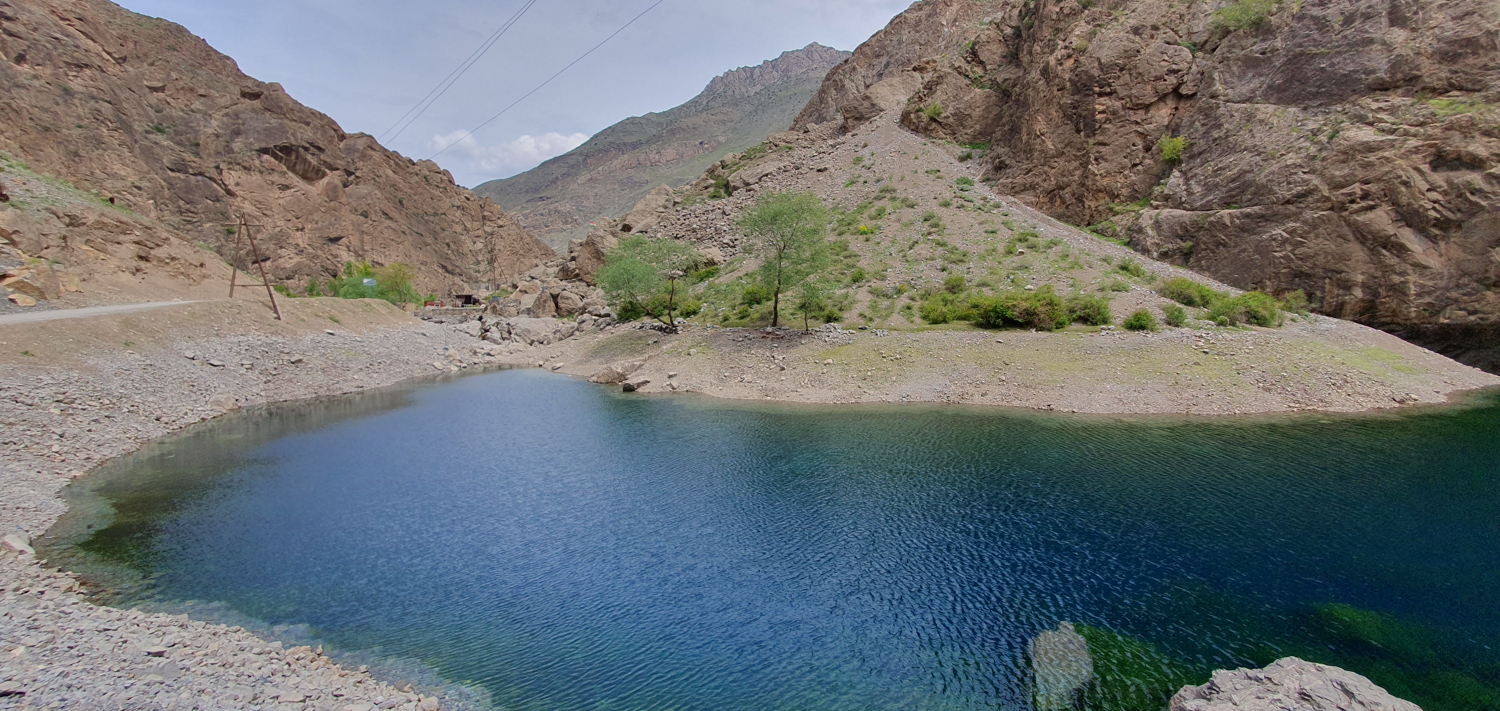
Starting with Mizhgon, at 1 640 m. The colors are vibrant and change dramatically. We stopped at every one of those lakes, and really took time to absorb the beauty on a such fine day.
Soya (“shady”)
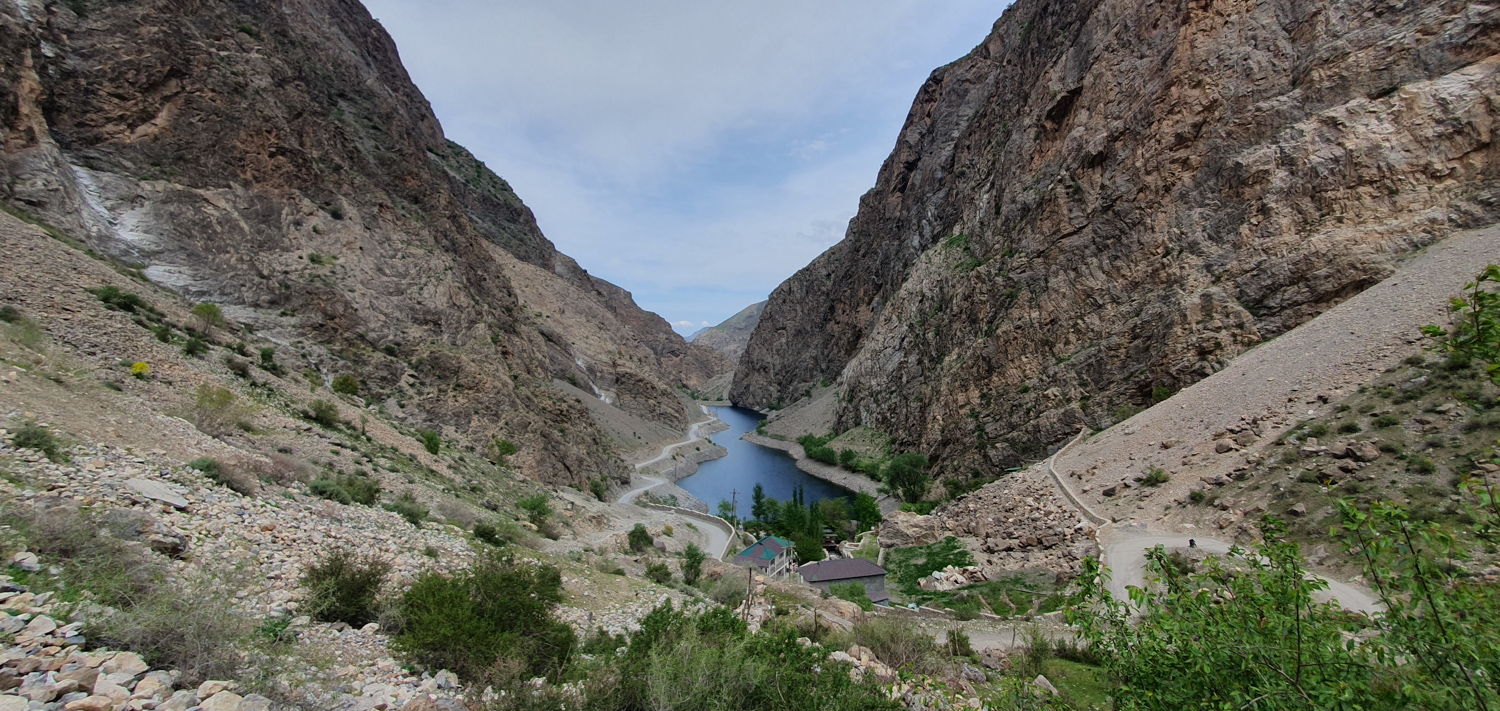
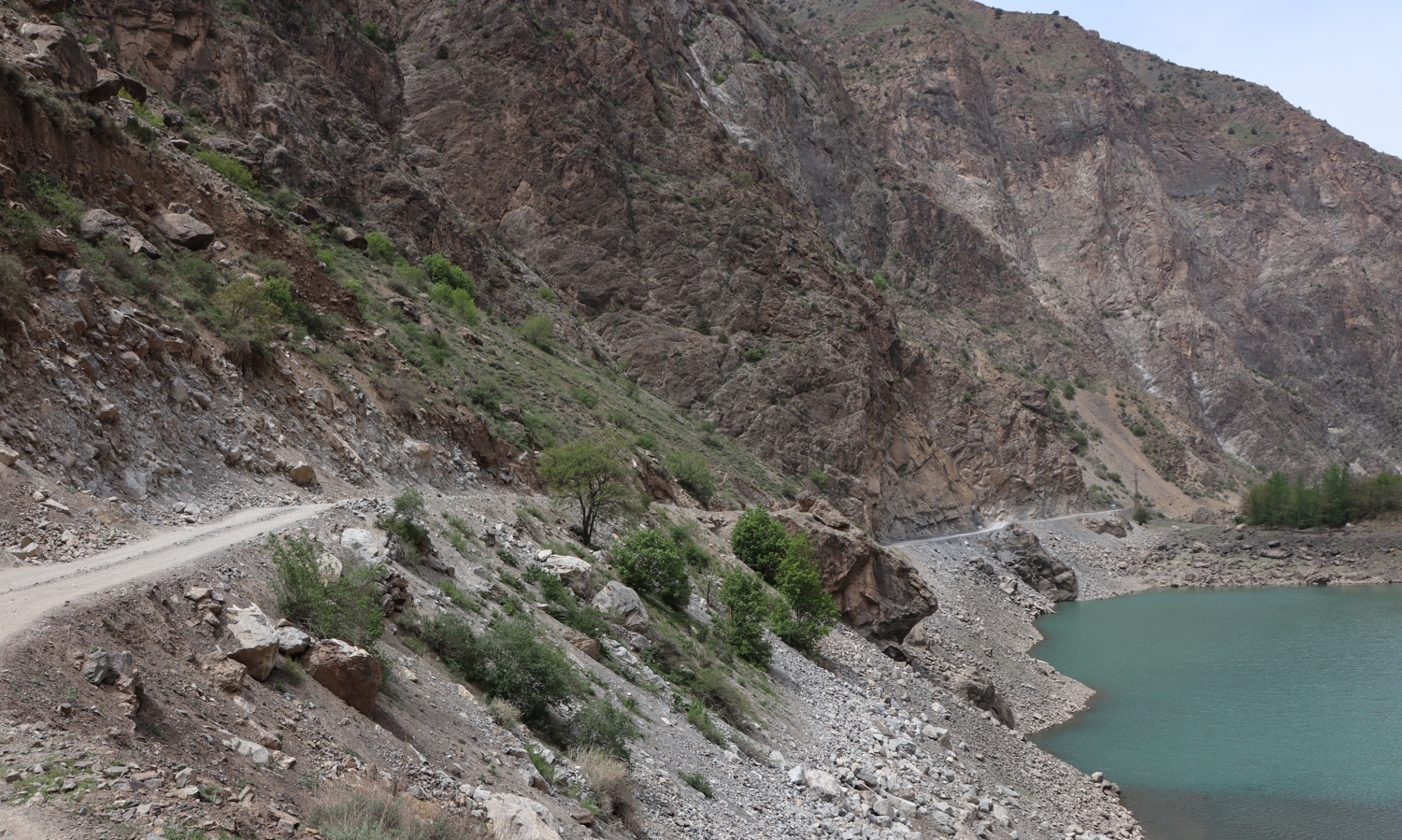
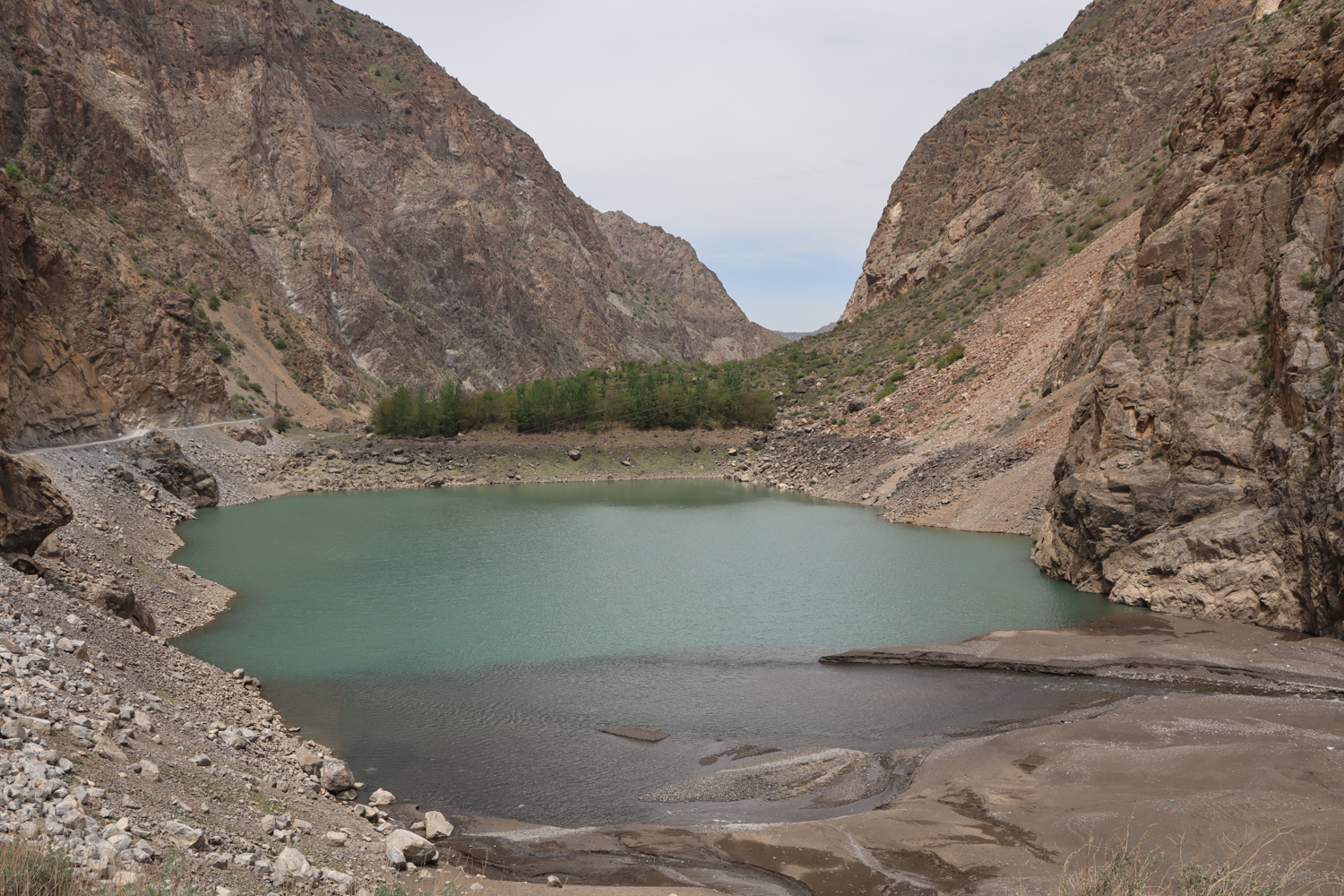
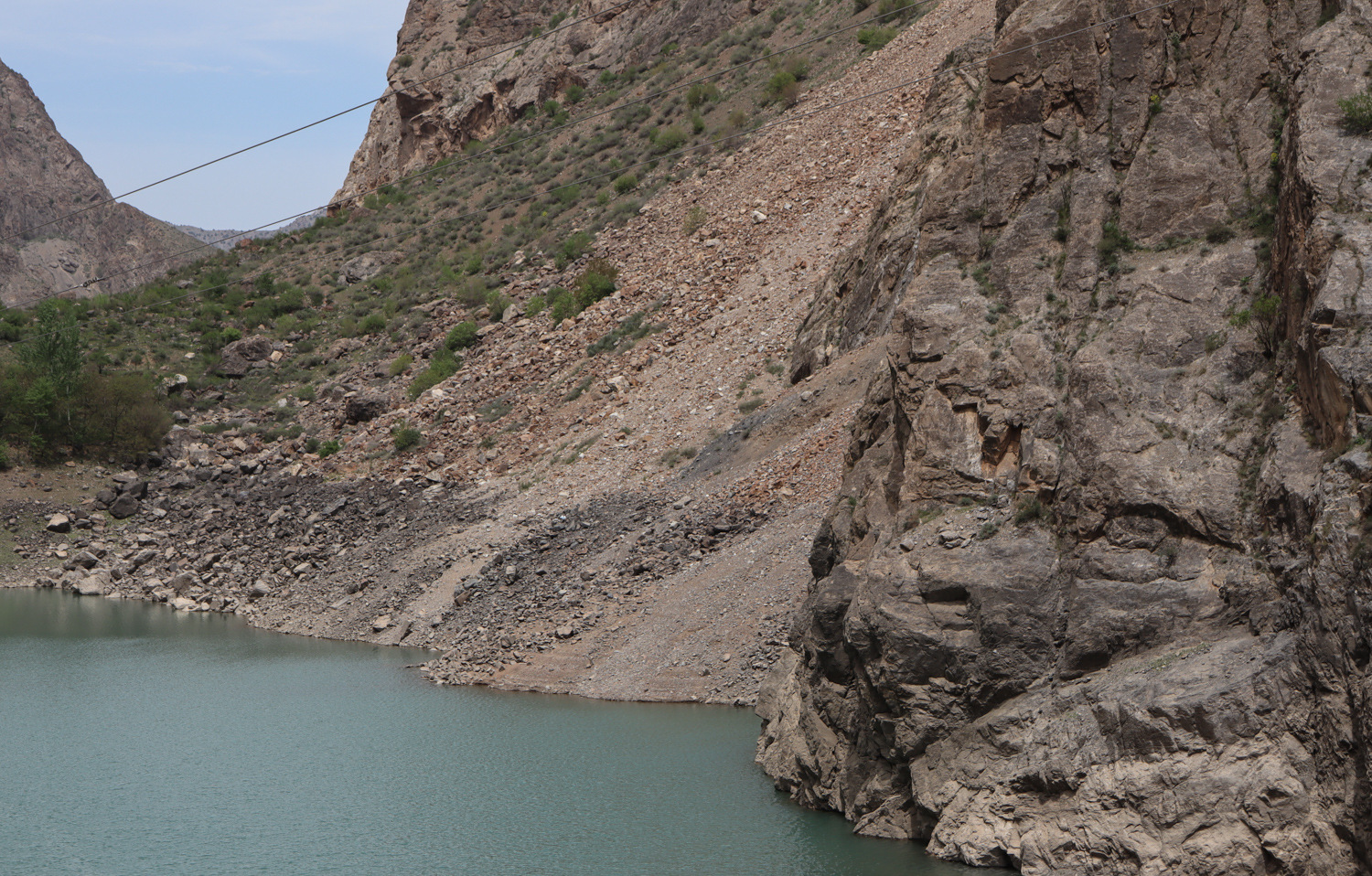
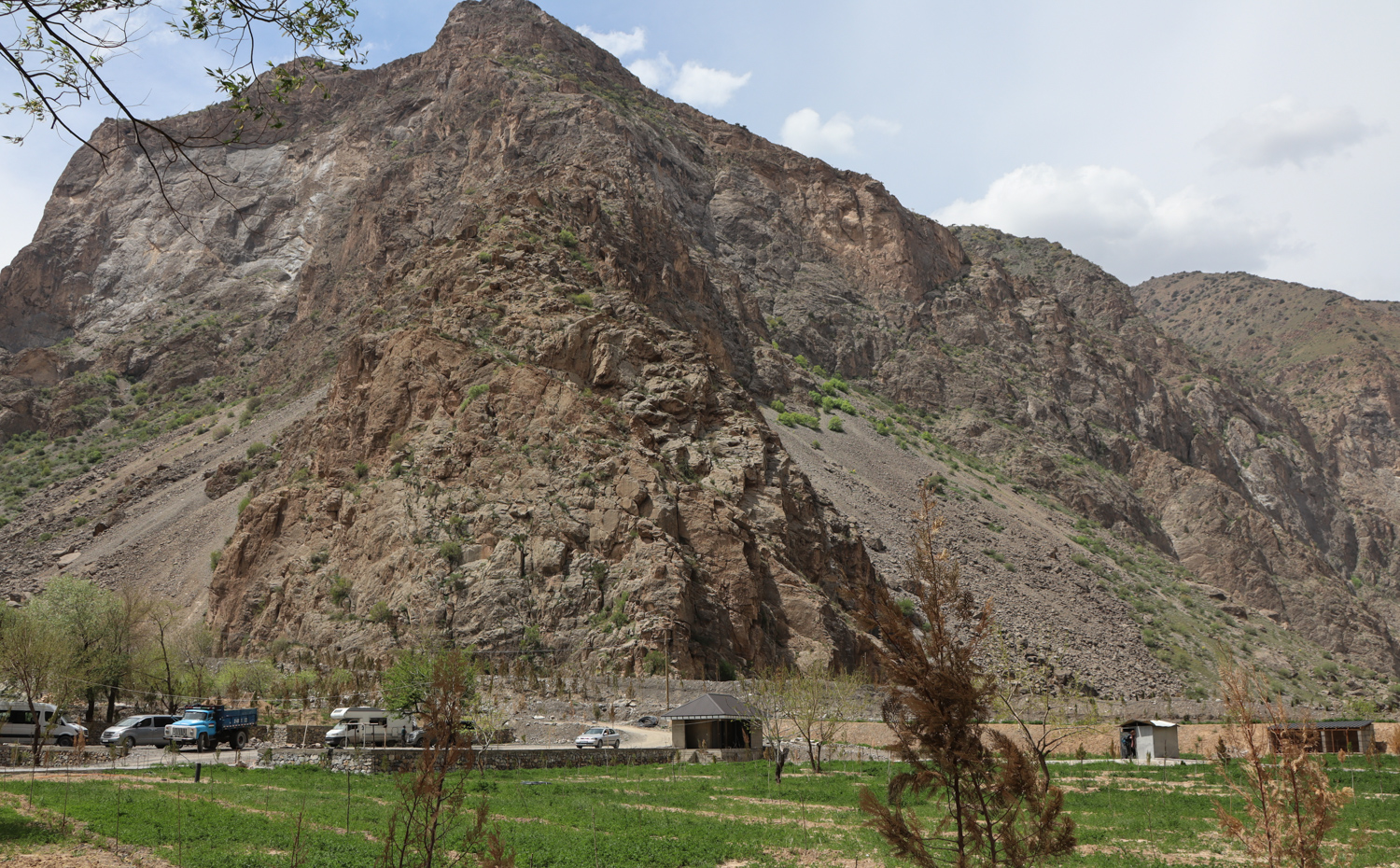
The lakes are retreating, waiting for the snow melting from the mountains to refill them again. This one is locked between high and steep cliffs.
Hushyor (Gushior, “consciousness”)
Its name is related to a high number of snakes around it, implying being vigilant while being in its vicinity.
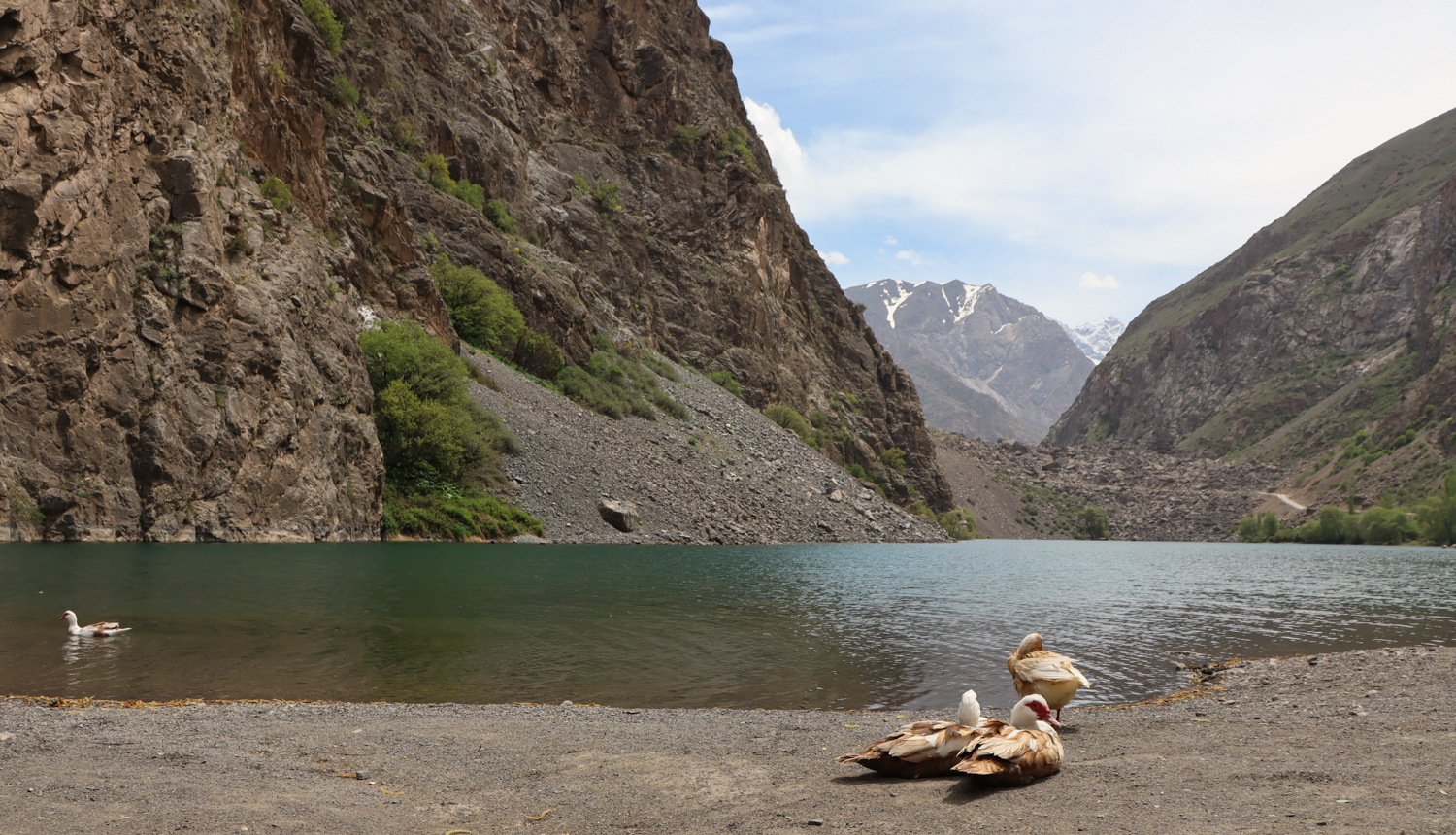
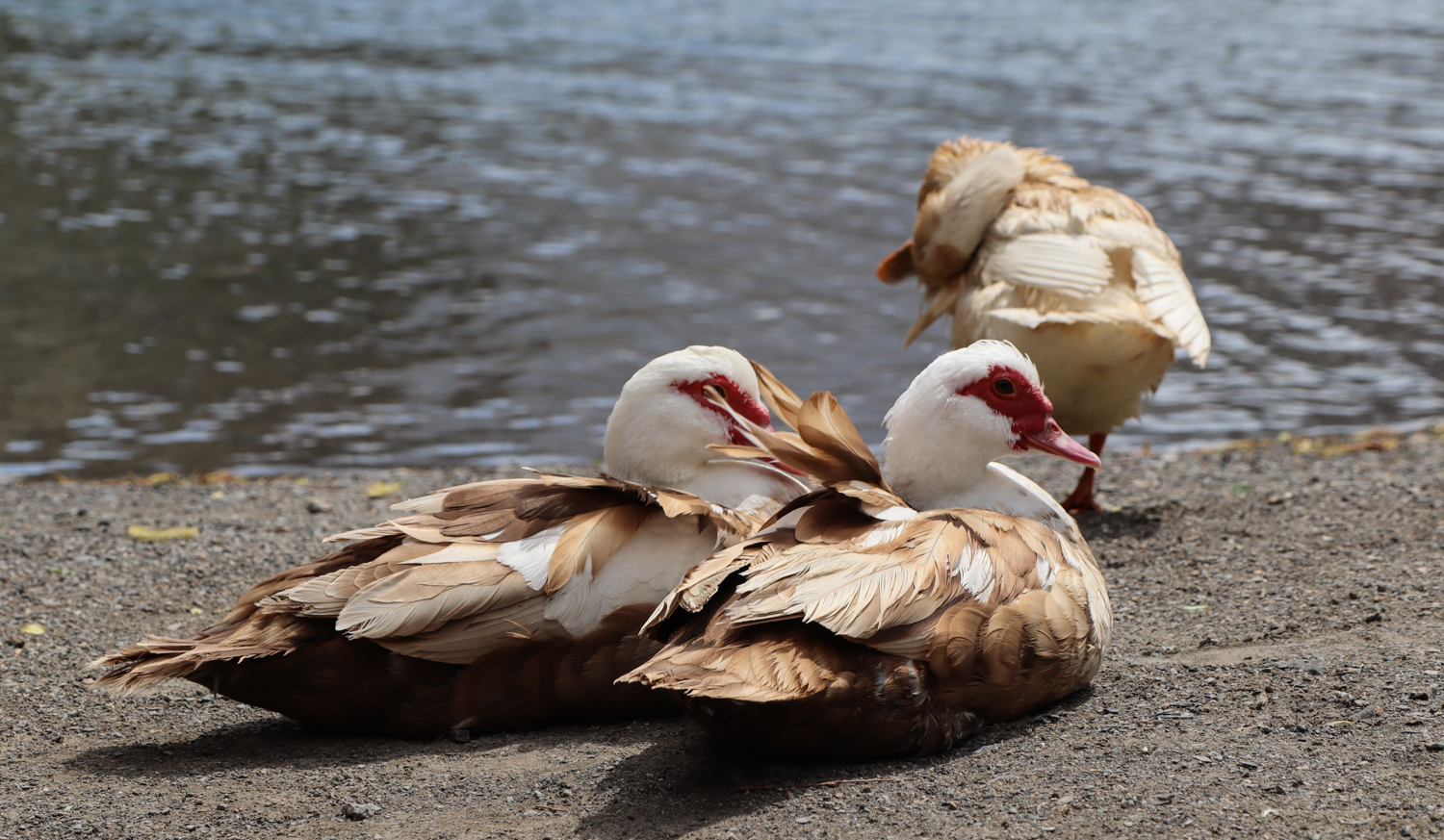
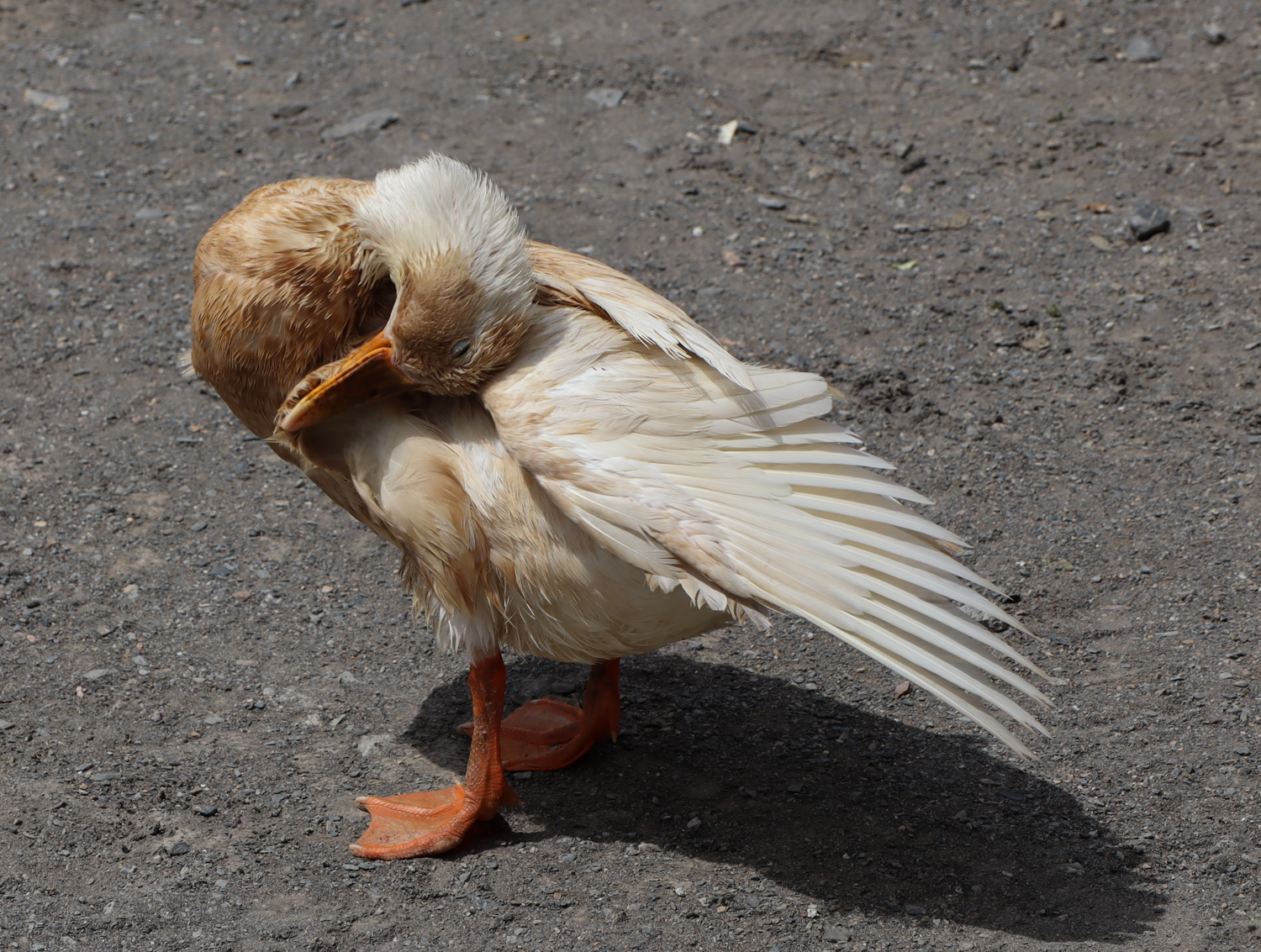
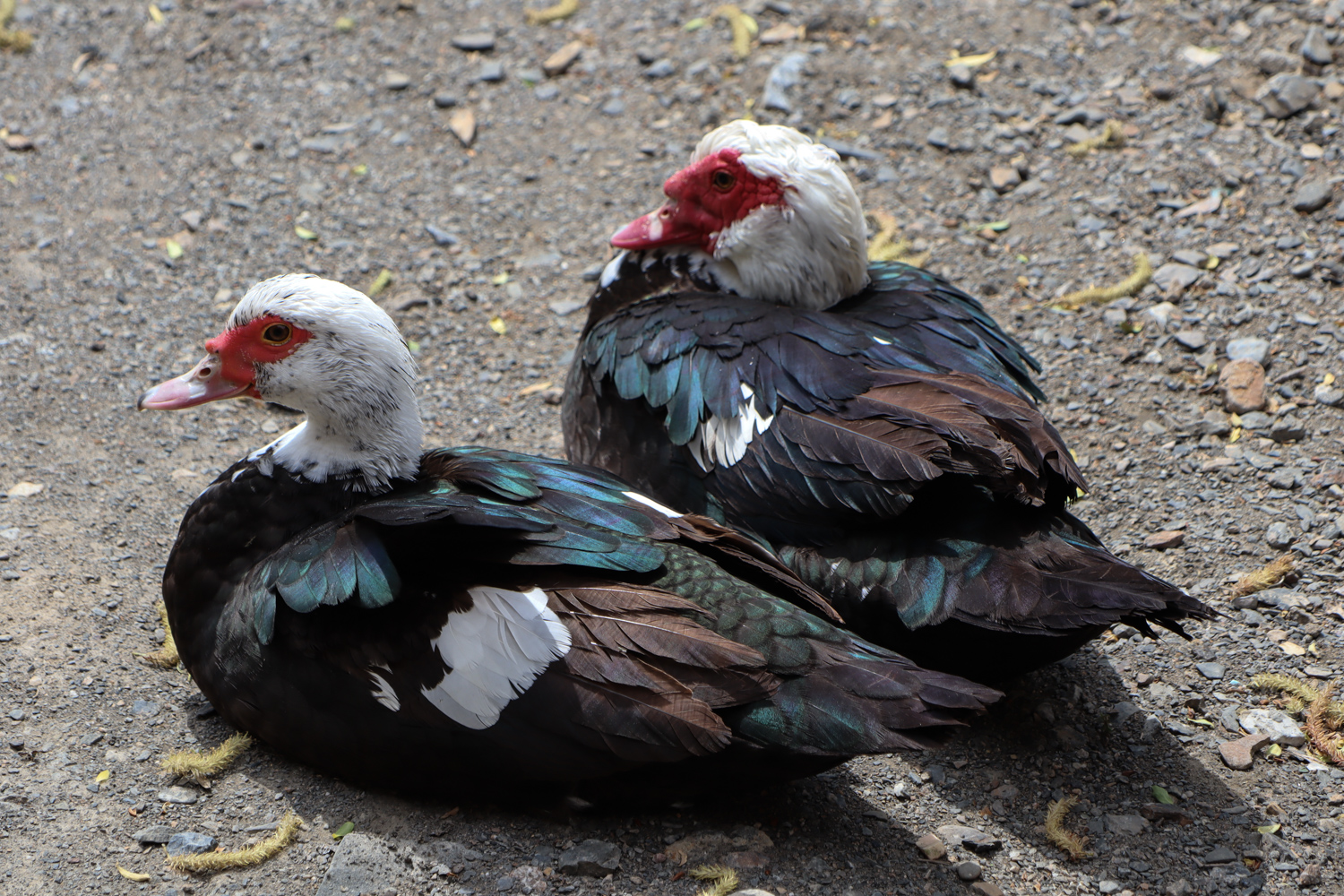
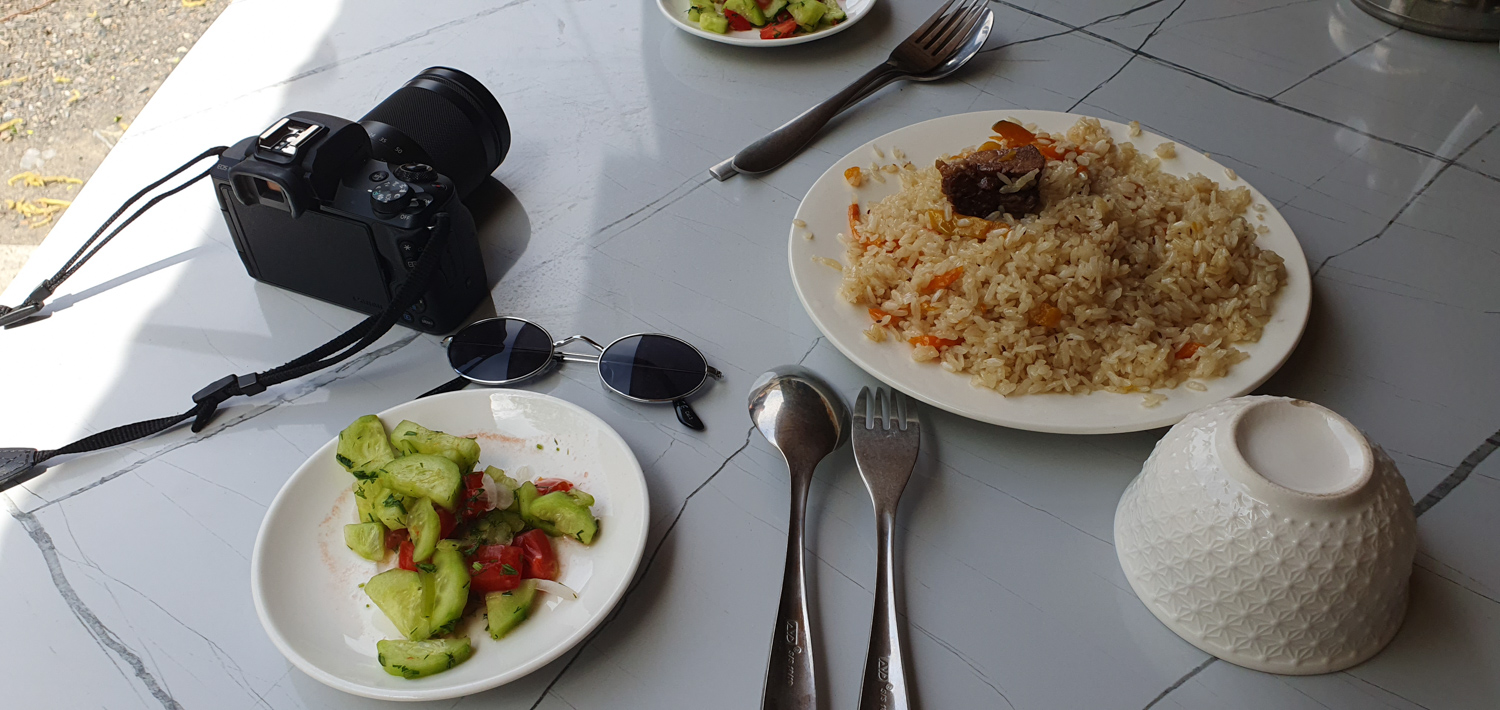
Here we made a break and ate a really good portion of plov with lamb. Uzbek and Tajik people cannot agree upon who has the right to call the plov theirs; while they debate, we can all agree that this is an absolutely perfect meal in such places.
Nofin
The longest lake is the lake called Nofin, number 4 in the line. It counts 2,5km in length and 200m in width. Its name means “umbilical cord”, probably due to connecting the neighboring lakes.
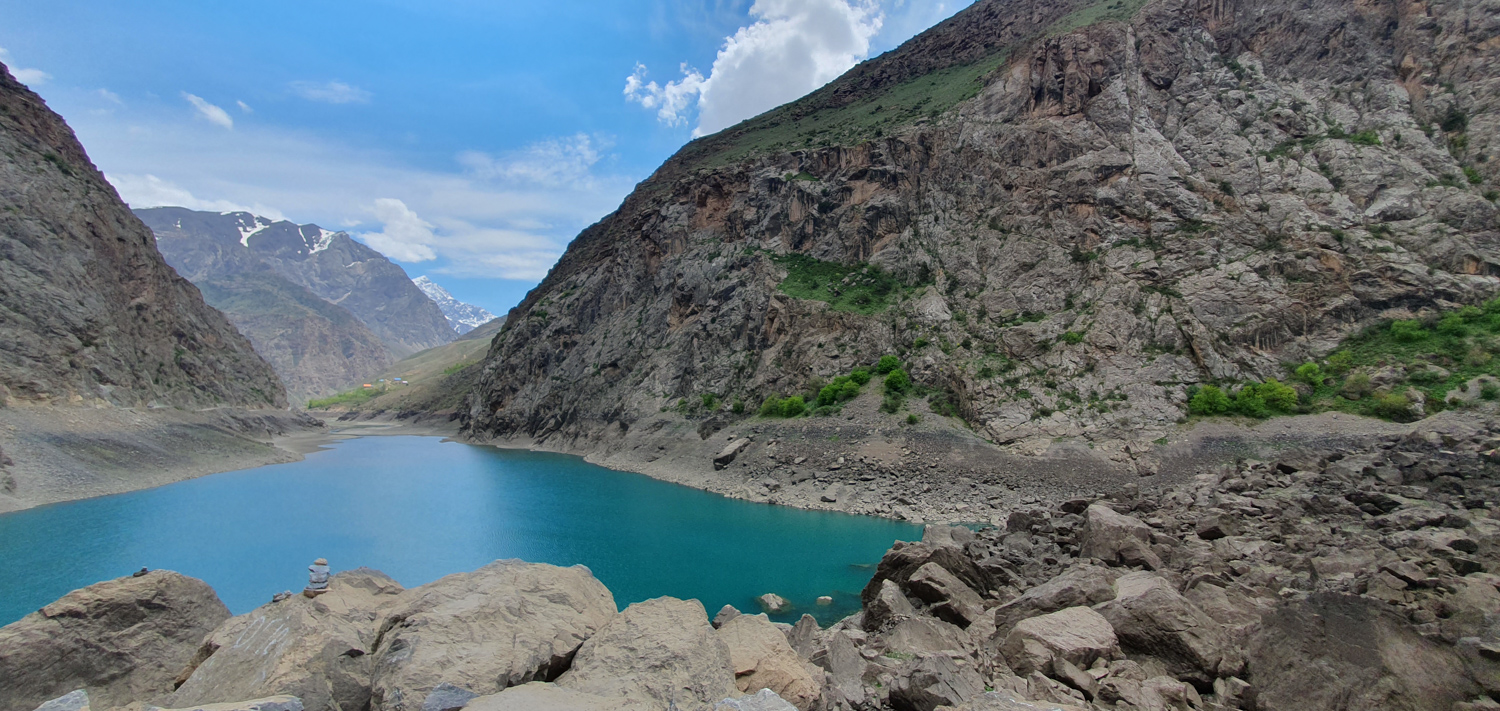
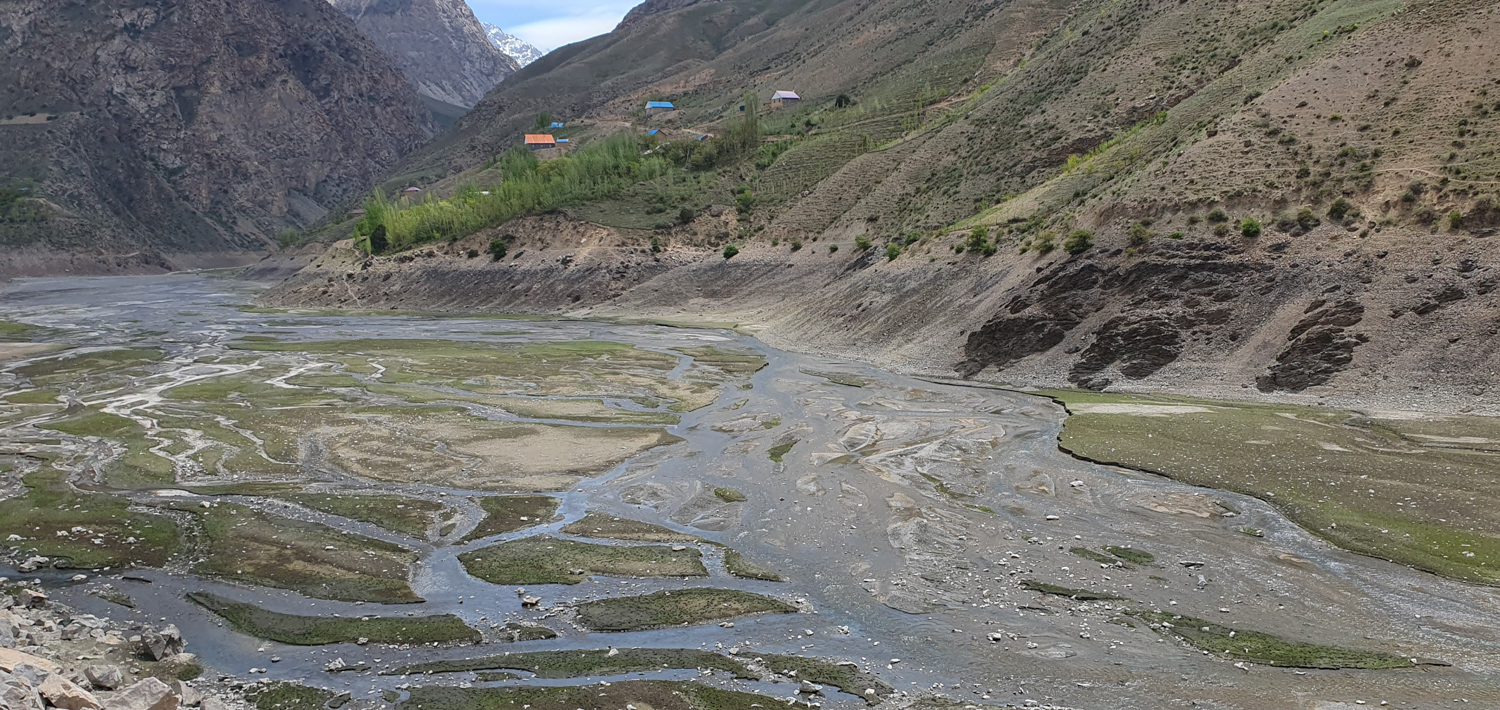
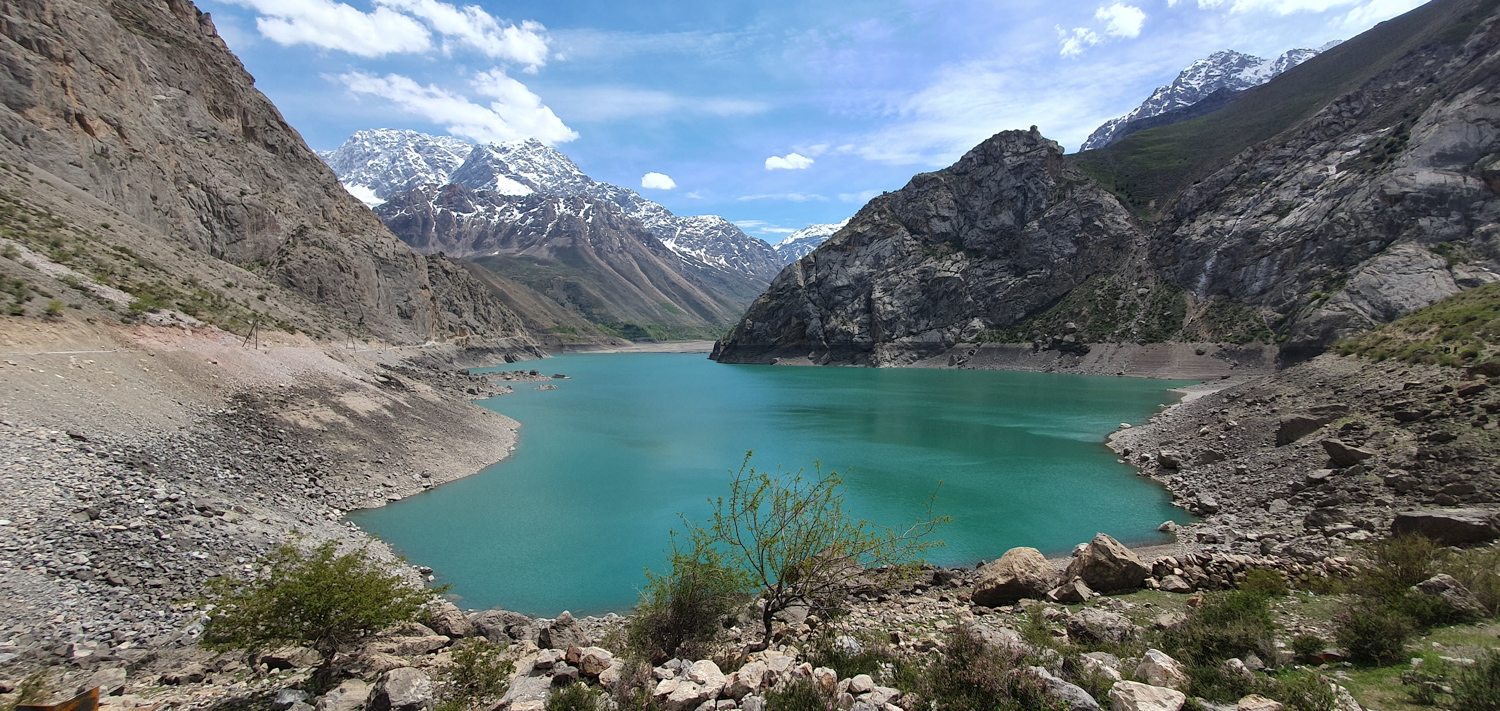
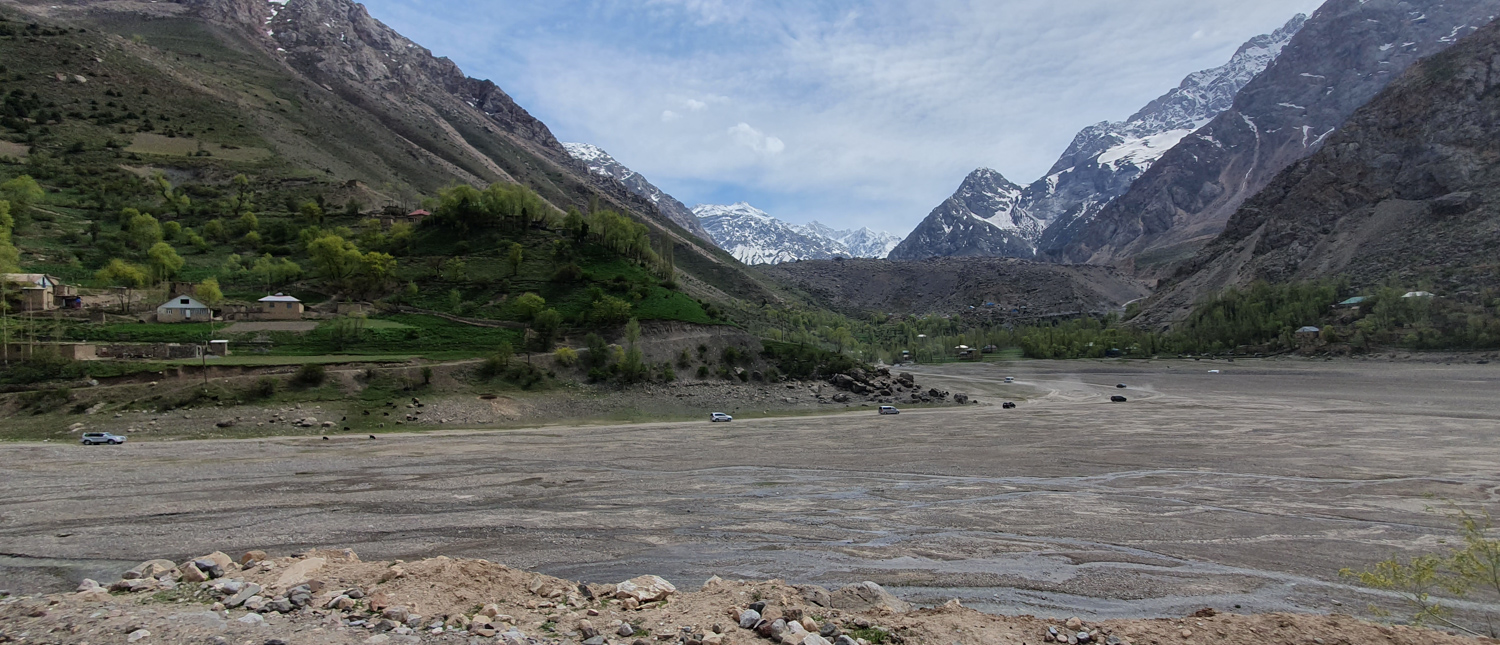
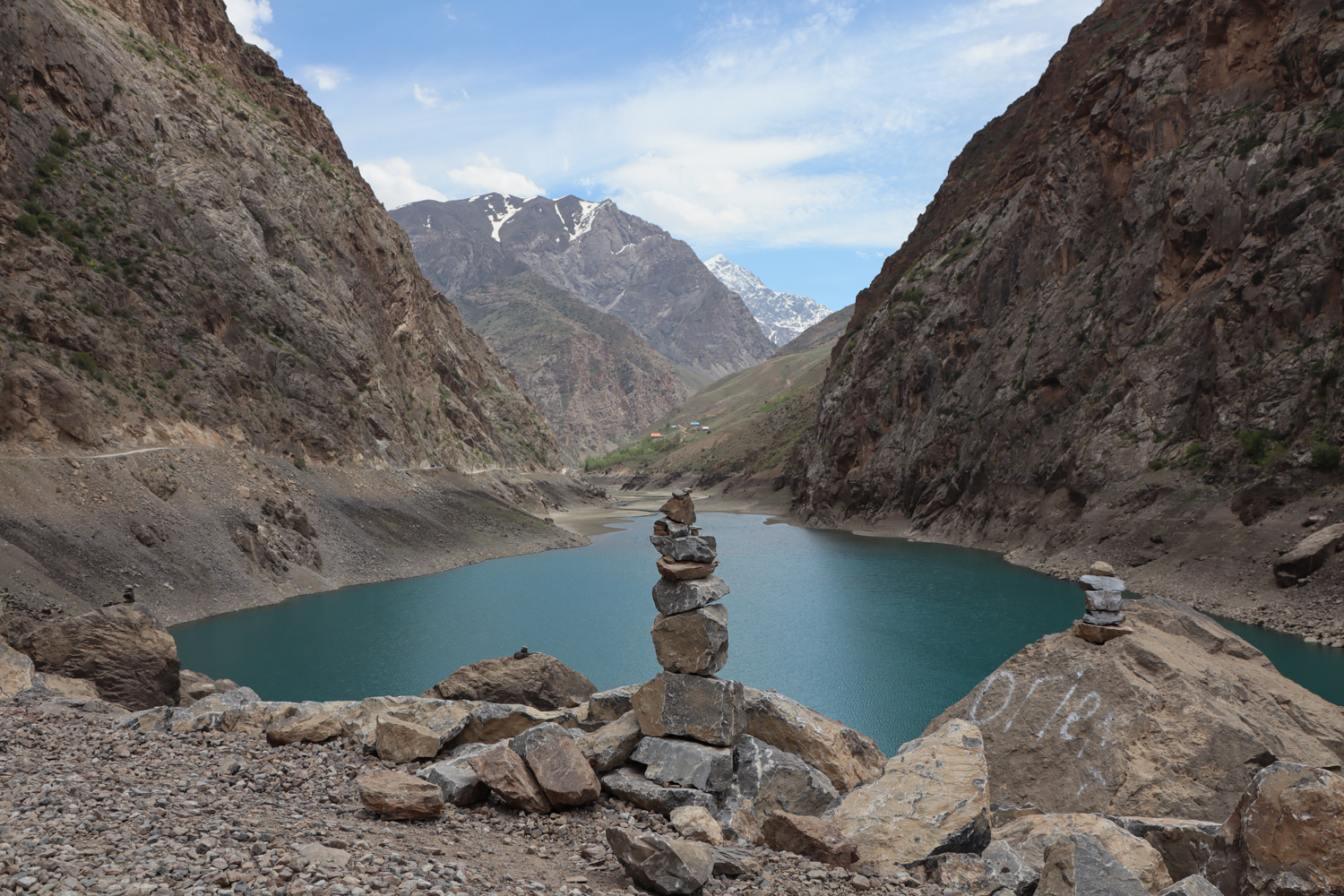
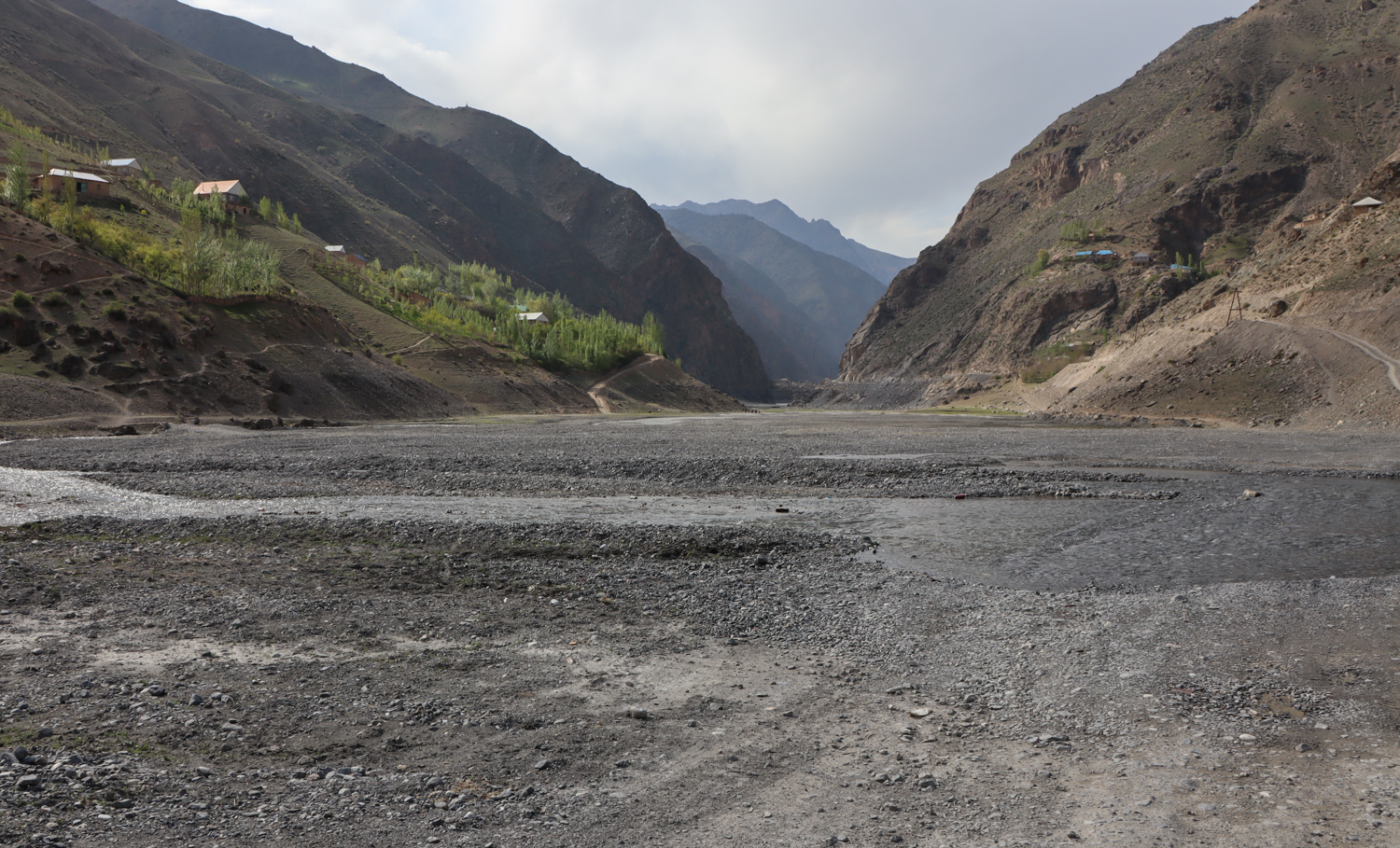
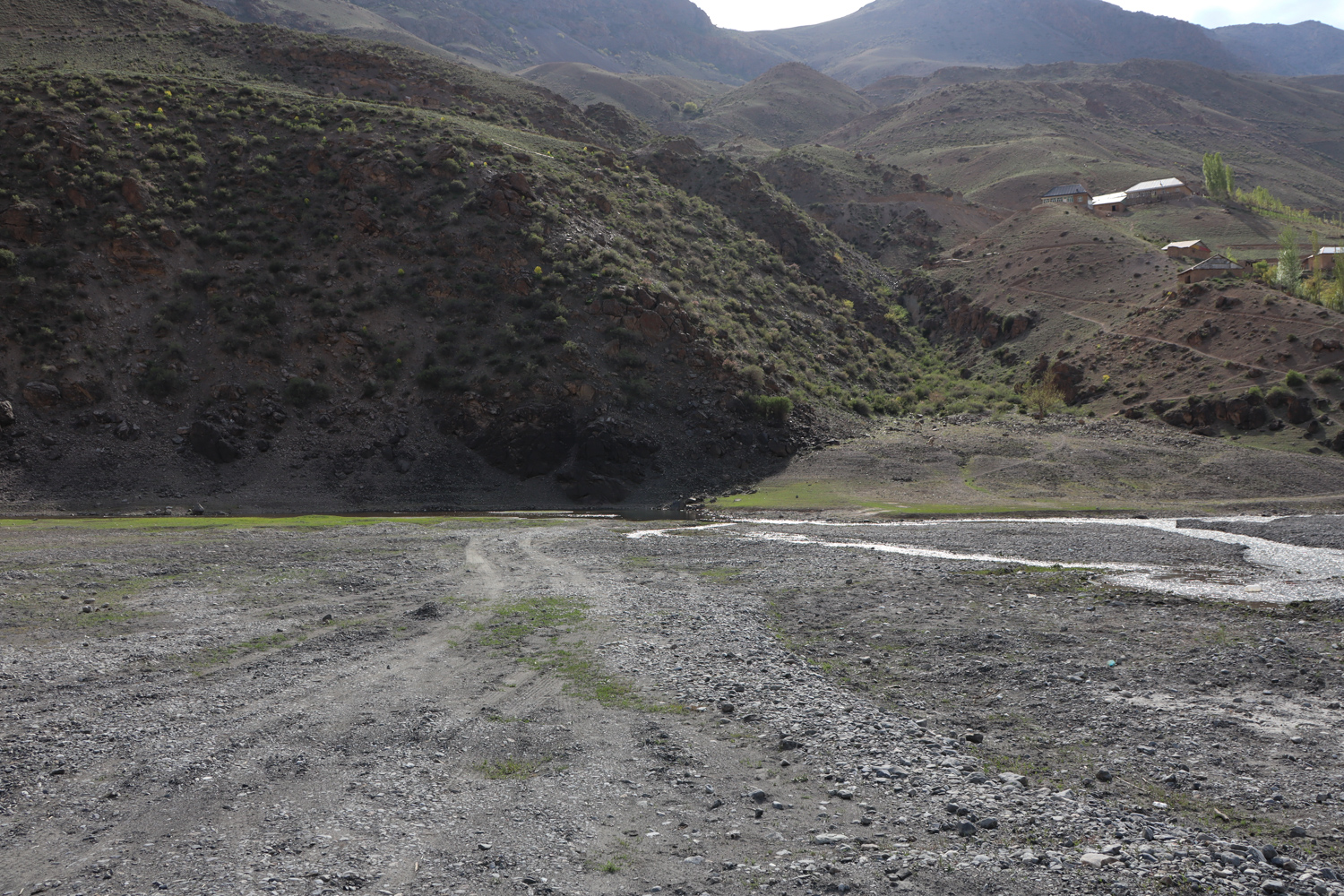
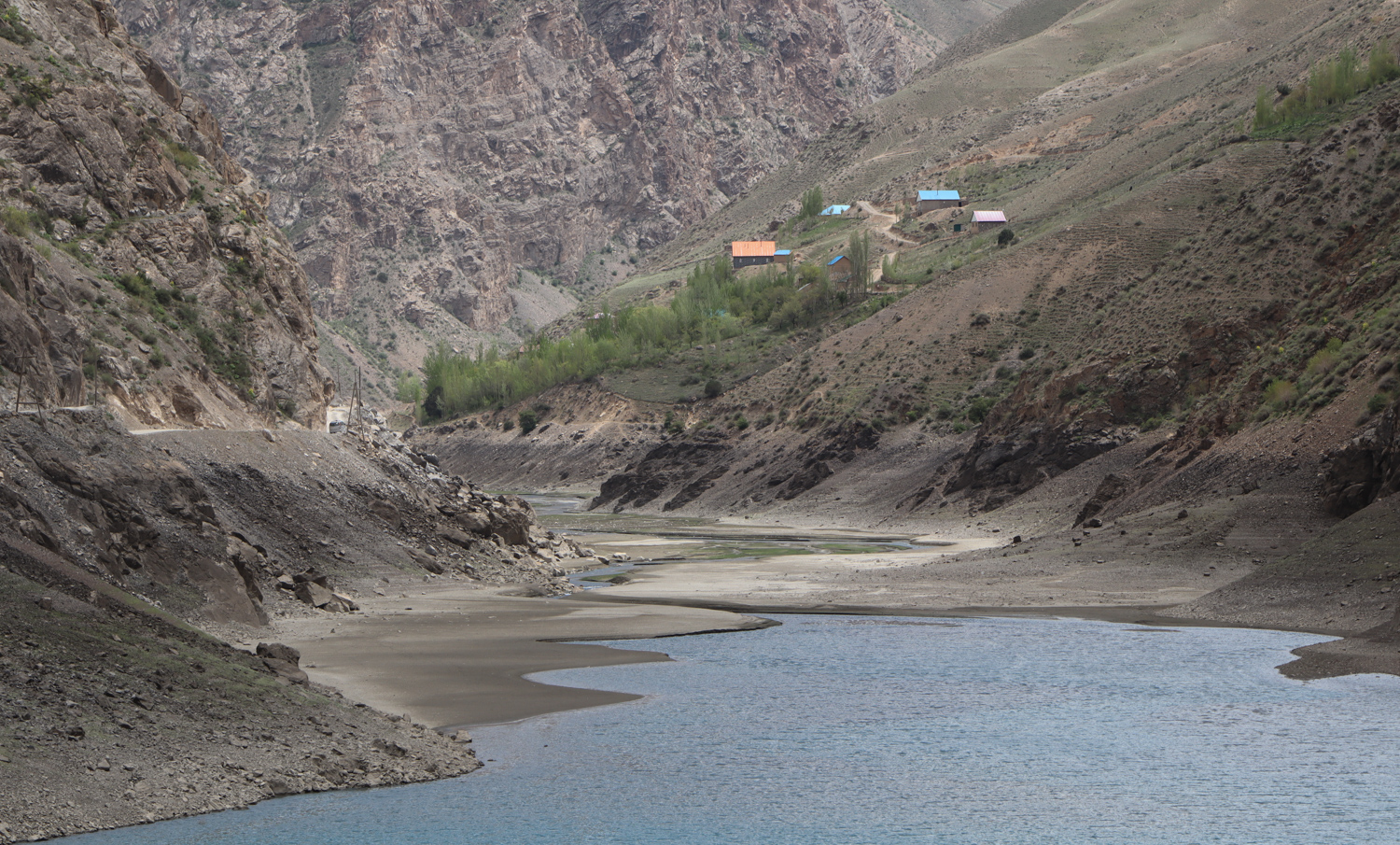 On the opposite side of the lake is visible how much the lakes retreat. While I was there, the depth was slowly rising due to the snow melting from the mountains towards the lakes. Apparently, they are supposed to be significantly deeper.
Khurdak
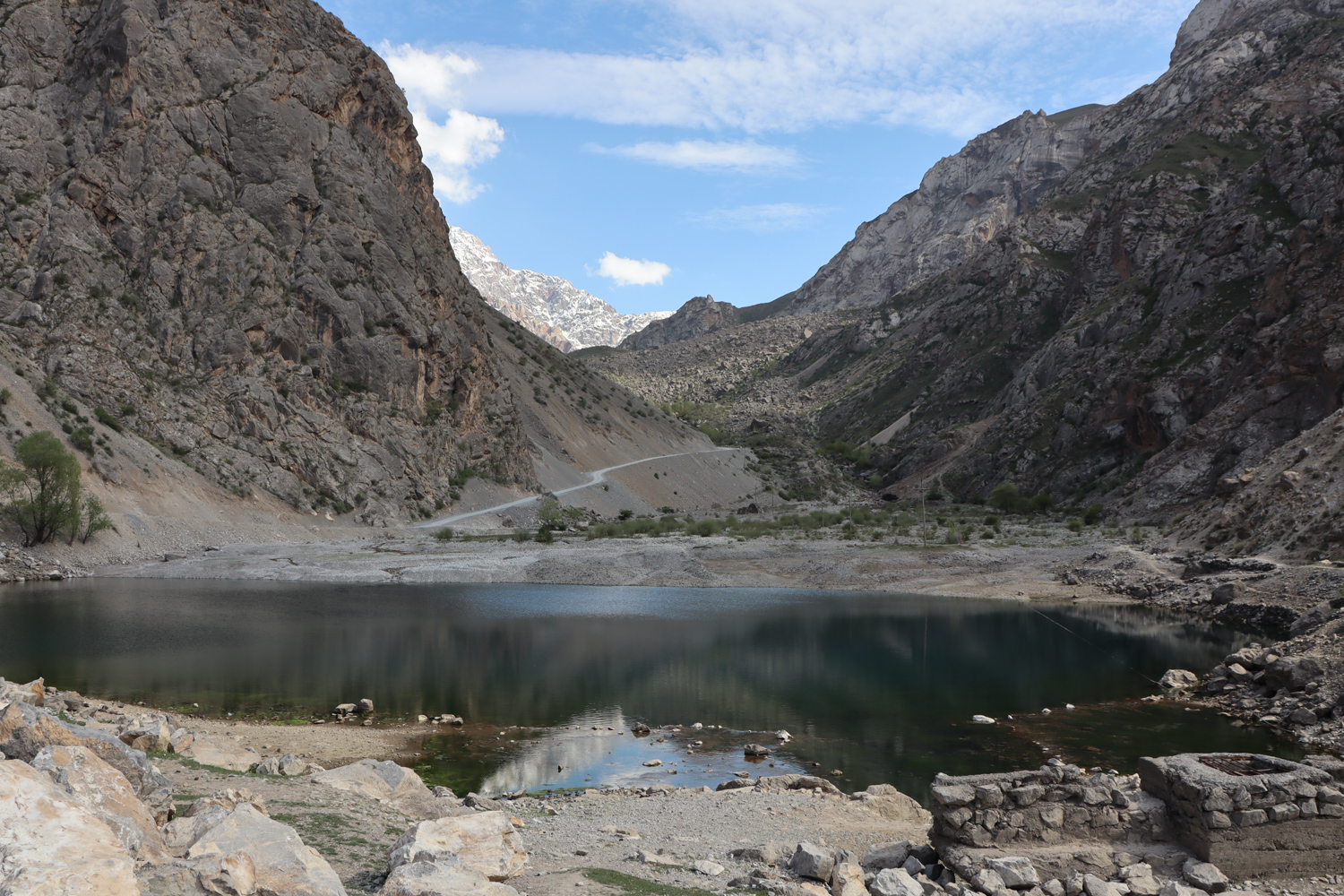
The smallest of them all, with only 0,025 sq km. Lies at 1870m, and offers a spectacular view.
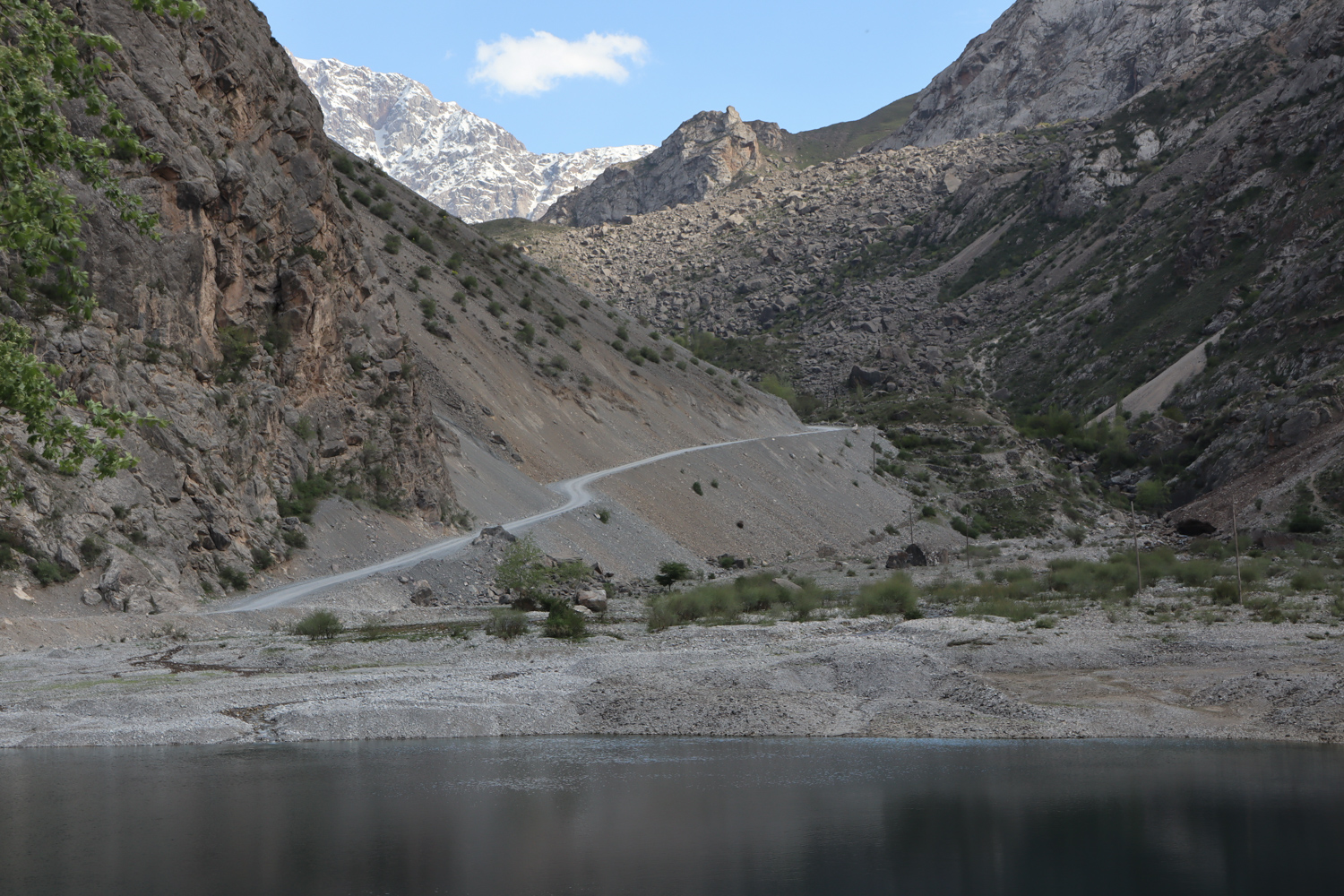
Marguzor
The most stunning one, the largest one, at 2 100m.
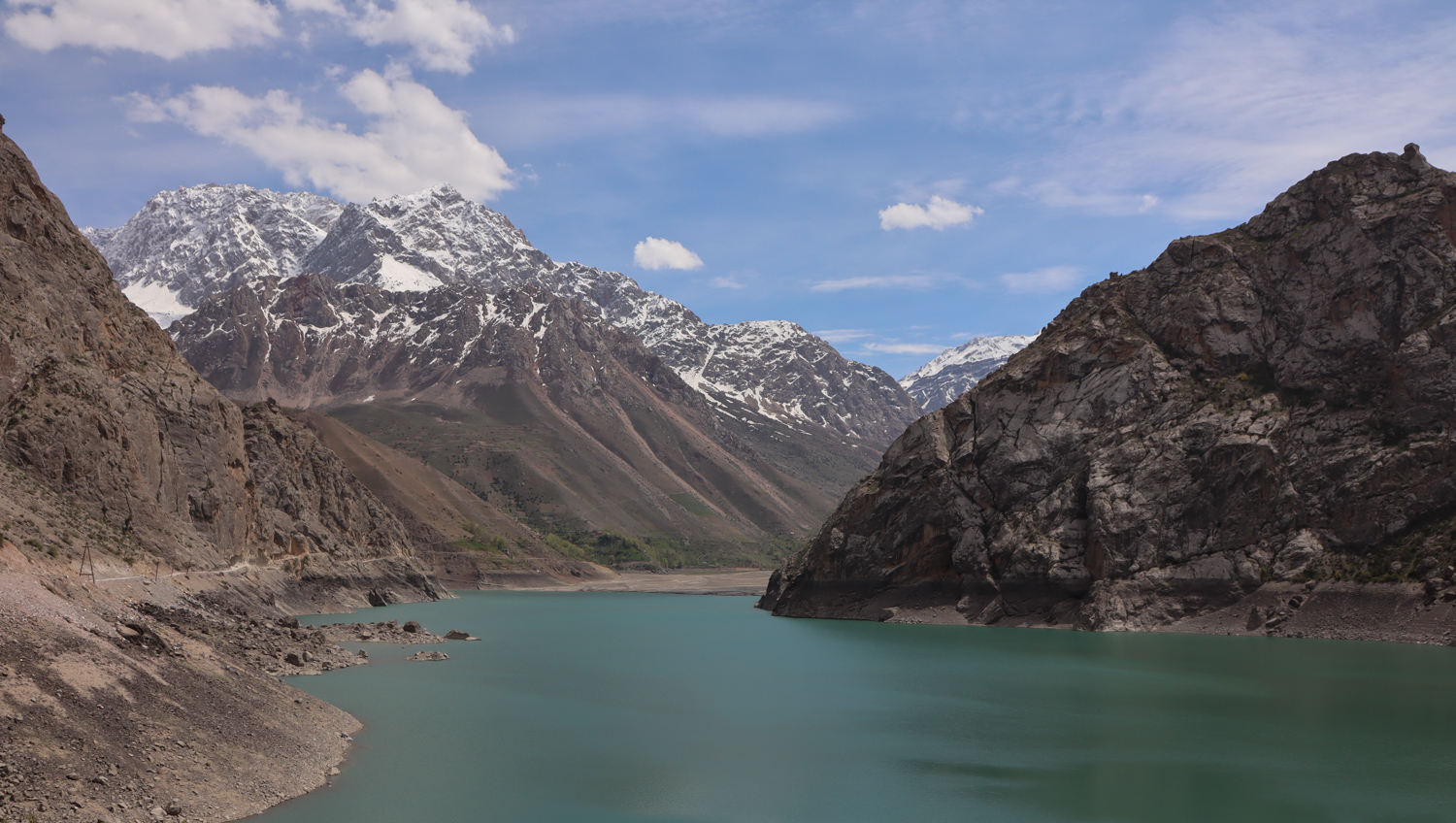
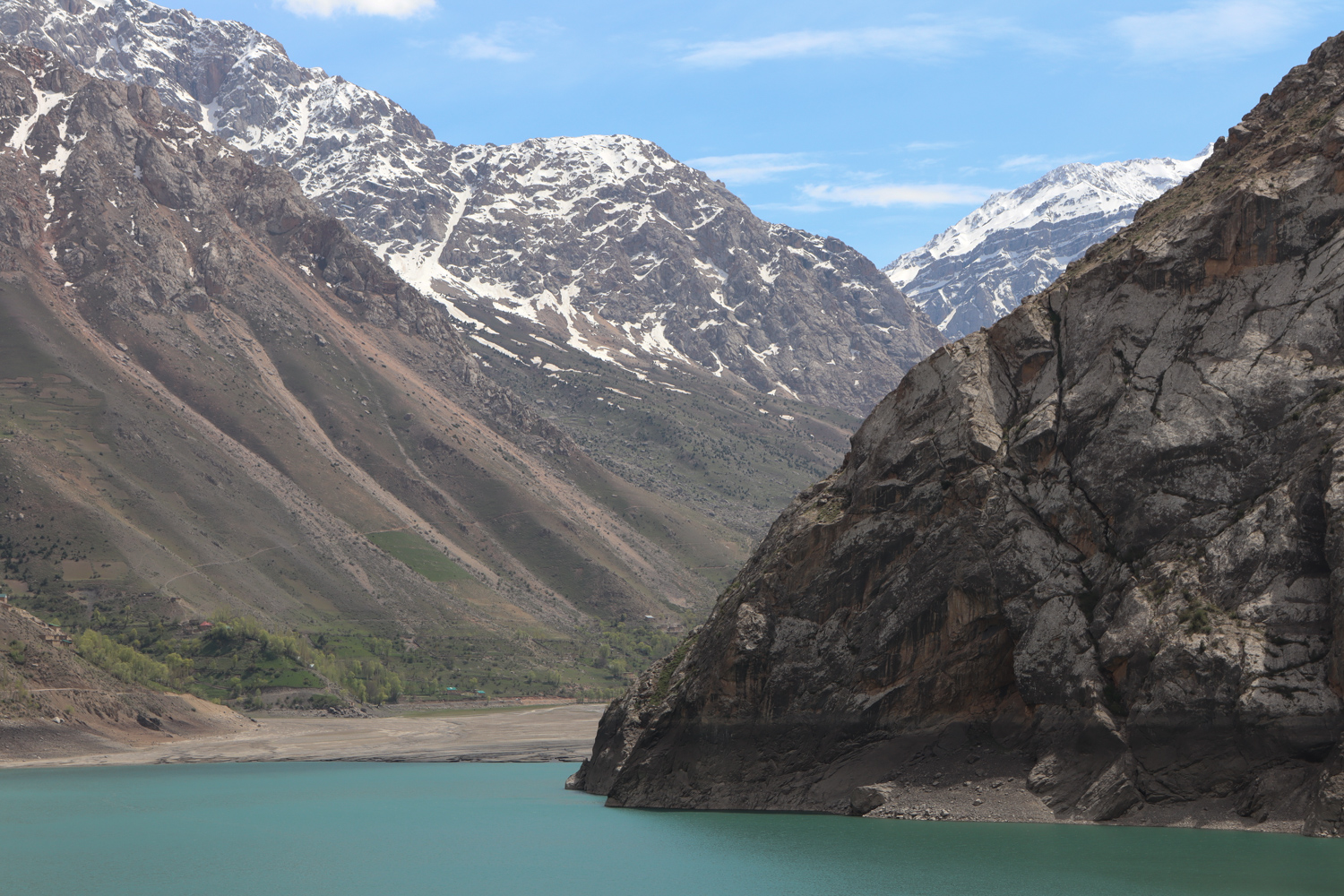
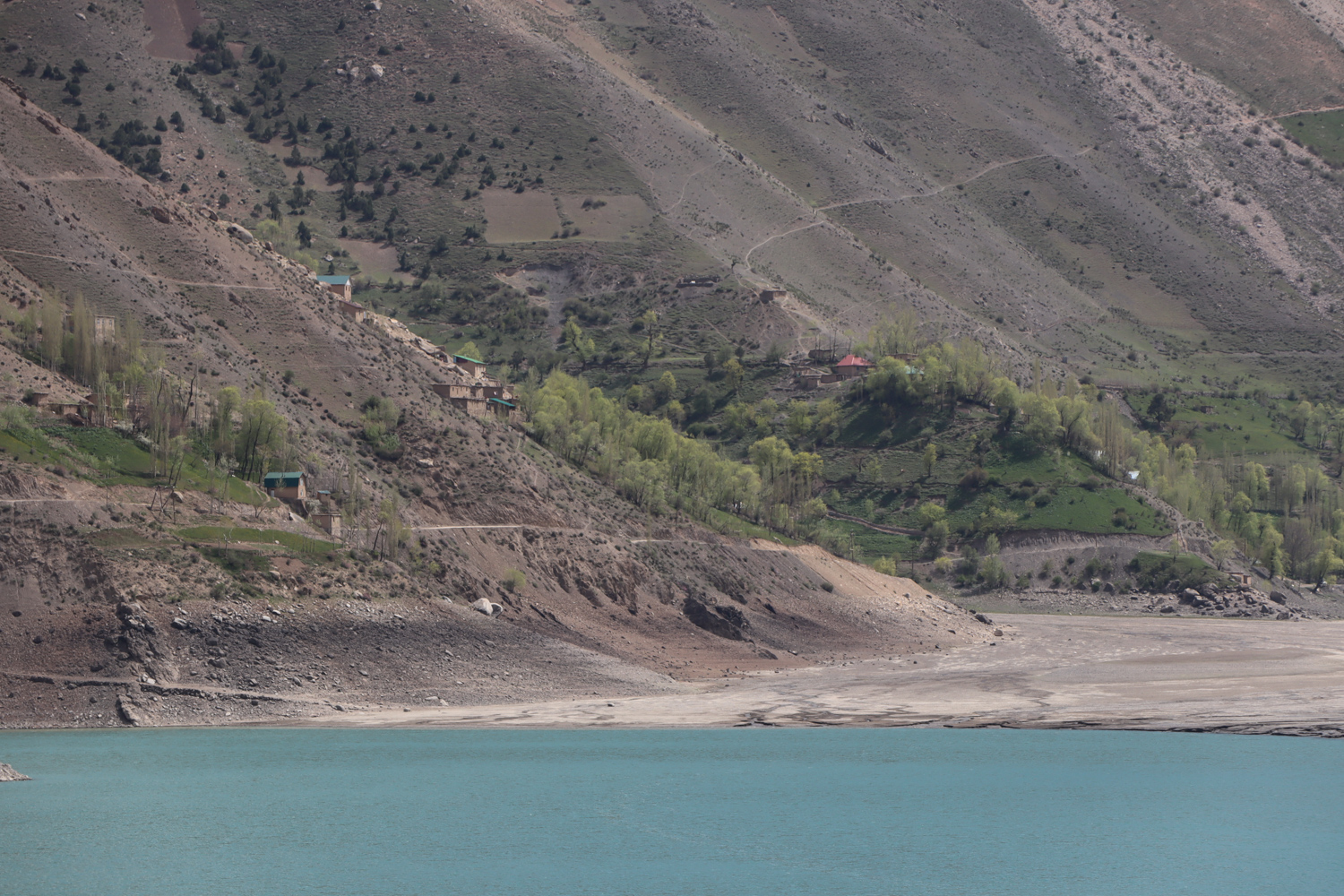
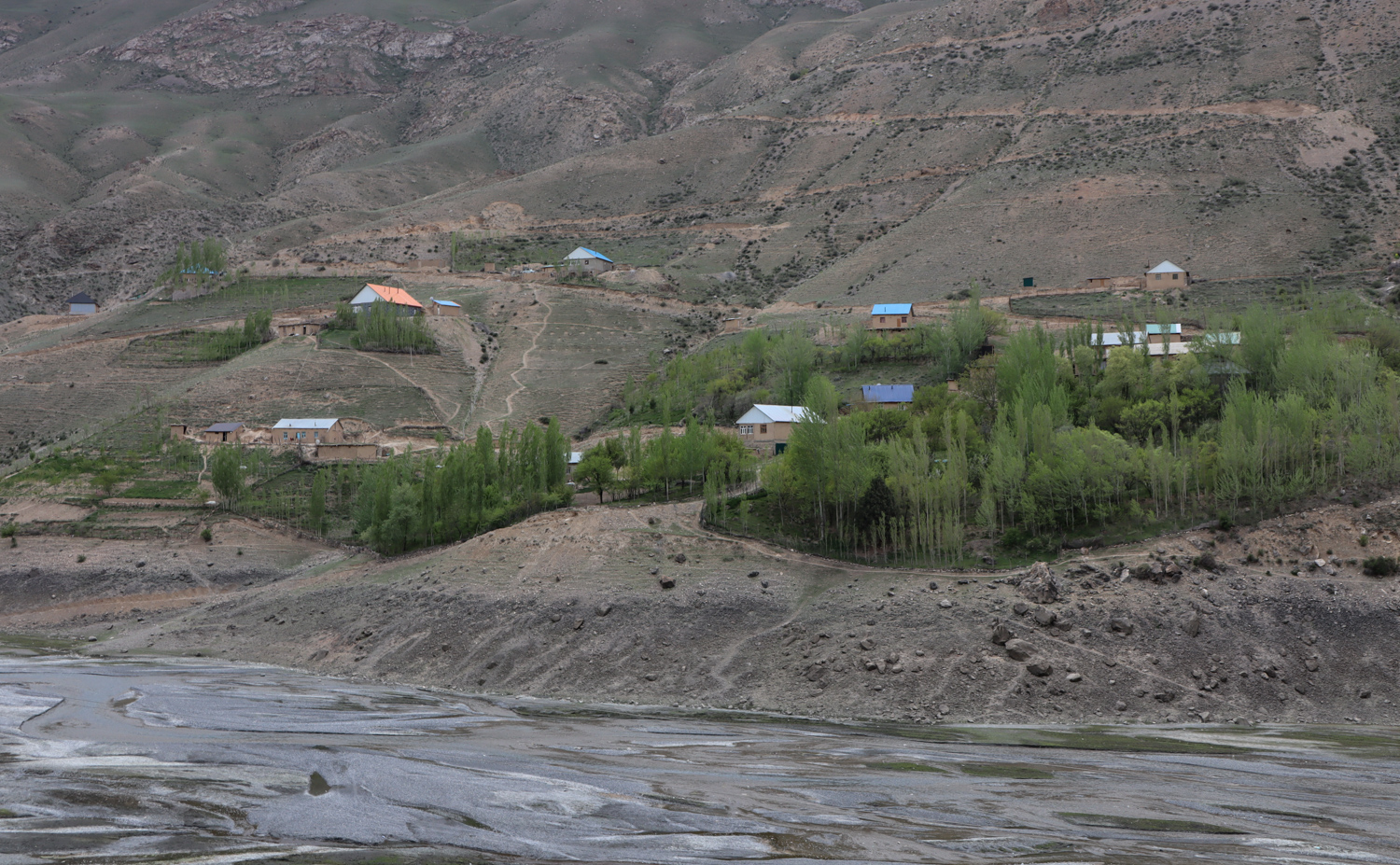
Hazorchashma
The last one left everyone speechless. I don’t think anyone expected this. The lake, its surroundings, the textures and spring colors – just wow.
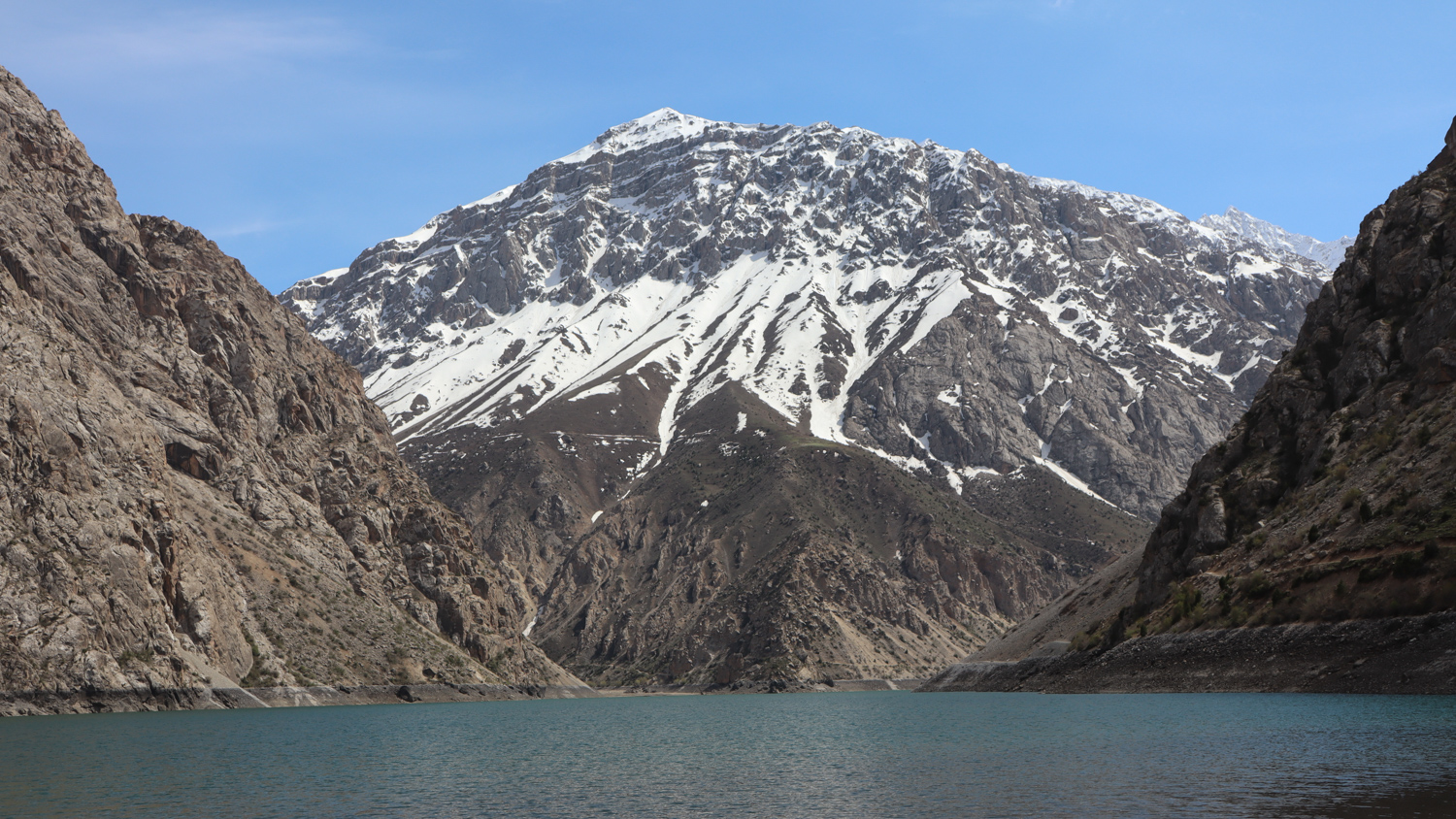
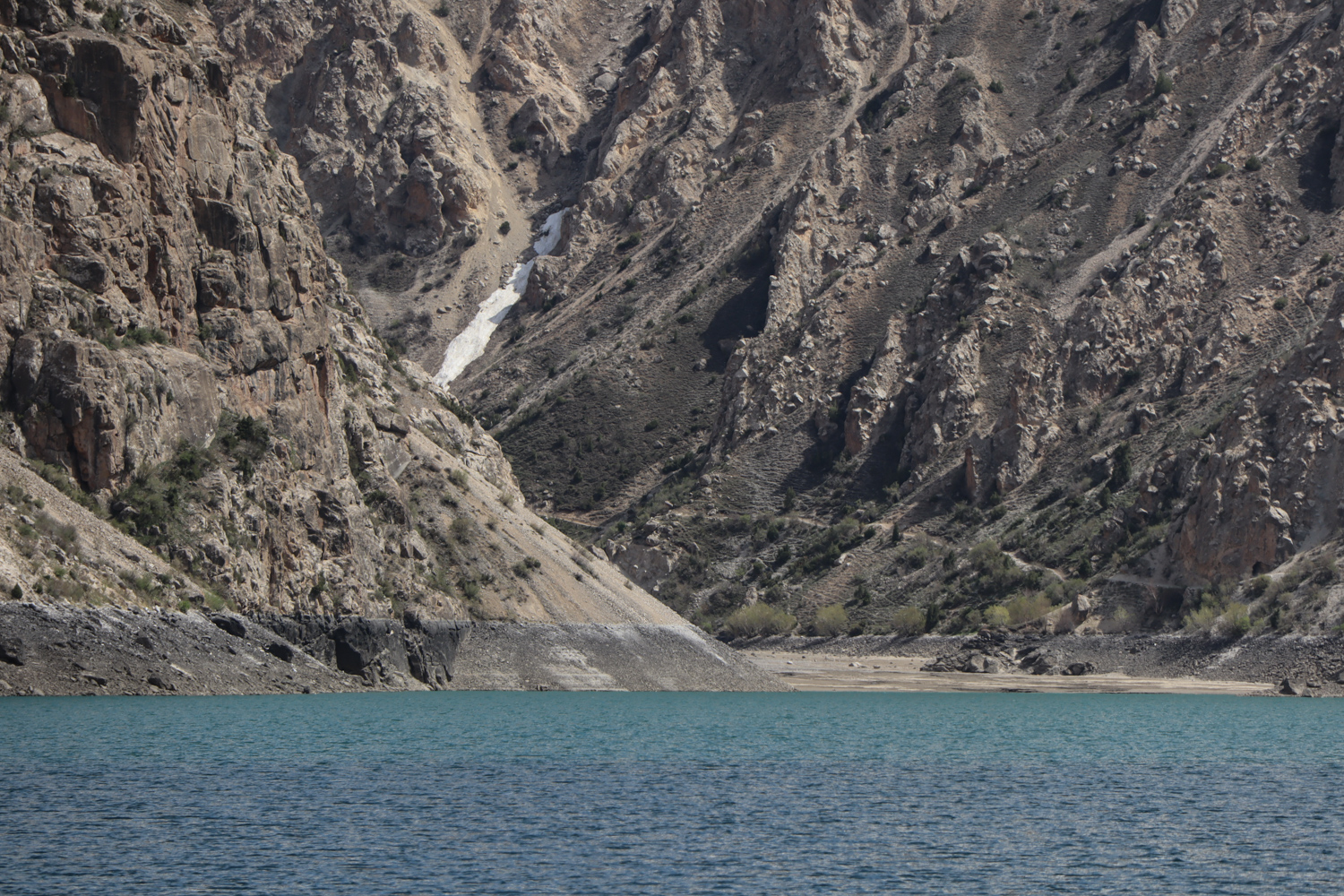
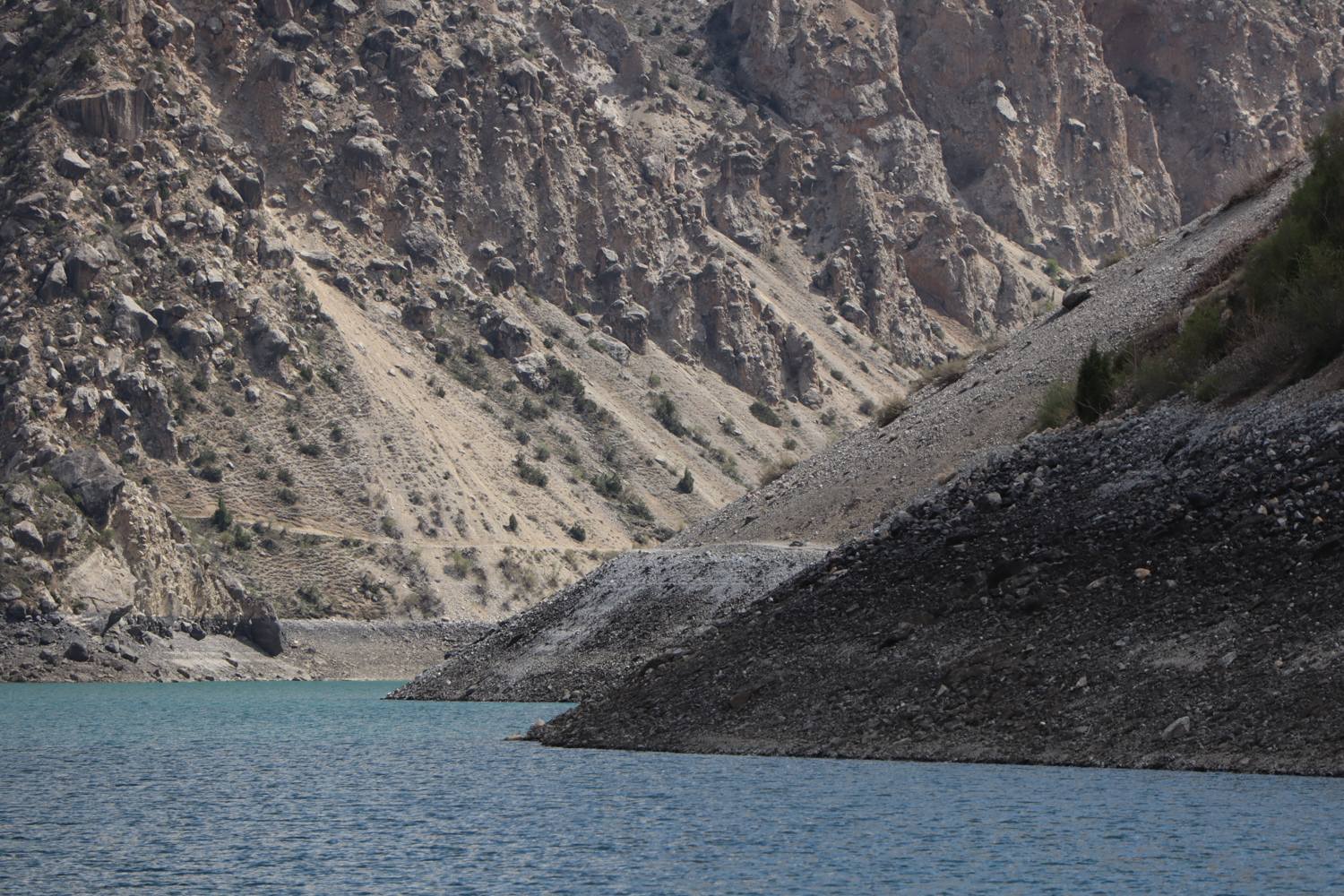
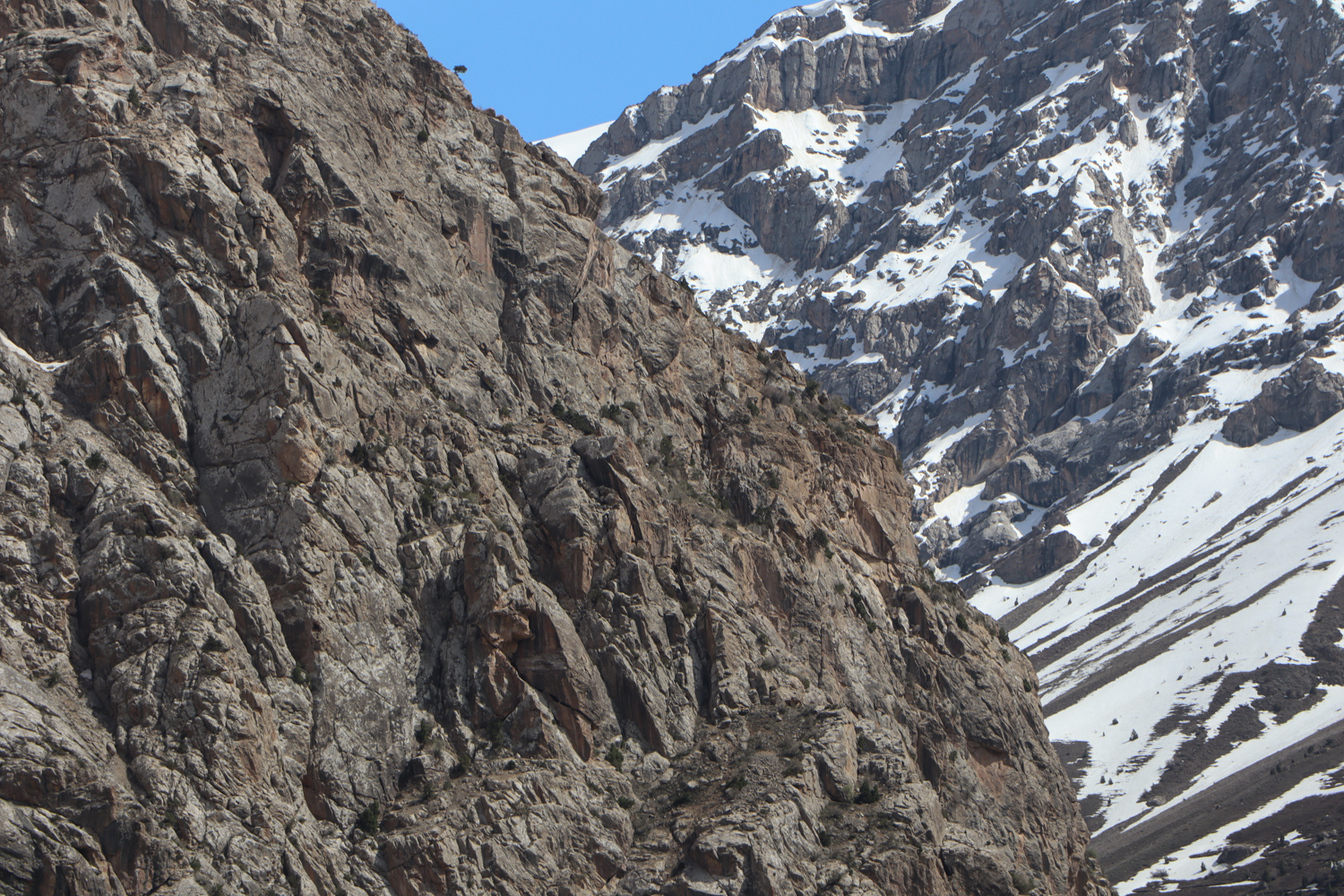
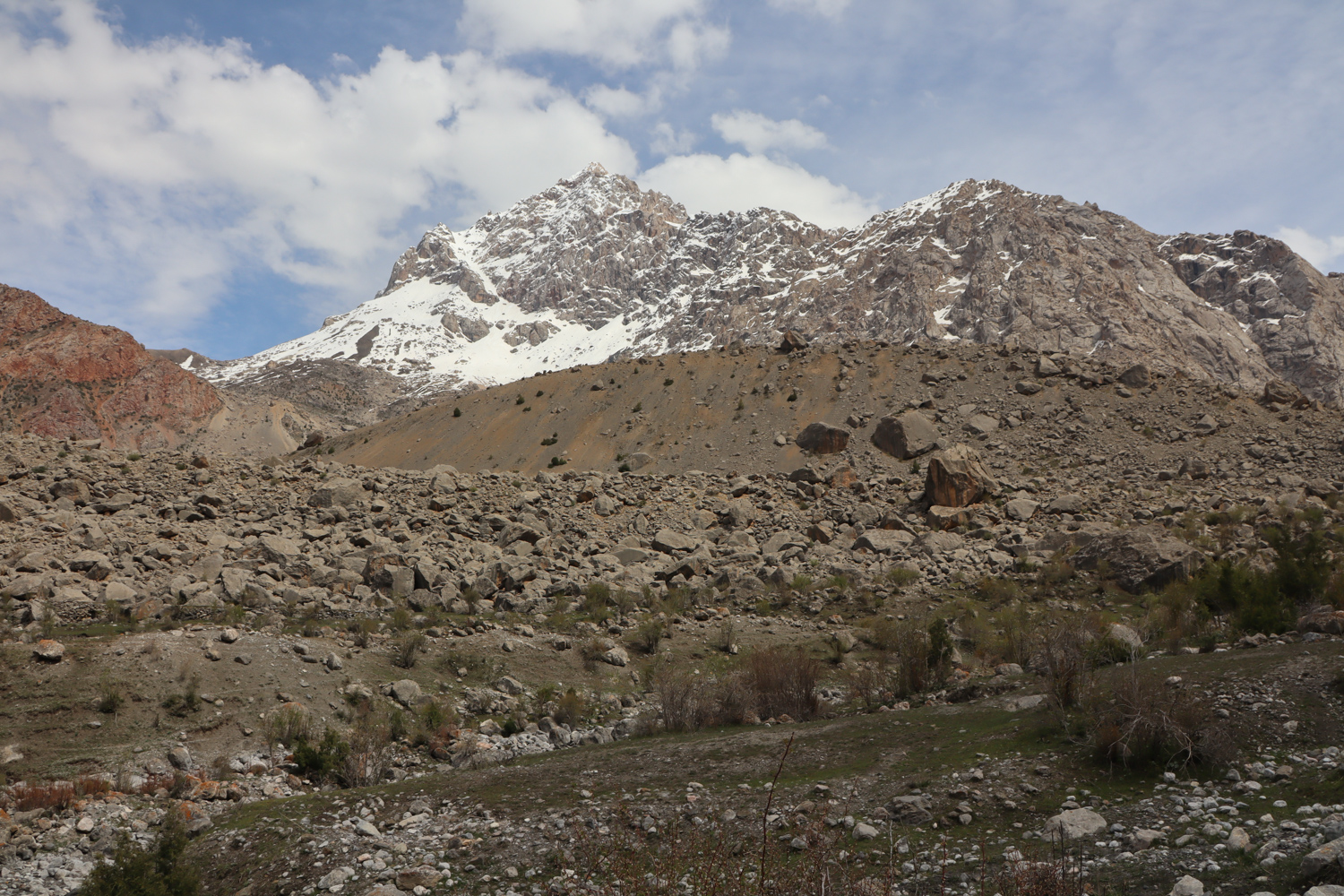
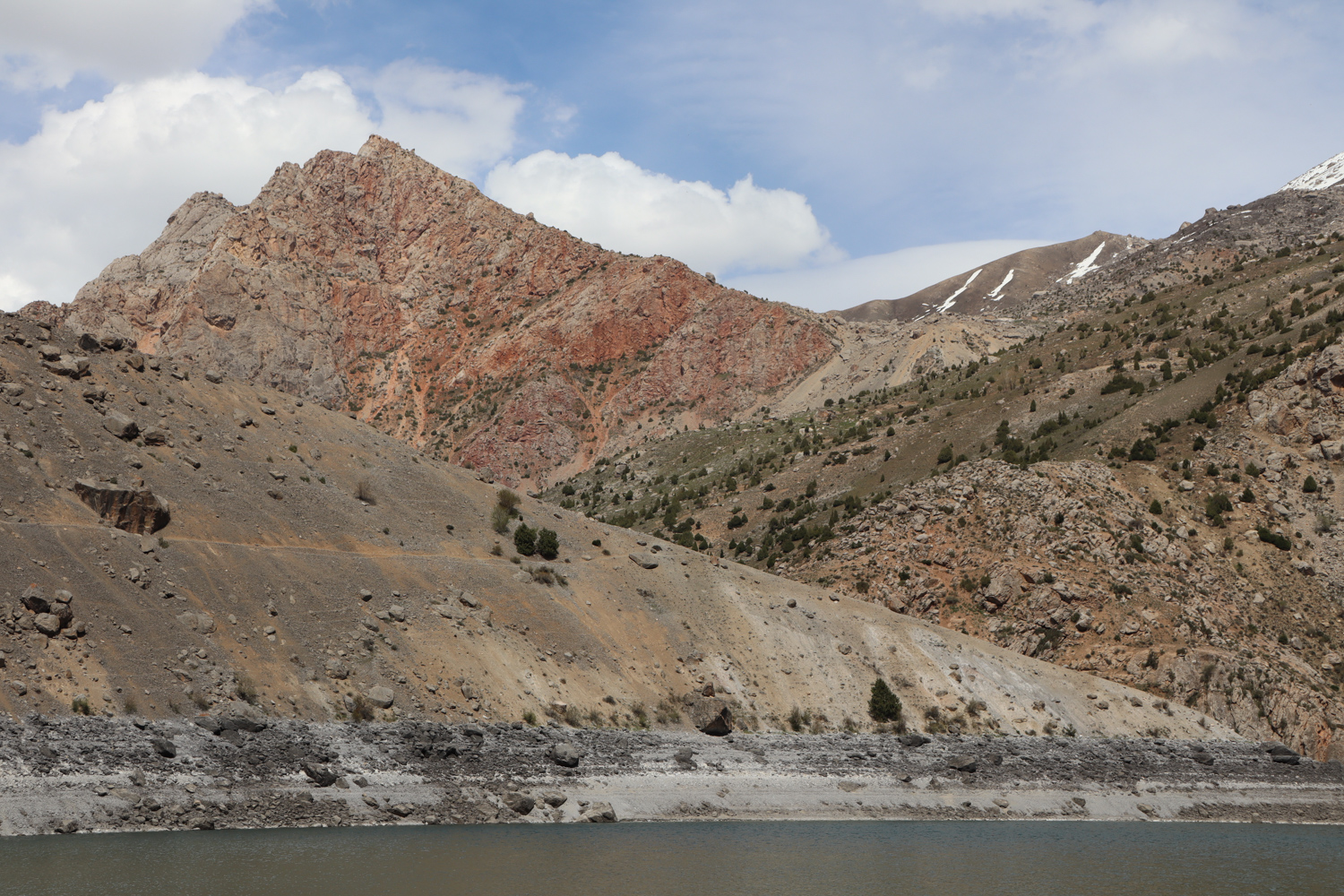
I took a stroll while the others rested on its shores.
I had to take photos of this mountain magic.
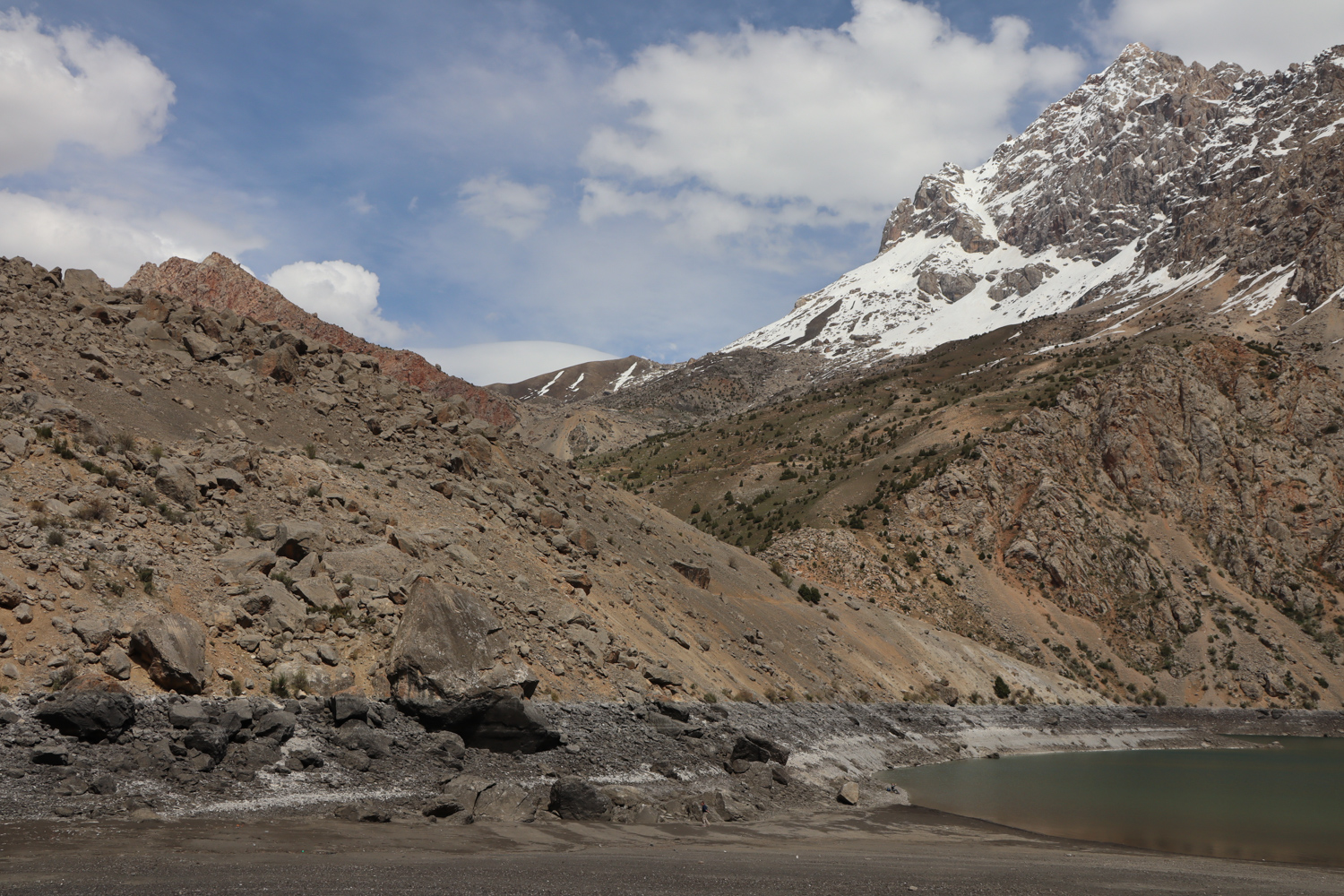
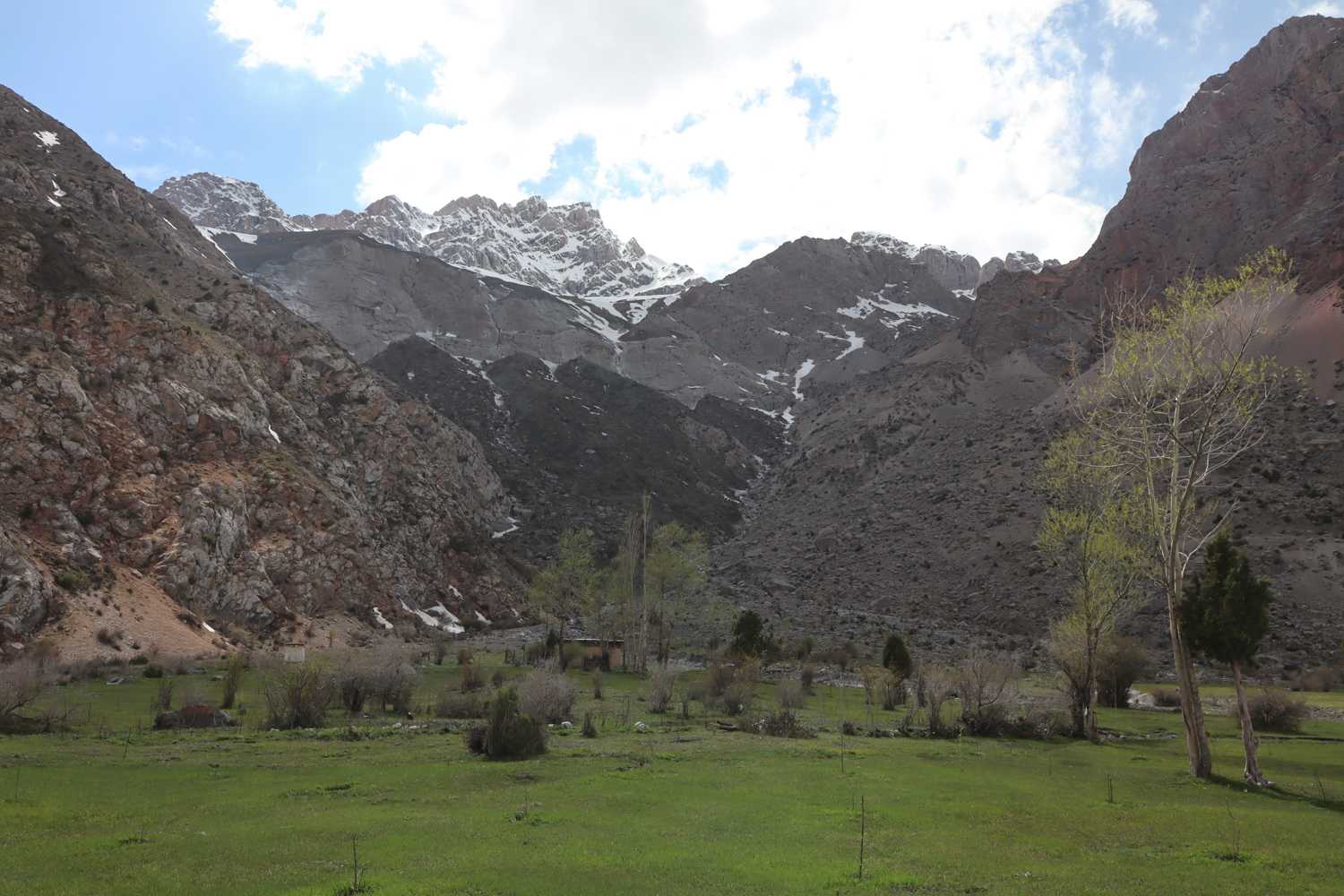
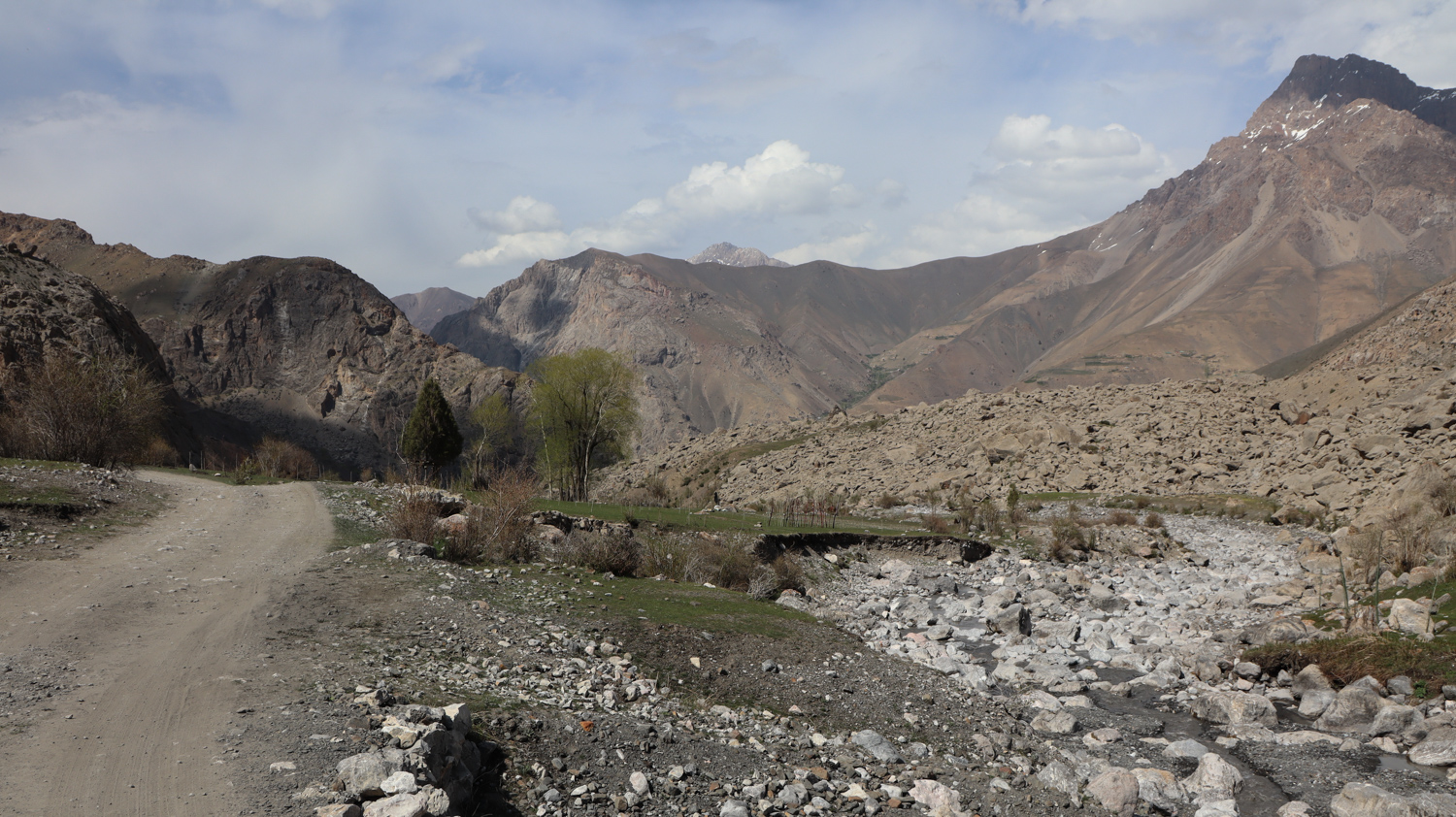
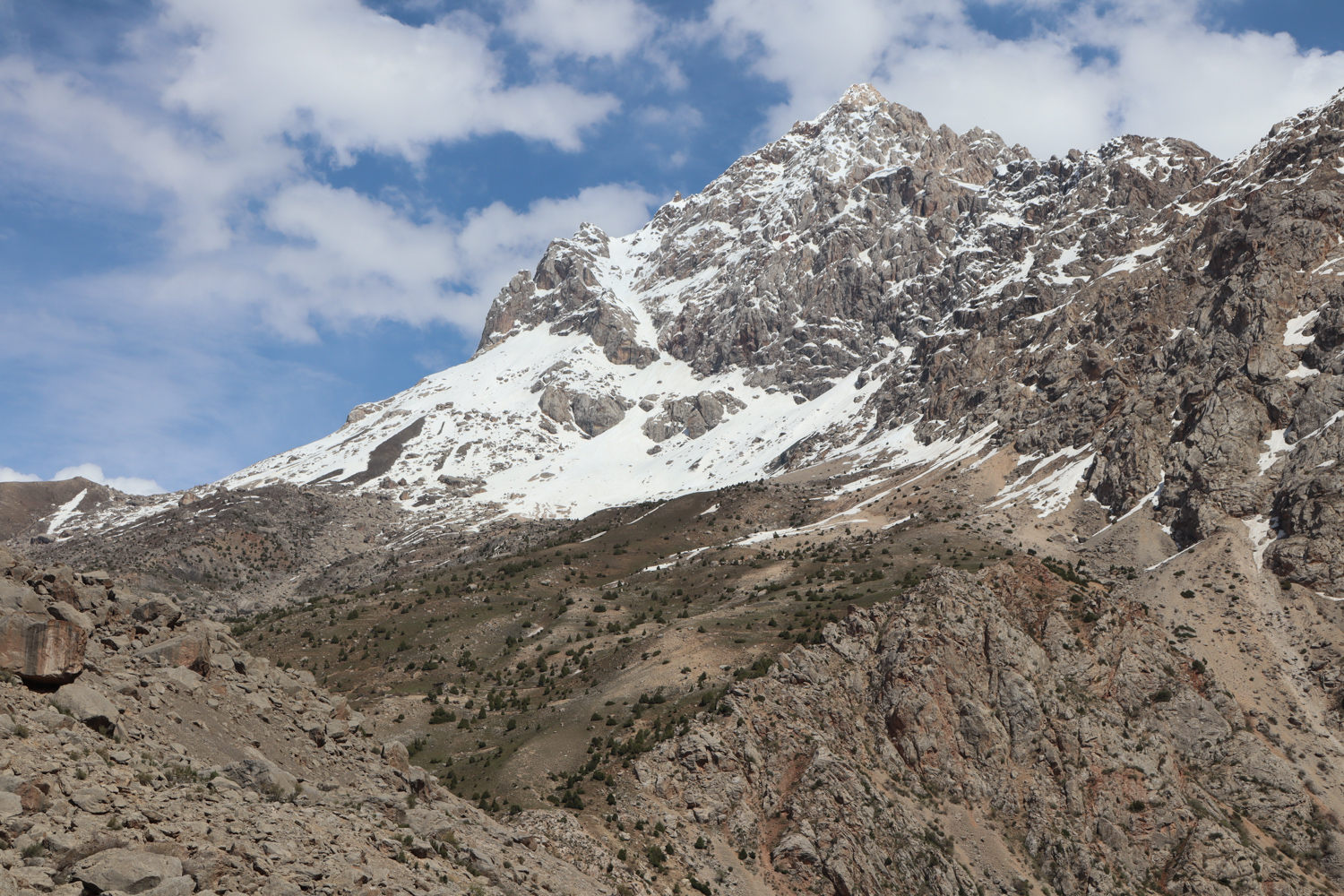
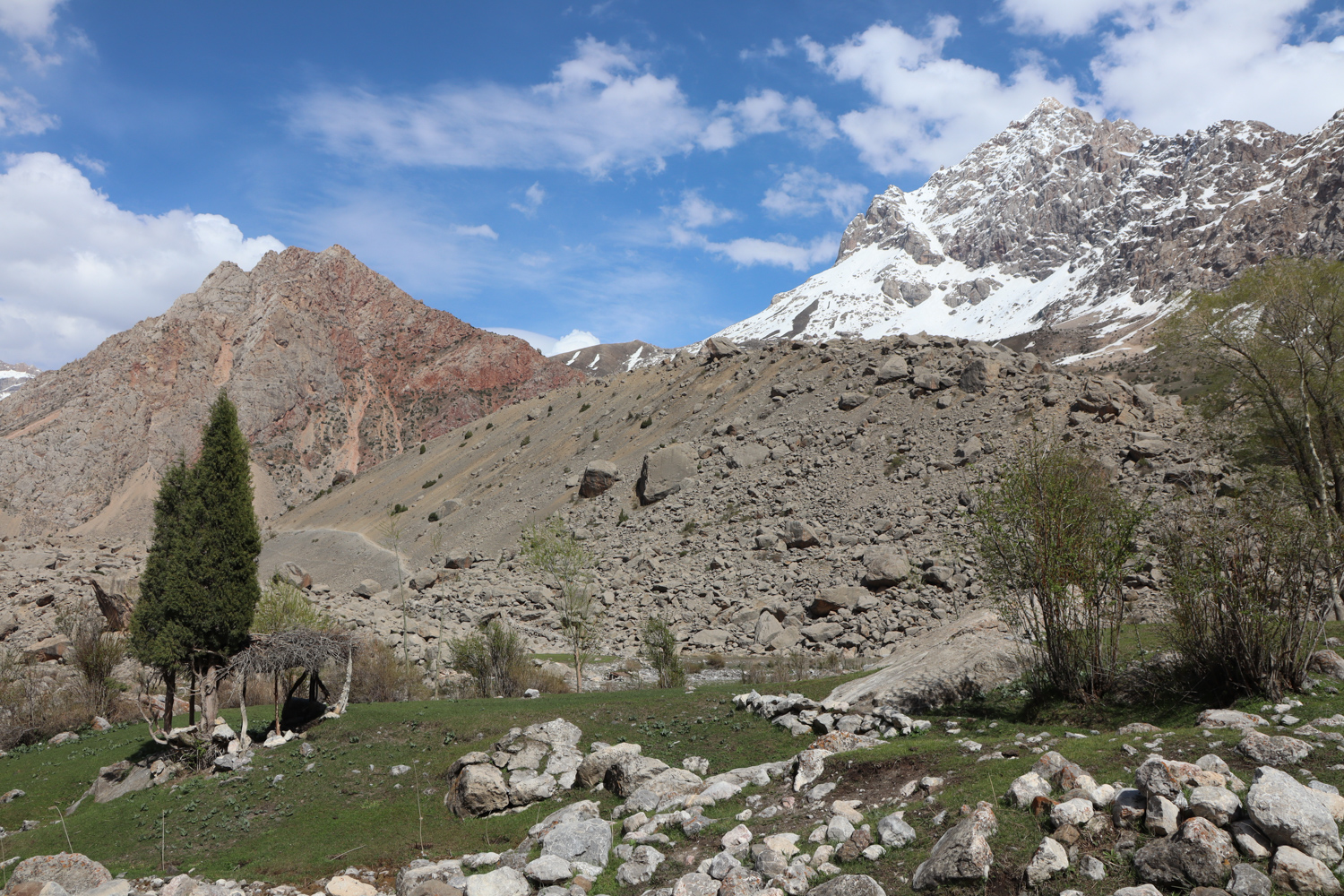
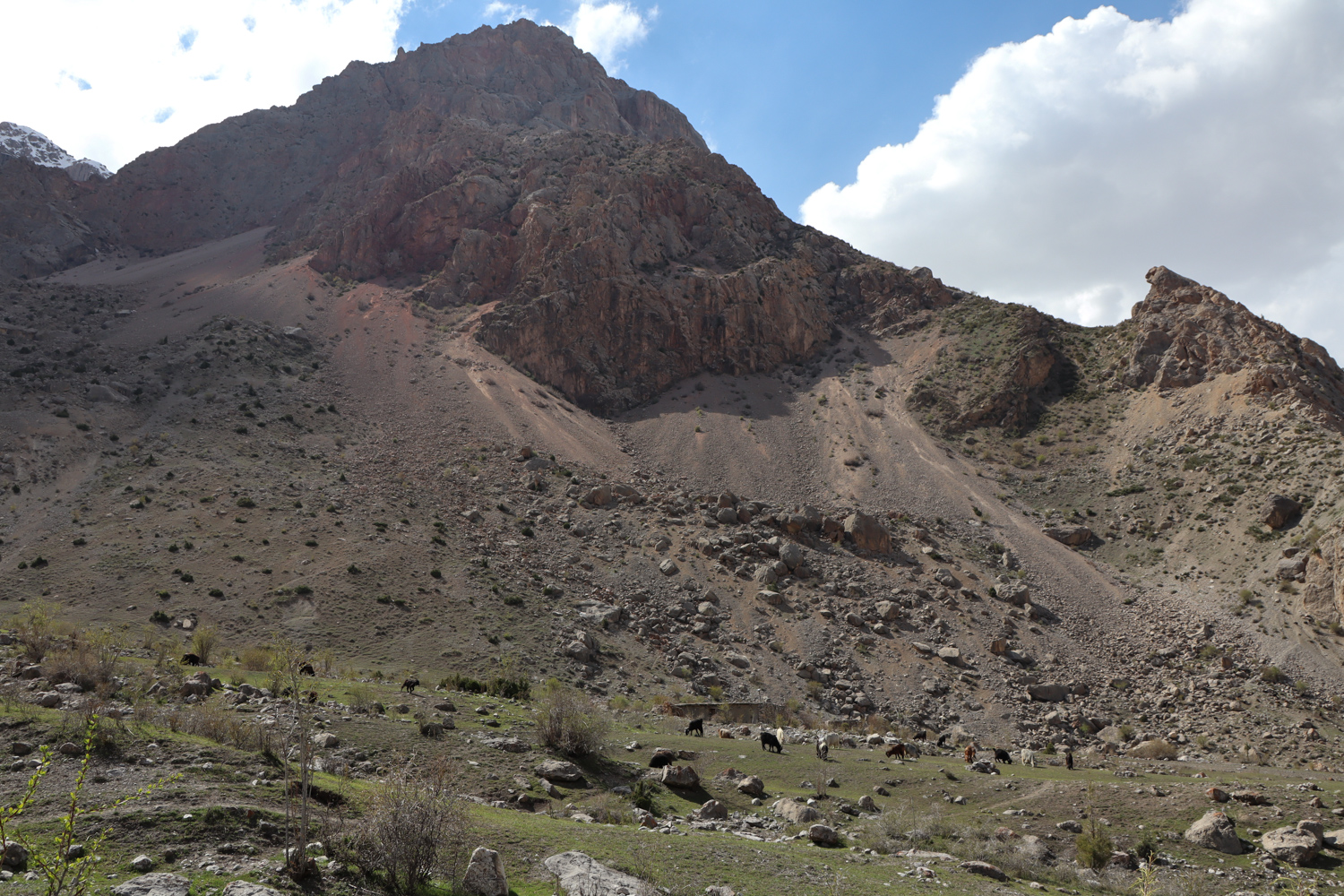
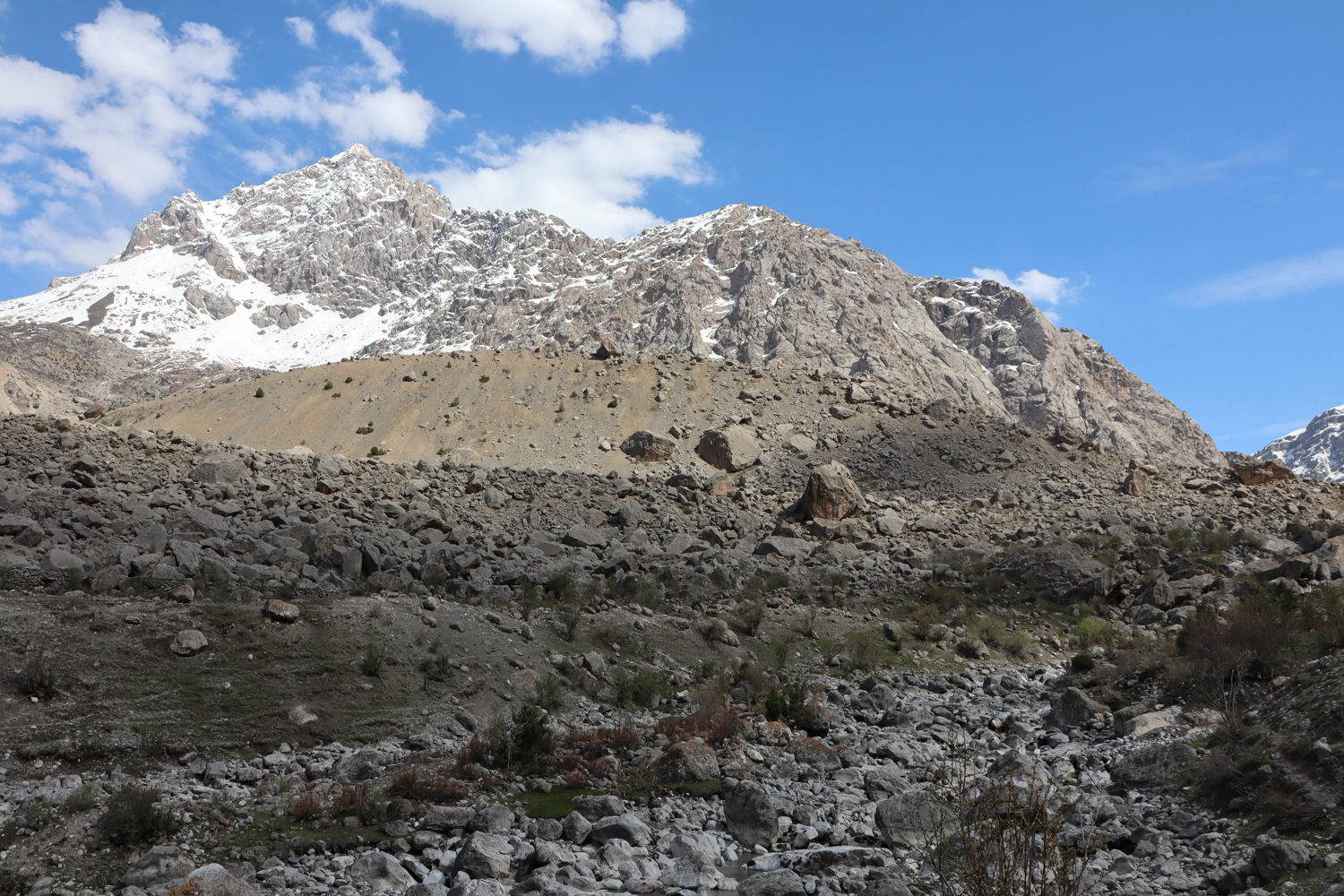 If it was up to me, I’d stay here for hours, admiring the colors and textures around me.
The bottom
While on our way back, I asked while we were crossing the 5th’s lake bed, to stop so I can take a few photos. For some reason no one else did the same, which is sad in a way. How often do you get to stand on the bottom of a lake?
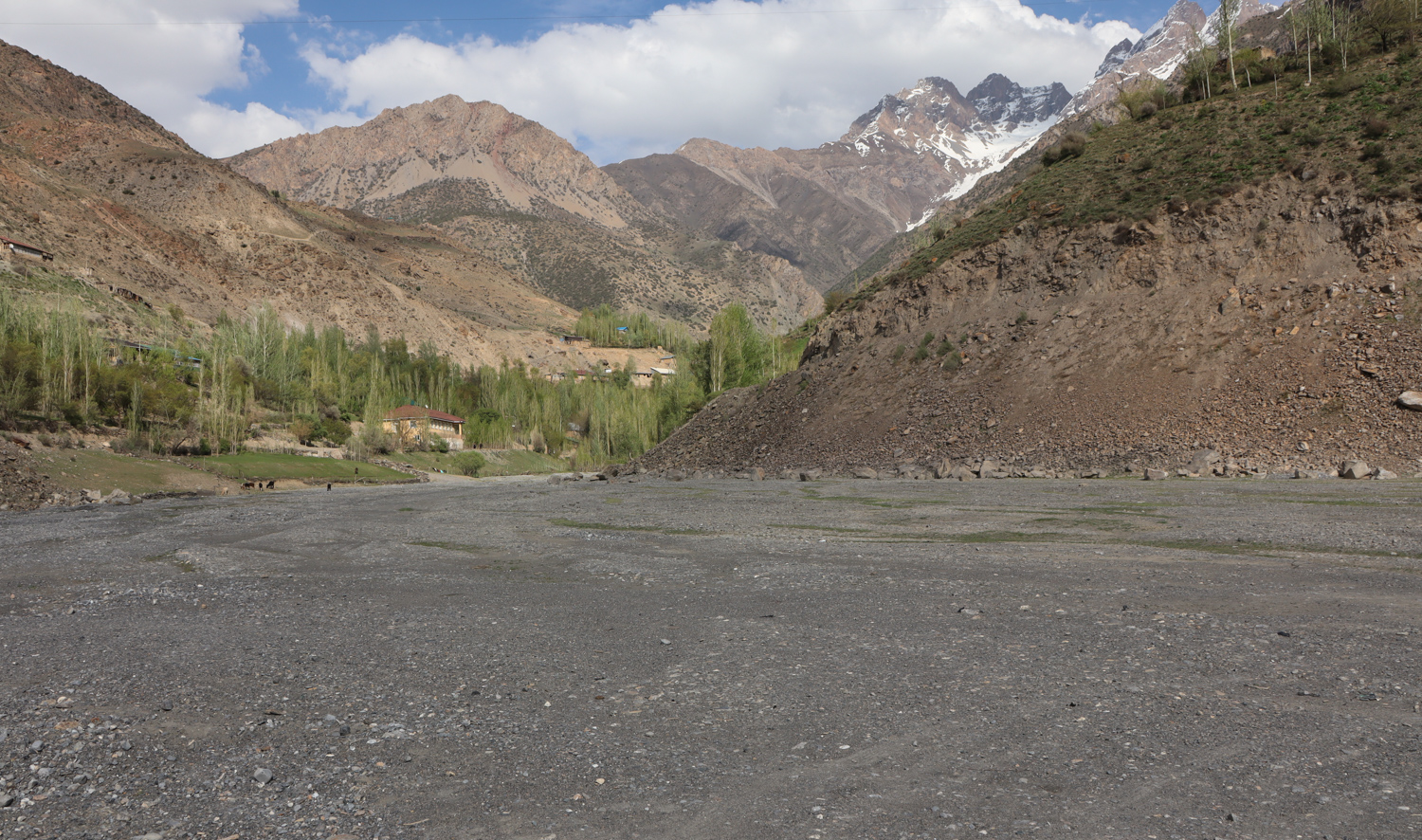
The road to the seventh lake
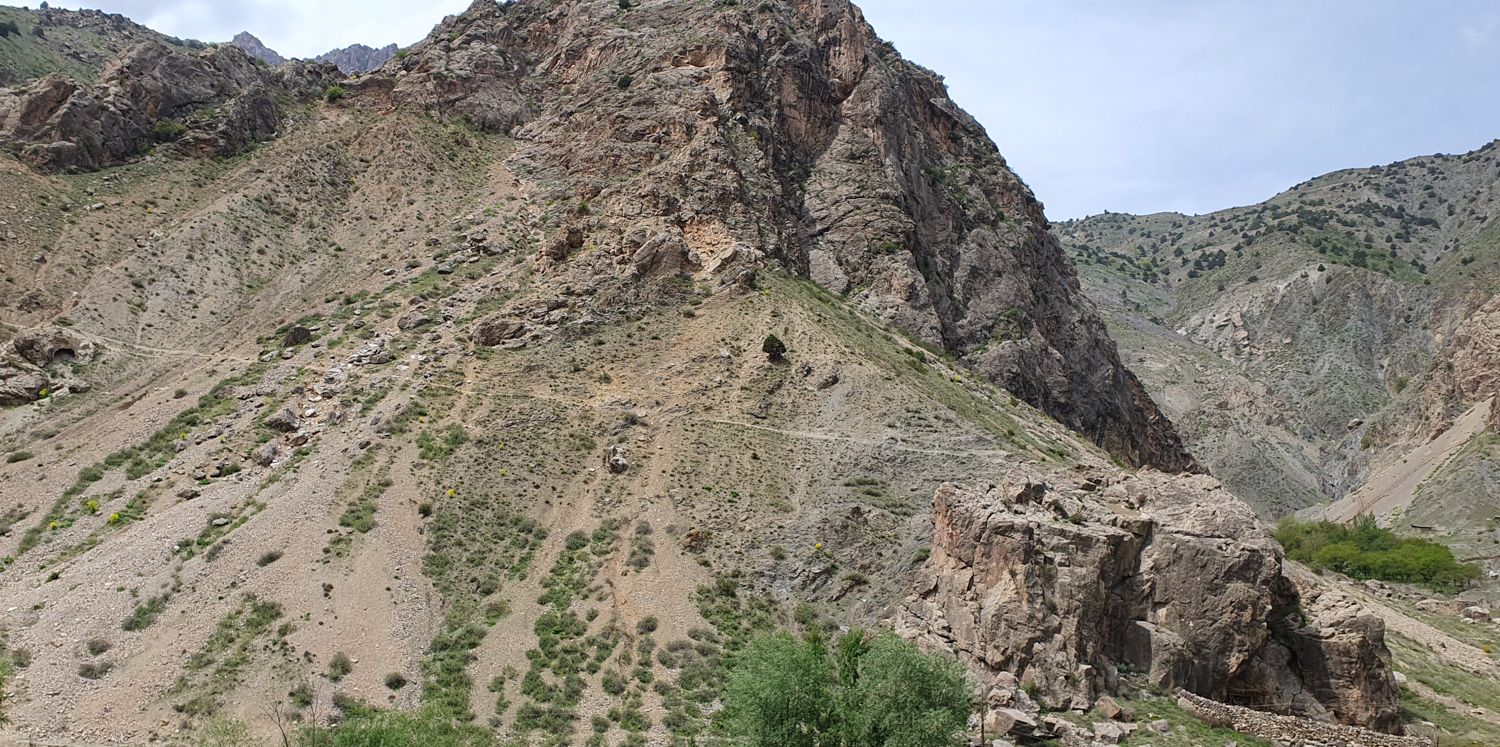
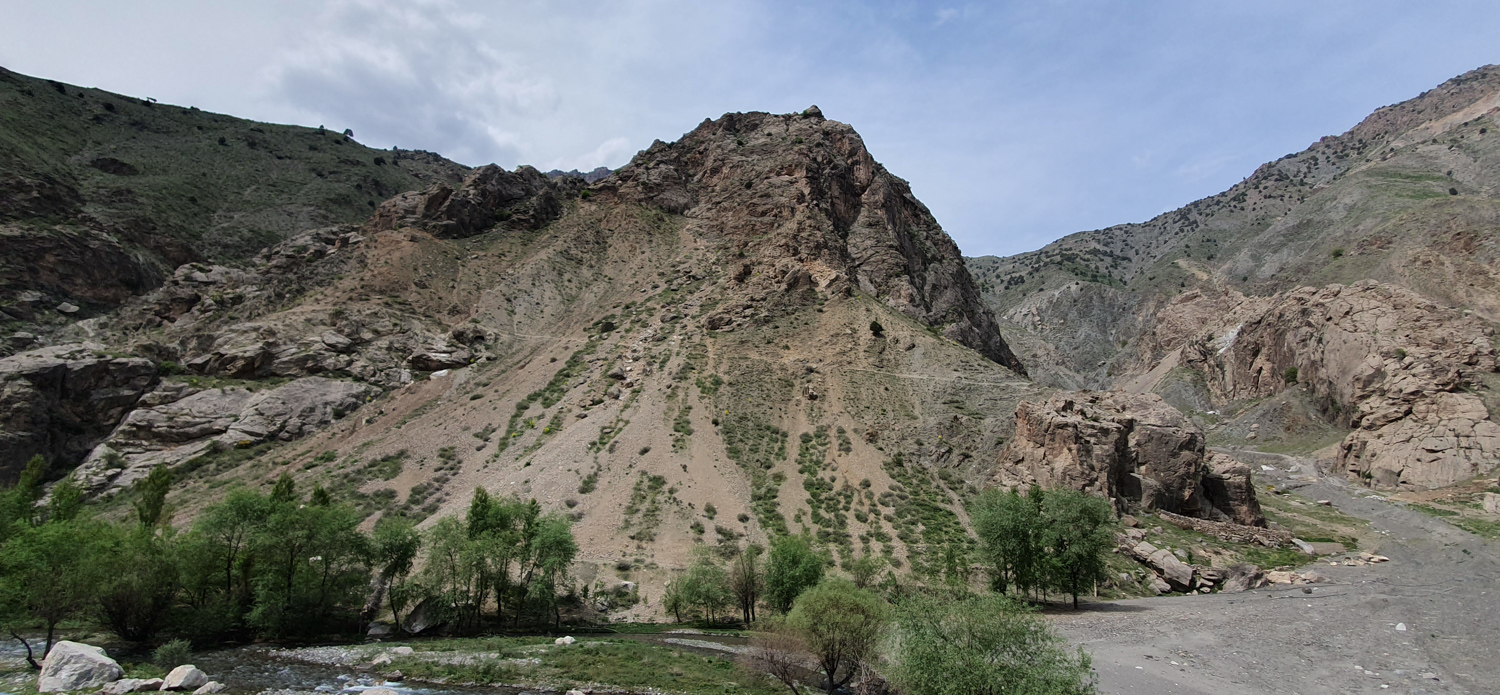
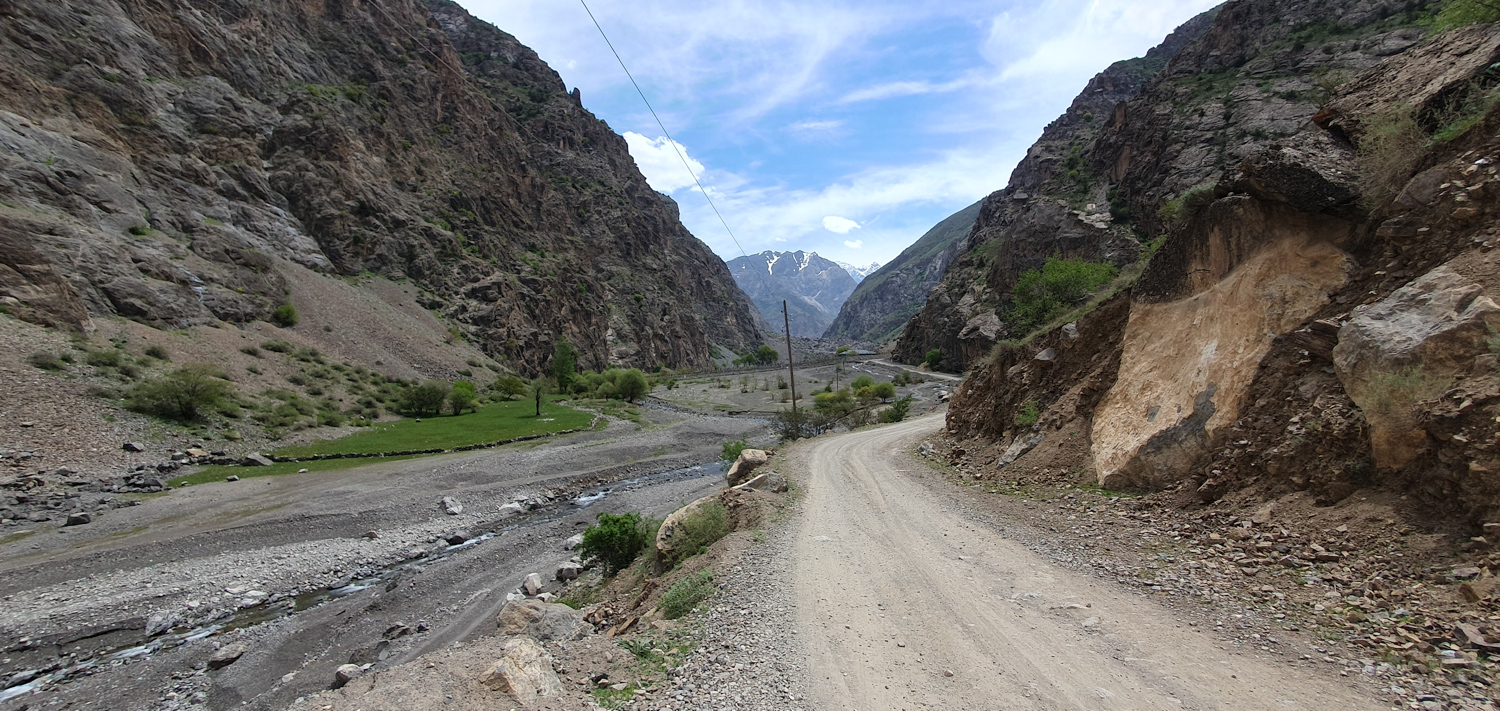
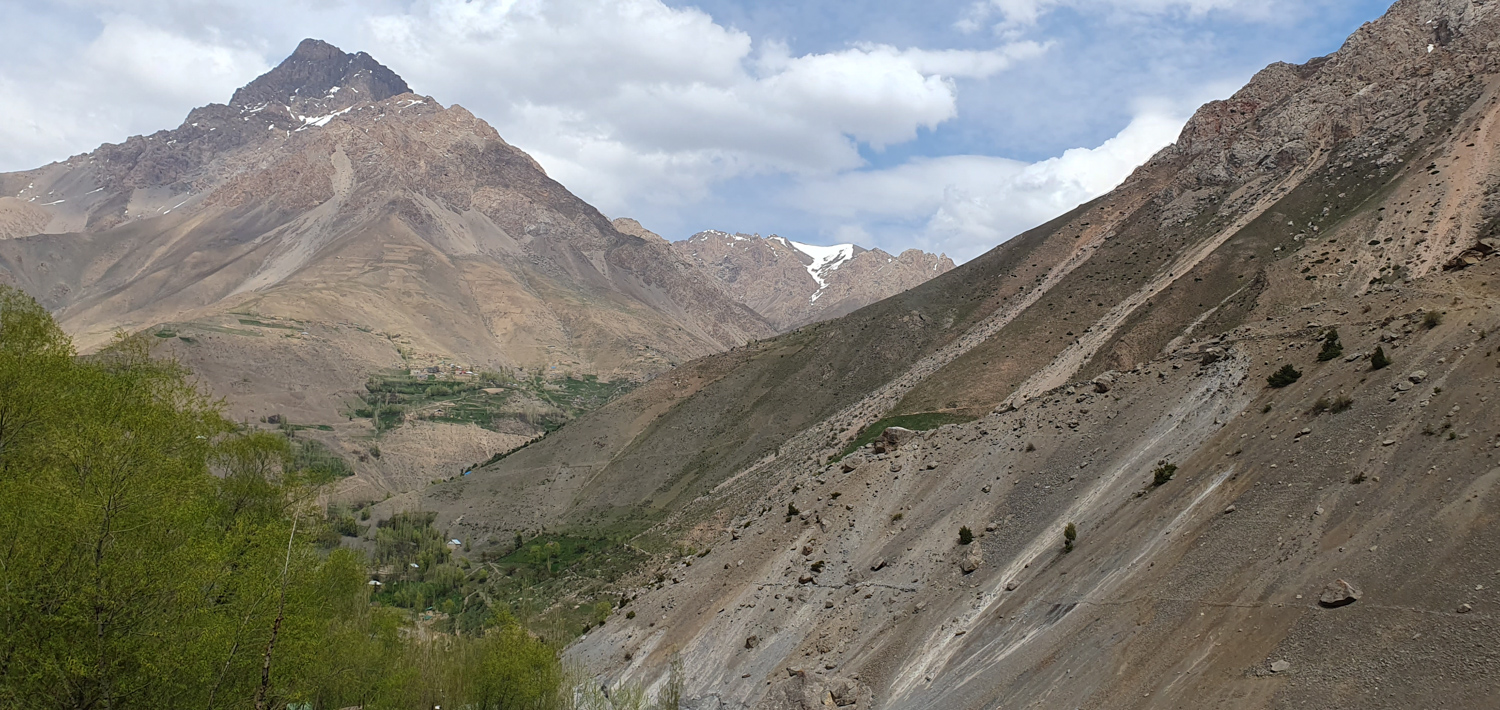
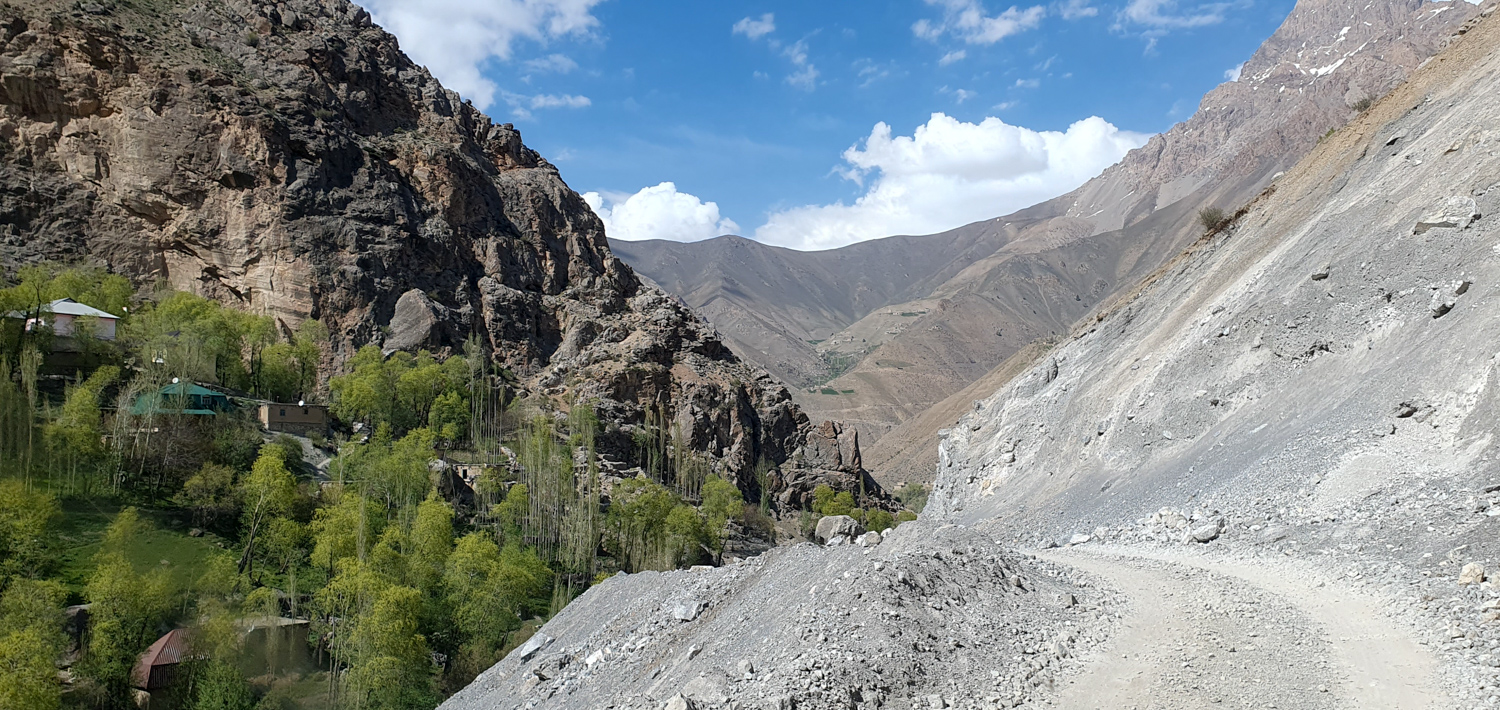
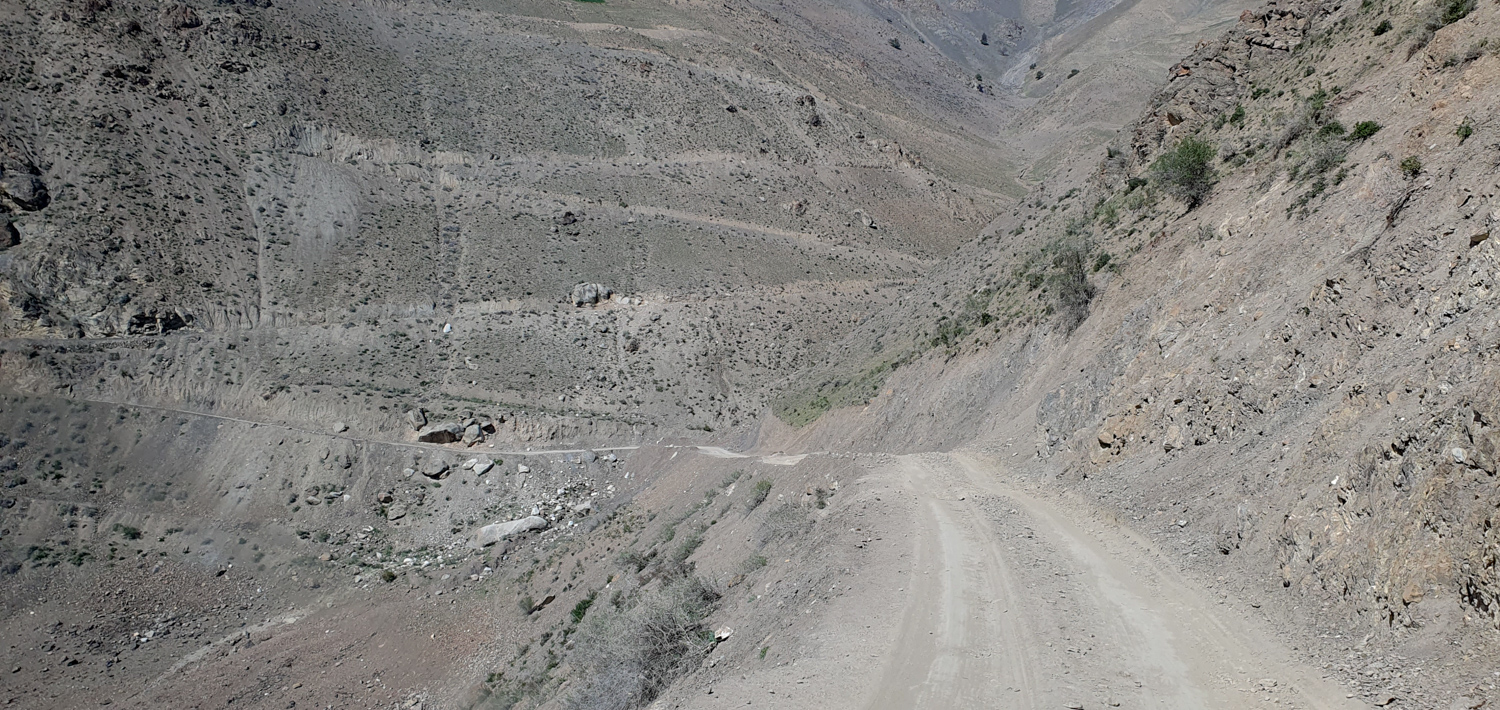
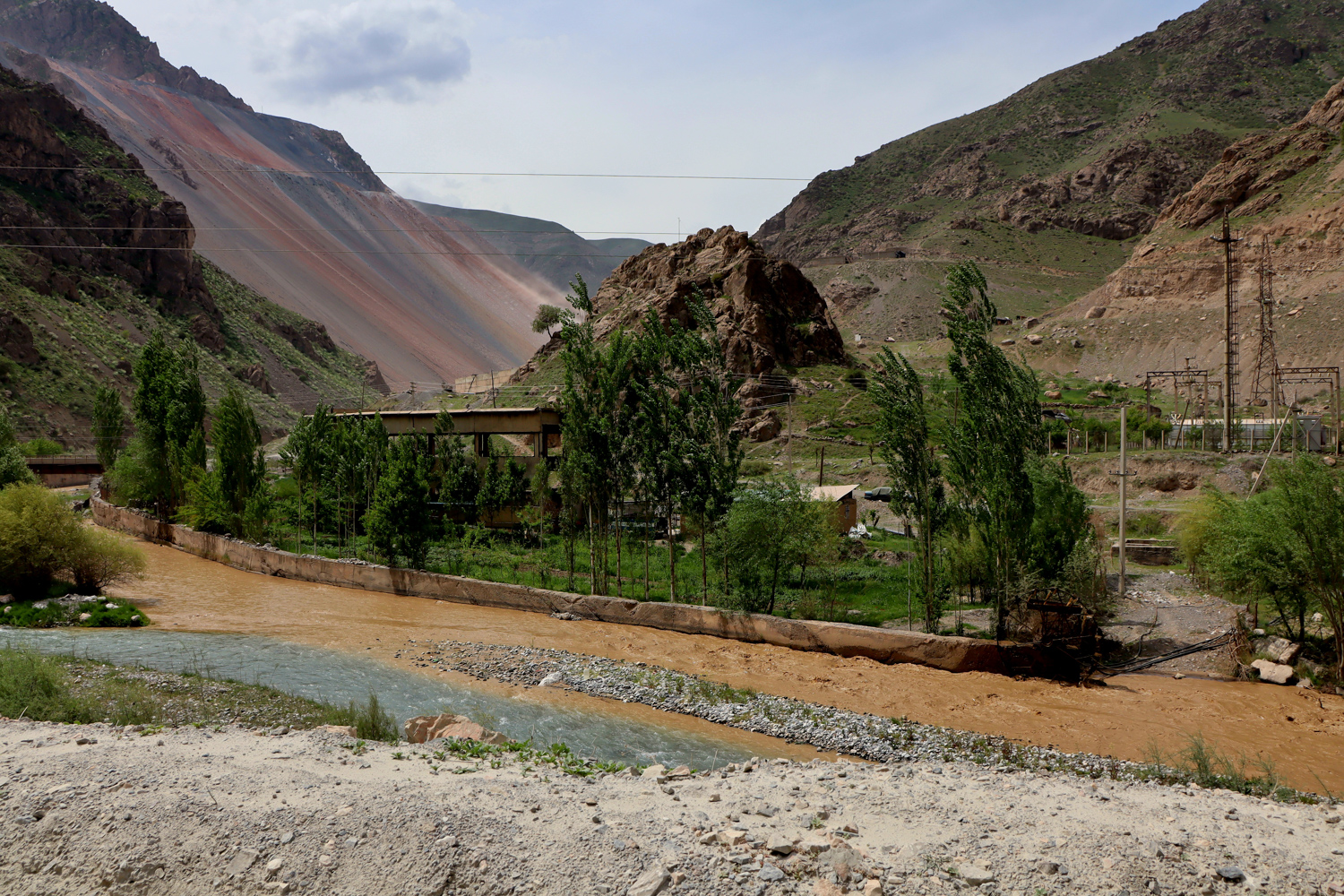
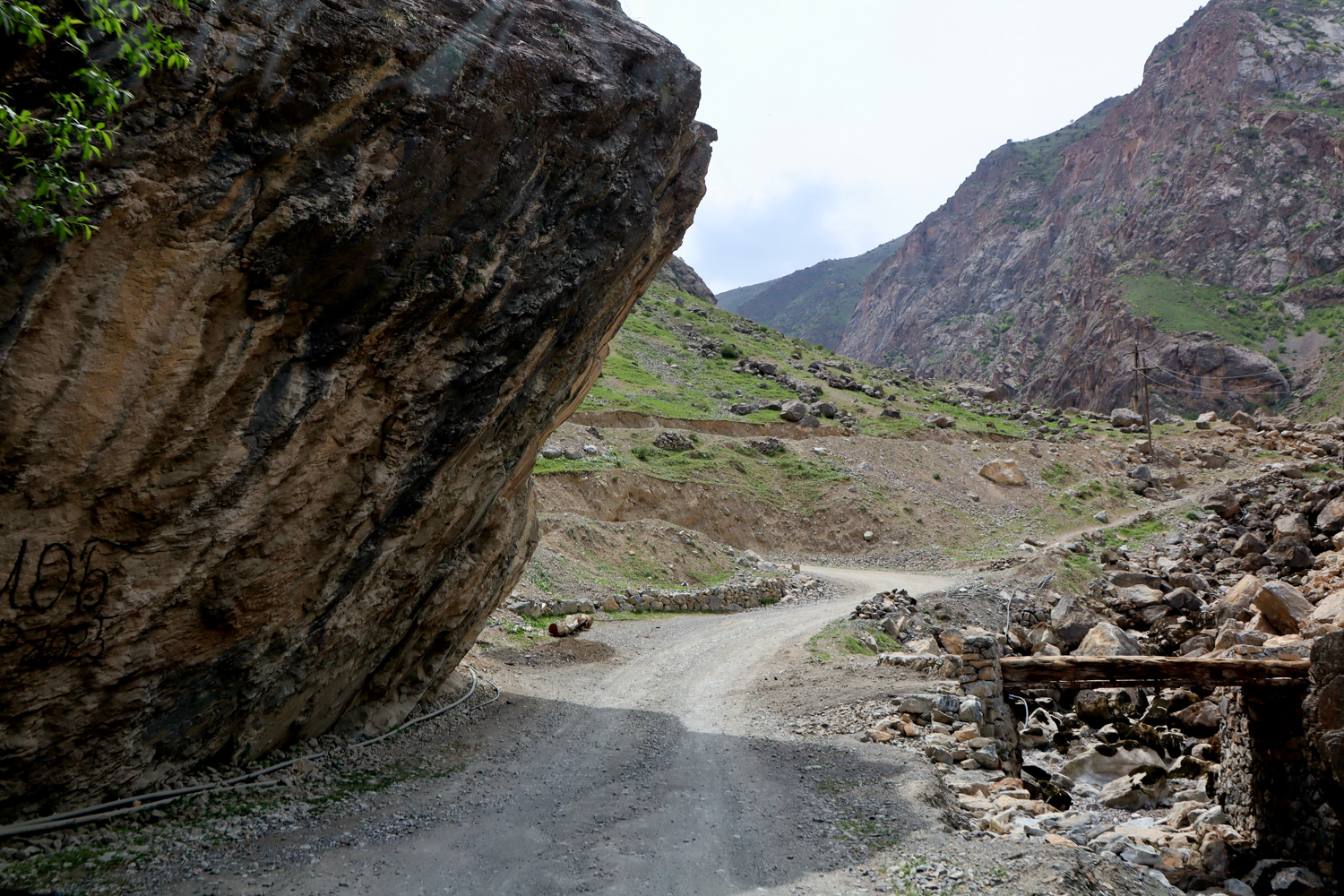
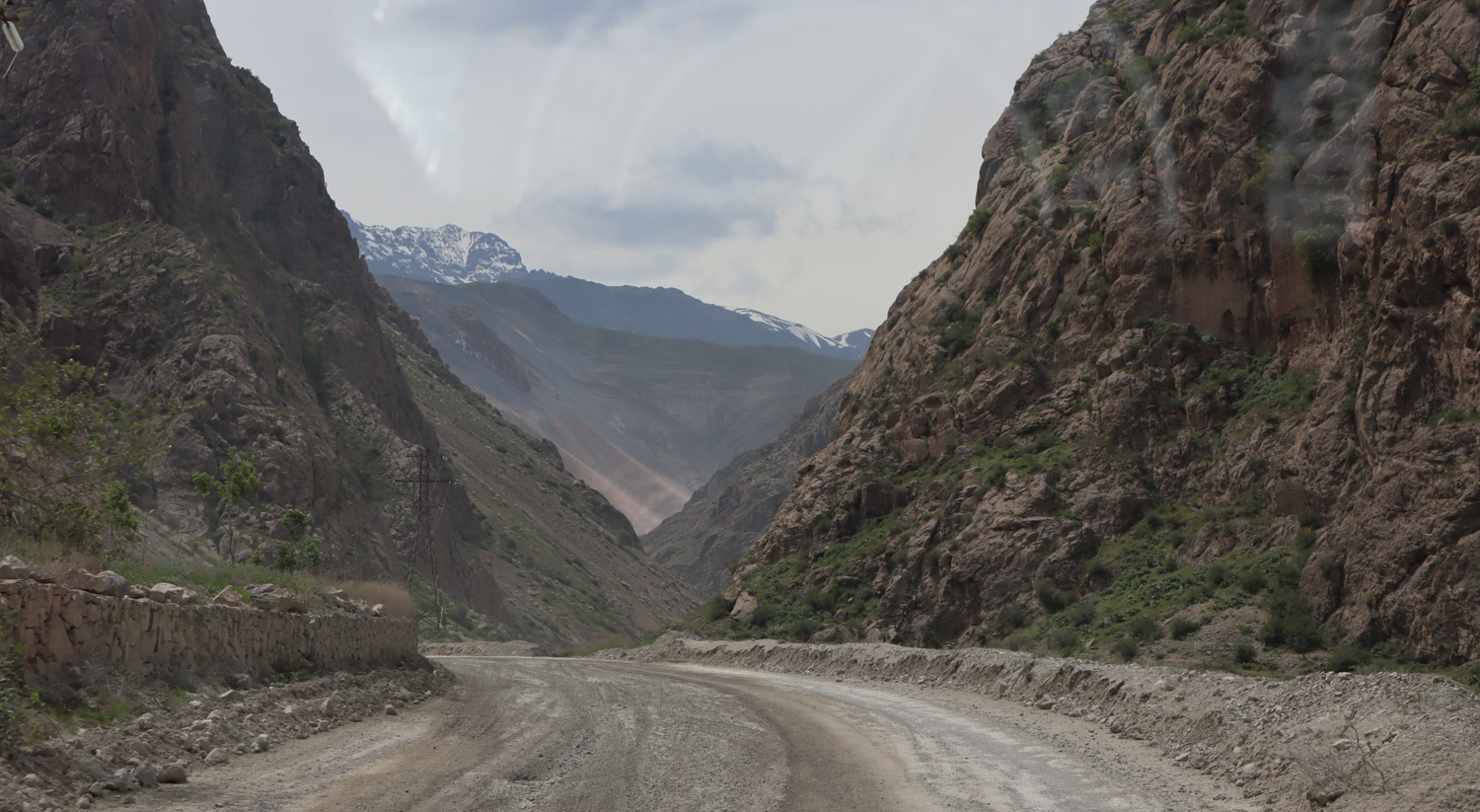
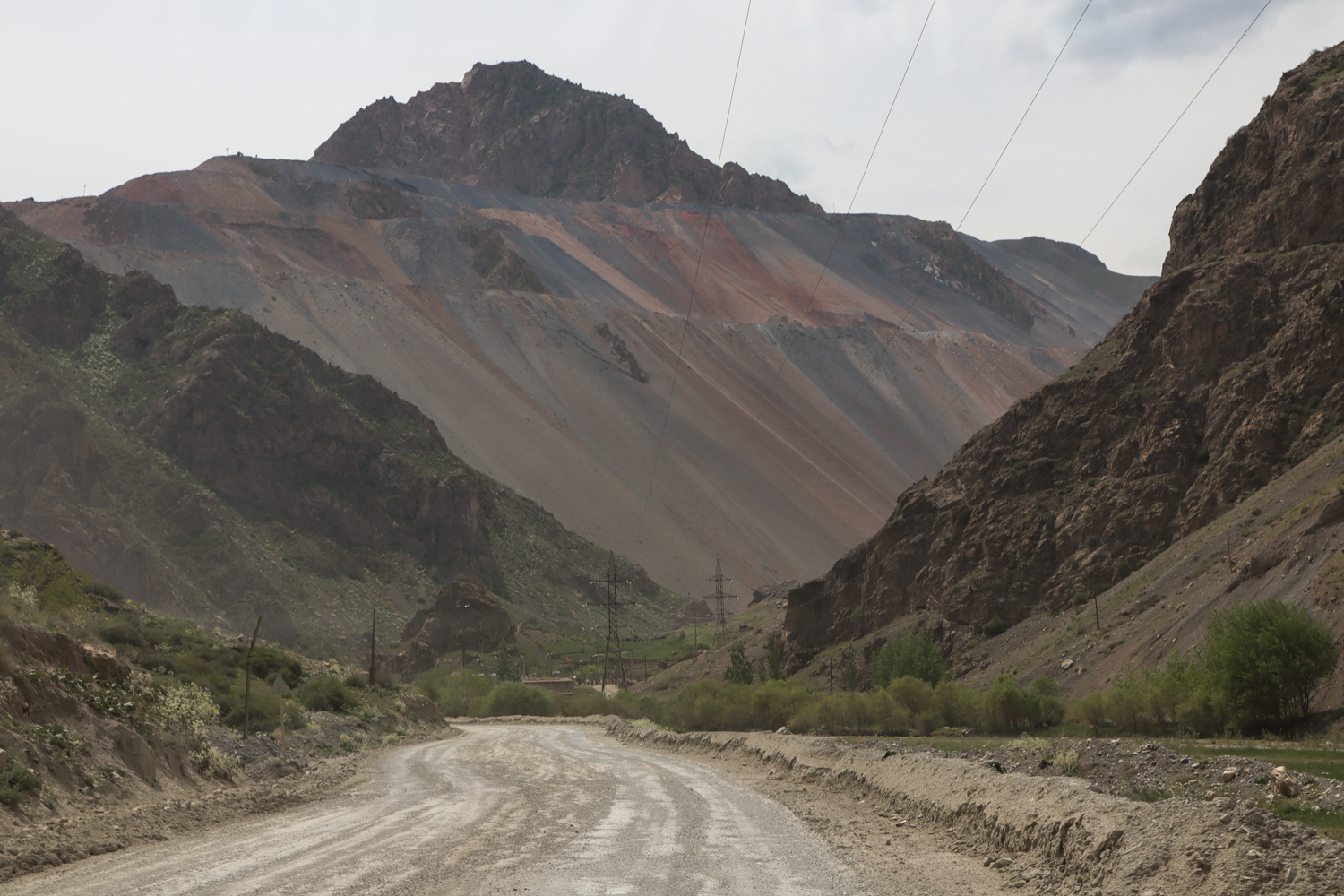
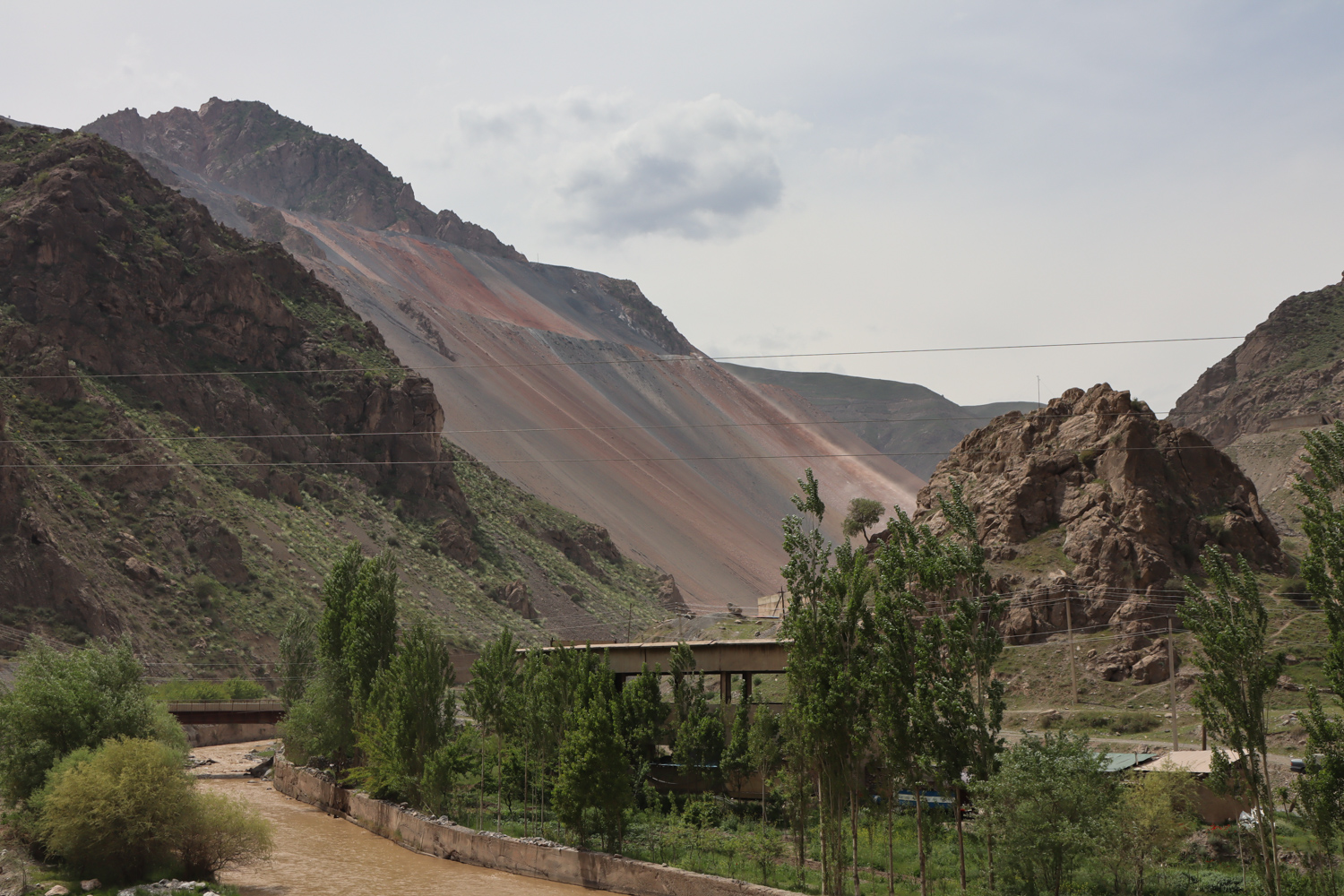
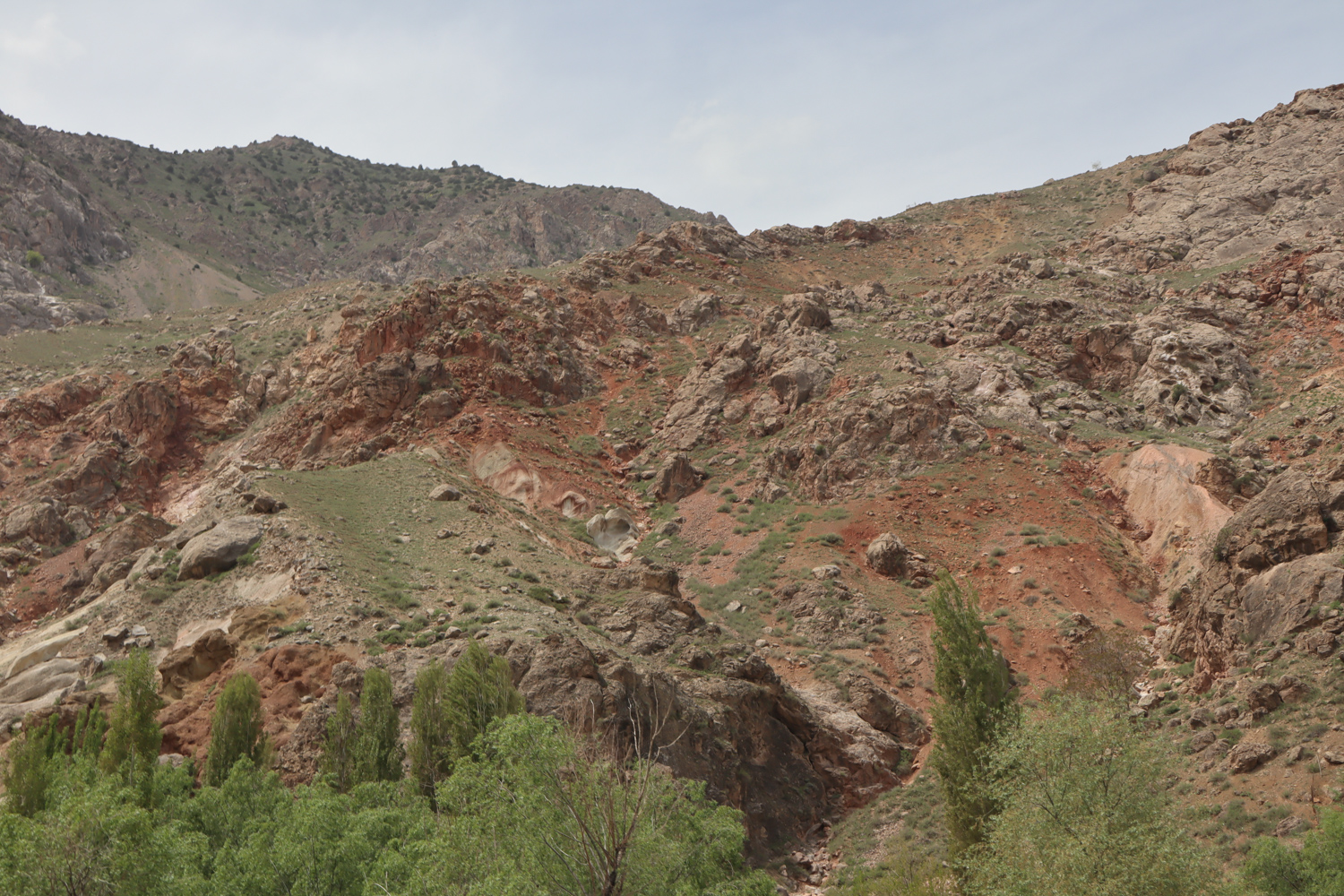
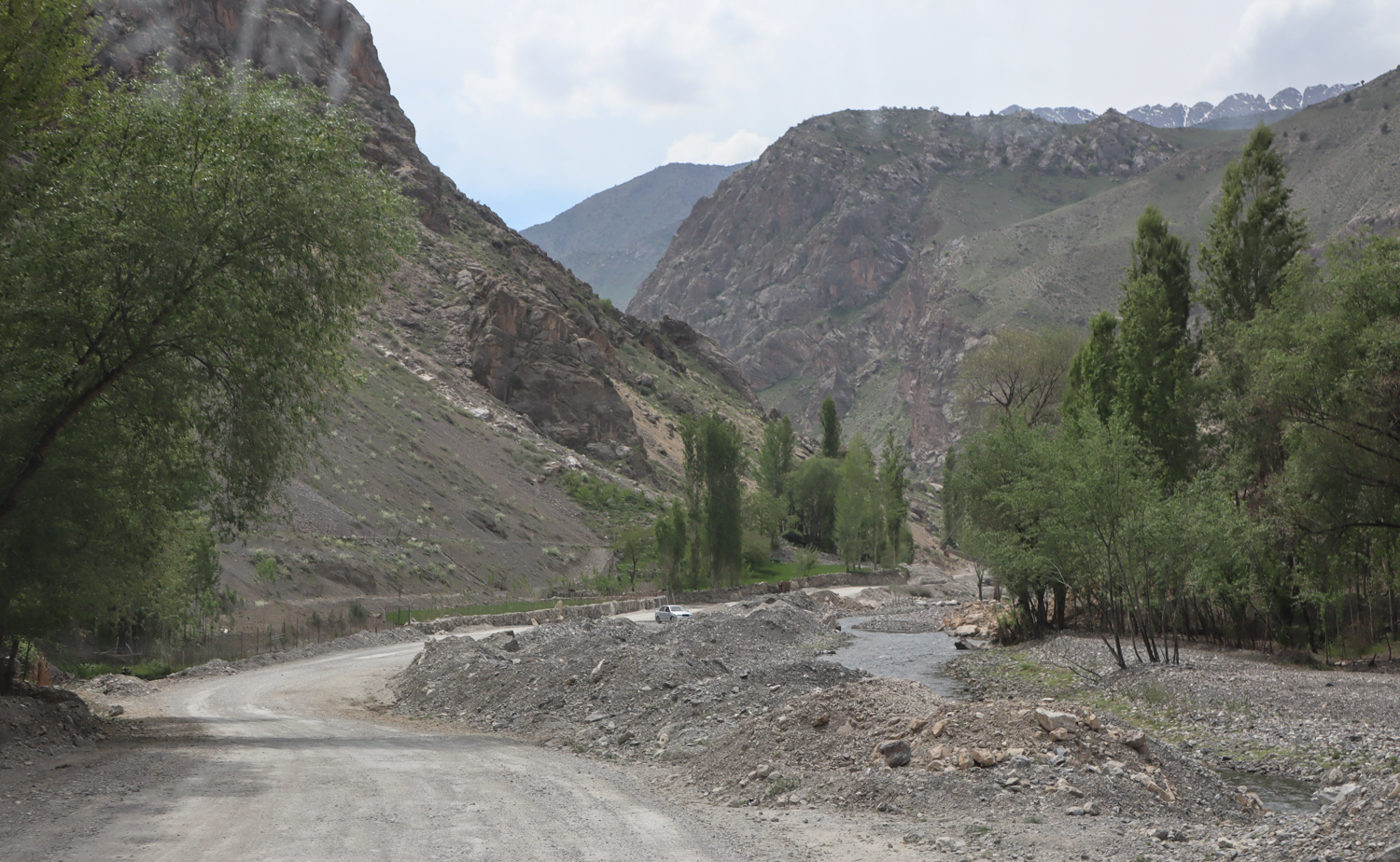
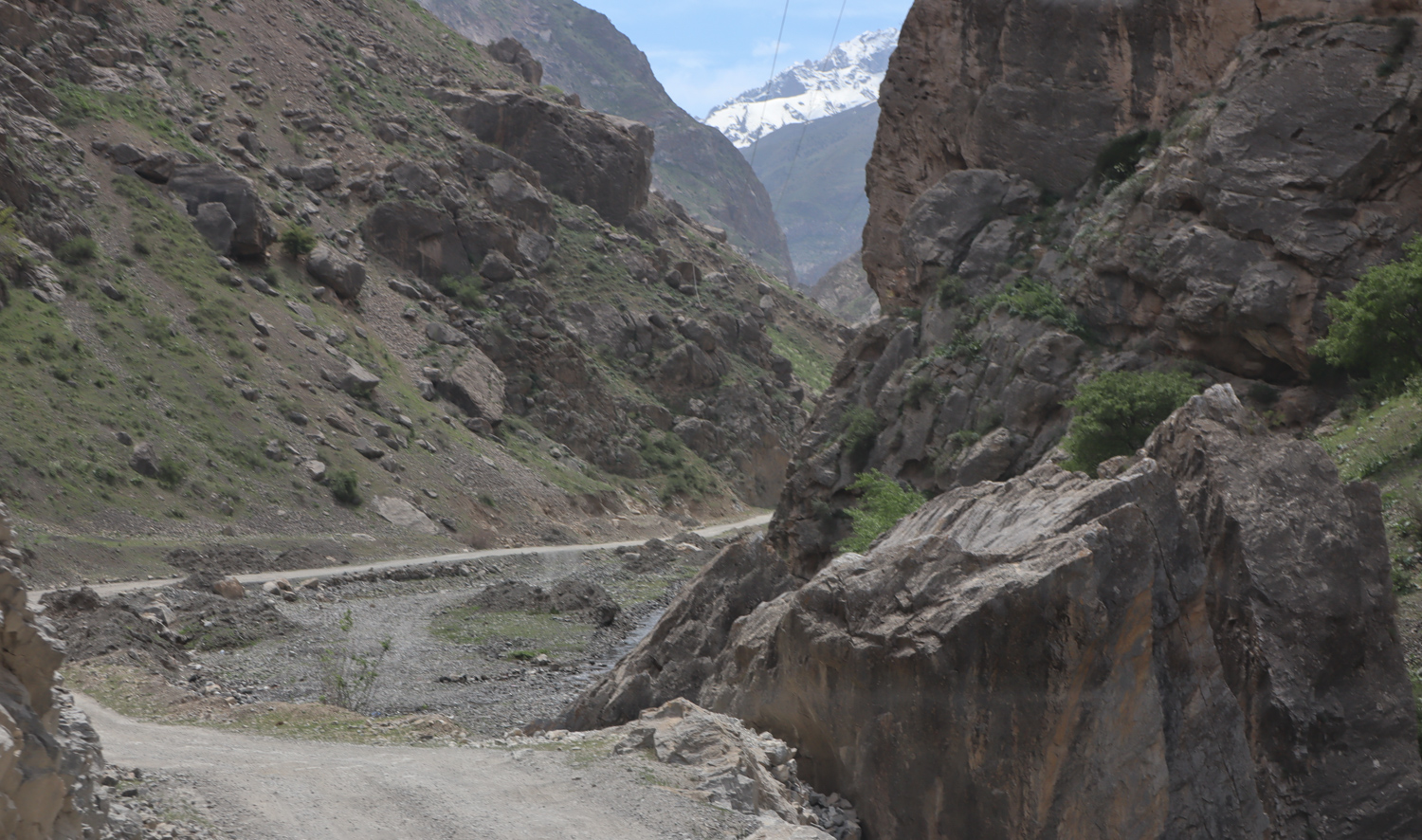
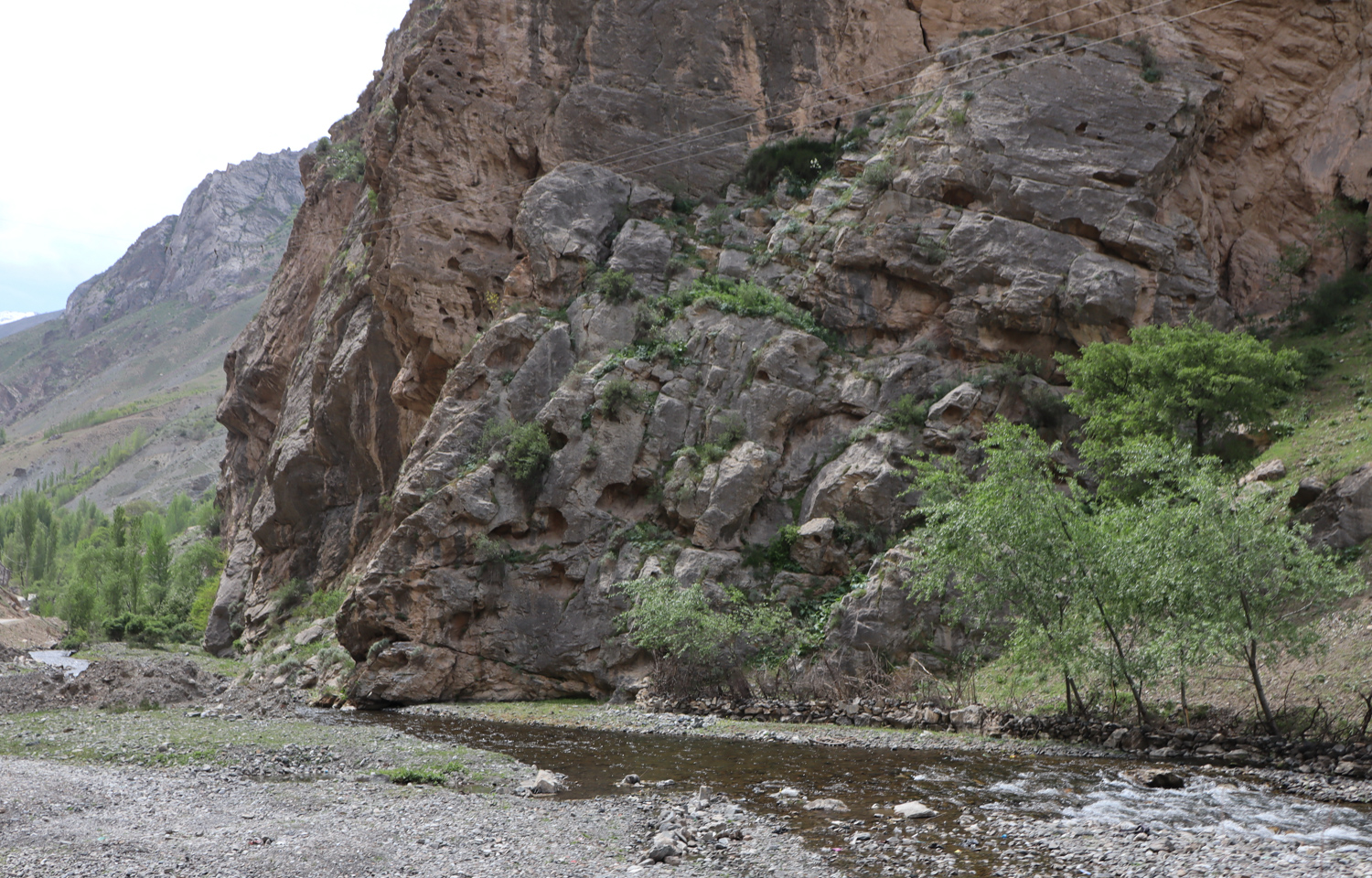
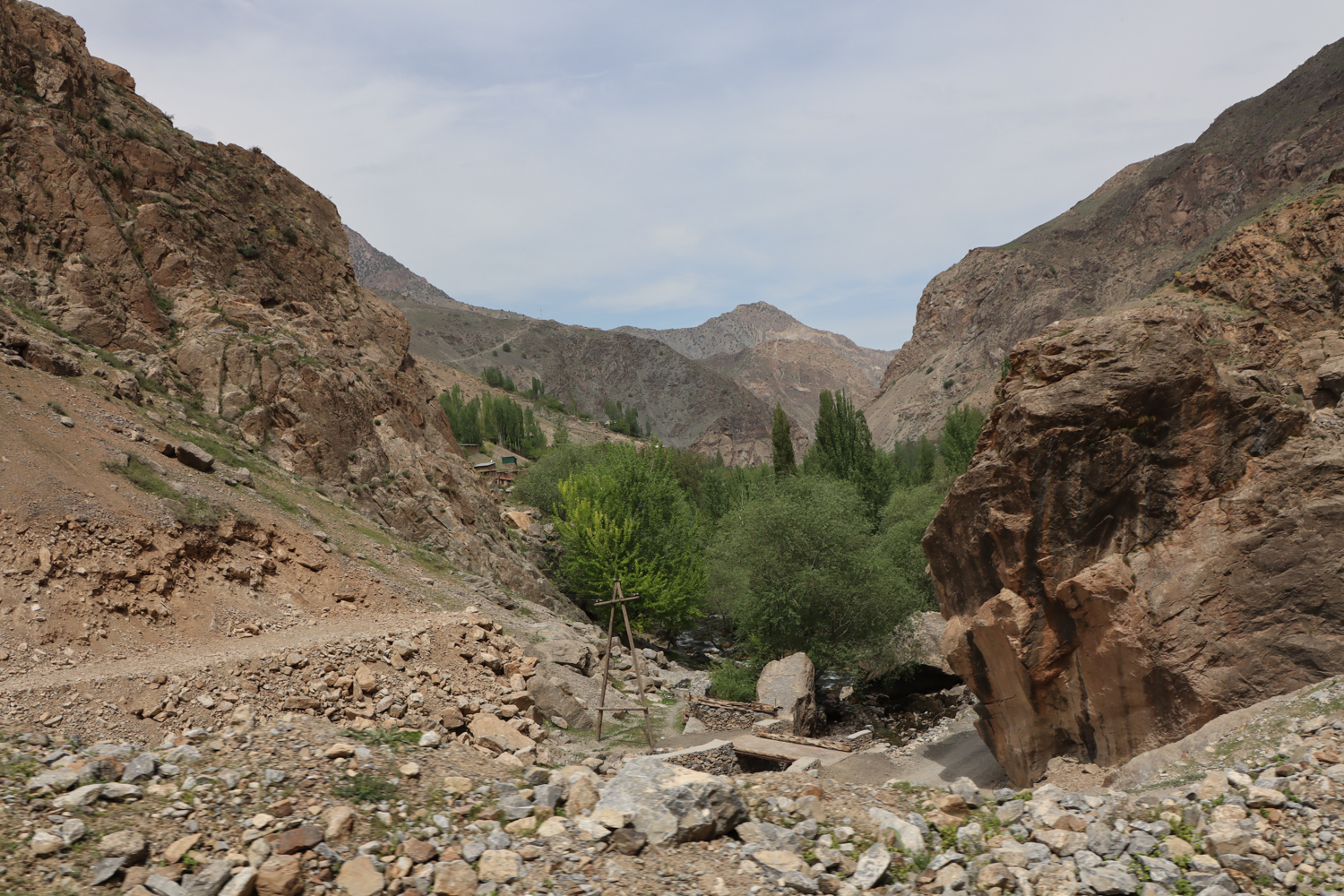
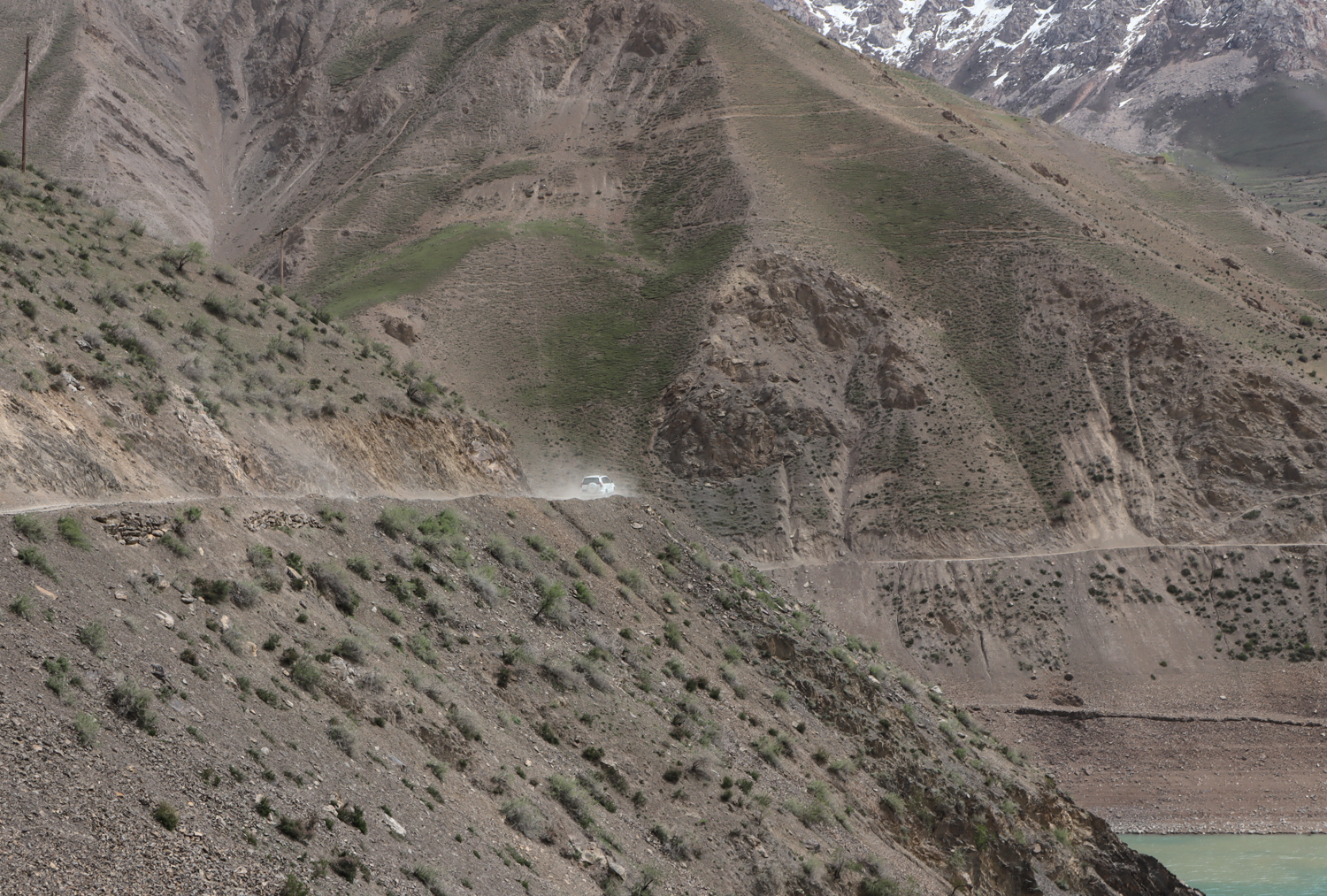
The path between the lakes is insanely beautiful. I kept my camera in one hand and my phone in the other one, ready to shoot at every possible angle. I was very busy, to say the least. It seemed to be quite challenging to drive on such terrain, especially for those who were obvious tourists, but that did not stop a bunch of vehicles trying to reach the final lake.
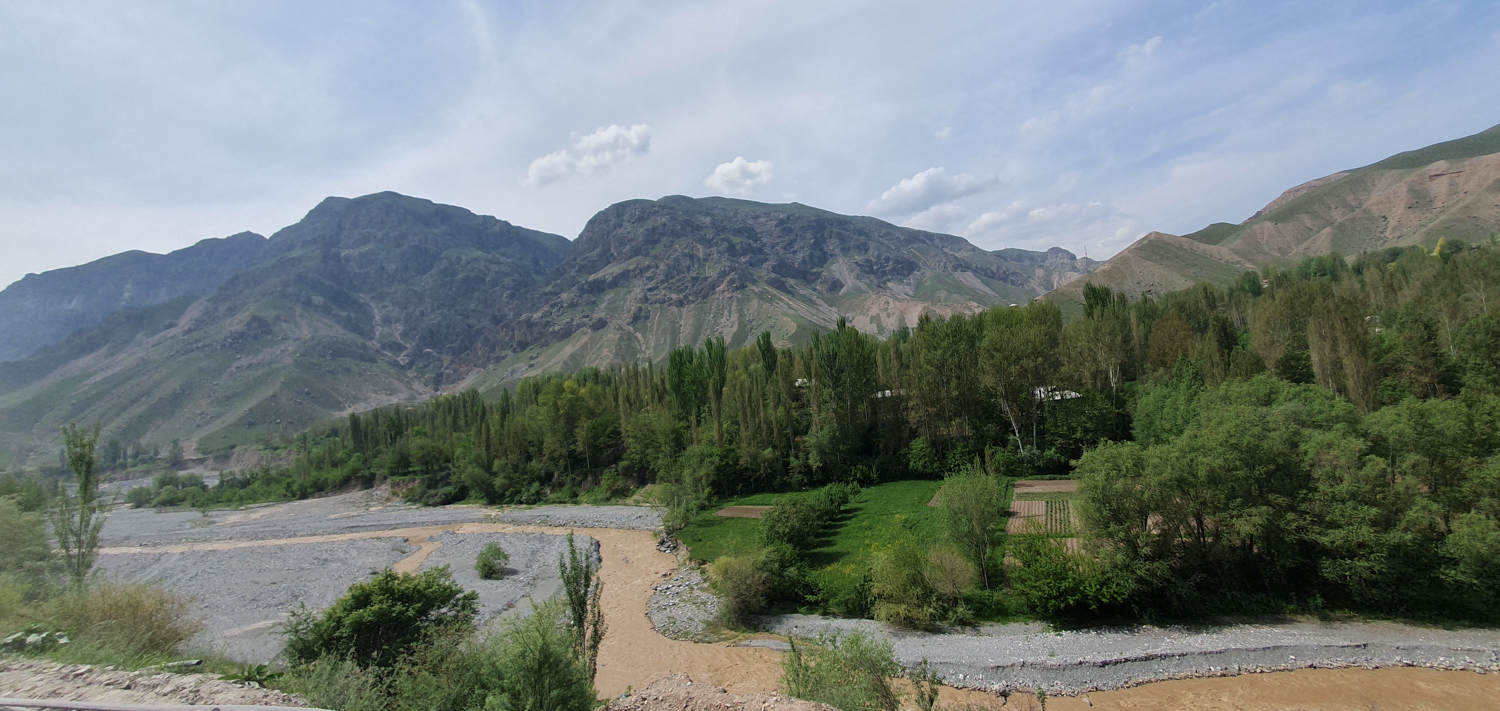
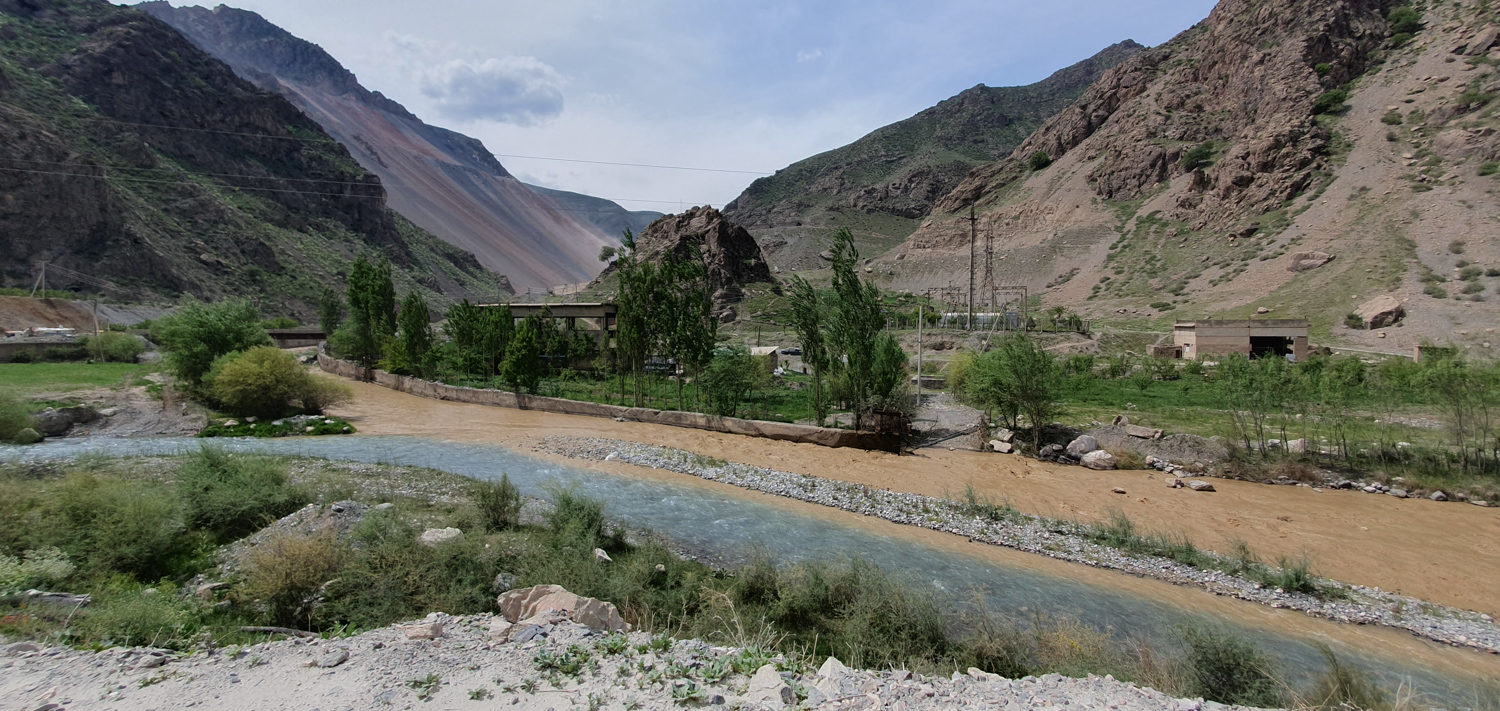
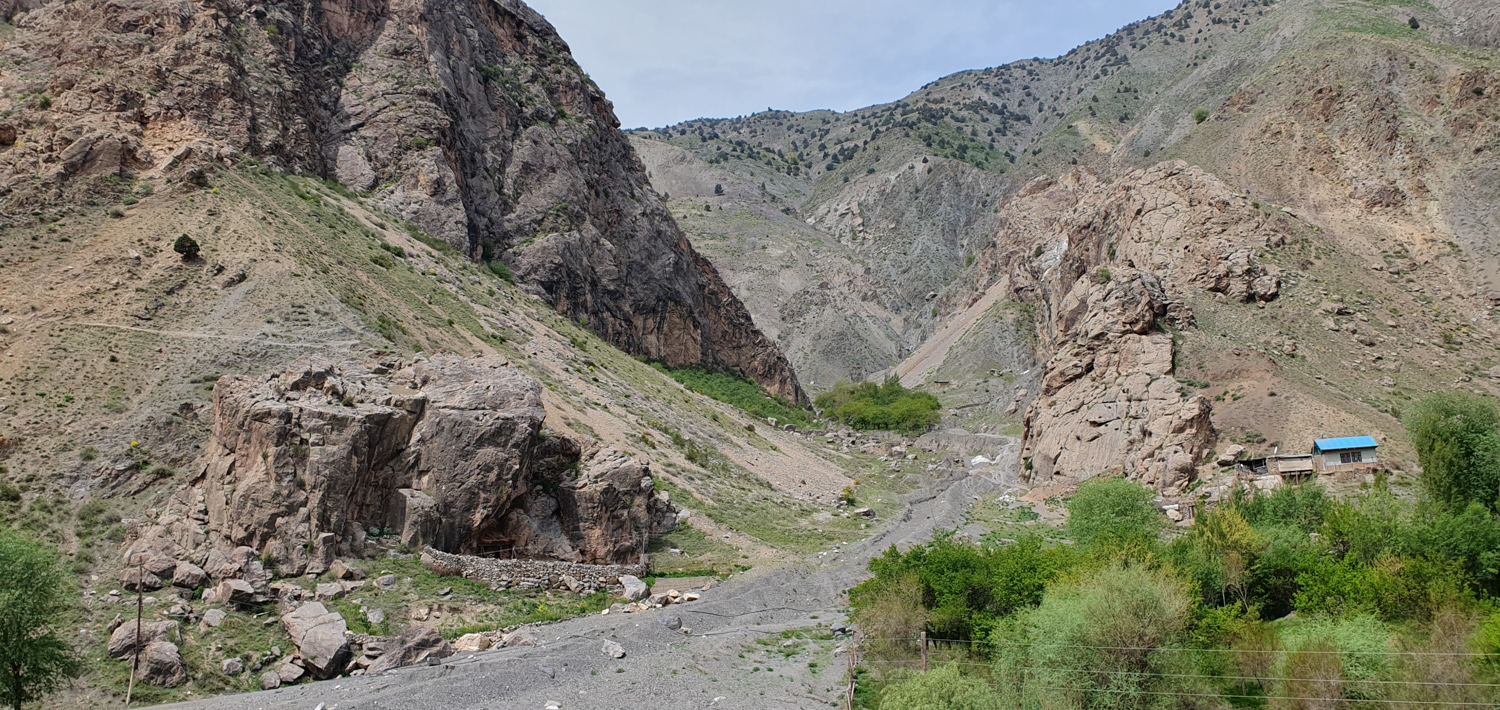
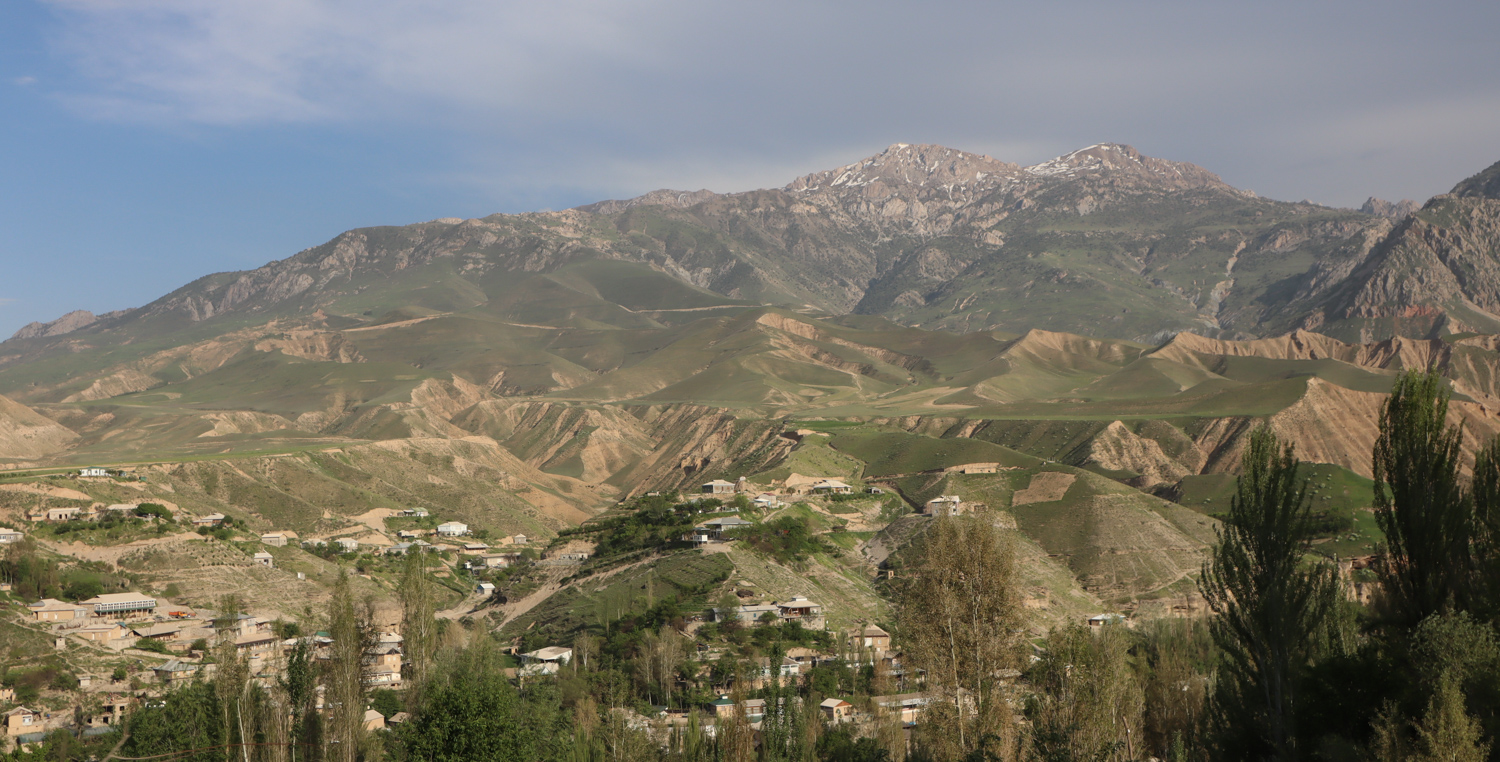
The day ended by reaching Panjakent again, going through the border control and driving back to Samarkand.
Reaching such magical places really leaves an impact. Amazing place, amazing nature. Cordial people. I came back to the green hotel quite impressed and happy with everything I saw while visiting Tajikistan.