Visiting Bukhara
 Ivana
Ivana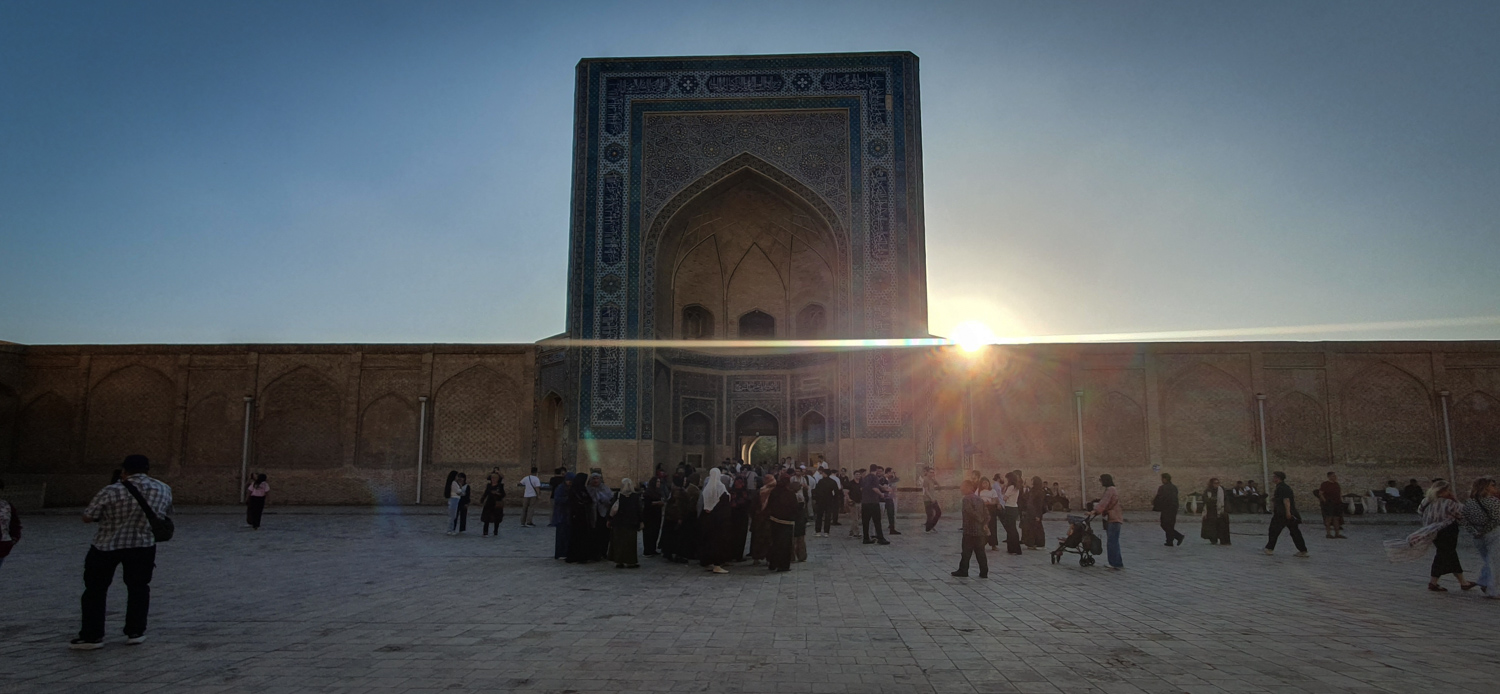
One of the absolute top notch places to visit in Uzbekistan is the city of Bukhara. Along with Samarkand and Khiva it belongs to the places you simply cannot omit if you are in Uzbekistan, due to their cultural, historical and traditional value and importance.
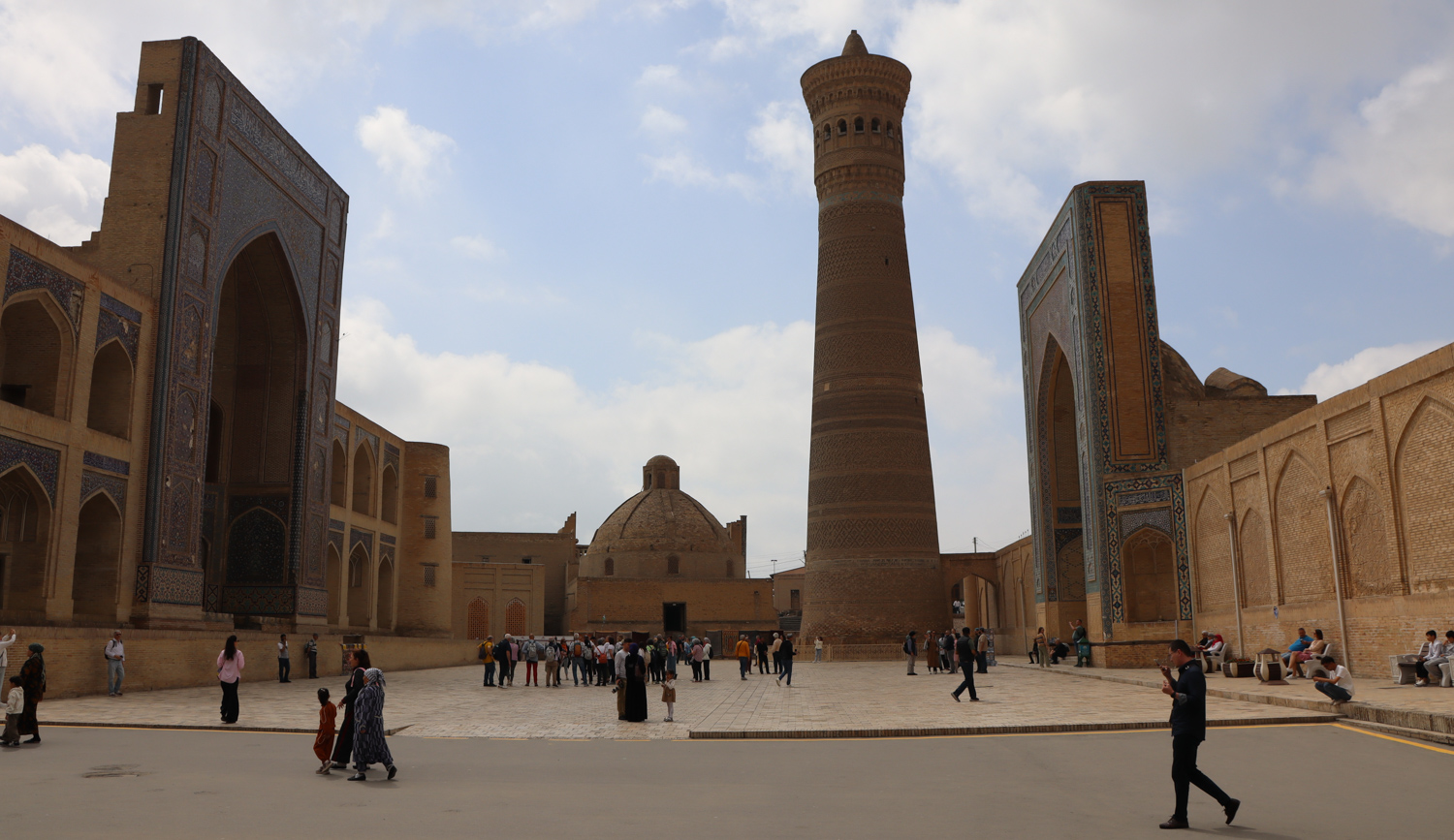
Uzbekistan was the heart of the Silk road, with Samarkand, Bukhara, Khiva, Tashkent, Termez, Urgench, and Fergana acting as essential trade, craft, and cultural hubs. These cities allowed merchants to trade goods like silk and spices, while also serving as major centers of Islamic scholarship. Bukhara was a major trading and spiritual center for over 2 000 years, renowned for its covered bazaars and as a center for Sufism. I was therefore extremely curious about what I was about to encounter there.
After spending a few days in Tashkent, it was time to go westwards. I chose the night train, my favorite way of traveling. The train between Tashkent and Bukhara (to be more precise in Kogon/Kagan, as the near train station is located outside Bukhara) arrived at 5AM. Due to the rain during the previous night the air was very fresh and colder than one’d expect for this region and this time of the year. I went to the hotel to leave the bag at the reception so I can simply gallop out and freely explore Bukhara, assuming that this early no one would be doing the same.
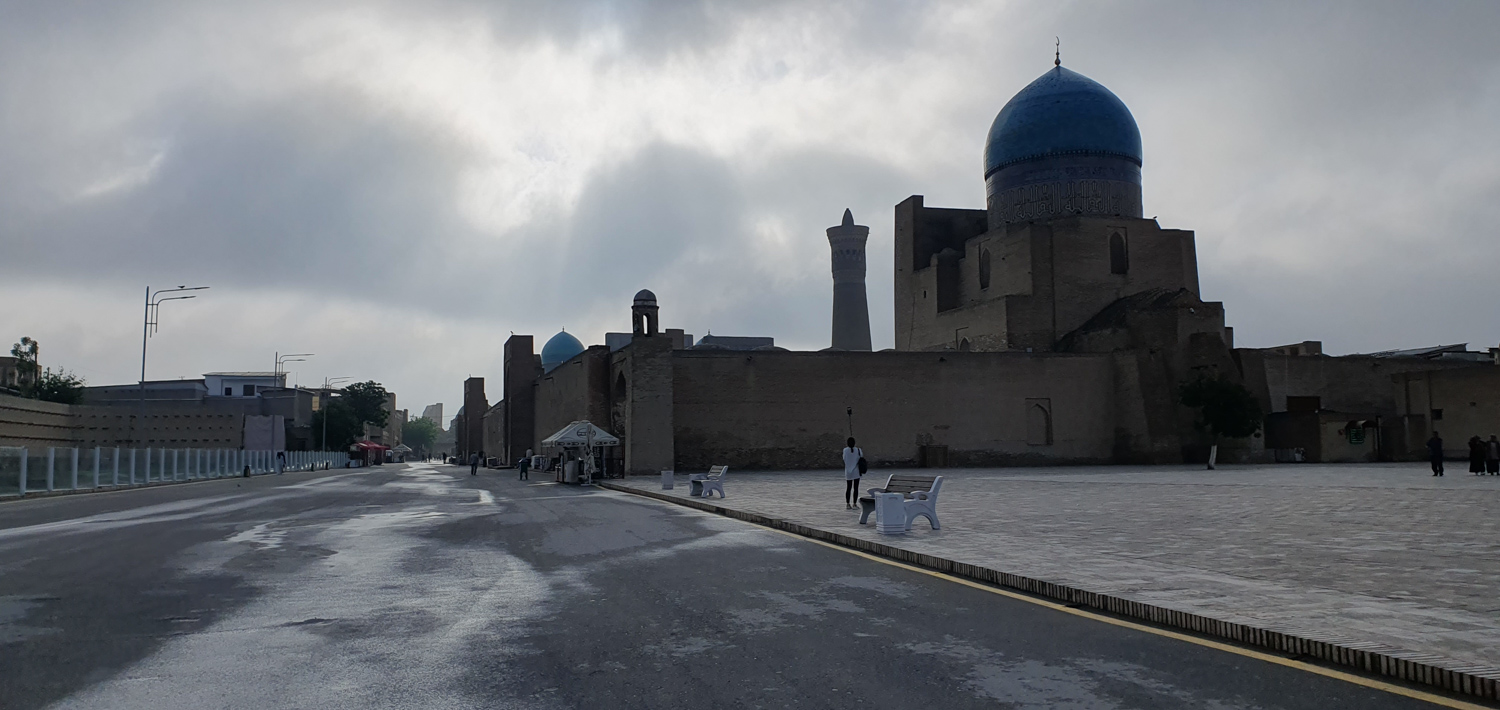
I was right. I had the old part of the city almost only for myself. The surroundings were almost surreal – I was walking among the madrasas and mosques almost 1 000 years old while the post rain fog combined with desert sand prowled silently, and the bleak sun gave a somber ambience. This is the highest level of luxury at such places – to have a private tour and the possibility to explore the history on your own terms.
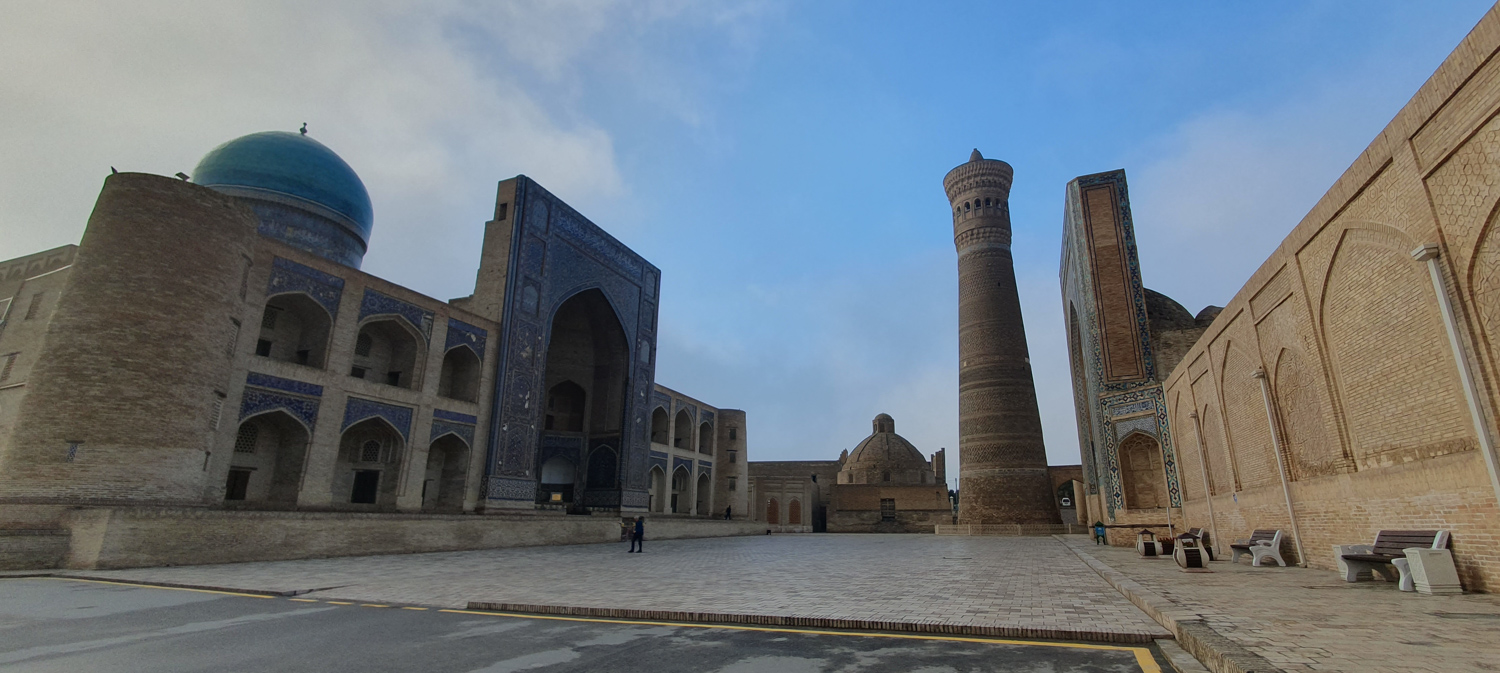
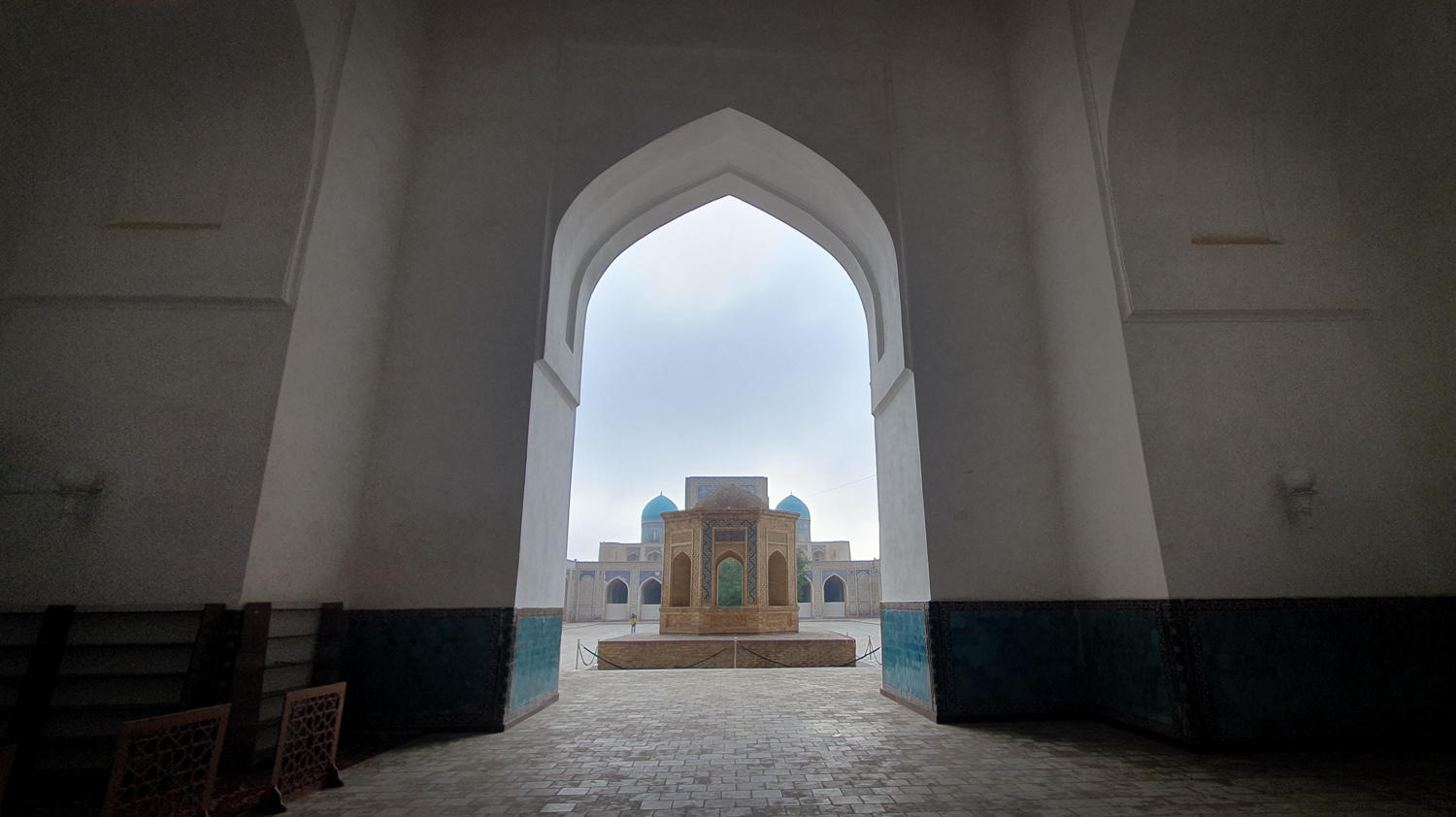
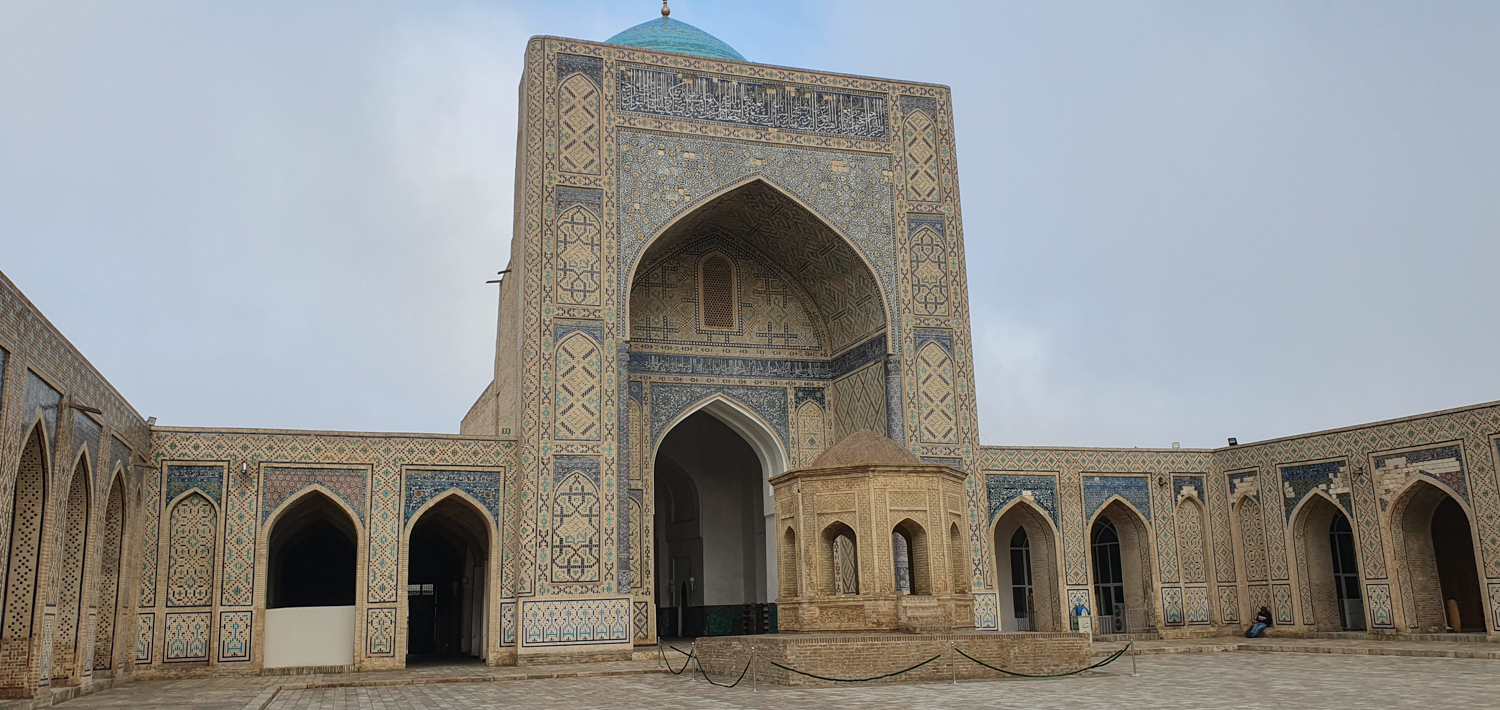
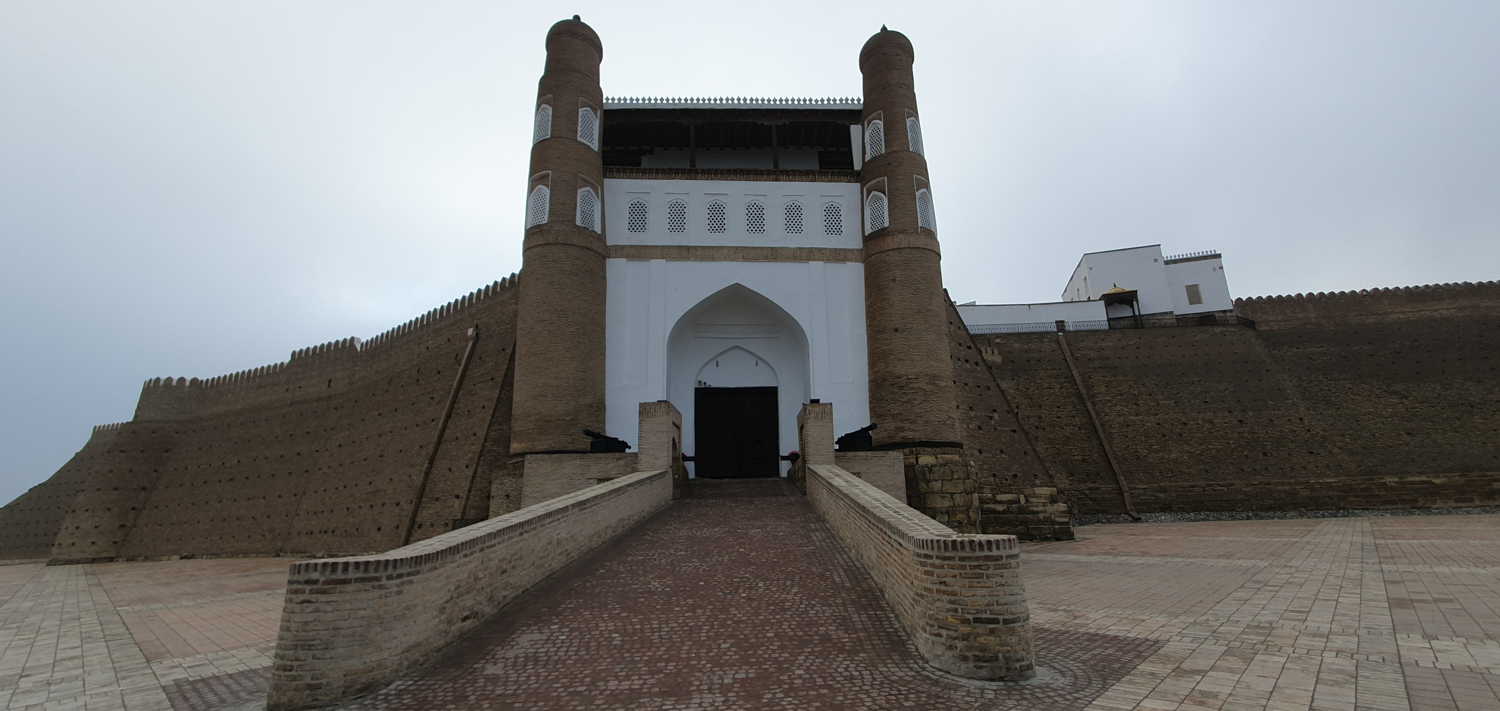
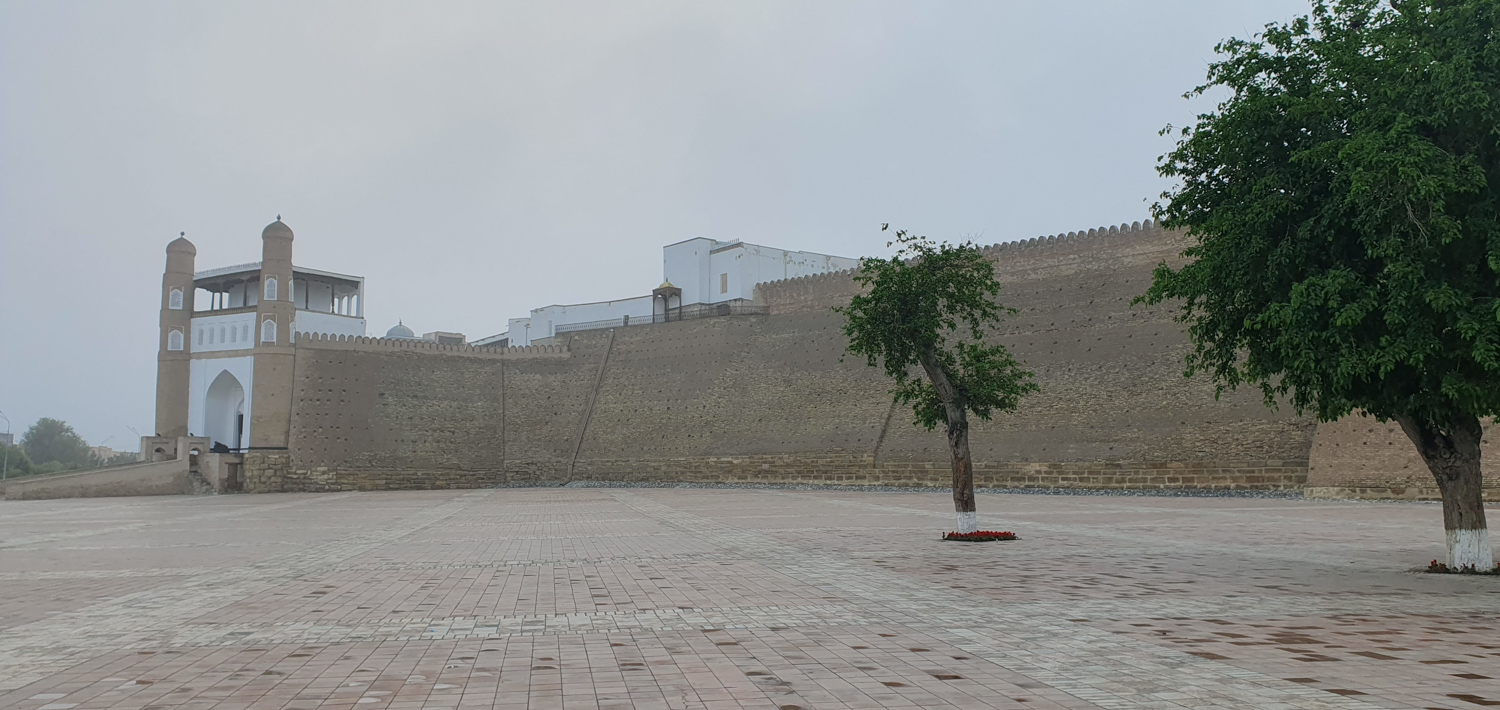
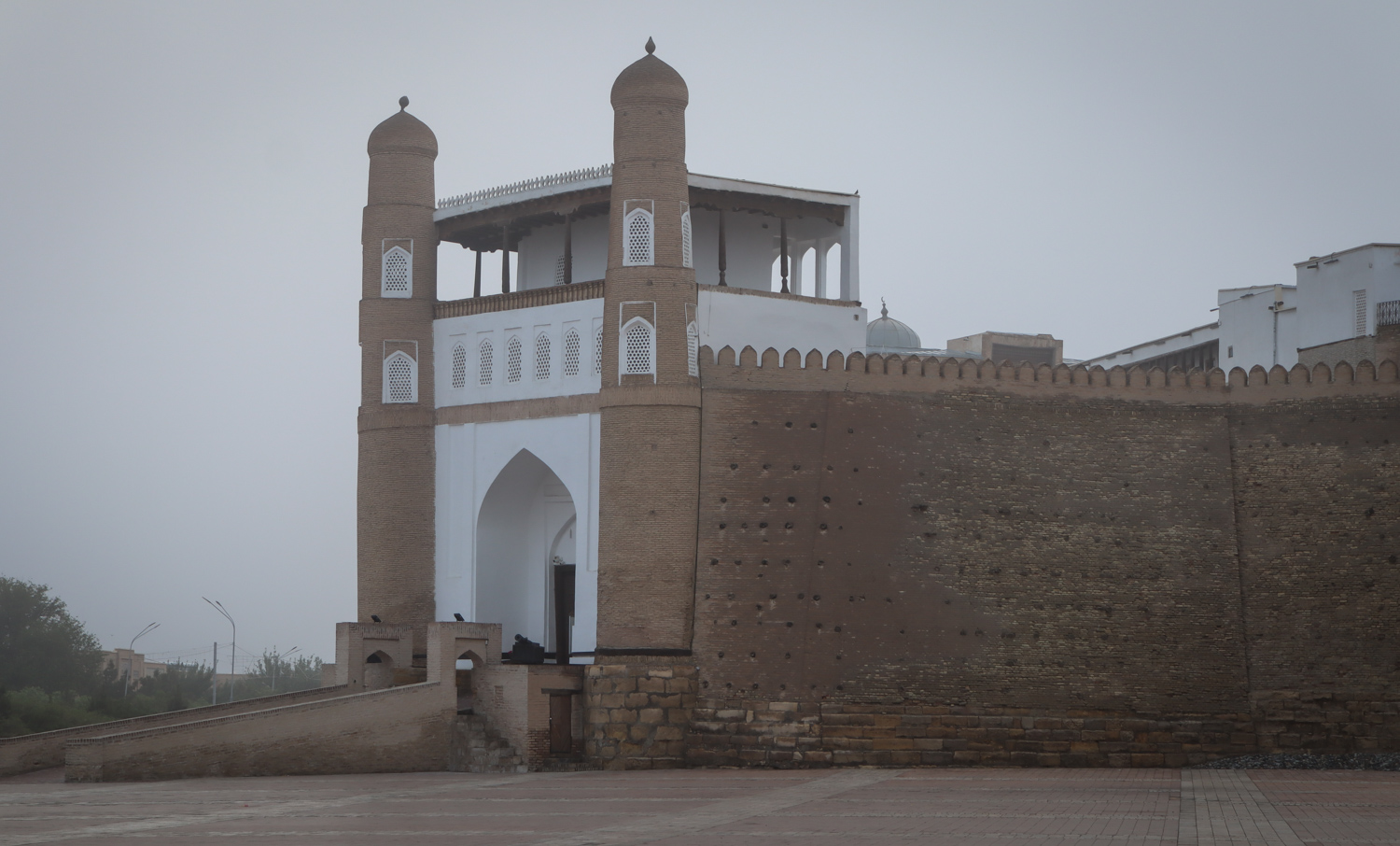
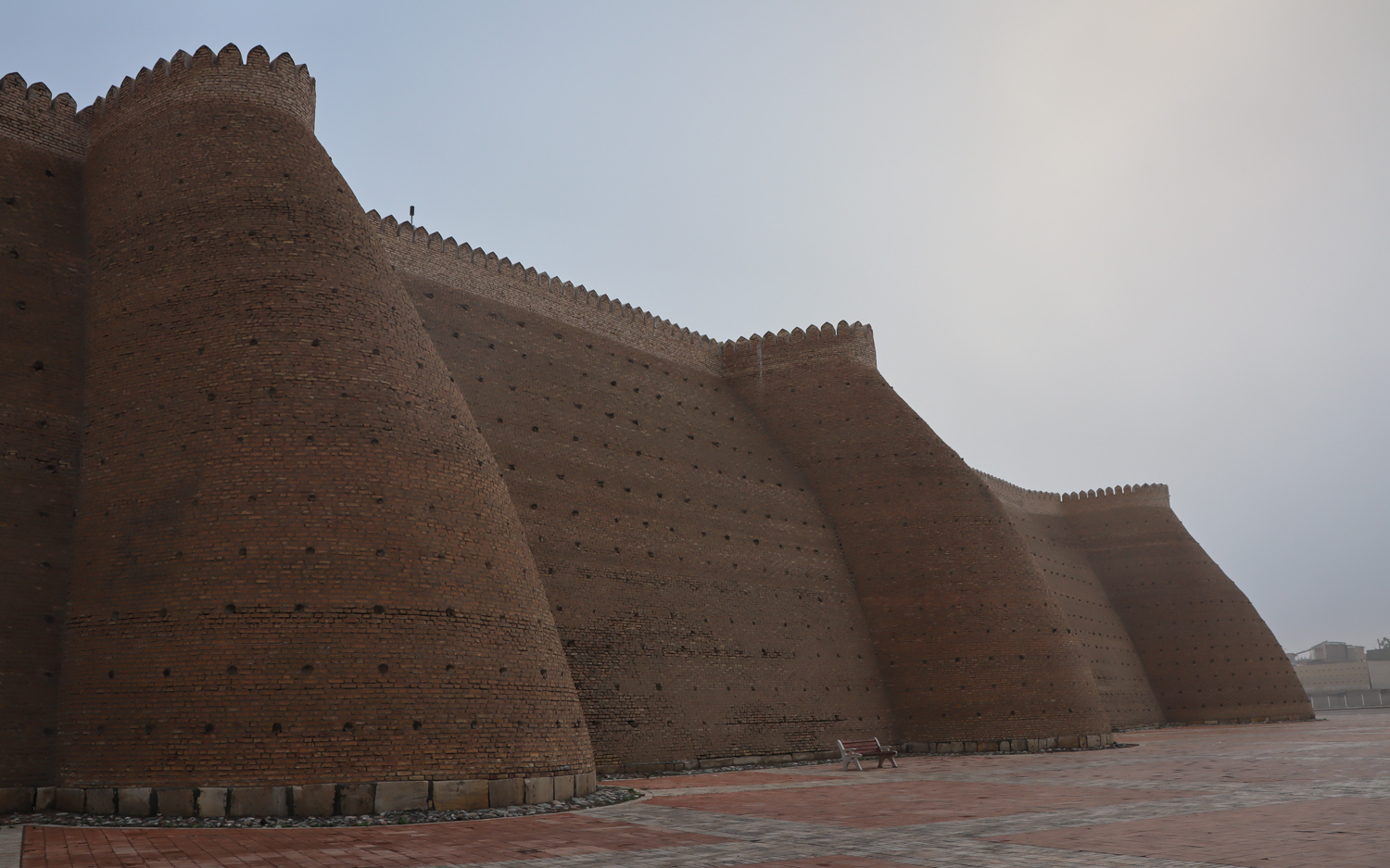
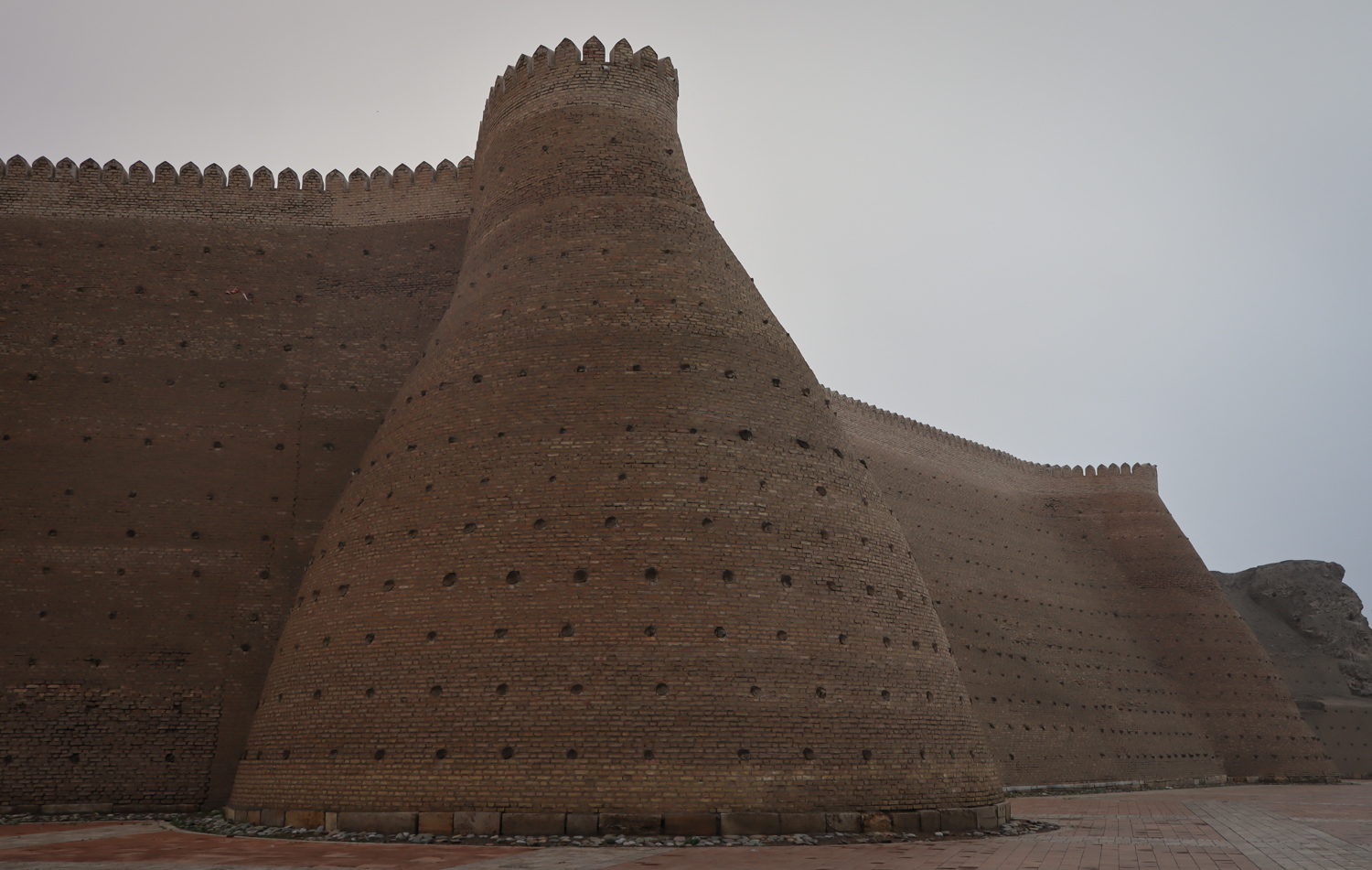
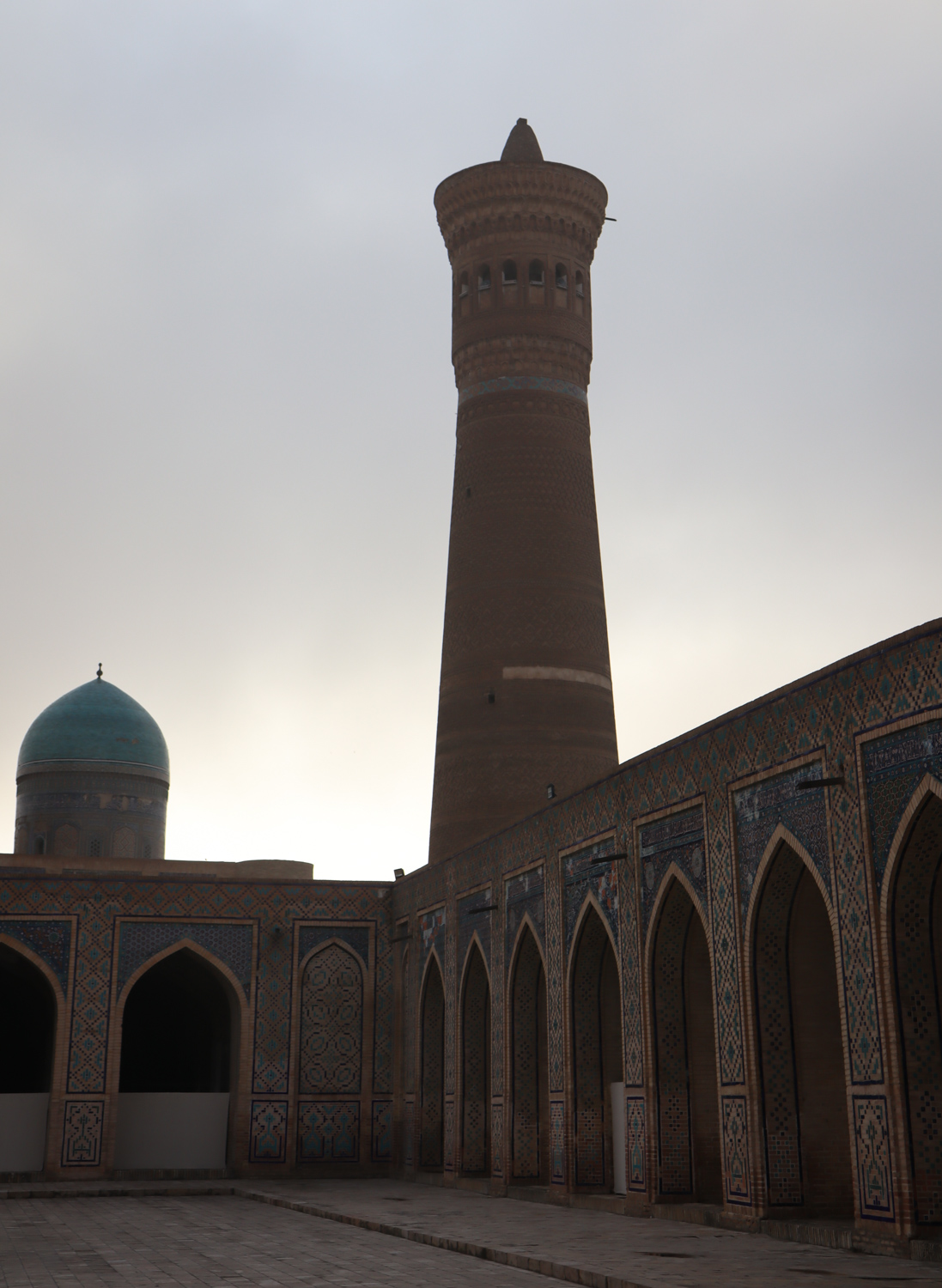
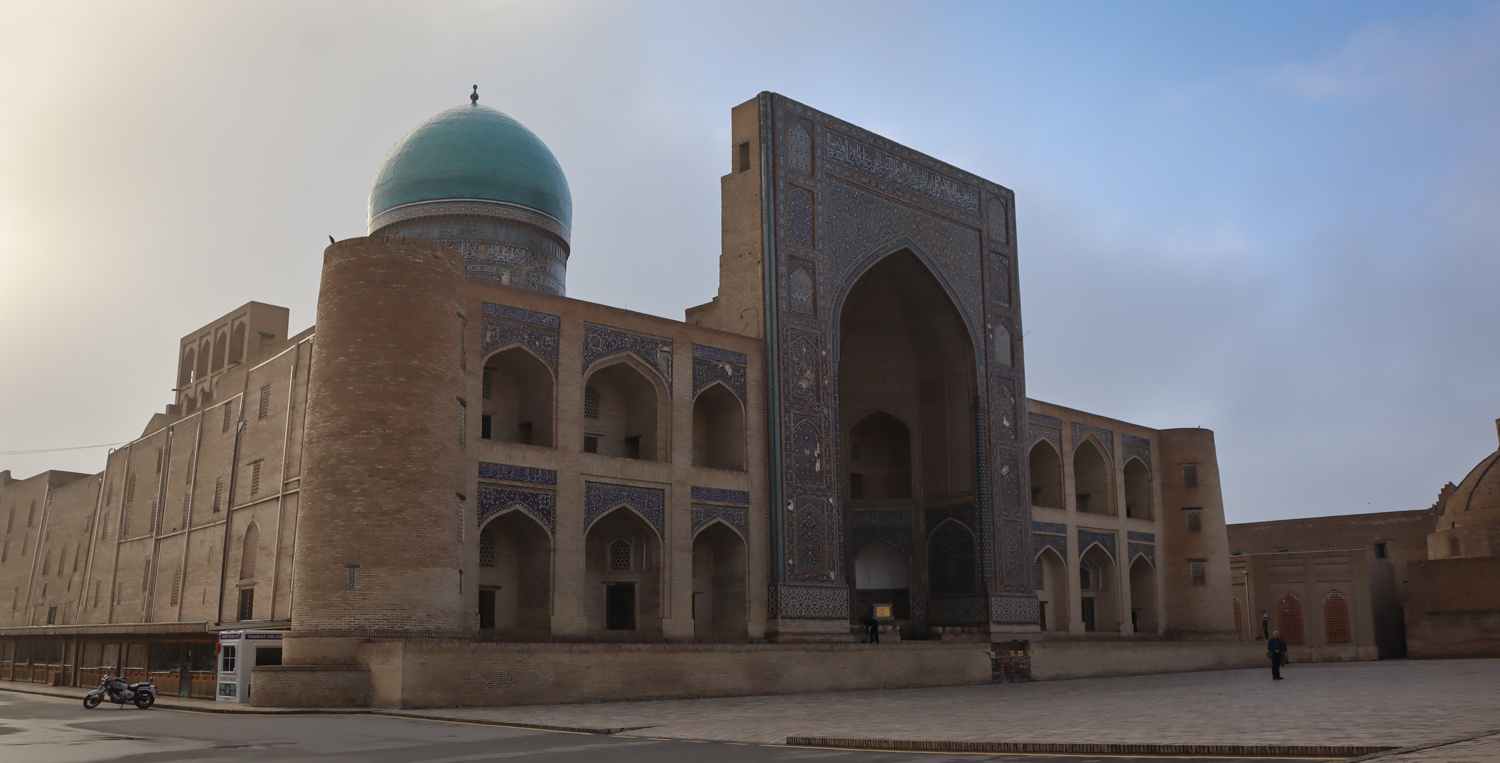
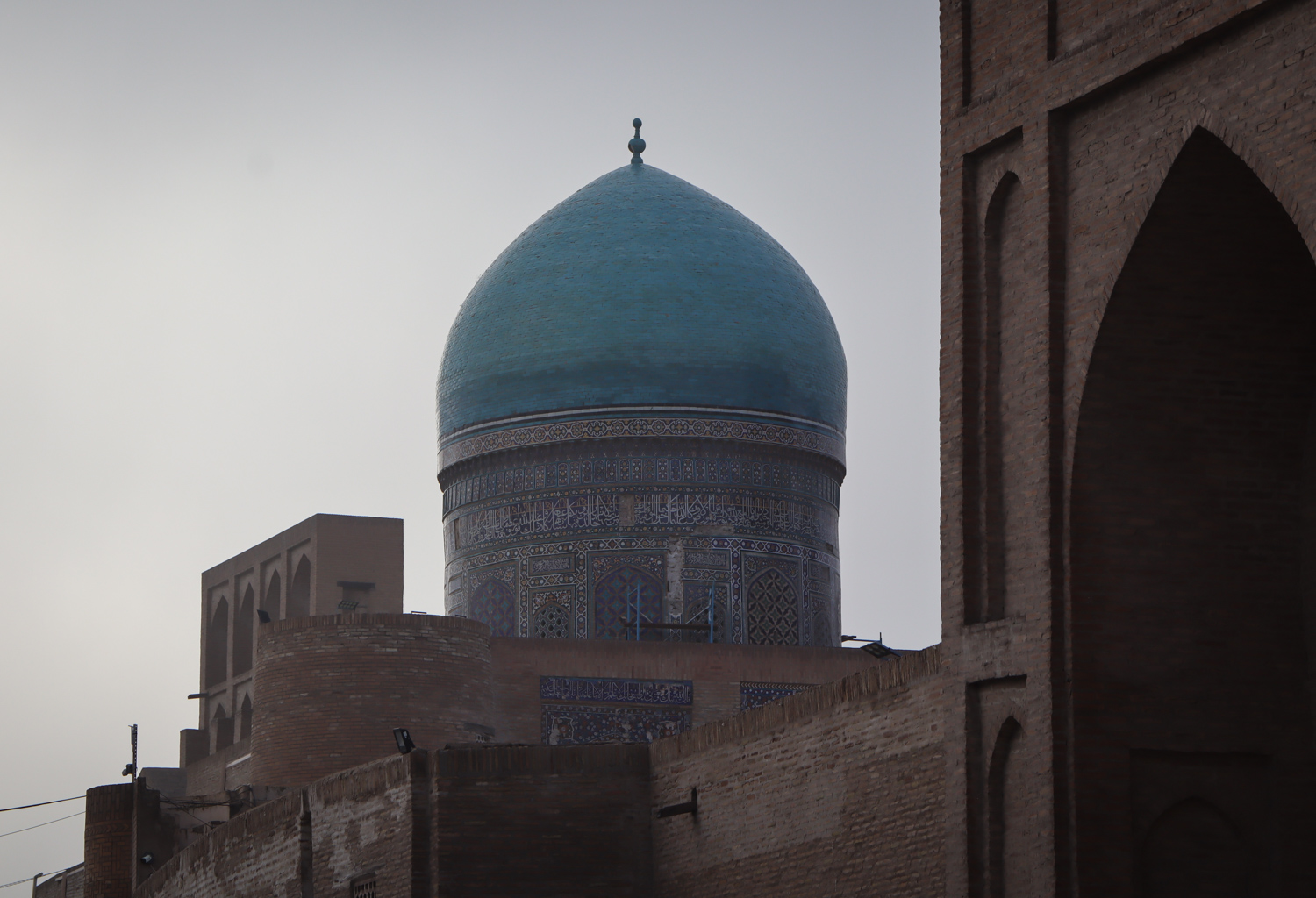
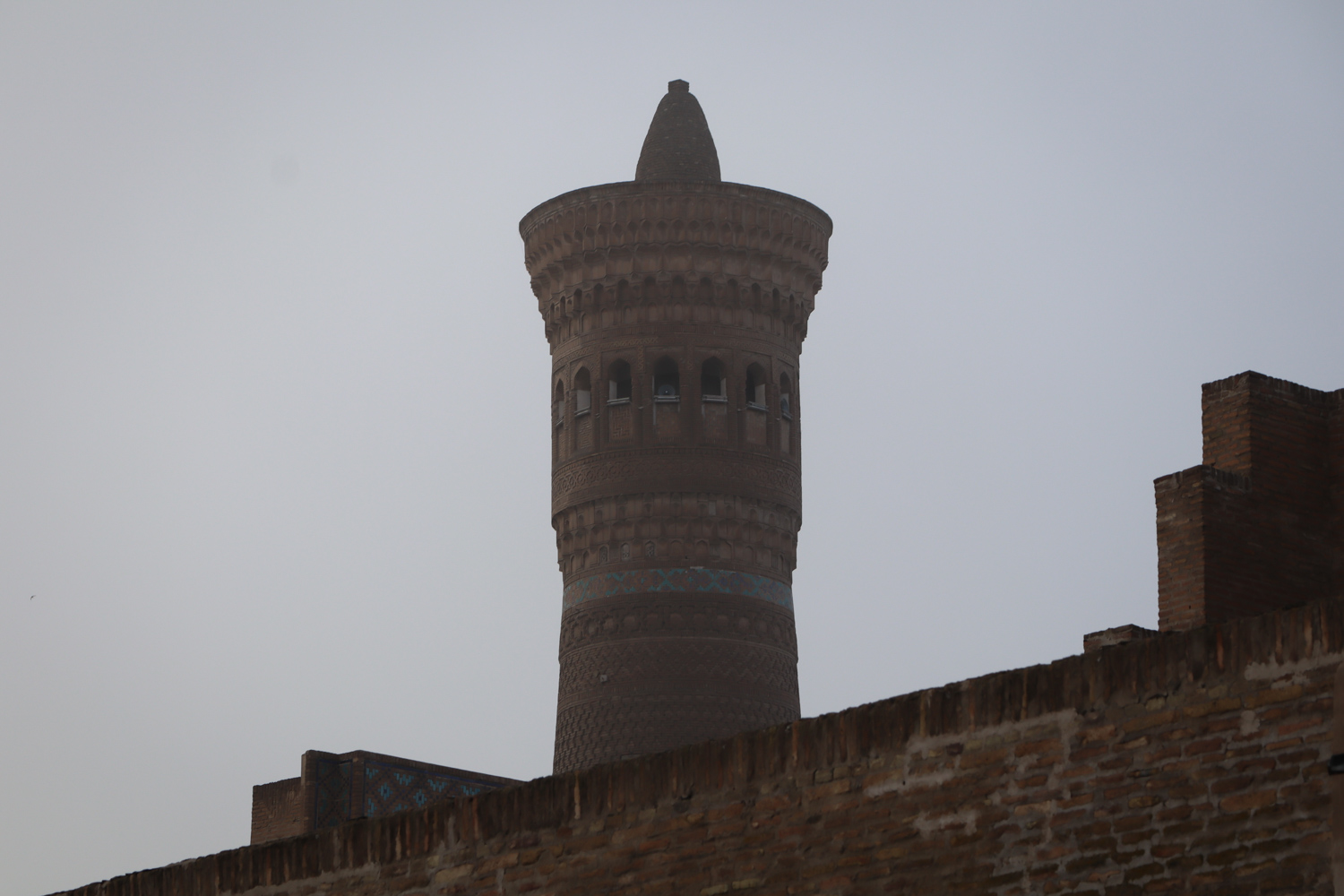
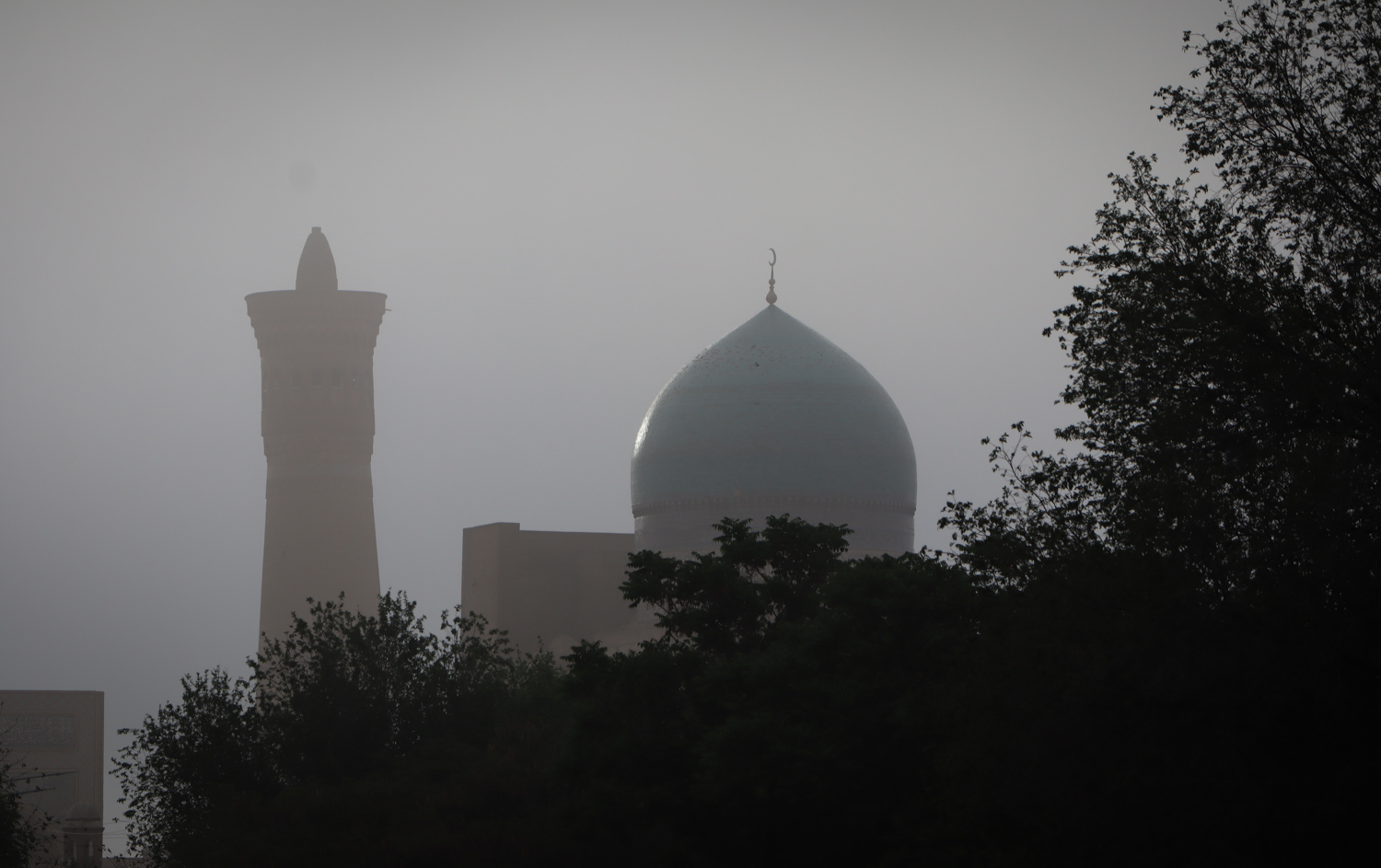
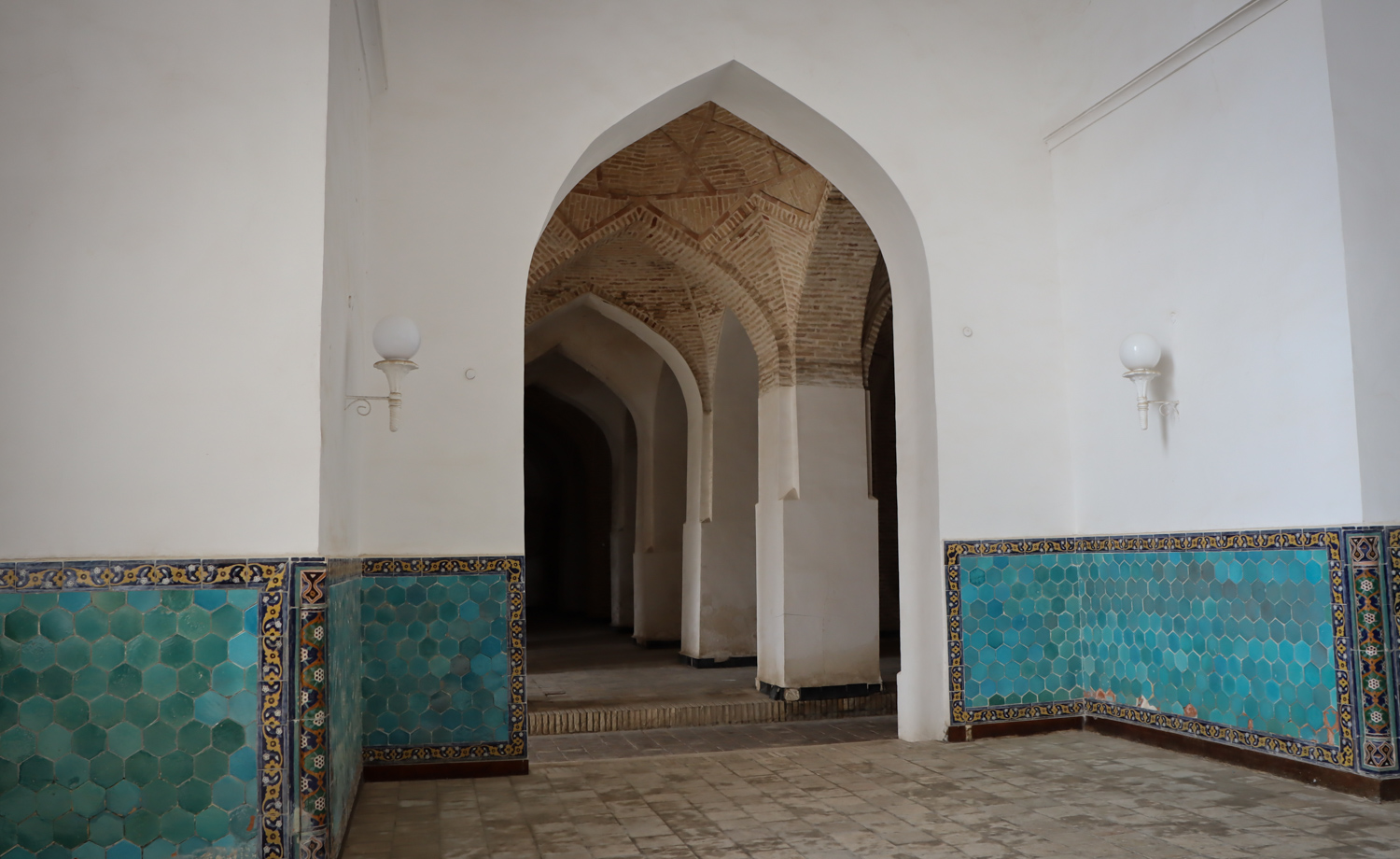
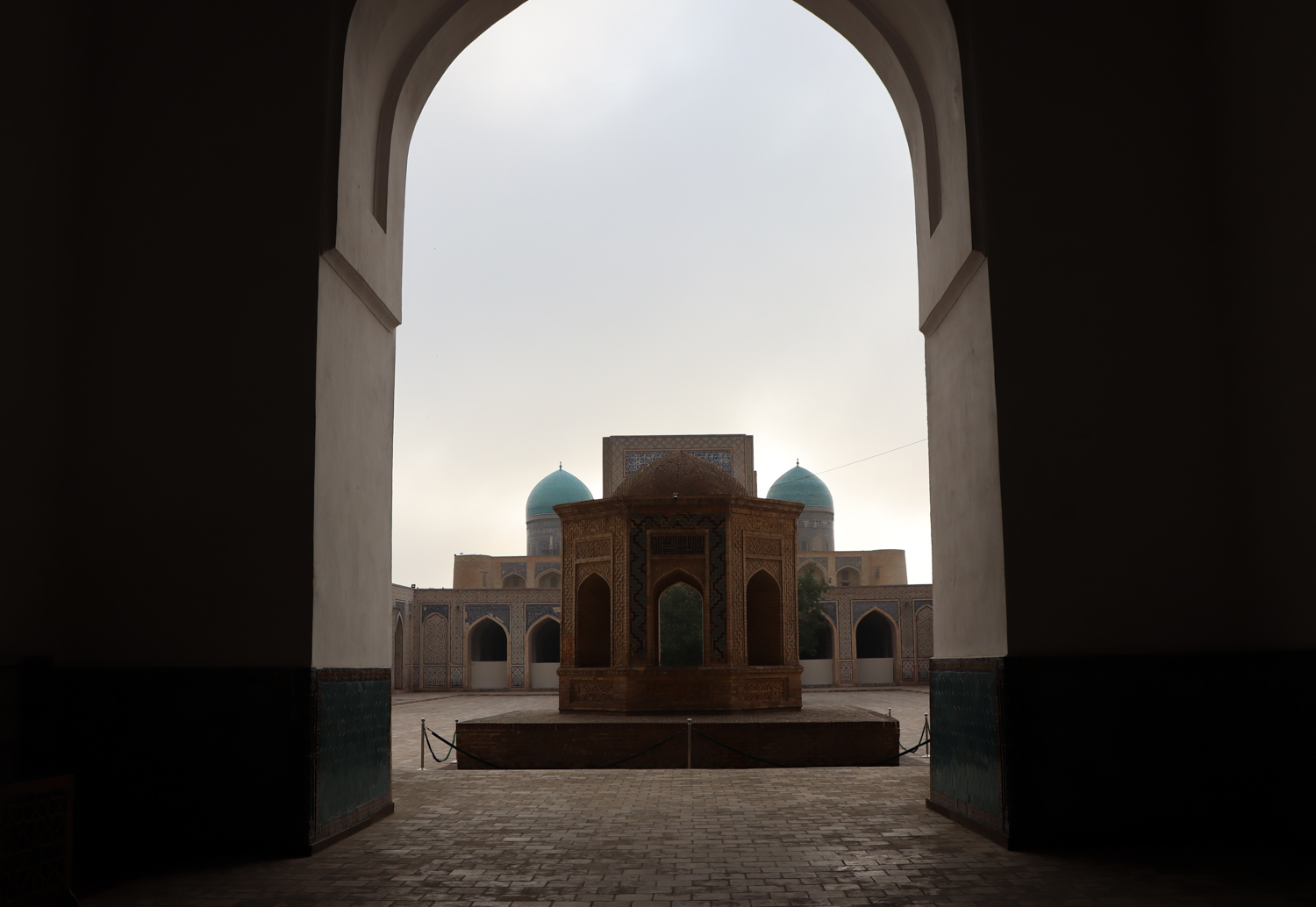
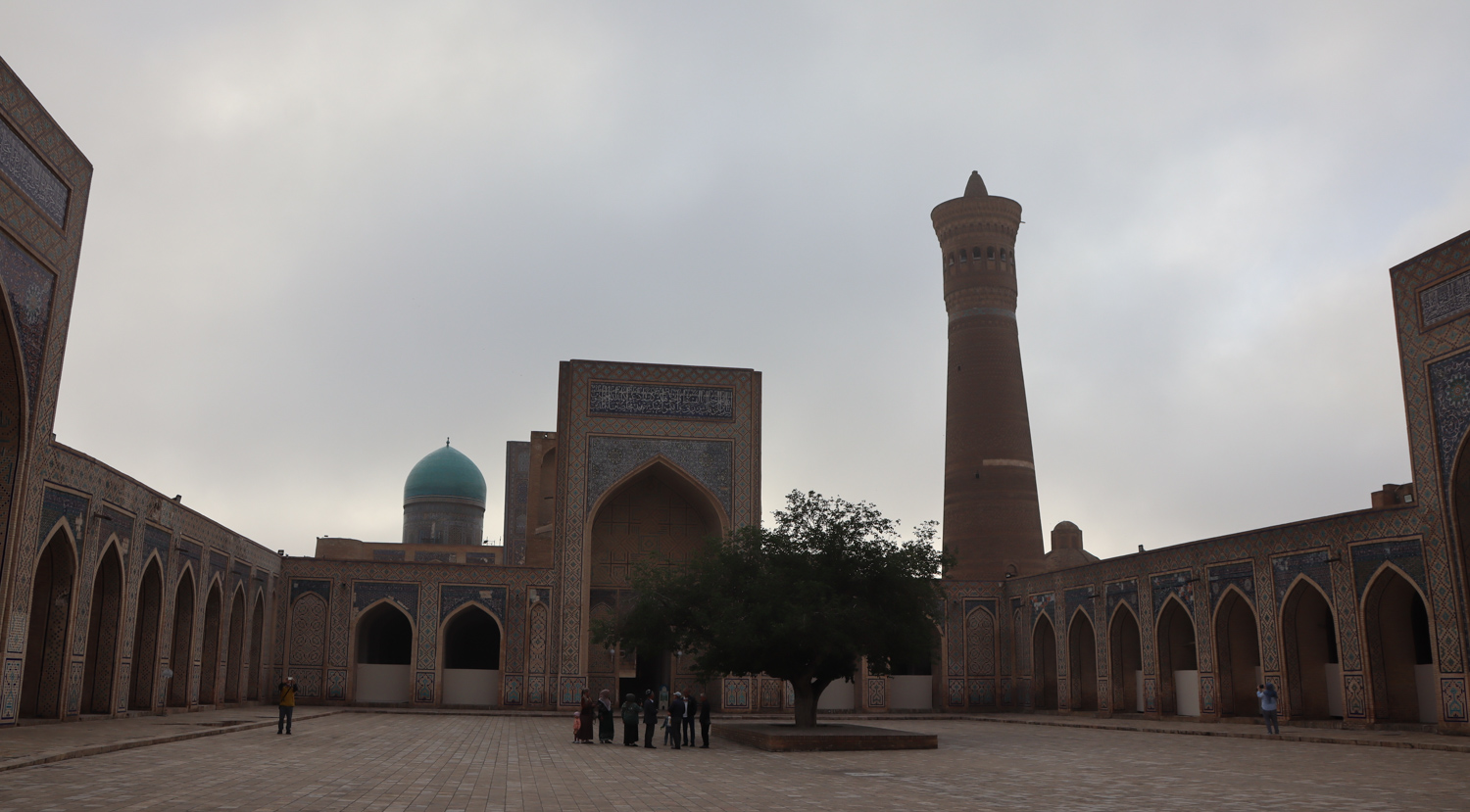
Only a few hours later this entire city was swarmed by tourists, vehicles, endless cacophony of music, noise, colors and an intense amount of movement to and from every direction.
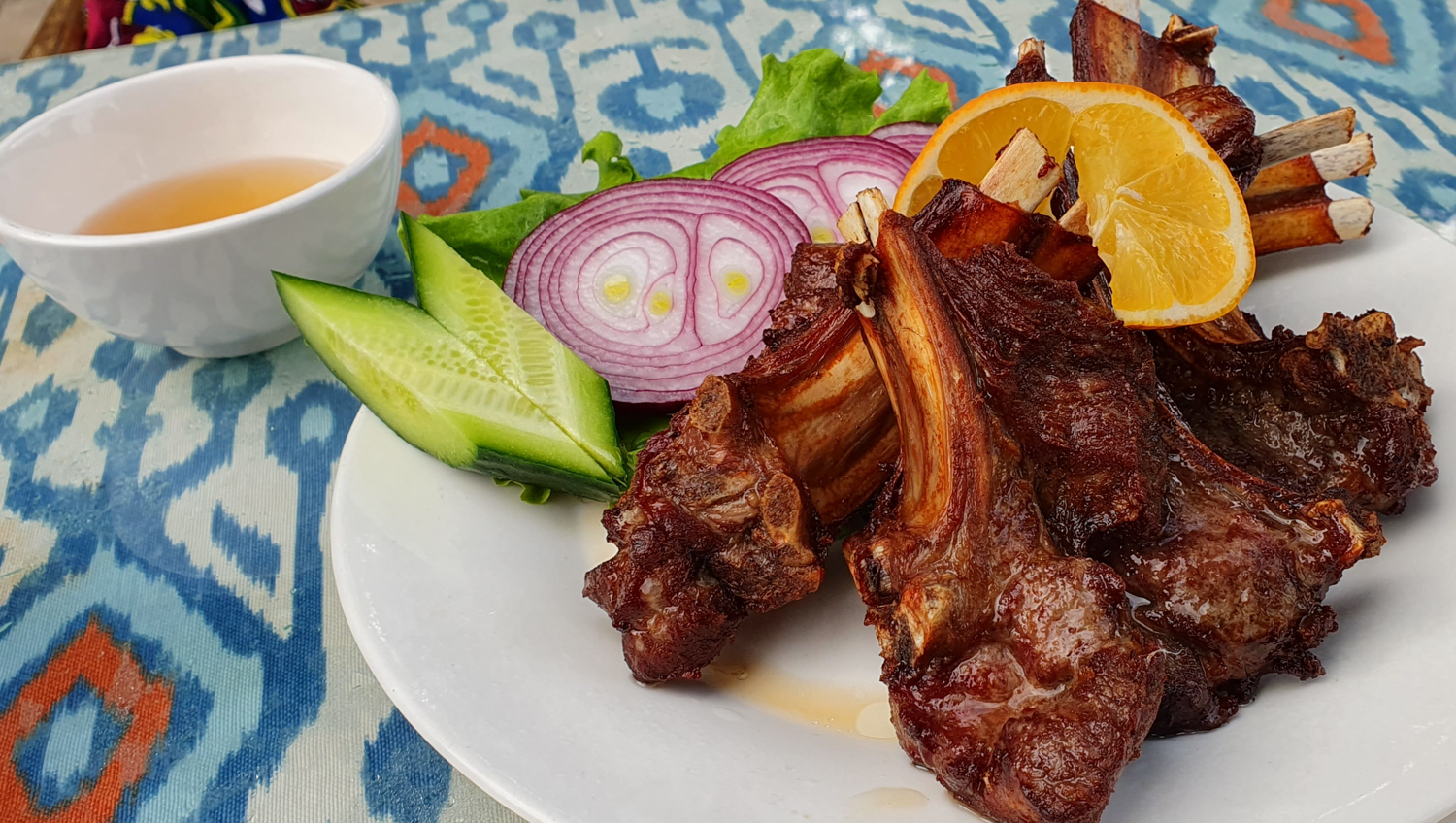
At 8AM I was starved for some proper meal, and ready to eat something fine and local, preferably meat based. Most of the eateries were either closed or served nothing but coffee, so finding the one ready to make lunch for breakfast was a bit of a challenge. The one located in the center of Bukhara, near a small pond with swans, did exactly that. I got served a fine plate of lamb chops with some black tea.
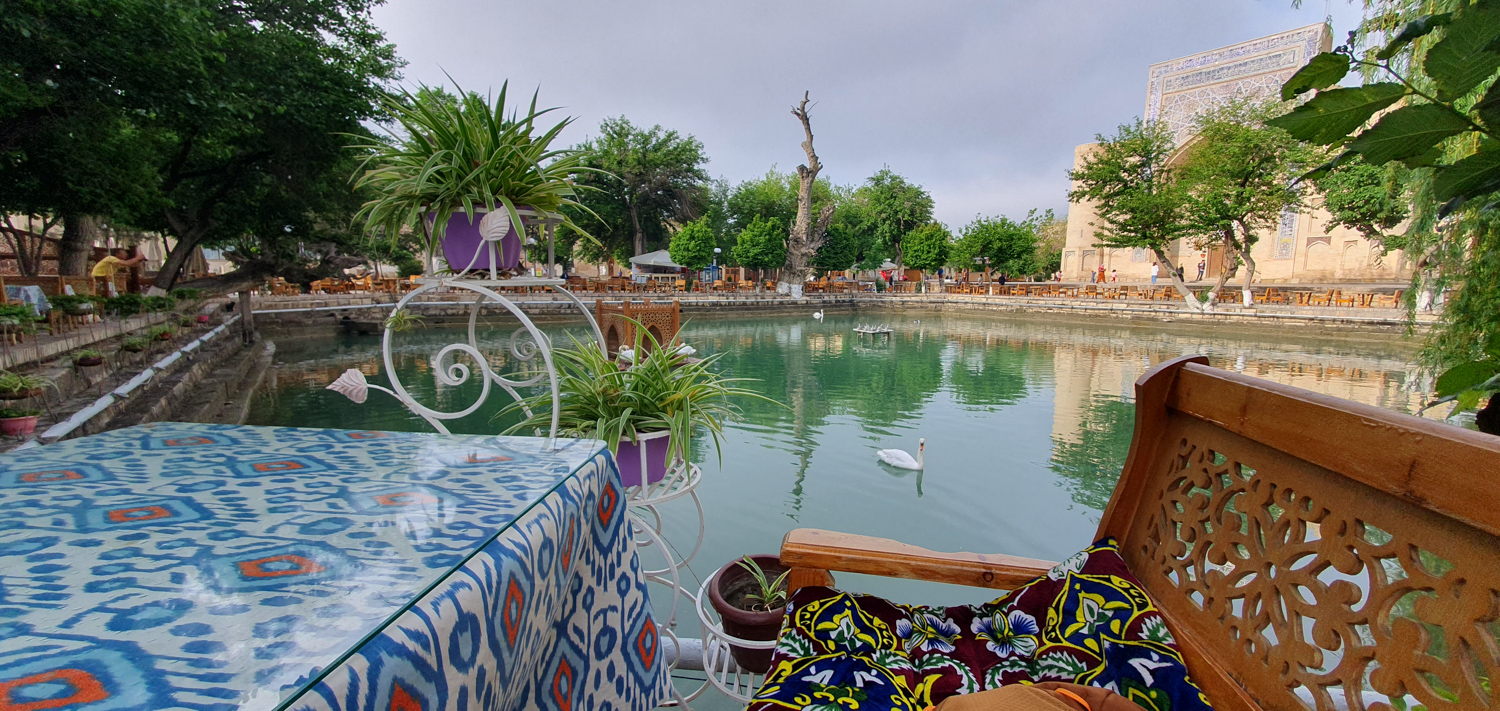
When the sun came out, I did the tour around Bukhara again. During a few days there I re-did the old town walk several times, only to see the area under a different light and in a way be surprised again how beautiful, warm and rich all this looks like.
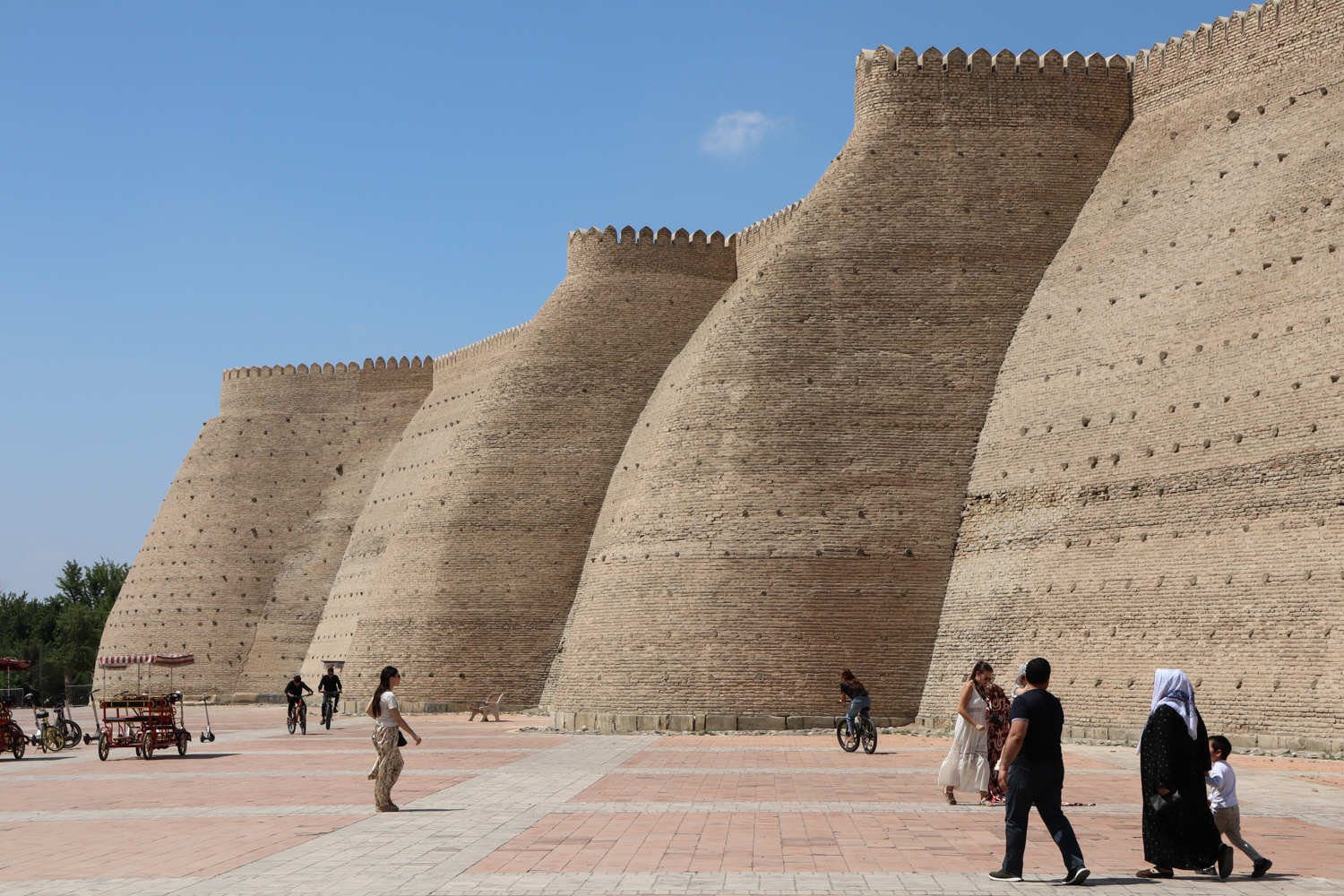
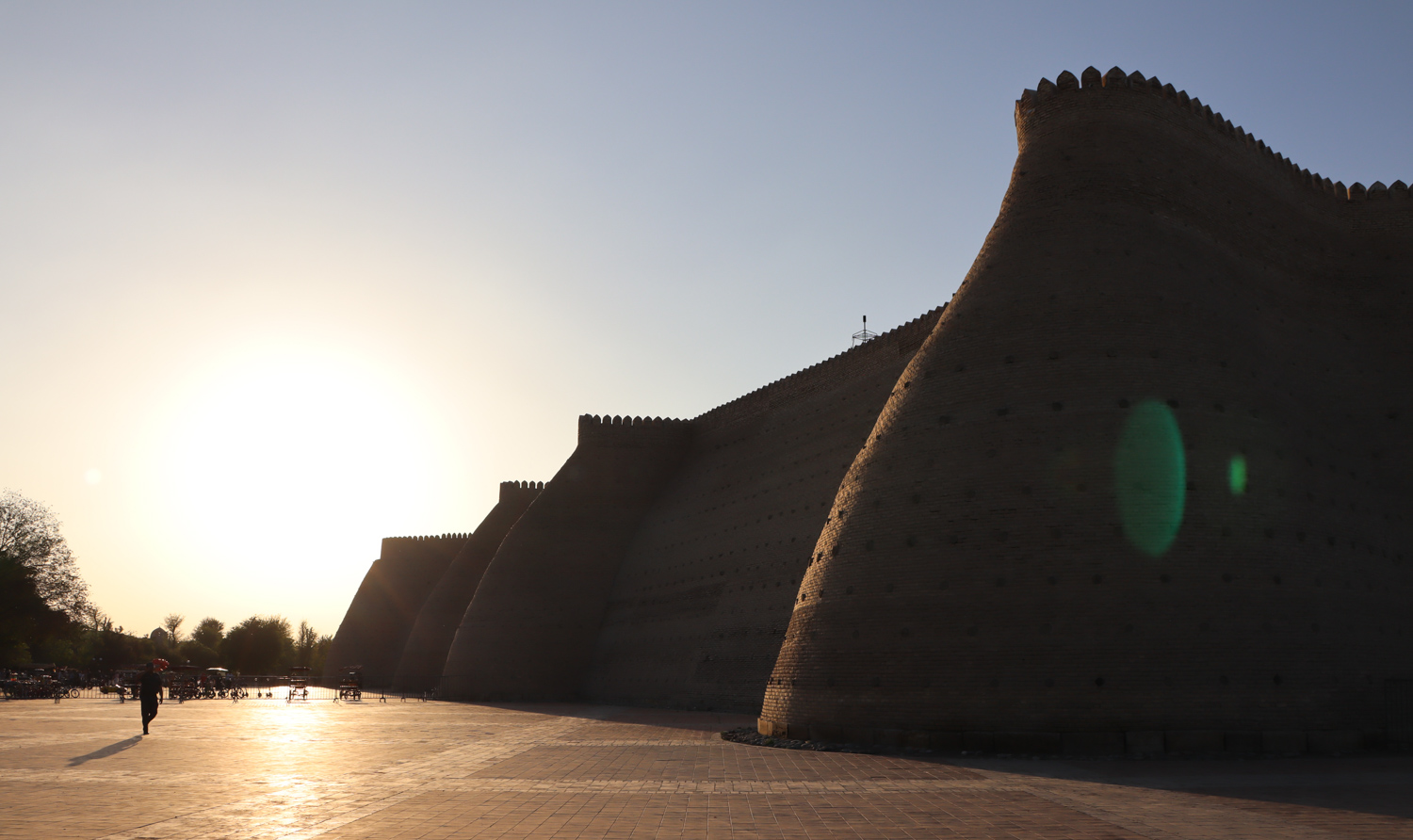
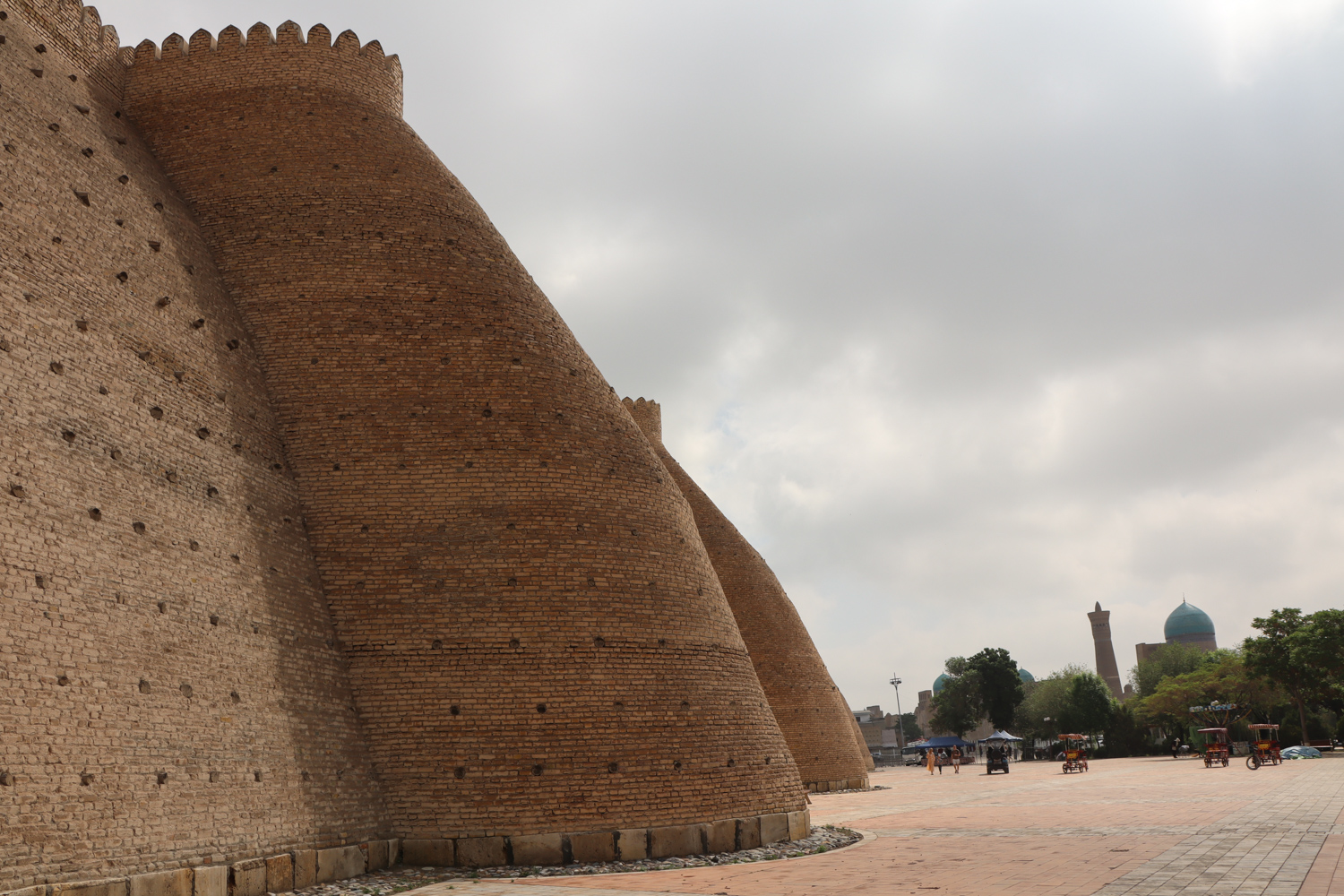
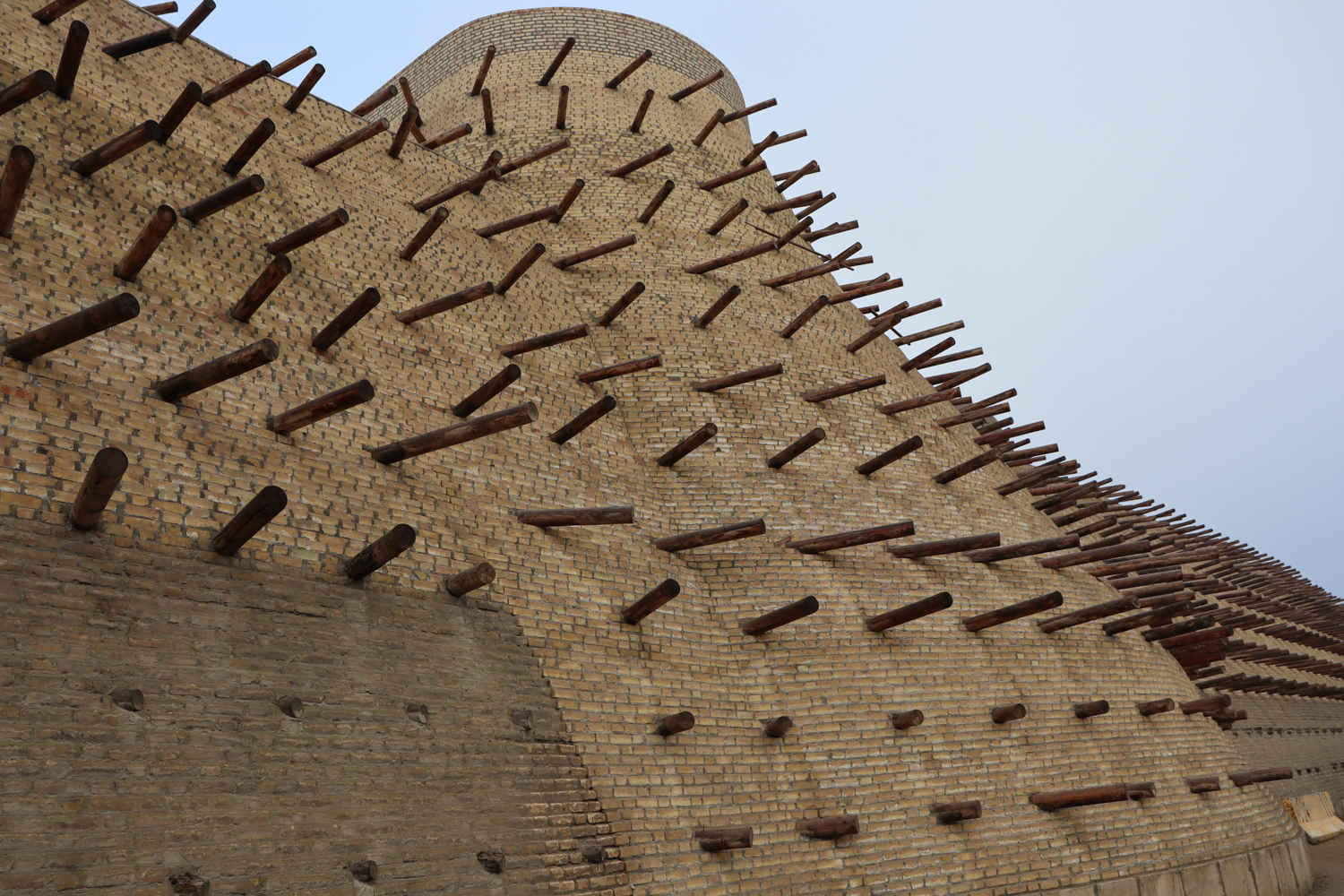
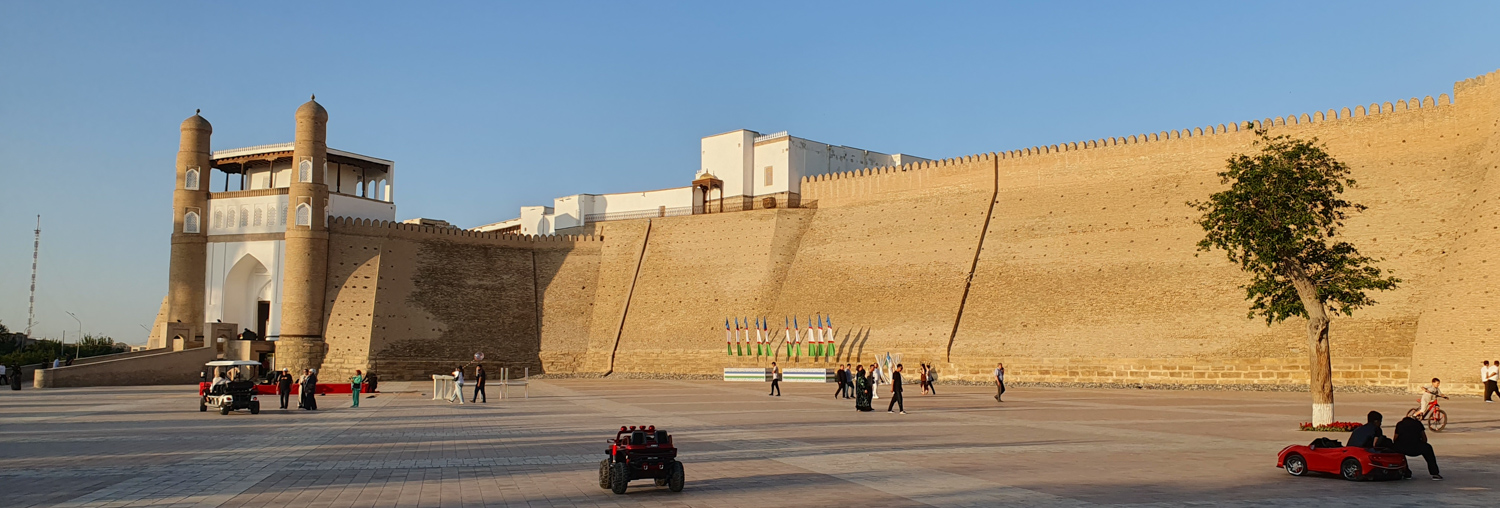
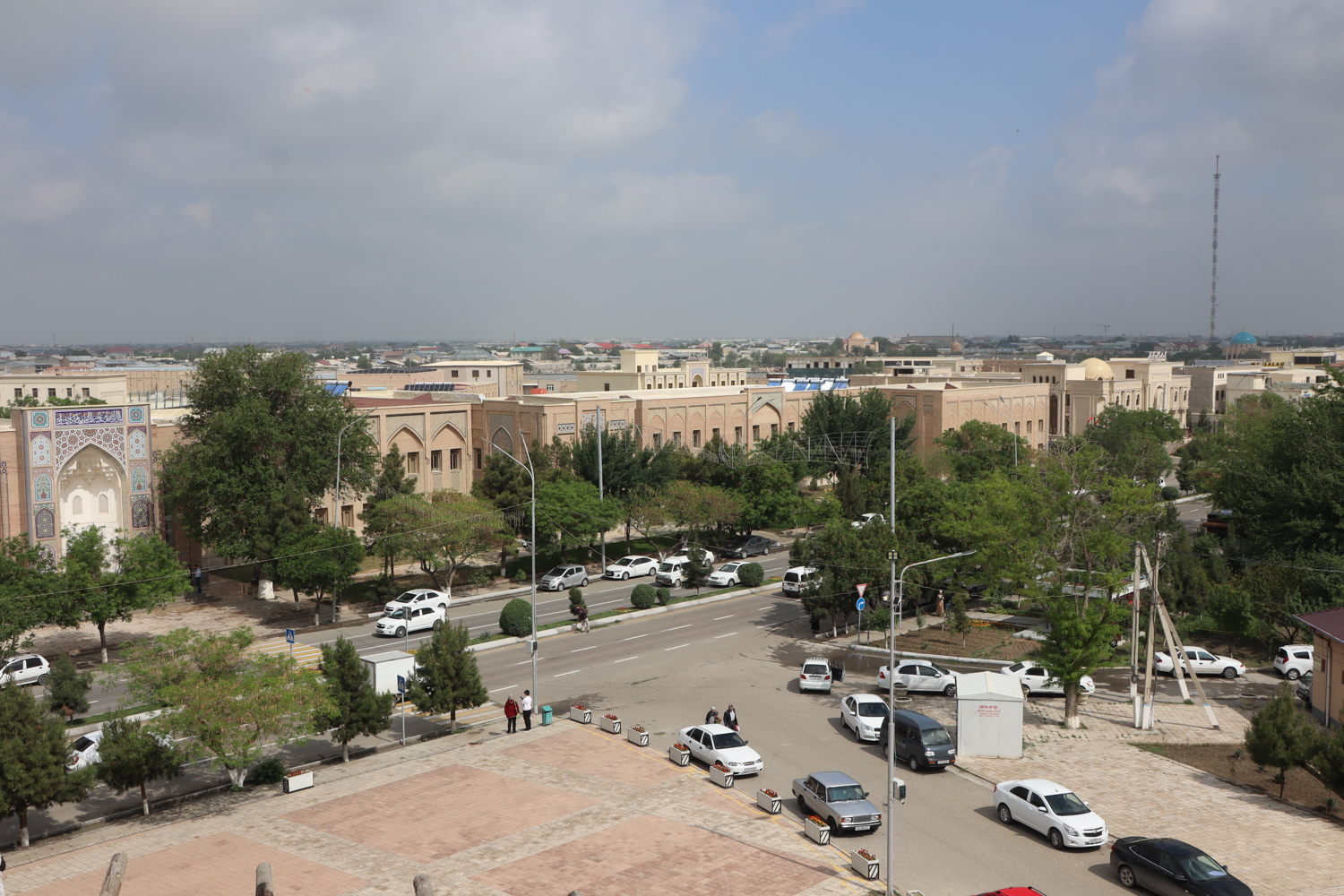
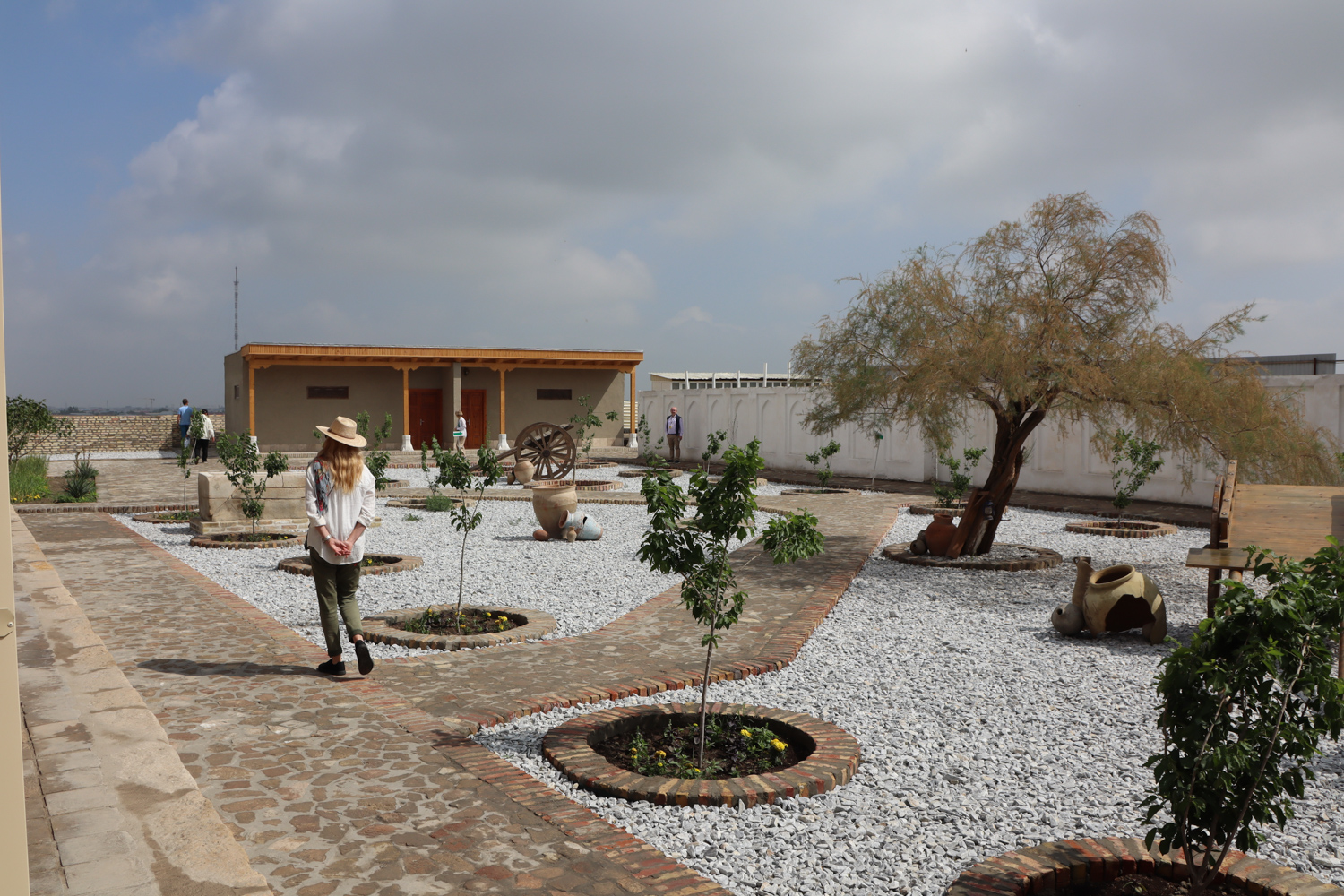
On these last two photos you can see how Bukhara looks from the top of the Fortress.
The Madrasas are stunning beyond words.
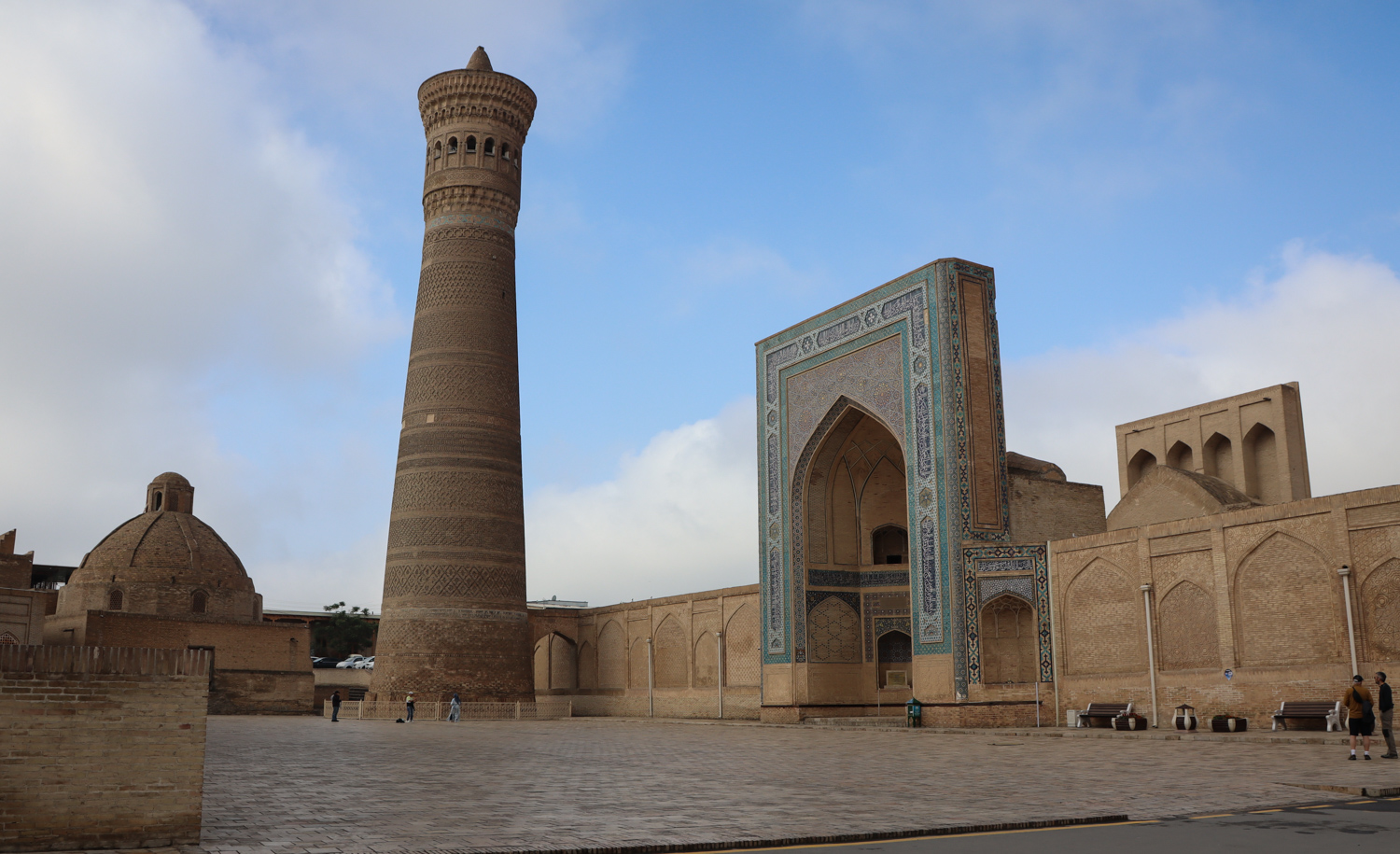
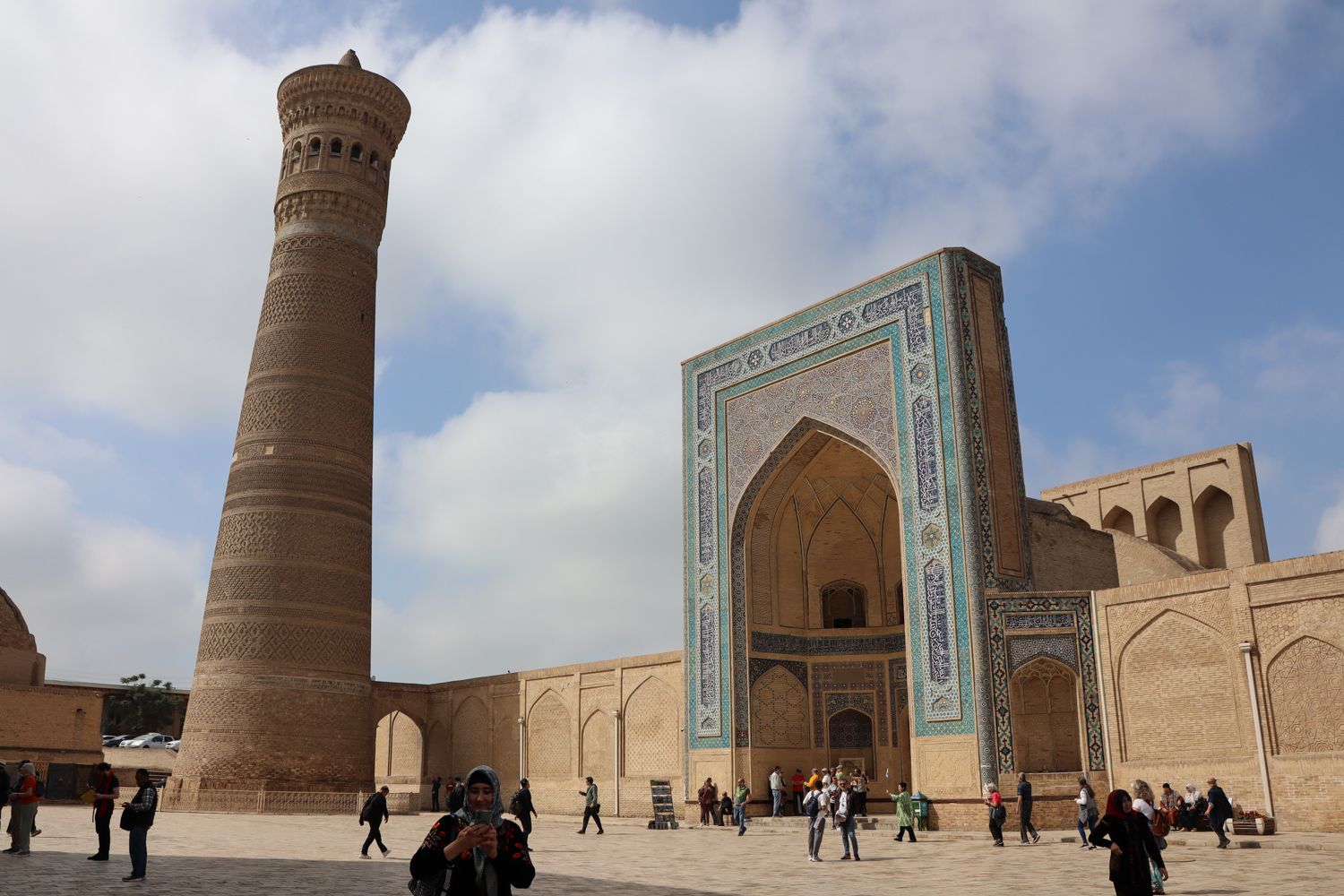
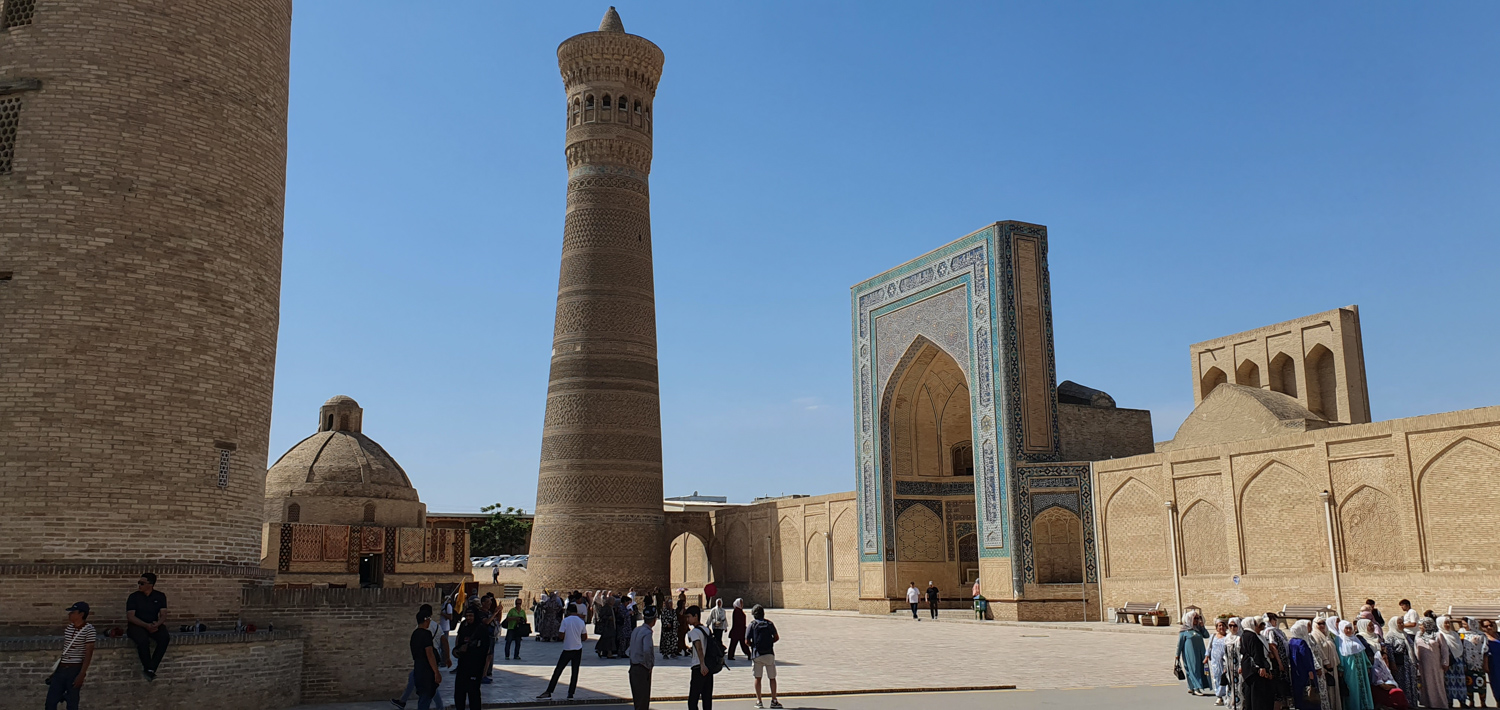
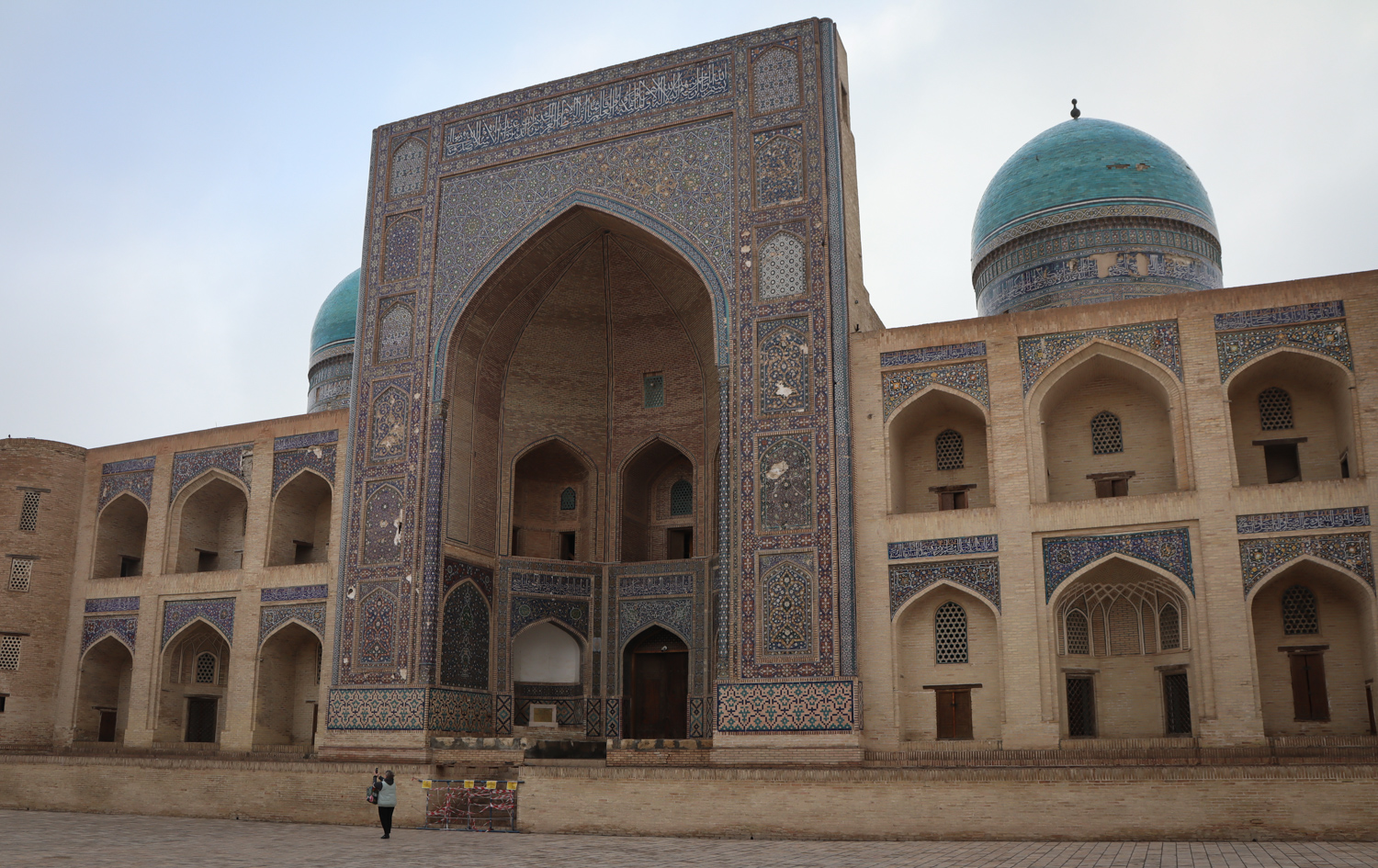
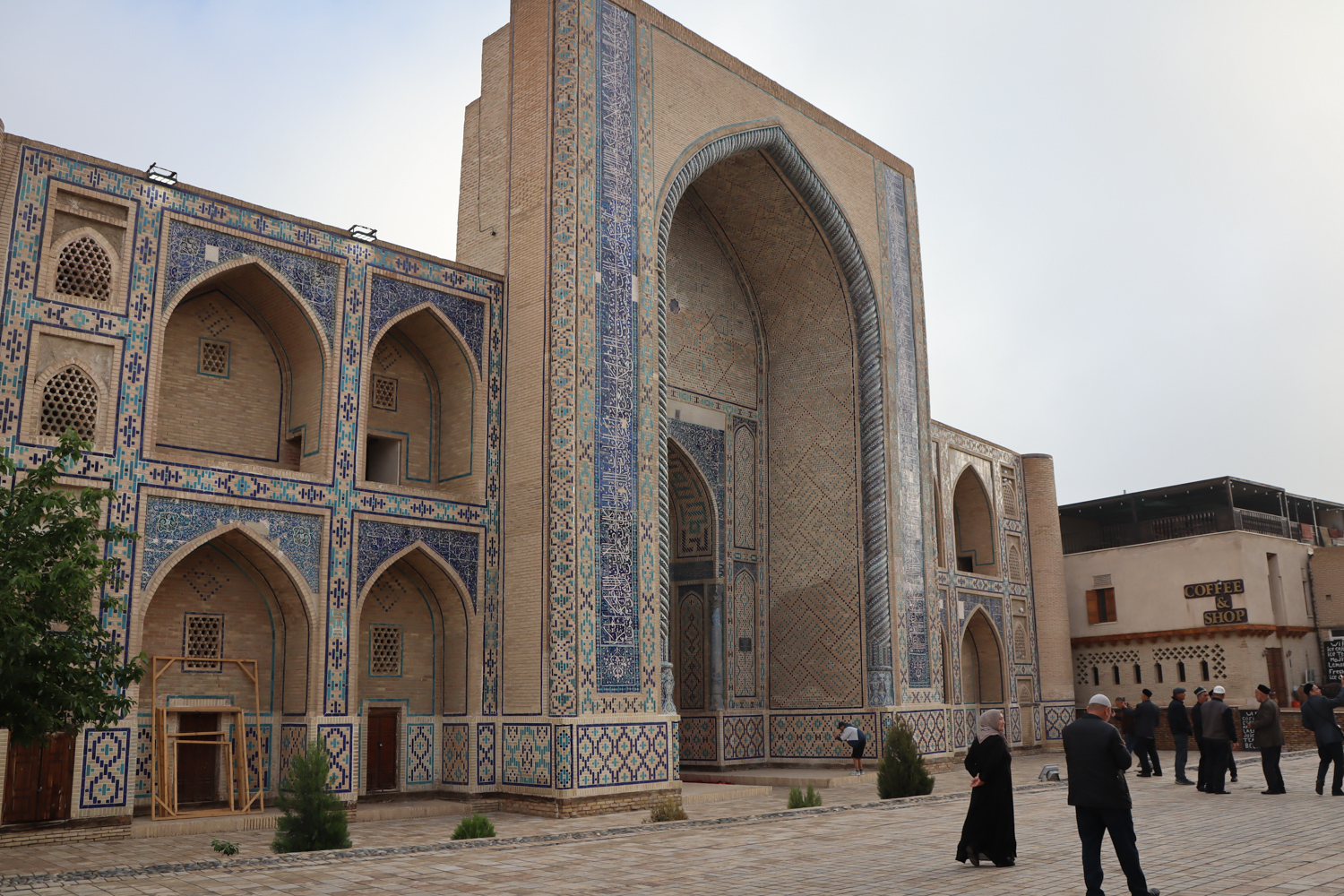
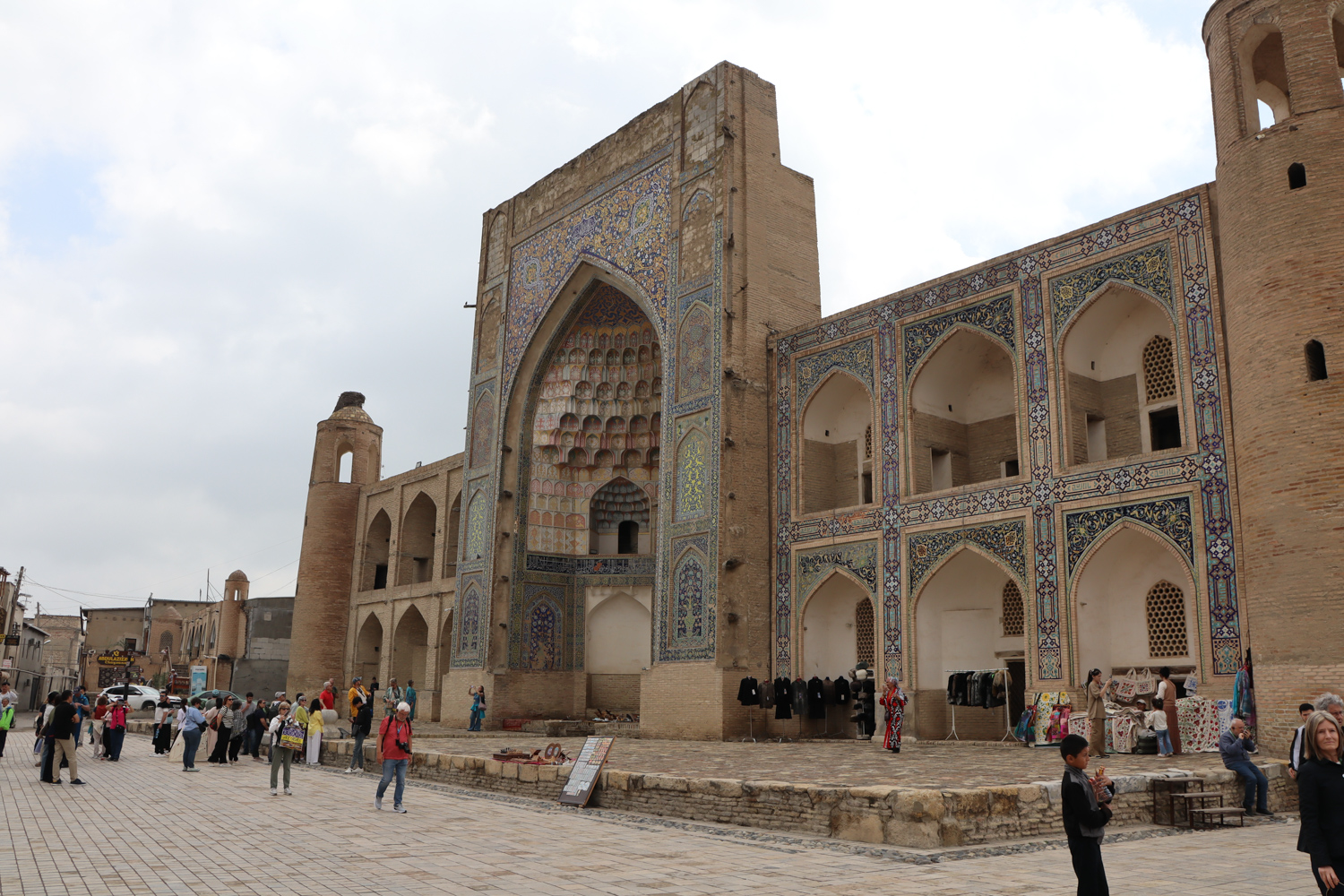
Bukhara is very walkable and there are countless tourists, often of the Russian origin, swarming through the streets and obviously having fun. The city itself feels warm and familiar and welcoming to the tourists.
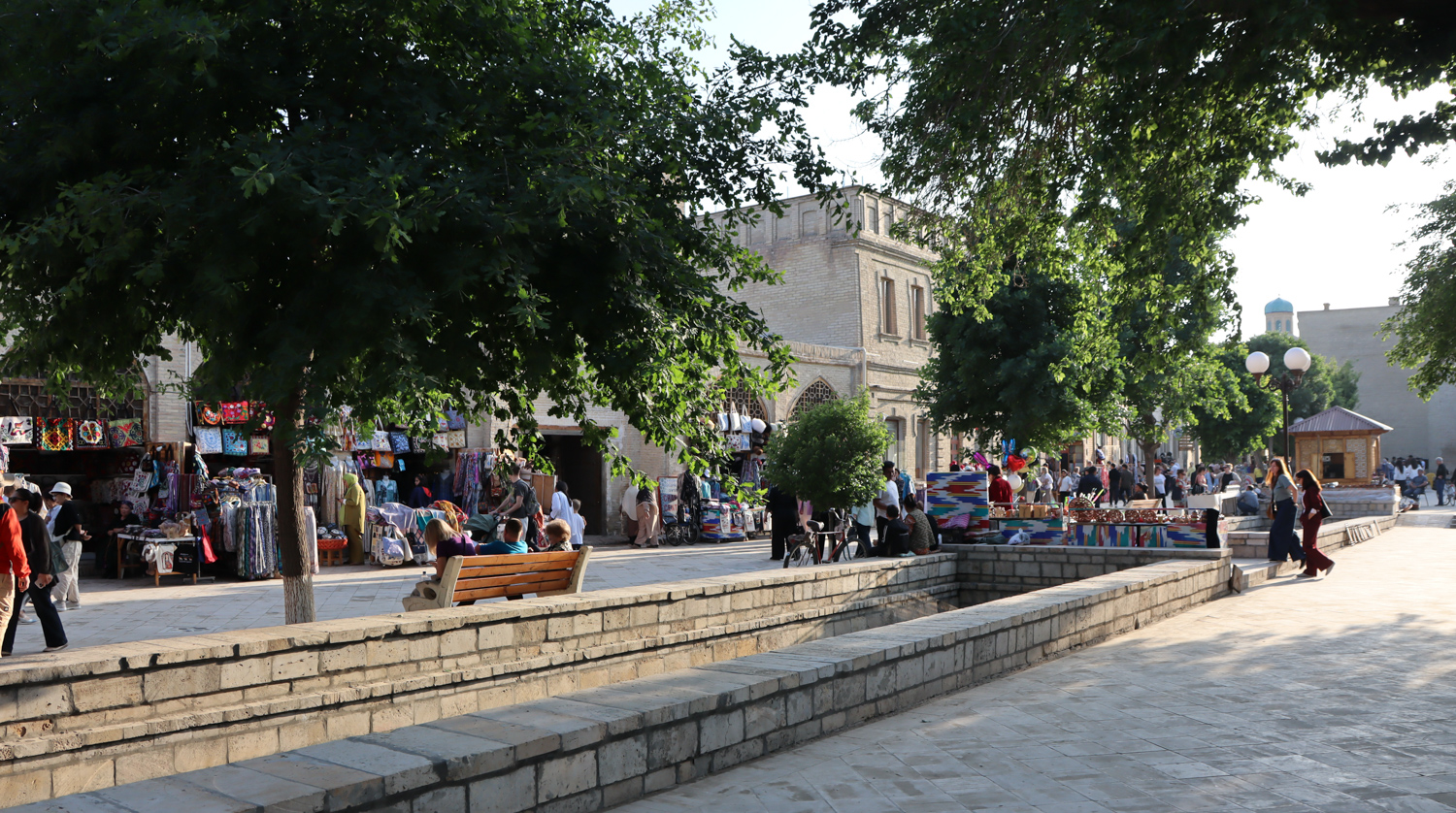
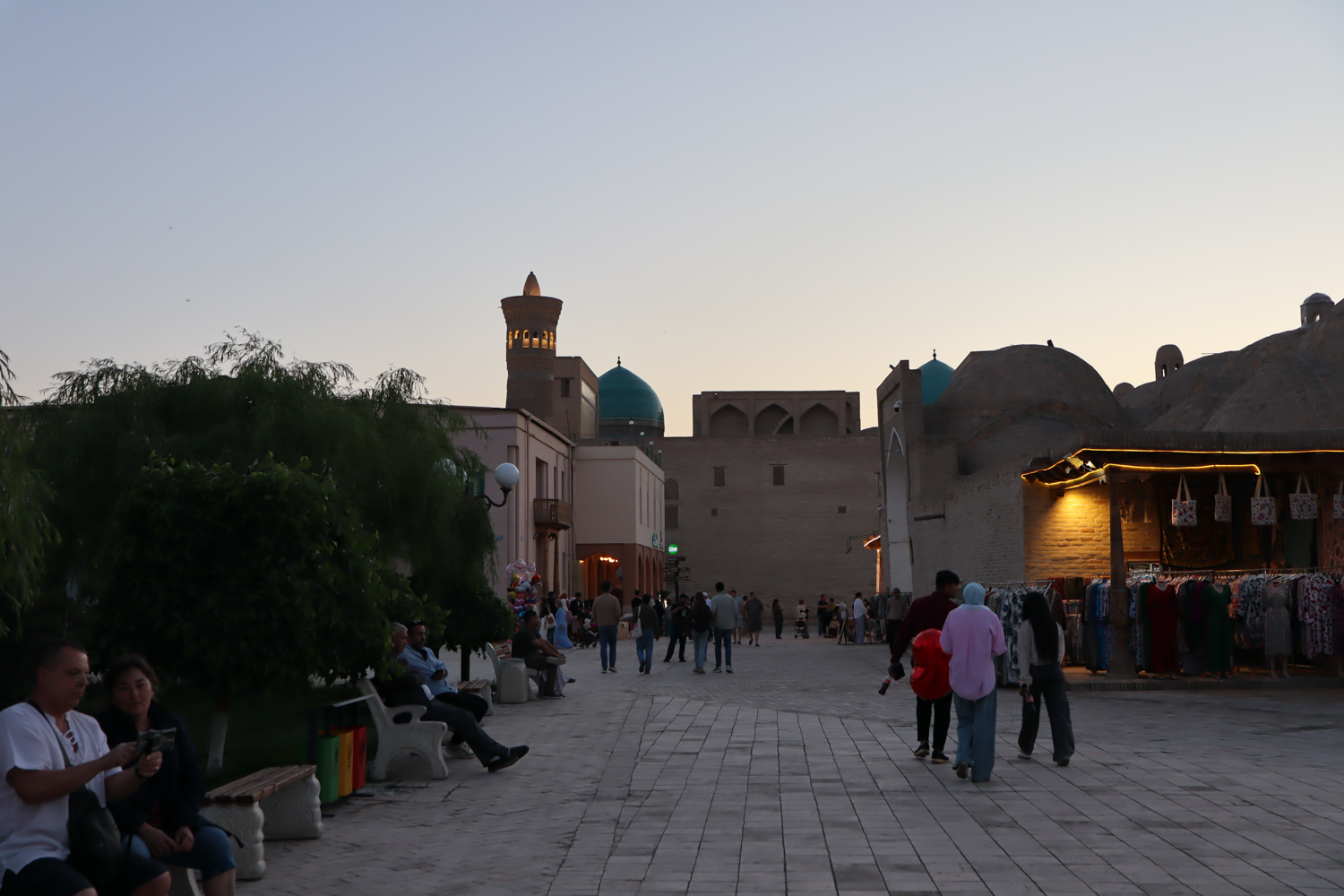
In places like Bukhara I am equally interested in the historic buildings with world heritage importance and modern quarters in which probably most of the people actually live. I decided to spend some time walking (avoiding buses and taxis at any cost) across Bukhara beyond the old town center. Bukhara is large, seems to be very busy and with a lot of traffic. Large avenues, fresh buildings and quarters in expansion imply obvious growth, which is always amazing to see. What I liked the most is the amount of vegetation growing along the roads and parks.
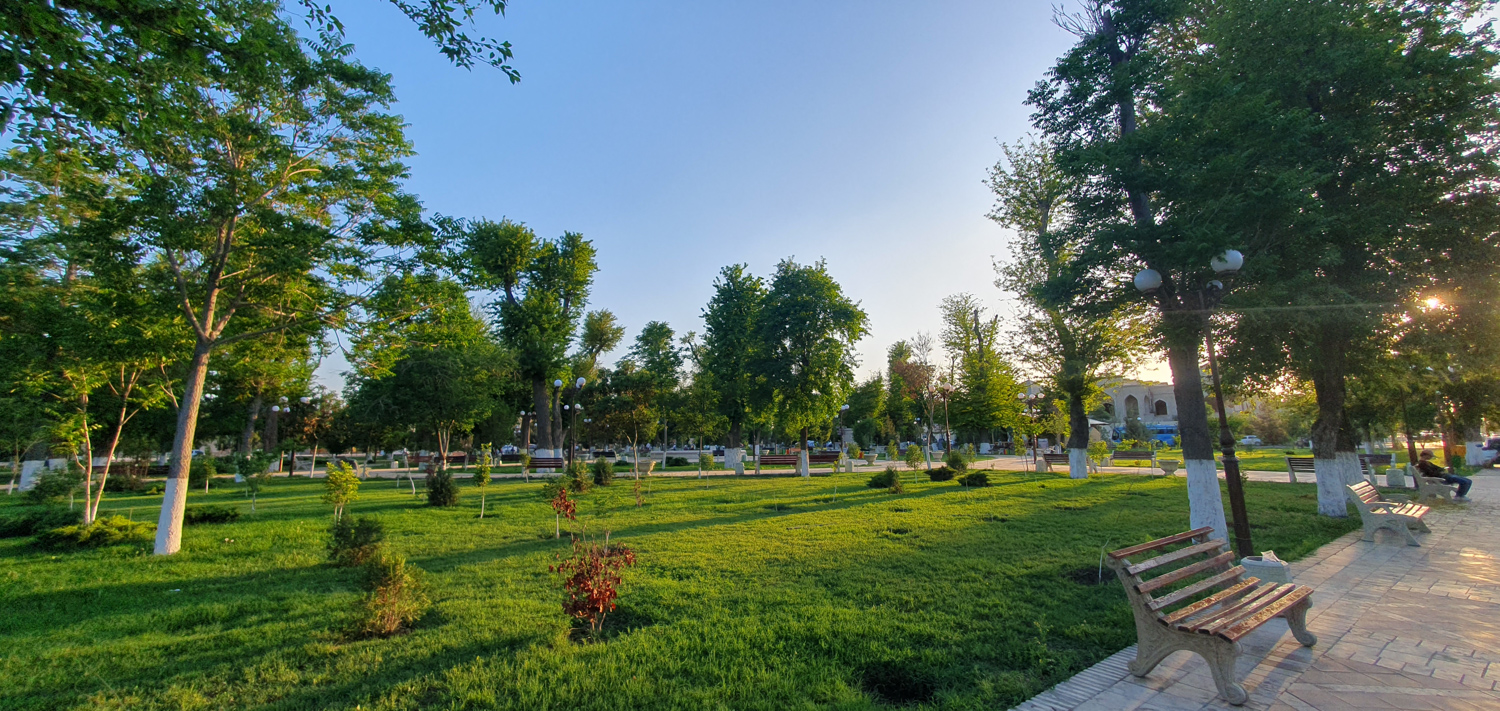
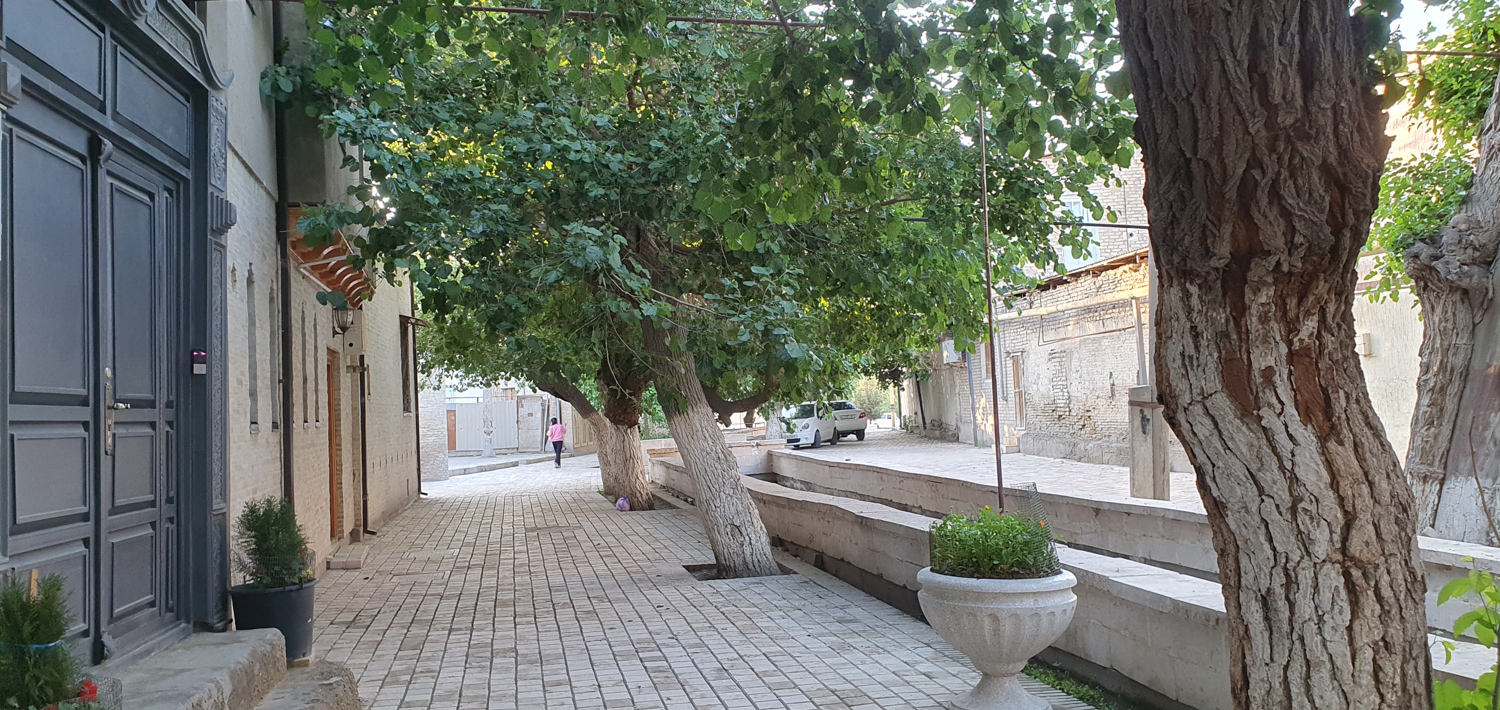
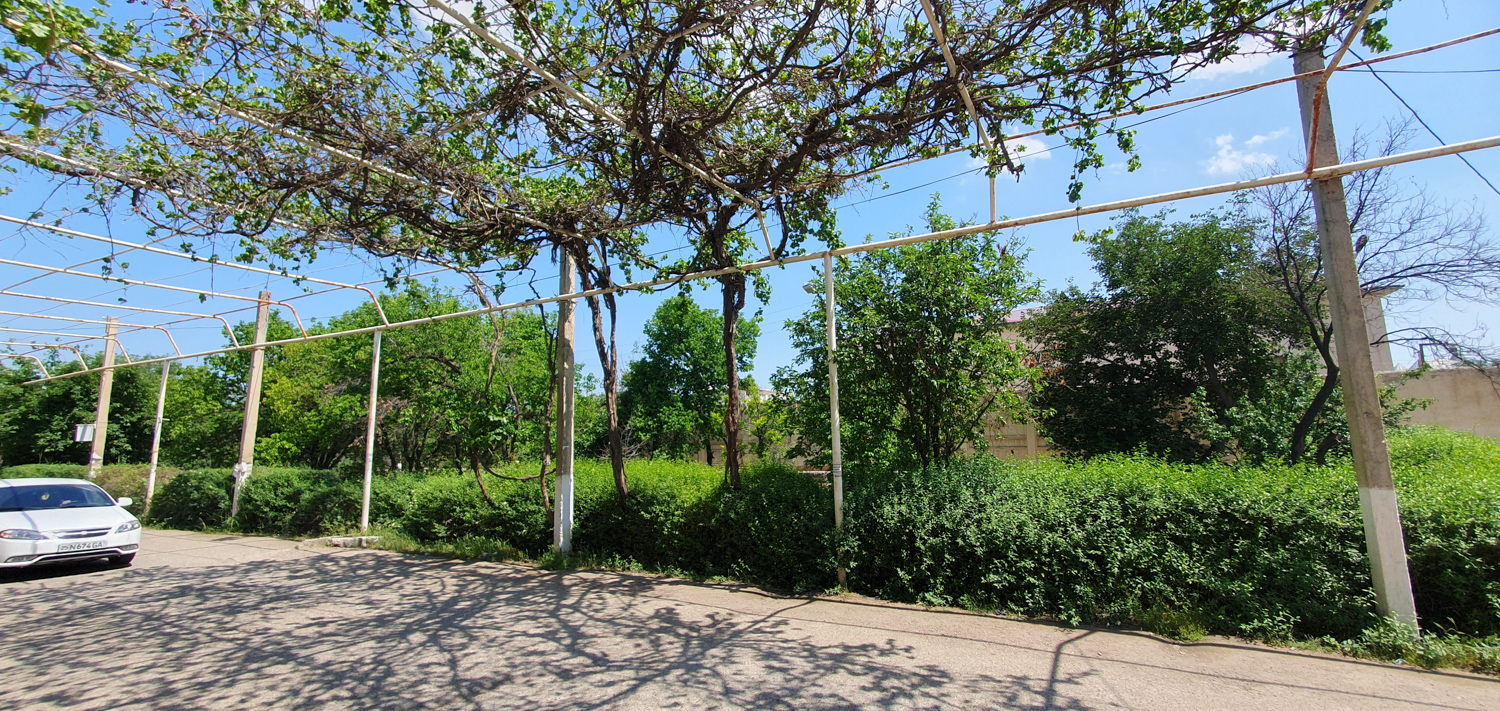
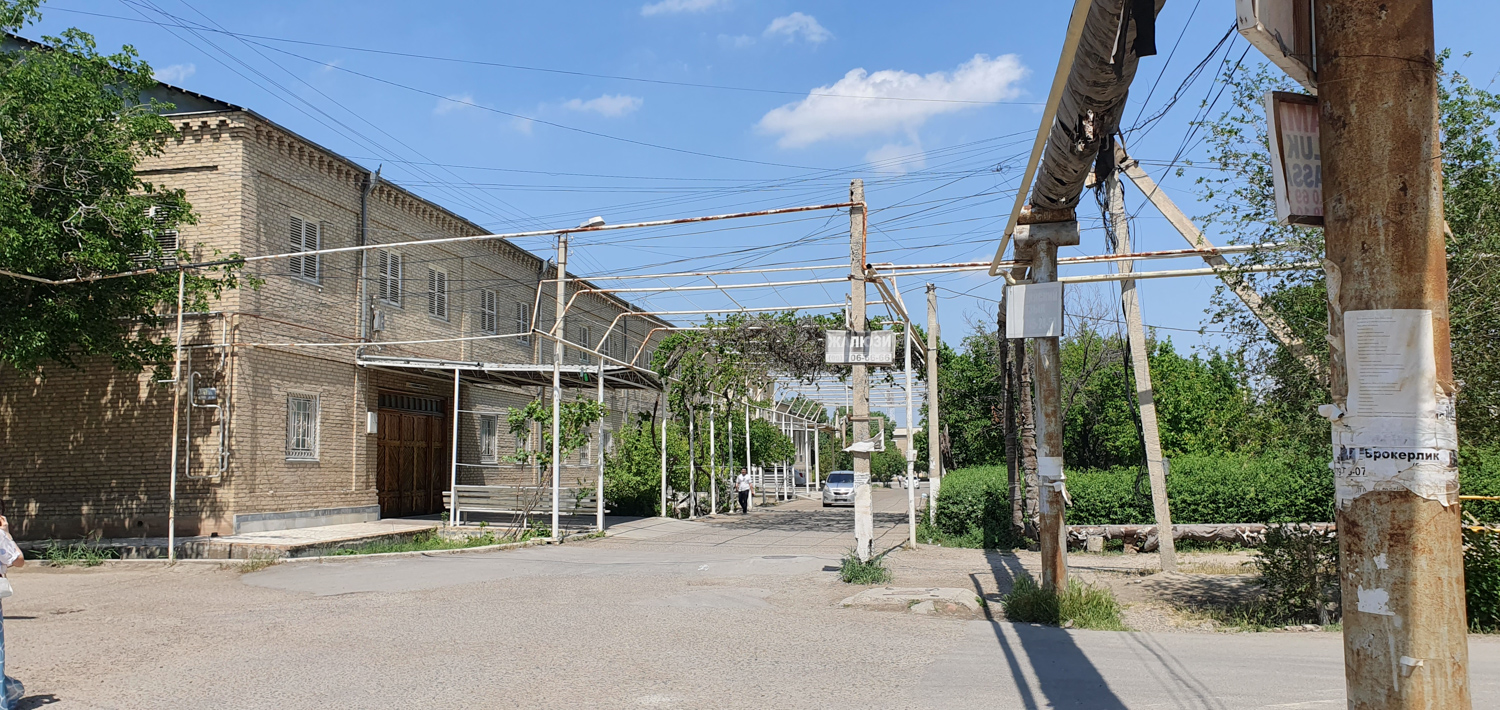
I never experienced such contrast in difference while walking at 30+ degrees in any city before – on the streets, walking on naked concrete feels like a stroll along a grilling rack, while walking under canopies by all means is way cooler and easier to handle.
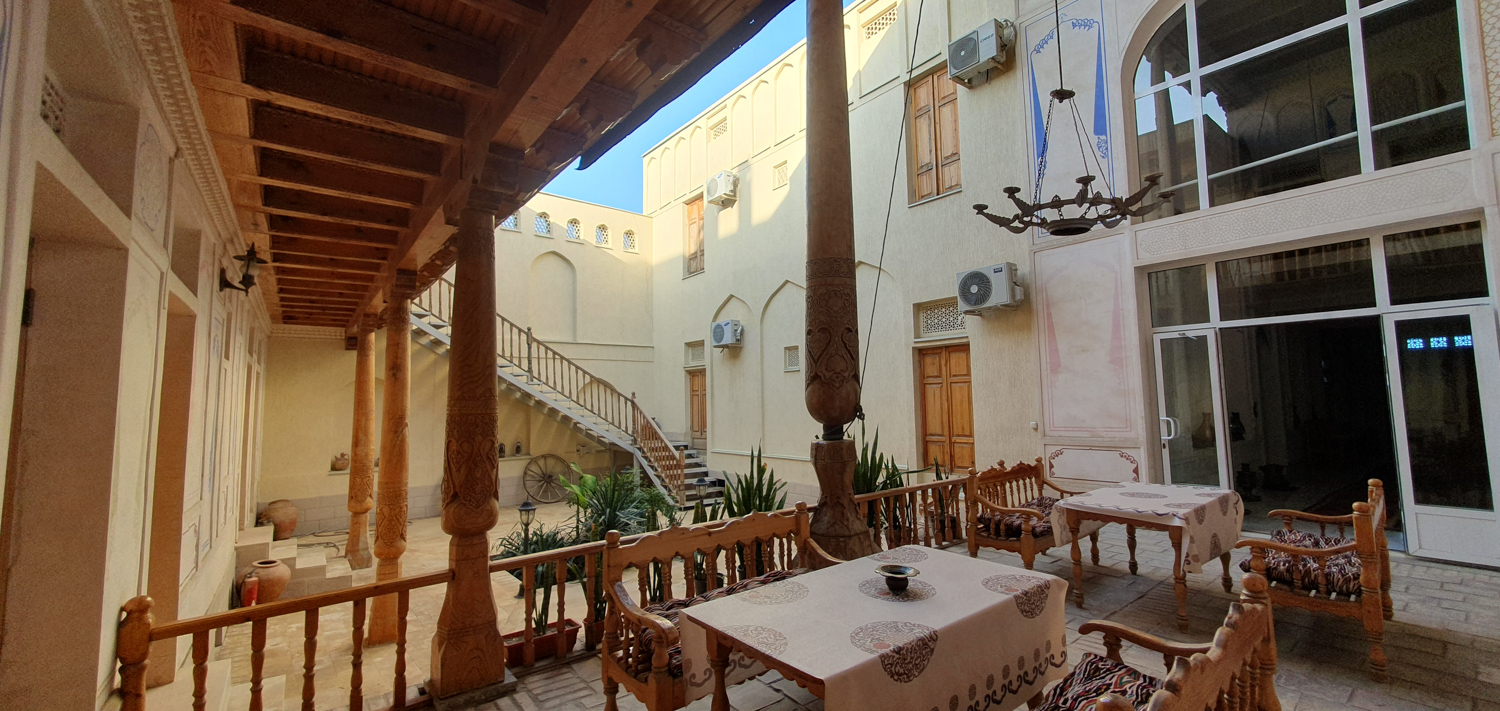
The hotel was superb. Located 10 min along the tiny and narrow streets from the most crucial buildings and extremely cozy. What I like the most is the environment; the houses from the outside are separated by heavy wooden doors which are often heavily decorated. When you open the doors, you are entering a shaded roofless area which is supposed to be used for relaxing, eating etc.
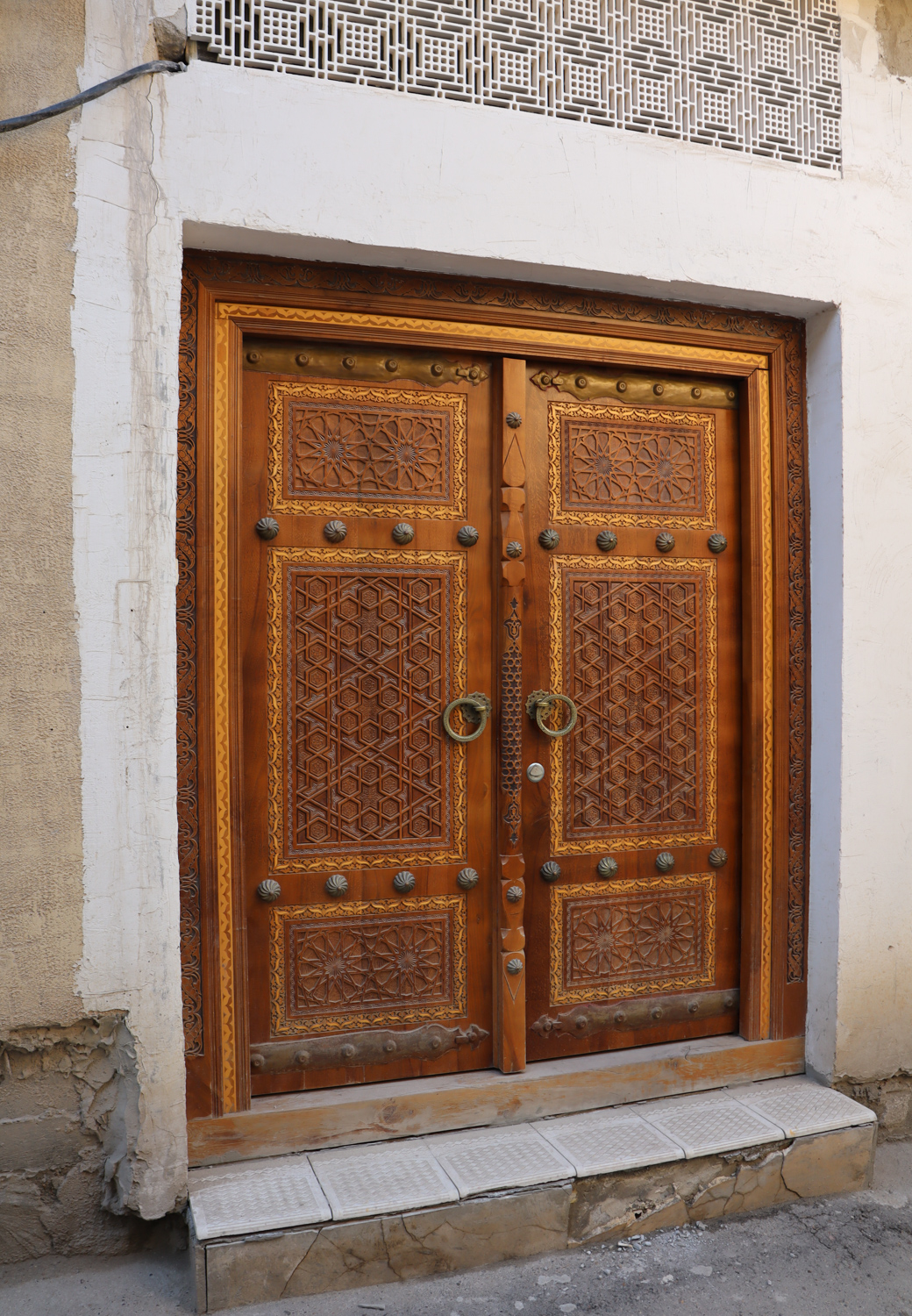
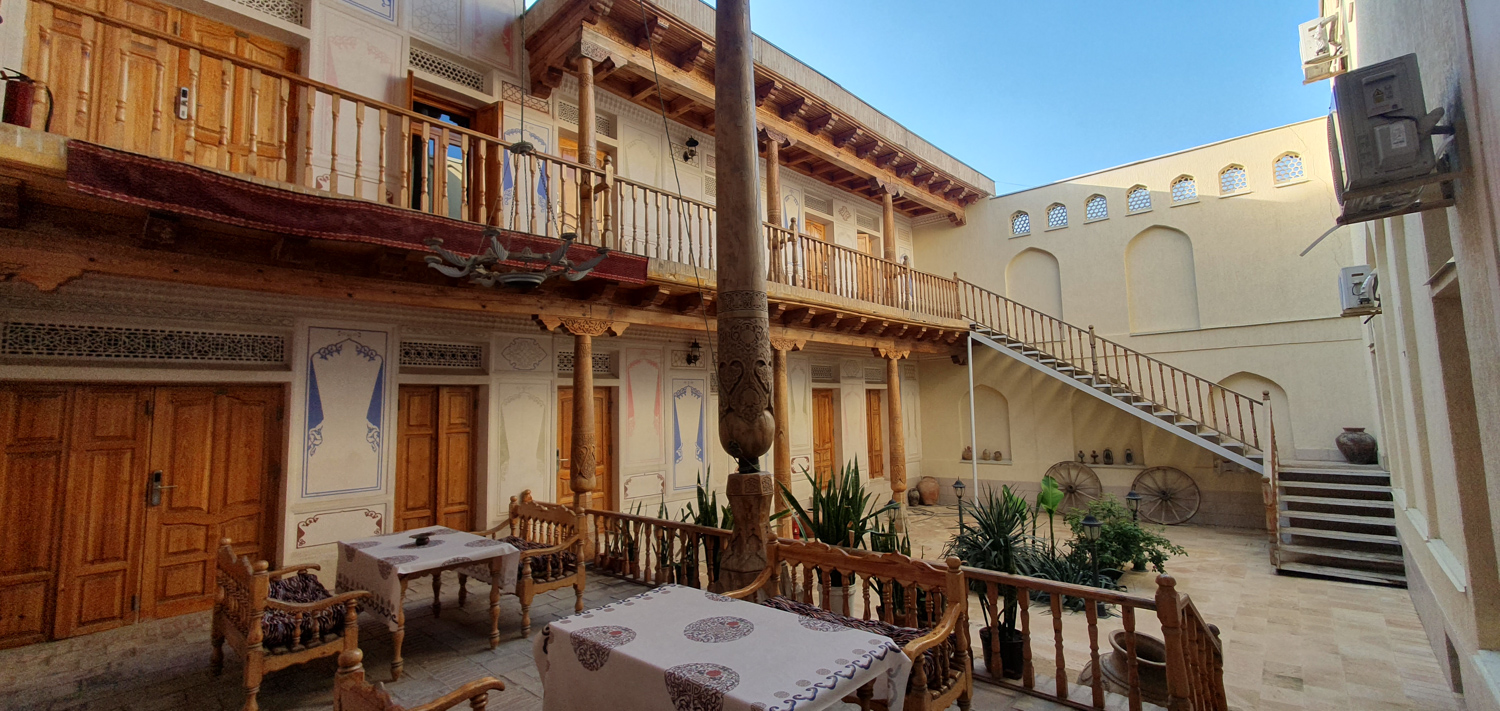
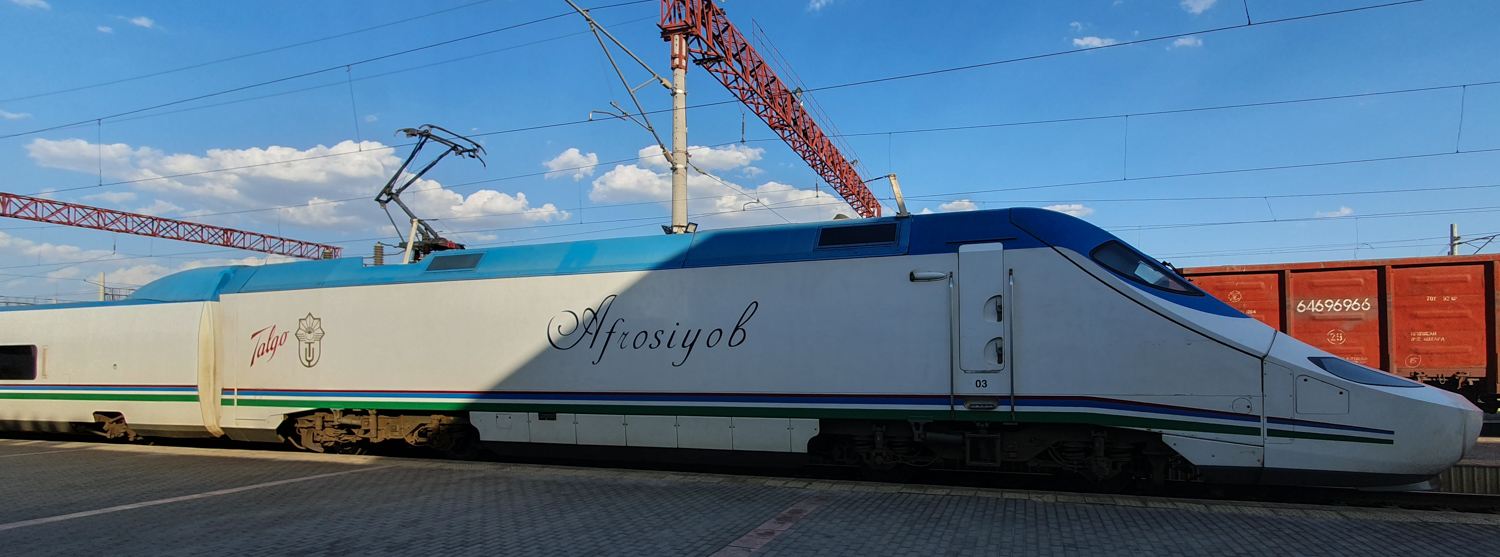
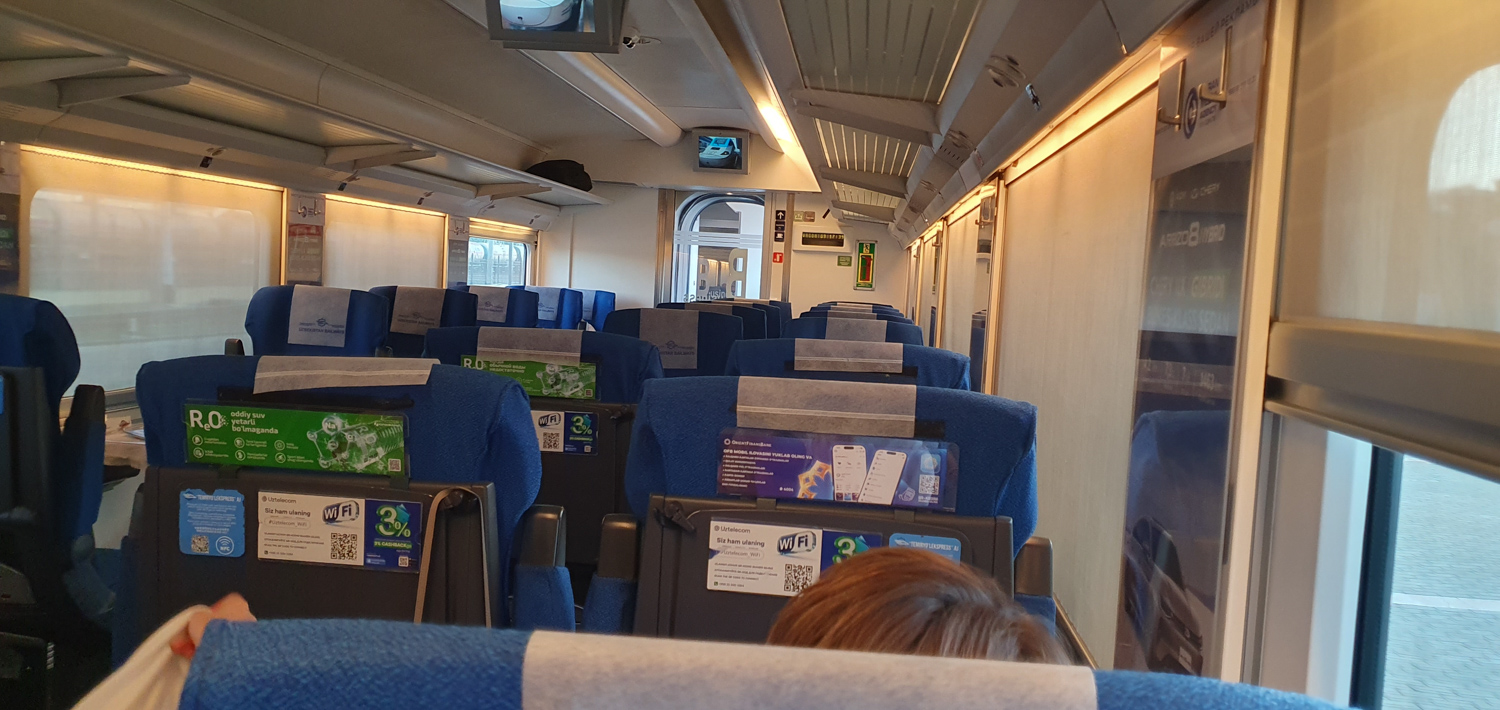
My visit to Bukhara ended with a train ride to Samarkand, islamic cultural capital of the world, as the denizens themselves call it. I booked a ticket to Afrosiyob train, a superfast bullet train which brought me to Samarkand in a bit less than 2 hours.
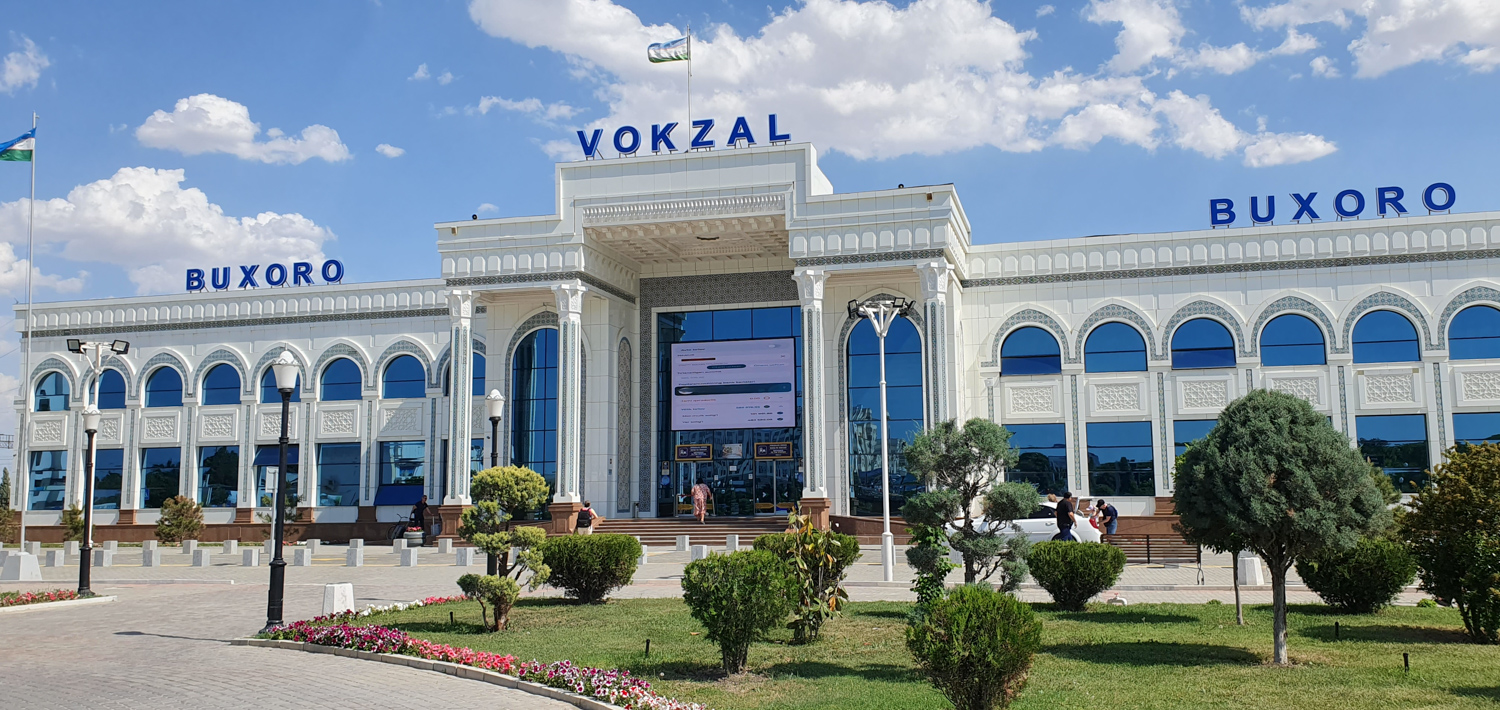
Worried about traffic in Bukhara, I came too early to the station and thus spent a few hours developing further plans and adjustments while swiping through my books and notebooks and laptop. Somehow I managed to attract a lot of attention and ended up talking for hours to an Uzbek woman with whom I discussed everyday stuff easily despite not having a single word of common language to use for such exchange, a Russian girl from Moscow to whom I talked about my trip to Siberia / Russia on the motorcycle from Croatia, and a massive squad of Indonesian retired women who were on their vacation in Central Asia. Everyone seemed to be very relaxed, open for discussions about anything – from which suitcase I was using to their sons being married and planning weddings for 2 000 people; we all agreed easily that the best thing about Uzbekistan was the food, and that plov/osh needs to be recreated at home no matter what.