Silk road
 Ivana
Ivana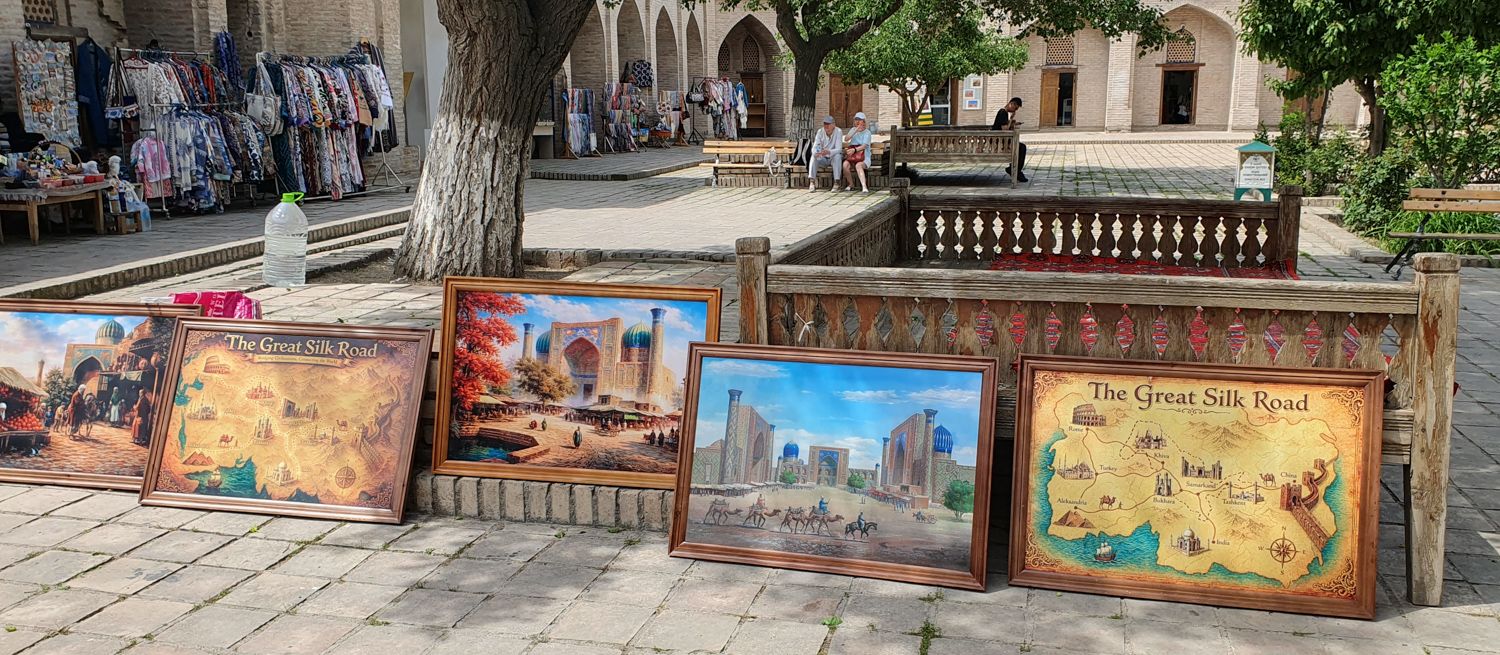
The Silk Road was one of the most important trade networks in human history. Despite its name, it was not a single road, but a vast web of land and sea routes connecting East Asia, Central Asia, the Middle East, North Africa, and Europe. The network developed gradually over many centuries. Historians usually trace its formal beginning to the 2nd century BCE during the rule of the Han dynasty in China. Chinese explorers and diplomats traveled westward in search of allies and trade opportunities. One of the most famous was Zhang Qian, whose journeys helped open communication between China and Central Asia. These contacts created the foundation for regular long-distance trade.
The Silk Road received its name because silk was among the most valuable goods transported along the routes. Chinese silk was highly desired in western lands because of its softness, beauty, and rarity. However, merchants carried far more than silk alone. They traded spices, tea, porcelain, paper, jade, horses, glassware, ivory, perfumes, gold, silver, and precious stones. Caravan traders crossed deserts, mountains, and grasslands to transport these goods. The routes passed through dangerous regions such as the Taklamakan Desert and the towering Pamir Mountains. Travel was slow and difficult, and journeys could take months or even years.
Camels became essential to Silk Road trade because they could survive harsh desert conditions. Large caravans traveled together for safety against bandits and harsh weather. Along the routes, important cities grew wealthy by serving merchants. Cities such as Samarkand, Bukhara, and Kashgar became famous centers of commerce and culture. Inns called caravanserais provided food, water, shelter, and protection for travelers. These resting places also allowed merchants from different cultures to meet and exchange ideas.
The Silk Road was important not only because of trade, but because it connected civilizations. Religions spread across the routes together with merchants and travelers. Buddhism moved from India into China and East Asia through Silk Road contact. Later, Islam spread widely across Central Asia. Artistic styles, scientific discoveries, languages, and technologies also traveled along these routes. Papermaking moved westward from China and eventually transformed education and communication in the Middle East and Europe. Gunpowder, compasses, and printing techniques also spread gradually between cultures.
The Silk Road encouraged cultural exchange on an enormous scale. People encountered unfamiliar foods, clothing, music, architecture, and customs. Scholars translated books from one language into another. Travelers recorded stories about distant kingdoms and peoples. One of the most famous travelers associated with the Silk Road was Marco Polo, whose accounts introduced many Europeans to descriptions of Asia. His journeys increased European curiosity about the East.
Empires benefited greatly from controlling sections of the Silk Road. Governments collected taxes from merchants and protected trade routes with armies. The Mongol Empire played a particularly important role during the 13th century. Under Mongol rule, much of Eurasia became politically connected and relatively secure for merchants. This period is sometimes called the “Pax Mongolica,” meaning Mongol Peace. Trade and travel became easier across enormous distances. Goods and ideas moved faster than before.
However, the Silk Road also spread disease. The most devastating example was the Black Death in the 14th century. Merchants and caravans unintentionally carried plague bacteria across continents. Millions of people died in Asia, the Middle East, and Europe. This tragedy showed that increased connection between societies could bring both benefits and dangers.
Over time, the Silk Road declined in importance. Sea trade became cheaper, faster, and safer than long land journeys. European exploration during the 15th and 16th centuries opened new maritime trade routes. Political instability in Central Asia also disrupted caravan travel. Although the original Silk Road faded, its influence never disappeared completely.
The long-term importance of the Silk Road is enormous. It helped shape the development of civilizations across Eurasia. It connected distant societies that might otherwise have remained isolated from one another. The exchange of inventions, beliefs, and knowledge changed the course of history. Many technologies and ideas that spread along the Silk Road still influence modern life today. The network also demonstrated that trade can create cultural understanding as well as economic growth.
Modern historians often describe the Silk Road as an early form of globalization. Long before airplanes, railways, or the internet existed, people created connections across thousands of kilometers. Merchants, pilgrims, diplomats, and explorers formed bridges between cultures. The Silk Road showed humanity’s desire to travel, trade, learn, and cooperate. Even in the modern world, the Silk Road remains a powerful symbol of cultural exchange and international connection.